Two independent MPs have used a public forum in Hobart to launch a parliamentary petition calling for a formal inquiry into Tasmania’s cannabis laws.
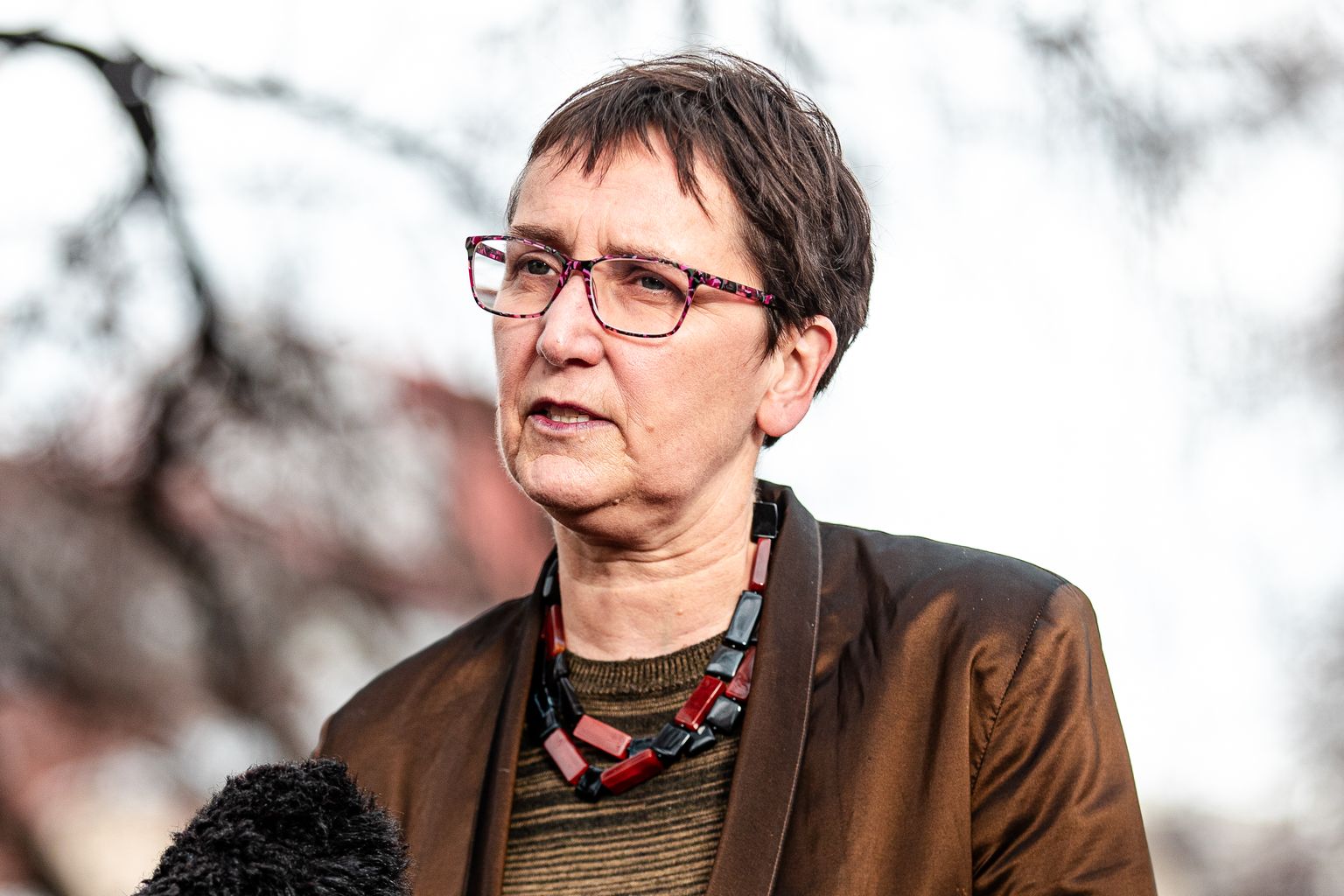
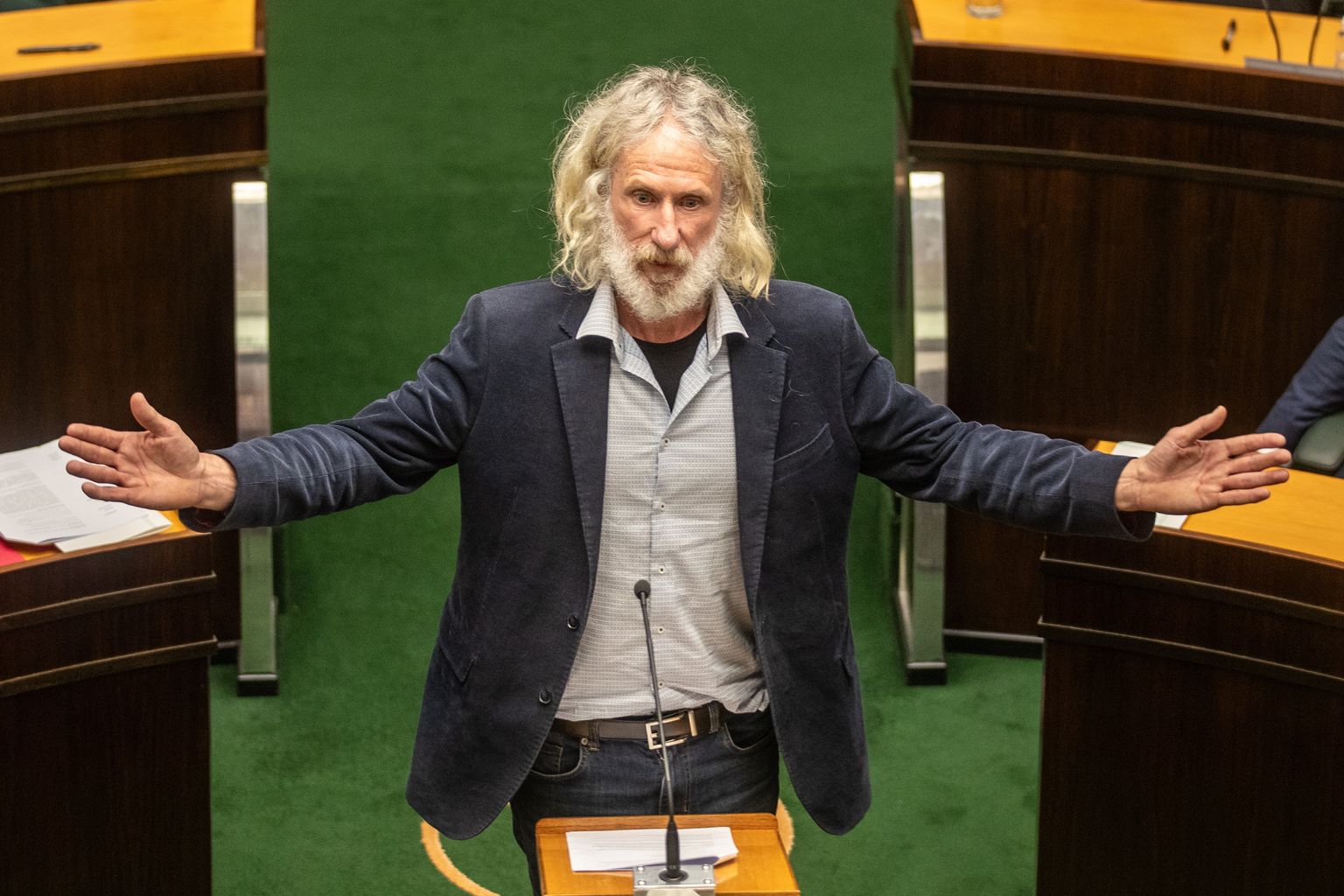
Craig Garland and Helen Burnet hosted the event at Hobart Town Hall on Monday, bringing together legal, medical and policy experts who argued the current system is punishing people for what is fundamentally a health issue.
“I don’t think any rational person thinks it has any deterrent effect at all,” barrister Greg Barns said of criminalisation.
“When you get a law that everybody breaks at some point in their life, it no longer serves any purpose.”
A 2025 Roy Morgan poll found 52% of Tasmanians support full legalisation of cannabis, with only 36% opposed.
A 2023 EMRS survey commissioned by the Alcohol, Tobacco and other Drugs Council of Tasmania found 69% of respondents did not believe possession for personal use should be a criminal offence and just 4% supported a prison sentence.
Emily Chase, CEO of the Drug Education Network and the forum’s chair, said data from the National Drug Strategy Household Survey estimated 11.5% of Tasmanians – about 55,000 people – had used cannabis illegally in the past year.
Dr Tom Kaczor, founder of Cannabis Doctors Tasmania, said the biggest barrier to legal access was cost.
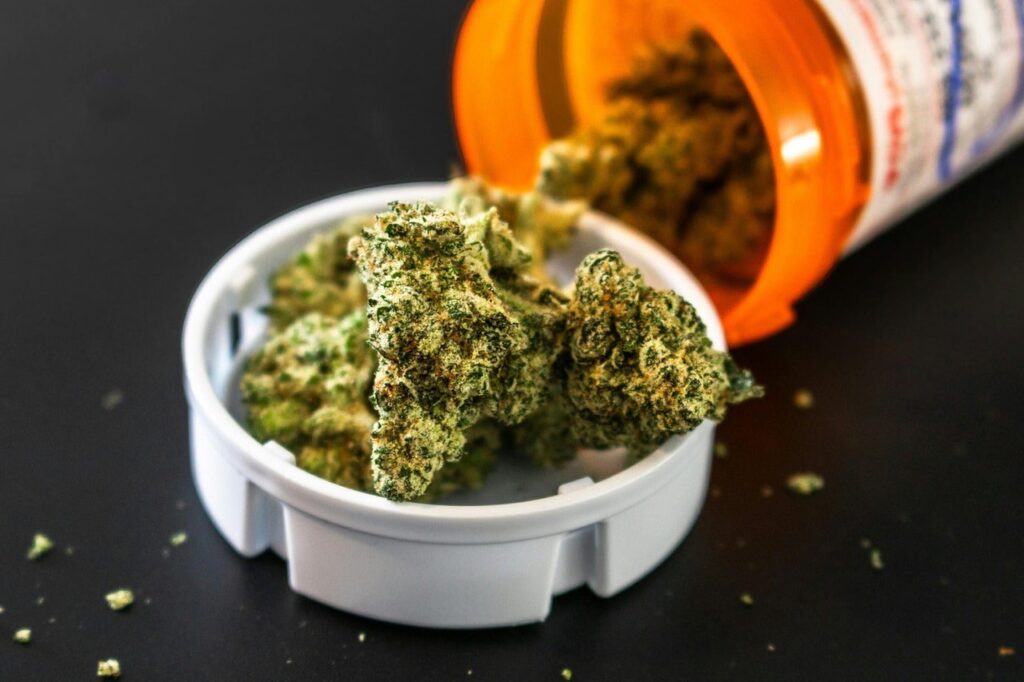
Medicinal cannabis is not subsidised through the PBS and some patients unknowingly pay three to four times more than necessary through commercially linked clinics.
“When treatment is unaffordable, patients don’t simply go without, they go outside the medical system with significantly worse outcomes,” he said.
Samantha, a lived experience advocate who works as a peer worker for the Salvation Army Bridge Program, told the forum she could buy cannabis illegally for $25 or spend up to $300 for half the amount through legal channels and wait a week.
Richard Salewicz, who works in the alcohol and drug treatment sector and sits on the ATDC board, said just 5% of people presenting to treatment services were there primarily for cannabis.
The vast majority sought help for alcohol or methamphetamine, he said.
Rhys Cohen, a policy officer at the Penington Institute, said international evidence favoured regulation.
He said Canada’s federal review of legalisation found no significant increase in youth use but a major decrease in arrests.
“Decriminalisation may be a step in the right direction but it’s a halfway measure that doesn’t actually address the problems that we’re dealing with here,” he said.
Garland said the plan was to take the petition to parliament and push for a committee inquiry.
“You shouldn’t be criminalised for seeking something to aid and benefit your existence on this planet,” he said.
“And in fact I think you’re a miserable bastard if you don’t give people in desperate need something that is going to aid and benefit them.”