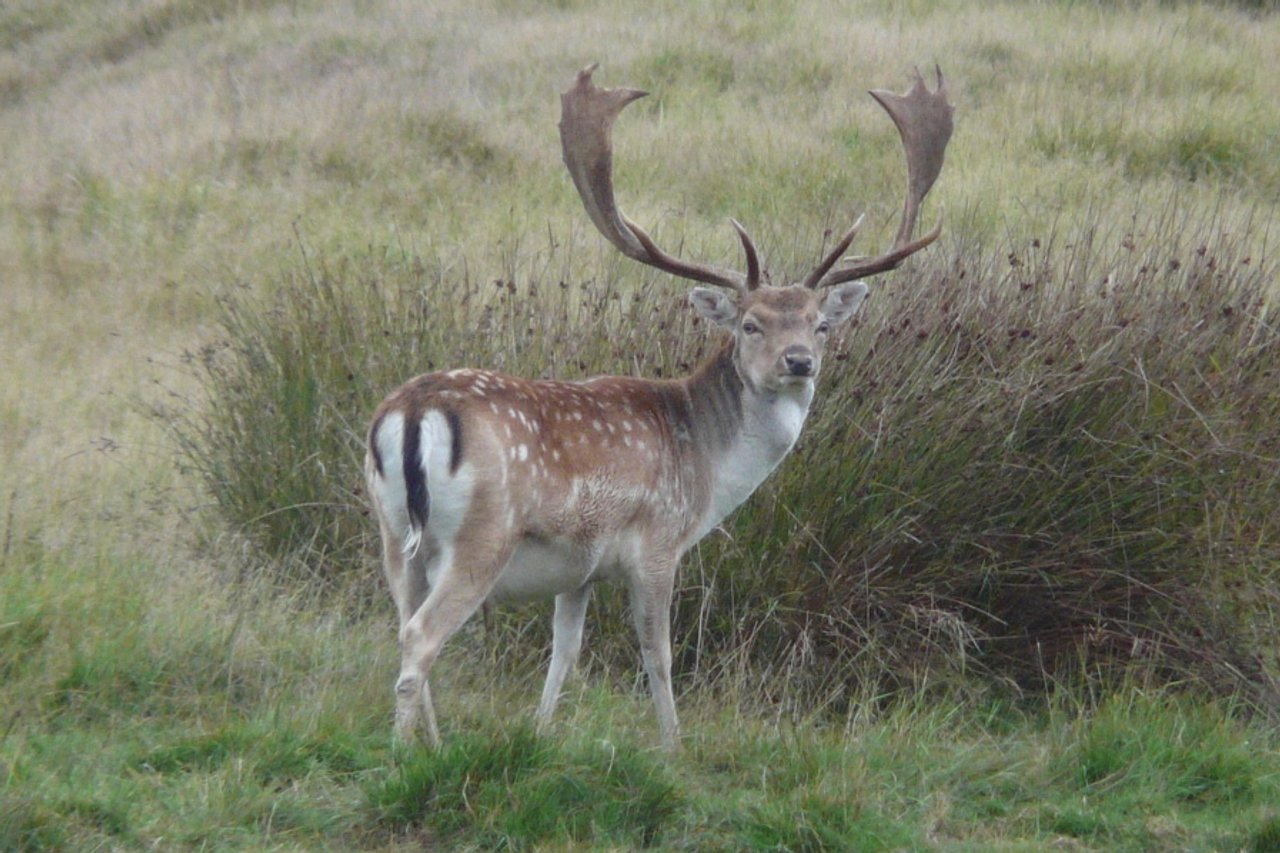
Tasmania’s parliament has backed a move to expand recreational hunting on public land as the main way to control the state’s growing deer population.
The motion passed 27-7 on Wednesday, with support from the Liberals, Labor and all independents except Peter George and Kristie Johnston.
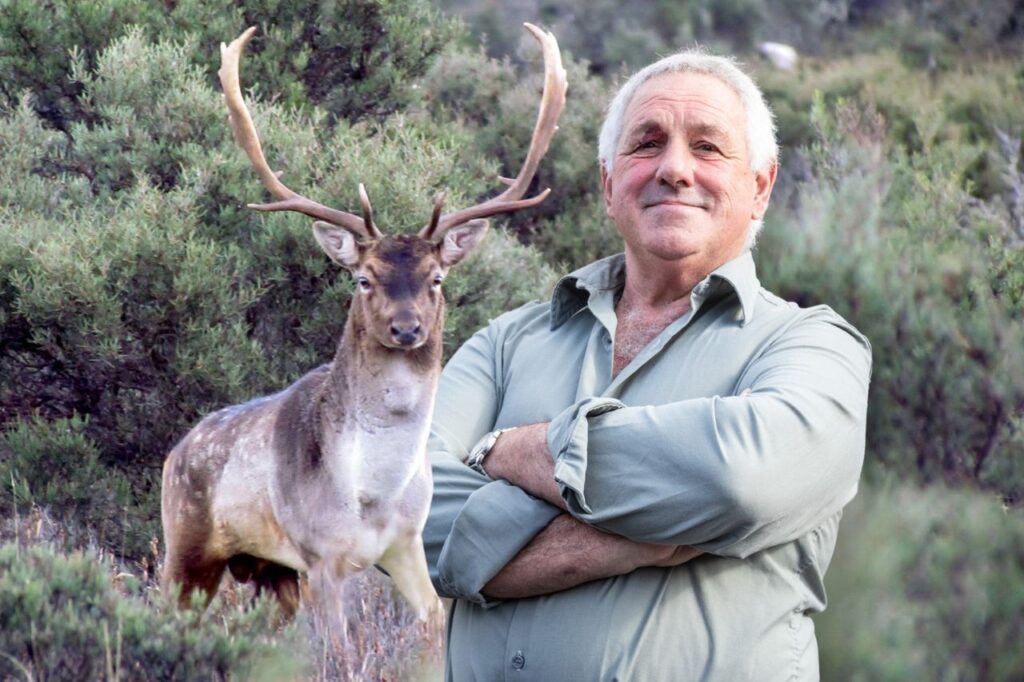
Shooters, Fishers and Farmers MP Carlo Di Falco, who introduced the motion, said recreational hunters contribute more than $80 million to Tasmania’s economy each year and support jobs in regional communities.
“Hunting has always been a part of Tasmania’s heritage,” Di Falco said.
“It’s time the government recognised hunters not as a problem, but as part of the solution. They are the frontline of effective deer management.”
The motion calls on the government to open more Sustainable Timber Tasmania land to hunters and to explore allowing donated game meat to go to charities.
It also seeks to maintain the ban on using 1080 poison for deer control.
“It makes no sense that perfectly good venison and wallaby is going to waste when local charities and food banks are struggling to meet demand,” Di Falco said.
Primary Industries Minister Gavin Pearce backed the motion, saying much of the work was already under way.
The government has invested more than $7 million in a wild fallow deer management plan, with another $2.25 million committed.

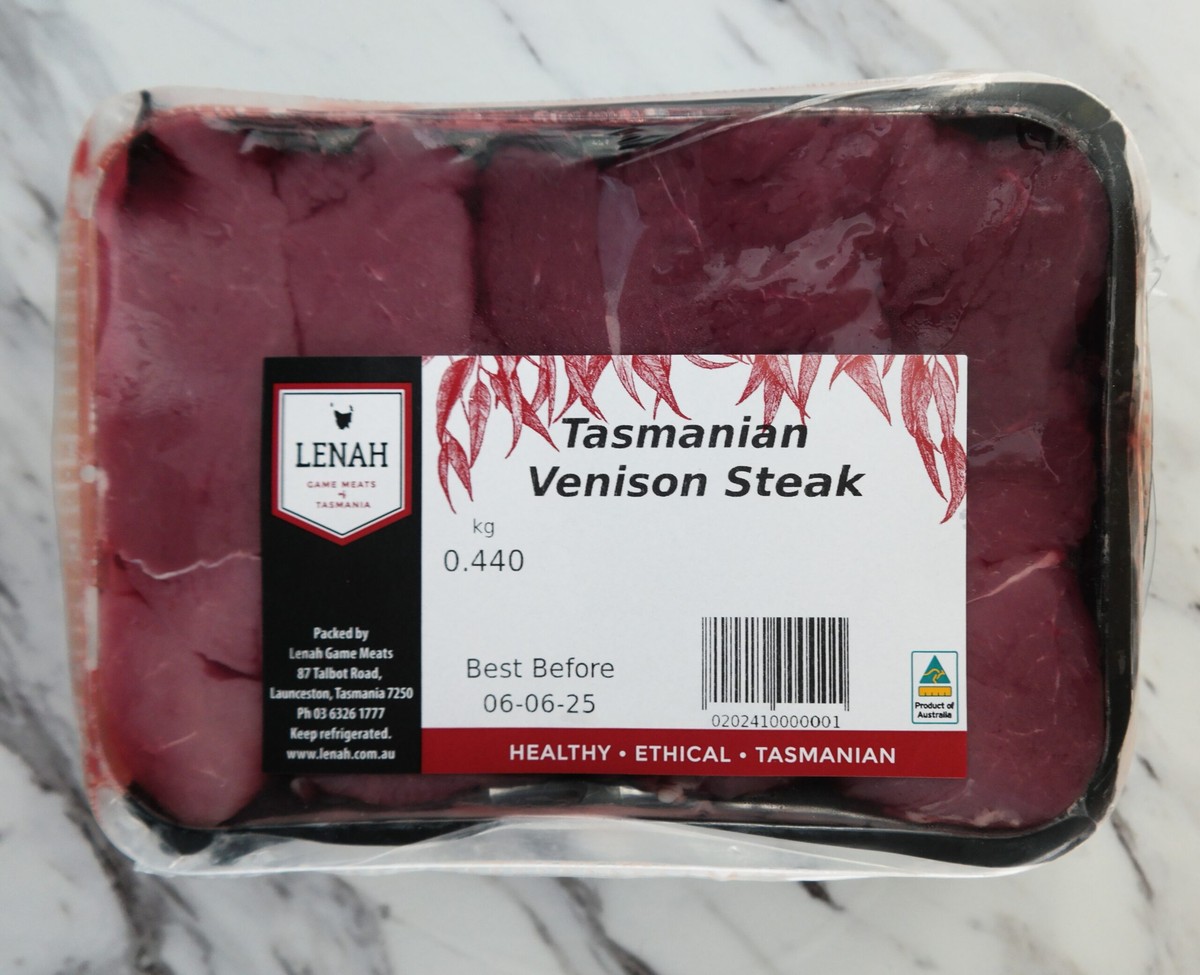
Pearce said a trial was in progress with Lenah Game Meats to supply commercially wild-shot deer that meet food safety standards.
The Greens opposed the motion, with Lyons MP Tabatha Badger raising concerns about opening forests “frequented by walkers and nature lovers” to shooters.
“Supporting the Shooters, Fishers and Farmers push to open up public forests for recreational shooters is an obvious public safety issue,” she said.
“At a time when Tasmania should be strengthening gun laws and firearms protections, the Liberals and Labor appear to be weaselling up the shooting lobby.”

Badger argued the deer problem was caused by the government’s protection of the species during breeding season, not a lack of hunting access.
Di Falco defended the approach, saying 88% of Tasmania’s deer population was in management zones on Sustainable Timber Tasmania land where expanded hunting access would sustainably manage numbers.

“This is about striking the right balance, protecting our environment, respecting private property and empowering local people to manage wildlife responsibly,” he said.
“SFF is willing to work with all sides of parliament and stakeholders to ensure
sustainable wildlife management”.
The government plans to develop a new deer management plan before the current one expires in 2027.