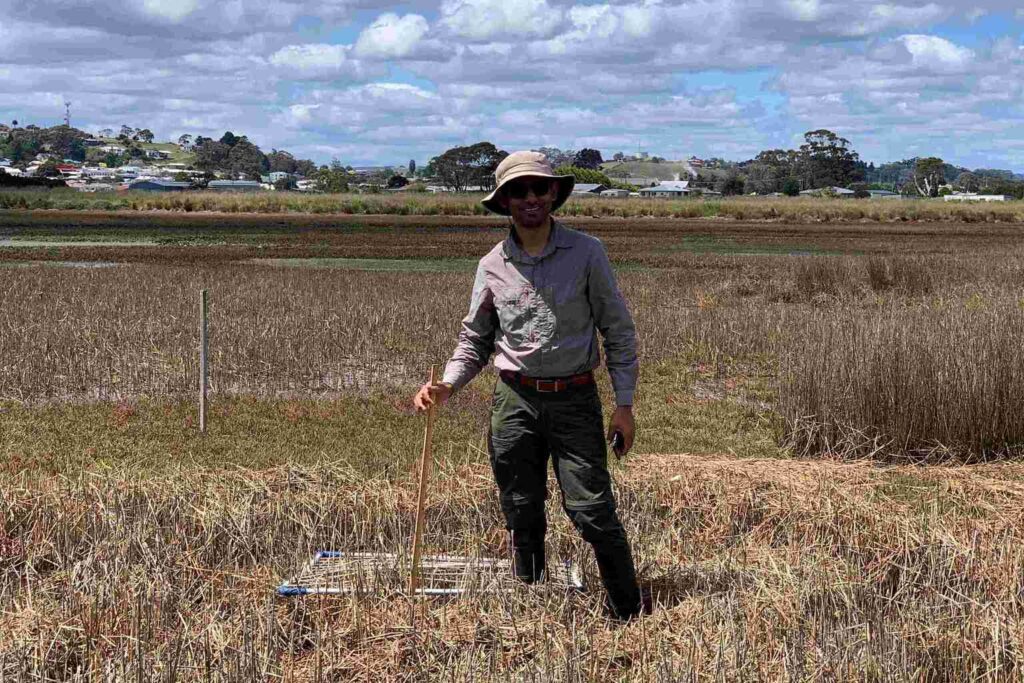
Rice grass that smothered Tasmanian wetlands for decades can be successfully removed, with new research showing dramatic recovery after just three years.
University of Tasmania scientists found fish populations increased twentyfold after invasive rice grass was cleared from Duck Bay wetlands in the state’s north-west.
The grass, Spartina anglica, was introduced from the 1930s as a way to convert “valueless land” into productive grazing areas.
But rice grass spread rapidly across more than 500 hectares at Duck Bay alone by 2013 and crowded out native plants and blocked access for fish that rely on saltmarshes for food and shelter.
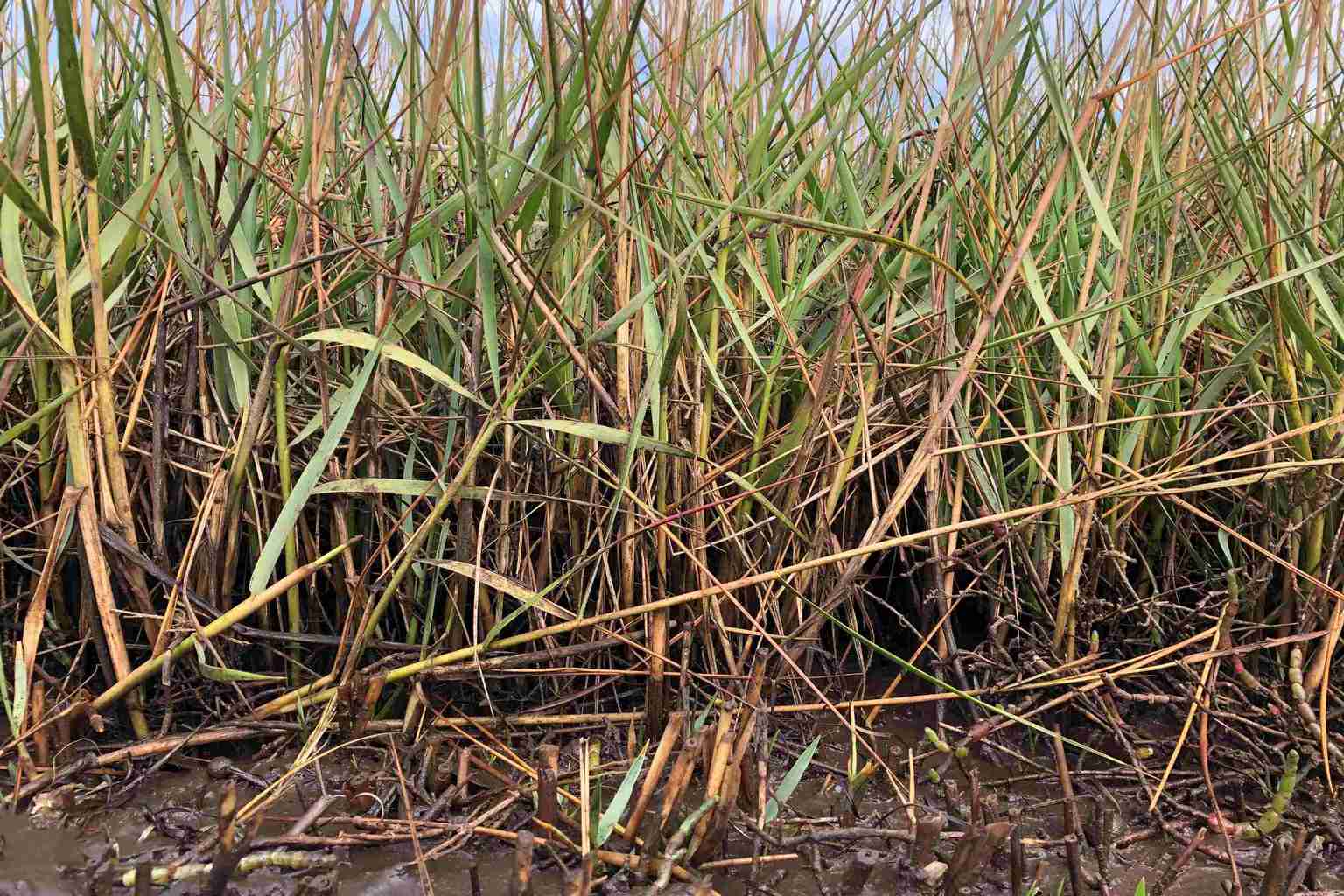
The Circular Head Landcare Group has spent years removing the grass using herbicides applied by drone, quad bike and backpack sprayers.
Dr Vishnu Prahalad from the University of Tasmania monitored the results and three years after treatment, fish species doubled from five to 11, with total numbers jumping twentyfold.
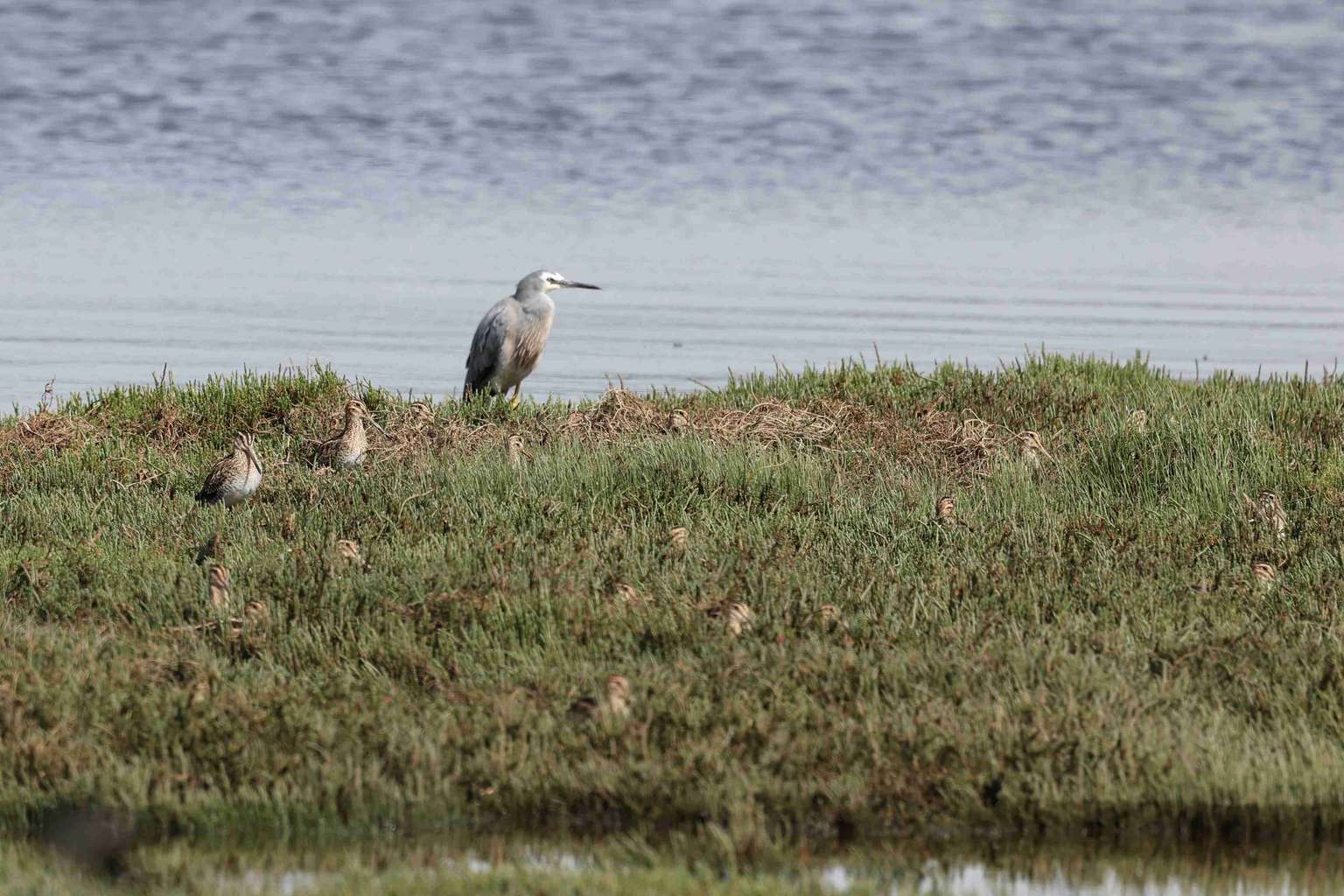
“Saltmarshes are incredibly productive ecosystems that support biodiversity, fisheries and coastal resilience,” Prahalad said.
At Morgans Bay, fish were almost entirely absent before treatment.
By 2023, researchers recorded 255 fish per 100 square metres, matching nearby undisturbed areas.
The team examined yellow-eye mullet stomachs and found every fish had been feeding on marsh invertebrates and insects.
“Removing rice grass doesn’t just open up space, it restores function,” Prahalad said.
“Seeing the fish return, feeding and sheltering in these wetlands again, that is what this work has always been about.”
Project manager Iona Flett said the research validates decades of community effort.
“People in this region have been working to get rid of rice grass for decades because they could see what it was doing to the coast,” she said.
“Having the University of Tasmania document the recovery so thoroughly means we can now show decision-makers and funders exactly what is possible.”
The study, published in Austral Ecology, is among the first in the southern hemisphere to document complete saltmarsh recovery after invasive species removal.