A Tasmanian student who set out to prove her parents wrong about social media has become an unlikely champion for Australia’s world-first ban on under-16s using the platforms.
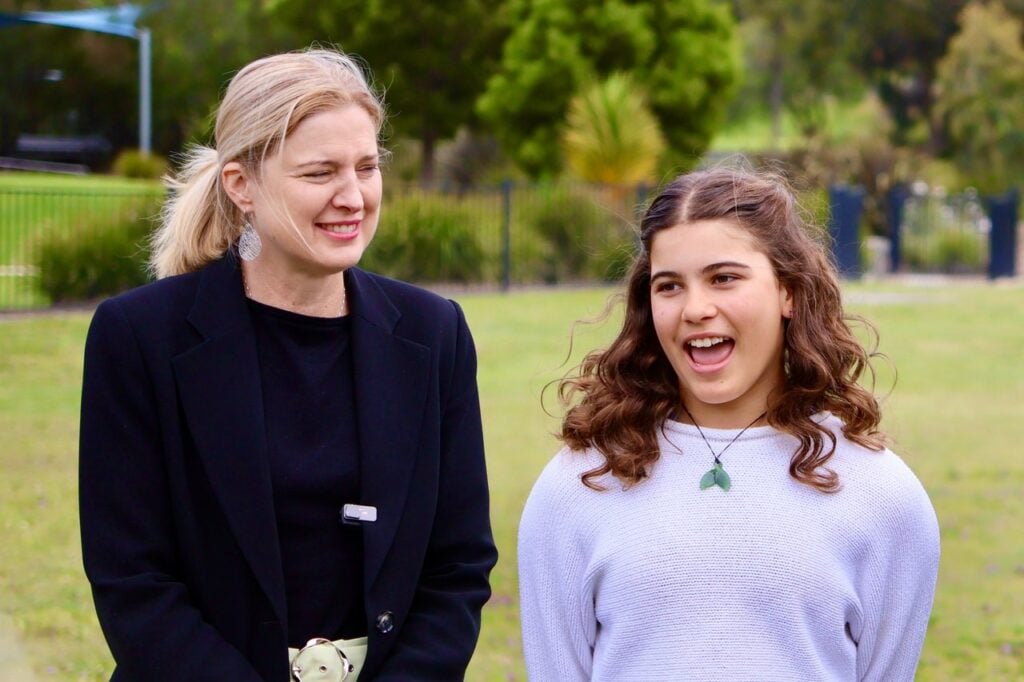
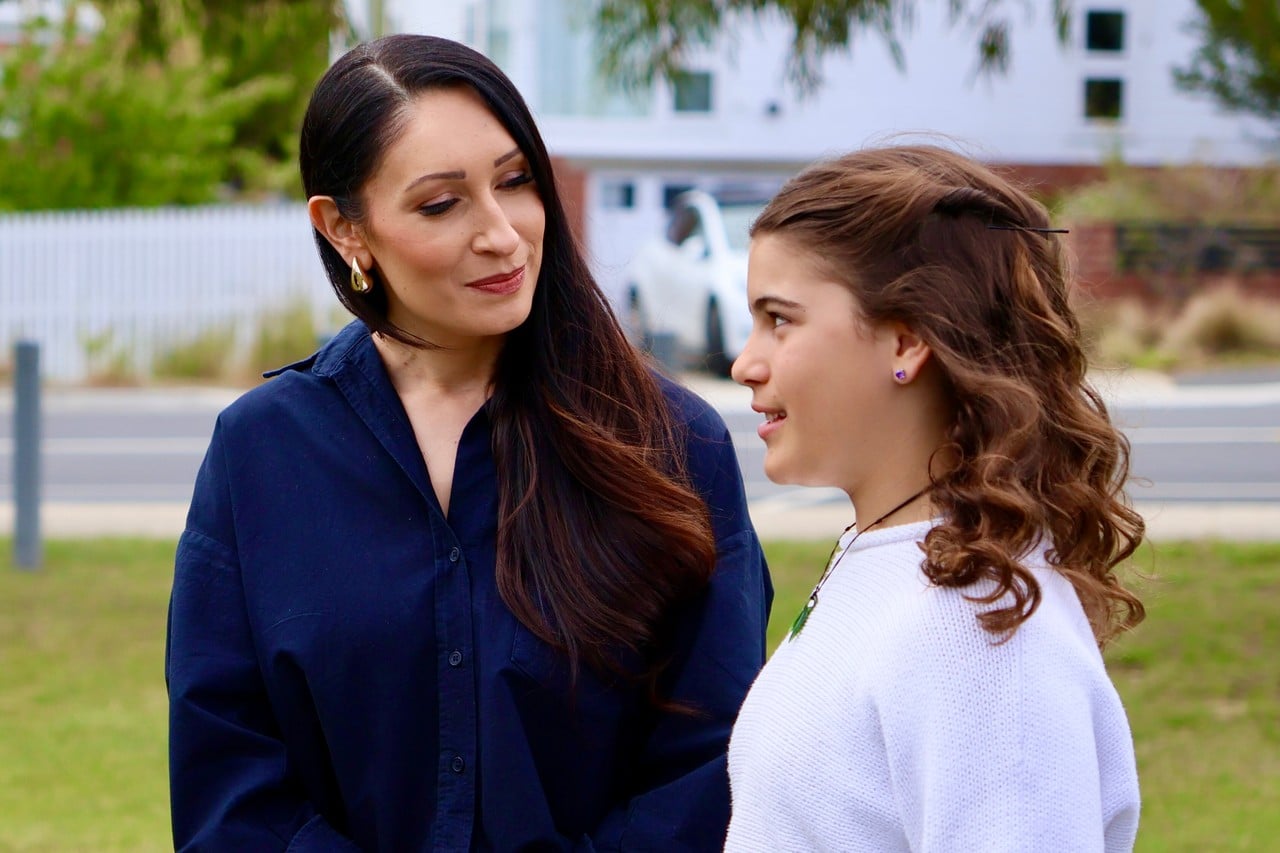
Flossy, 13, joined Franklin MP and Federal Agriculture Minister Julie Collins on Friday, ahead of the restrictions coming into force on Wednesday.
She said she was initially furious that her parents wouldn’t let her on social media when all her friends had accounts.
“My parents said, look, if you can find a reliable source that says being on social media is good for your brain, then go for it. We’ll let you have social media,” she said.
“So this whole thing was kind of testing my parents and I found that they were right. They were completely right.”
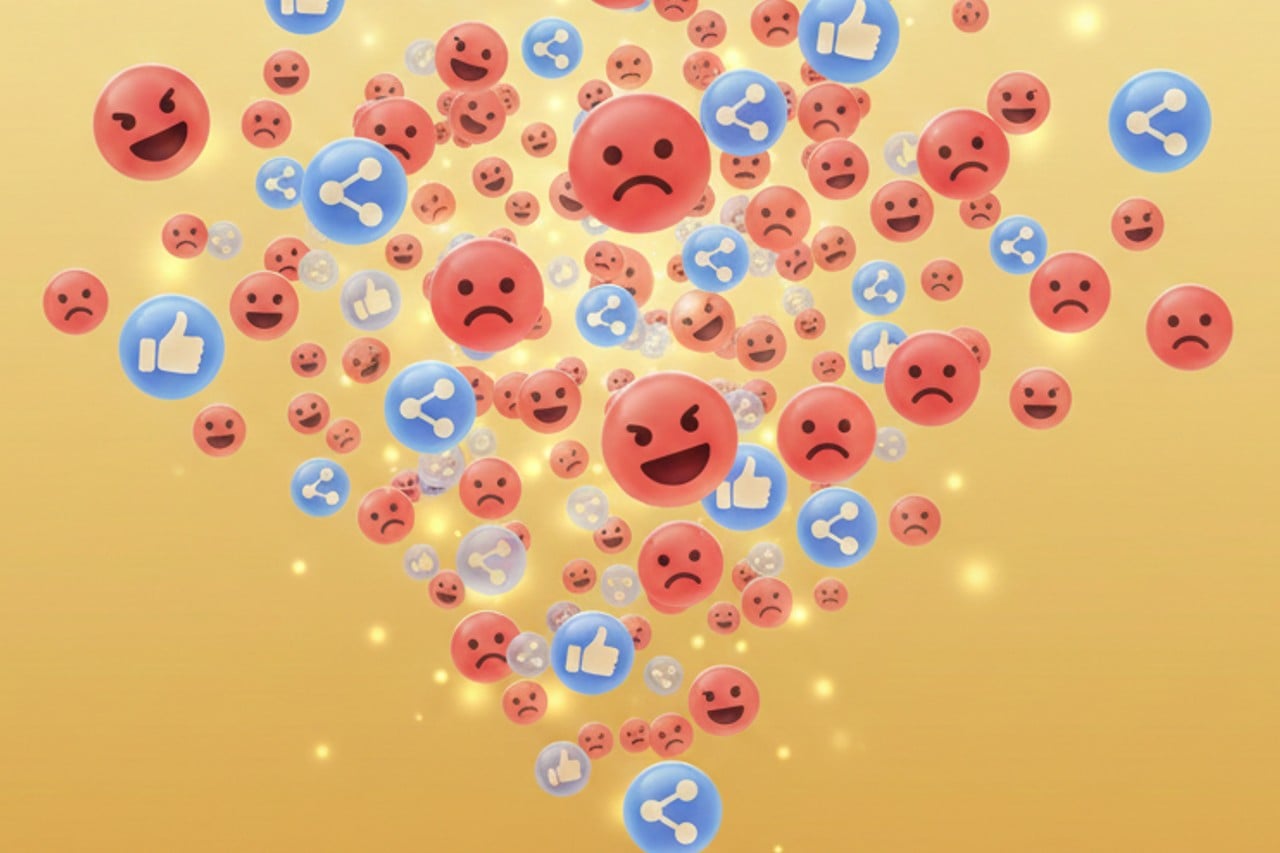
“Being on social media is not good for developing brains and now I’m very grateful that they have shielded me from that my entire life.”
Her school research project on the effects of social media on developing brains caught the attention of Communications Minister Anika Wells, eventually leading to meetings in Canberra and with Prime Minister Anthony Albanese.
“I found that when you’re on social media, you’re getting these constant dopamine hits, which make you really happy, but aren’t good in the long run,” Flossy said.
“I think it’s the invisible impacts, like anxiety and depression and all these withdrawal symptoms that people don’t notice until it’s too late.”
From December 10, platforms including TikTok, Instagram, Facebook, YouTube and Snapchat must take ‘reasonable steps’ to remove Australian users under 16 or face fines of almost $50 million.
Collins said the onus was now on tech companies to comply.
“We know this is not going to be perfect. We know it’s going to be a bit clunky,” she said.
“They’ve got algorithms that do things that actually are causing people damage, so this is a chance, an opportunity for them to use their algorithms to do good things.”
She pointed to statistics showing seven in 10 children had encountered harmful content online, one in three had been cyberbullied and three in five grooming incidents happened on the internet.
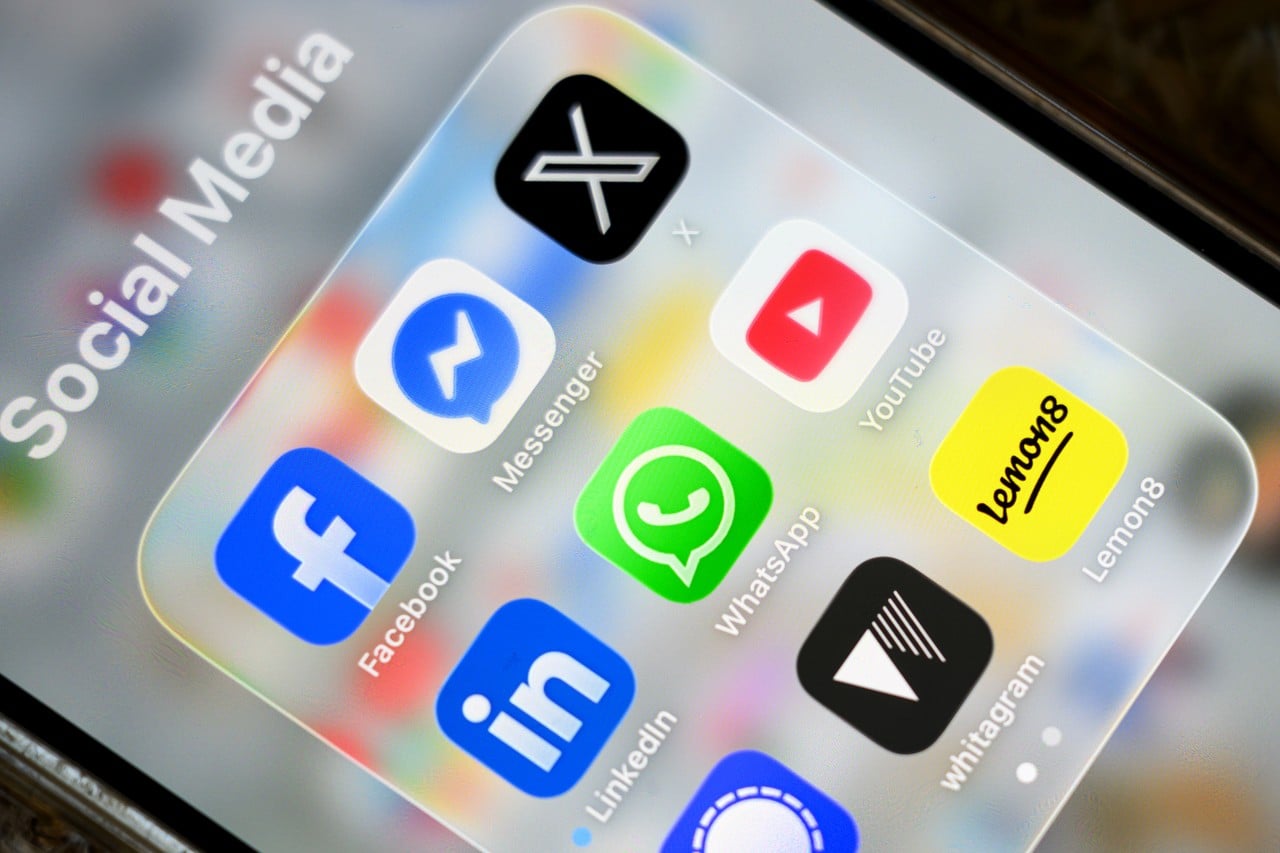
The ban has prompted pushback from digital rights groups, tech companies and the Australian Human Rights Commission.
YouTube argued the law would make children ‘less safe’ by removing parental controls from users without accounts.
The Digital Freedom Project has lodged a constitutional challenge in the High Court, calling the restrictions an attack on young Australians’ right to political speech.
Collins compared the changes to film classifications and legal drinking ages.
“We’re giving parents a bit of strength to their shoulder when they say no,” she said.
Flossy’s mother, Romany, said the legislation was “a terrific guardrail” that complemented parenting rather than replacing it.
“… This legislation is not about parenting versus policy. This is about the two of them working side by side,” she said.
Meta and TikTok have already begun removing suspected under-16s ahead of Wednesday’s deadline.