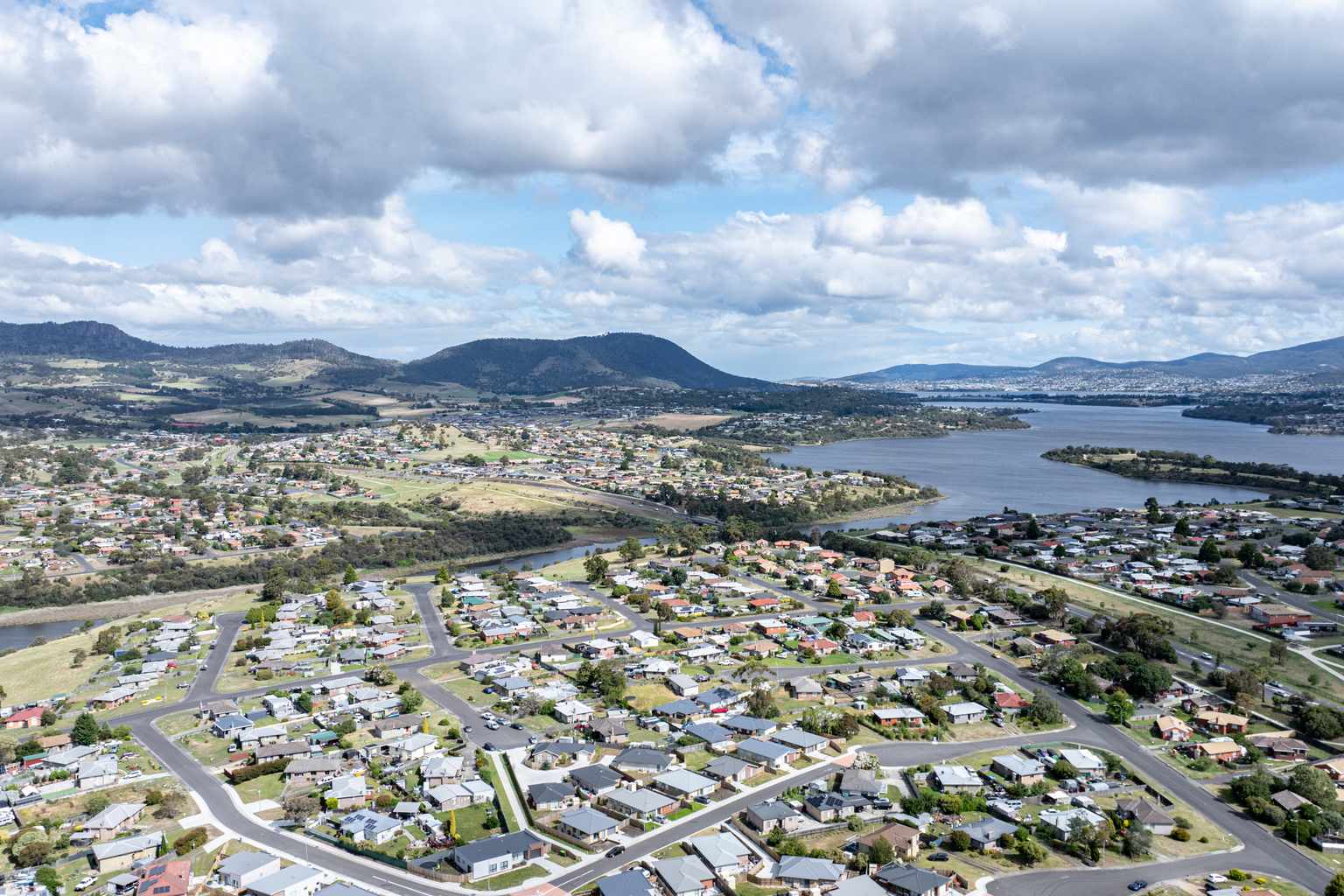
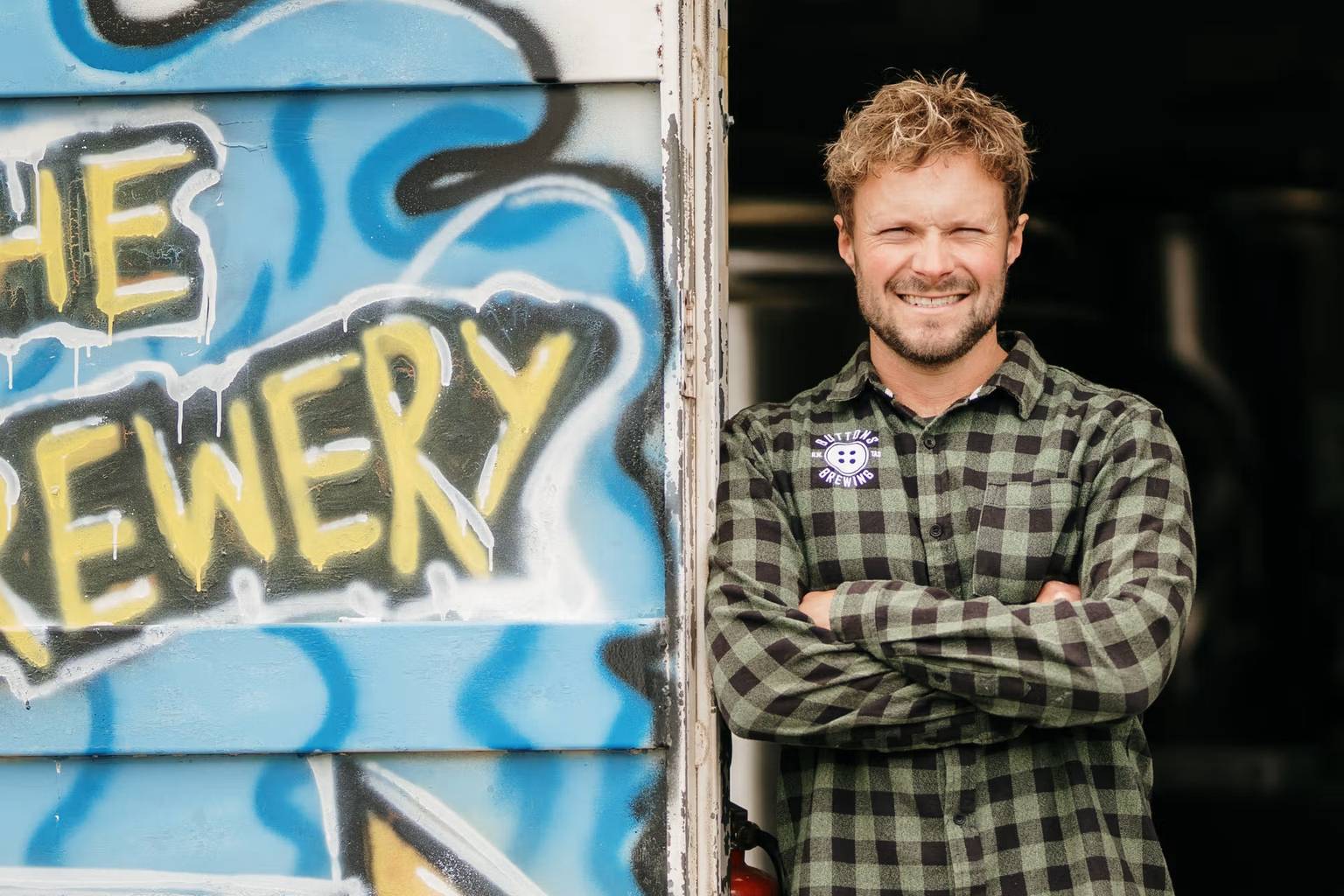
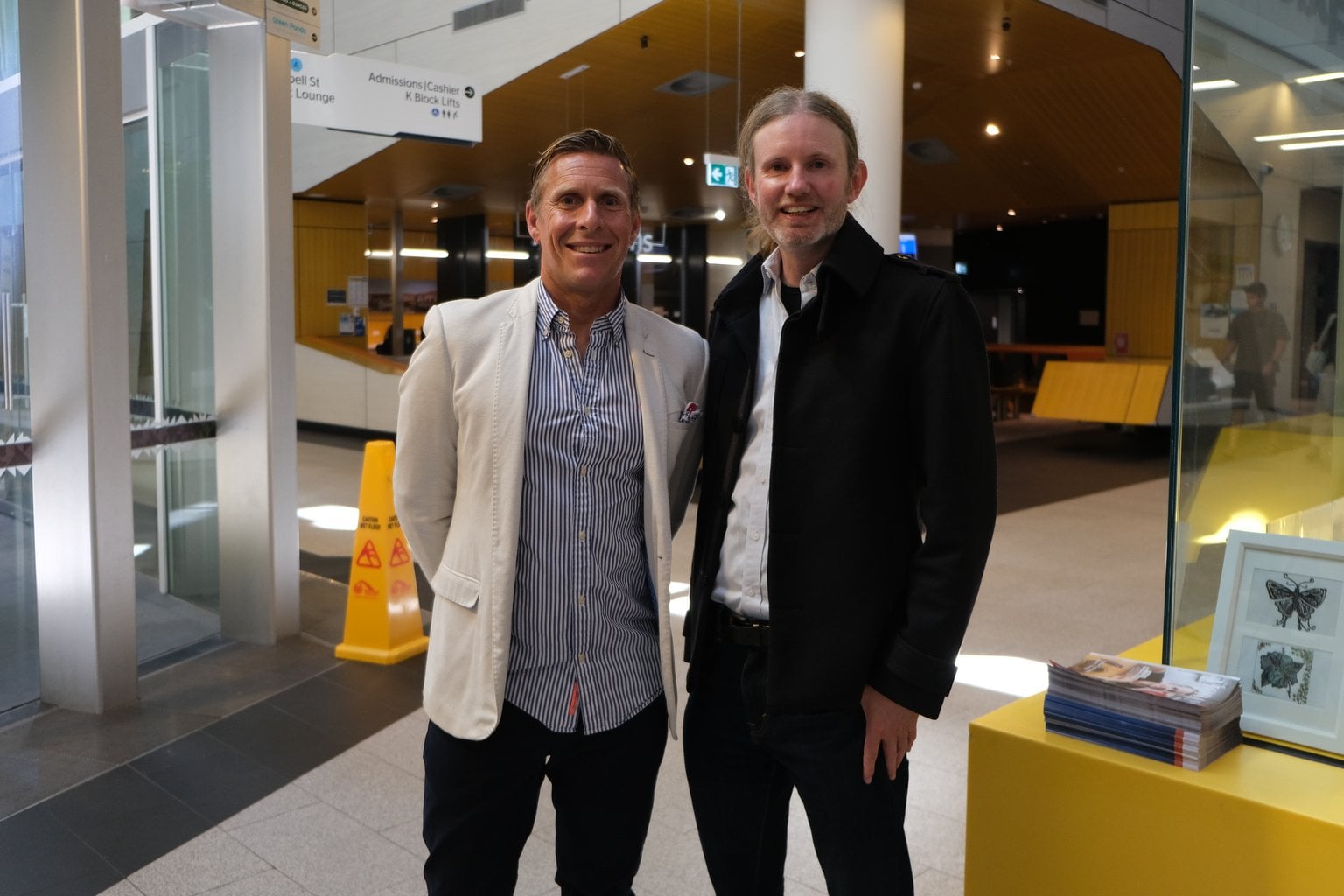
A Tasmanian tourism entrepreneur who has spent a lifetime exploring the waters south of Hobart is bankrolling a major scientific study into the health of the reefs he grew up diving.
Robert Pennicott, founder of Pennicott Wilderness Journeys, has committed $899,000 through his foundation to support five years of intensive reef monitoring in the D’Entrecasteaux Channel.
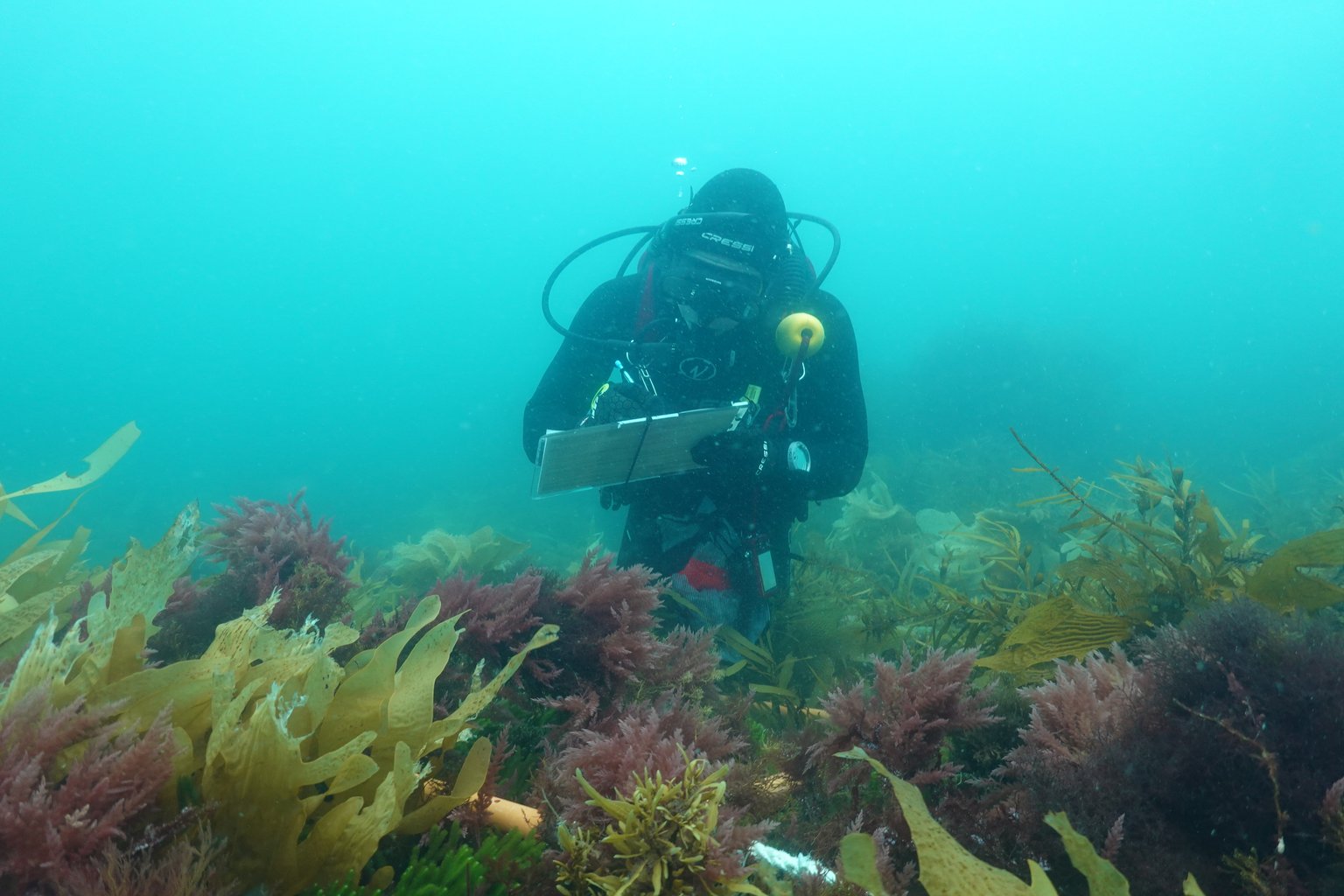
Scientists from the University of Tasmania’s Institute for Marine and Antarctic Studies (IMAS) will use the funding to examine both natural and human-driven pressures on the waterway’s marine ecosystems.
Pennicott, who grew up in Tinderbox and launched Bruny Island Cruises in 1999, said he had seen “significant changes” in the channel over decades of swimming, diving and recreational fishing.
“Understanding the drivers behind these changes will help us protect this special waterway for future generations,” he said.
“Every cent donated to the foundation goes towards outcomes that make a real difference and we believe this important IMAS program will deliver great benefits to the community and the environment.”
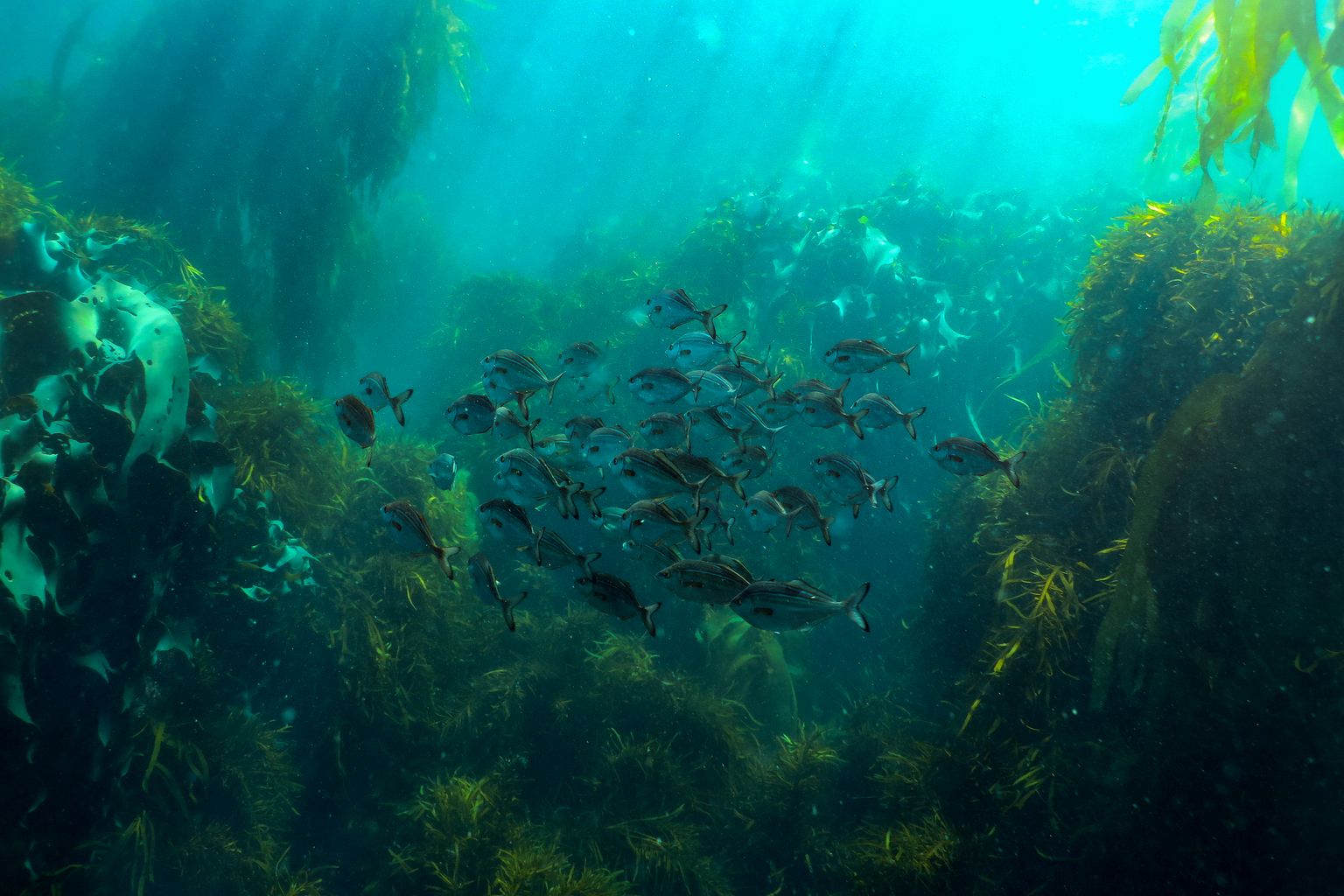
Project leader Dr Camille White said the funding would allow researchers to monitor the entire channel consistently across seasons and over multiple years.
“The generous and important support from the Pennicott Foundation makes it possible for us to monitor and assess the whole of the channel and make the information we gather available to everyone,” she said.
The research will pair long-term datasets with new high-resolution monitoring tools to build a clearer understanding of how climate change and human activity are transforming local marine habitats.
All findings will be made publicly available through reports, videos and Tasmania’s Marine Atlas.
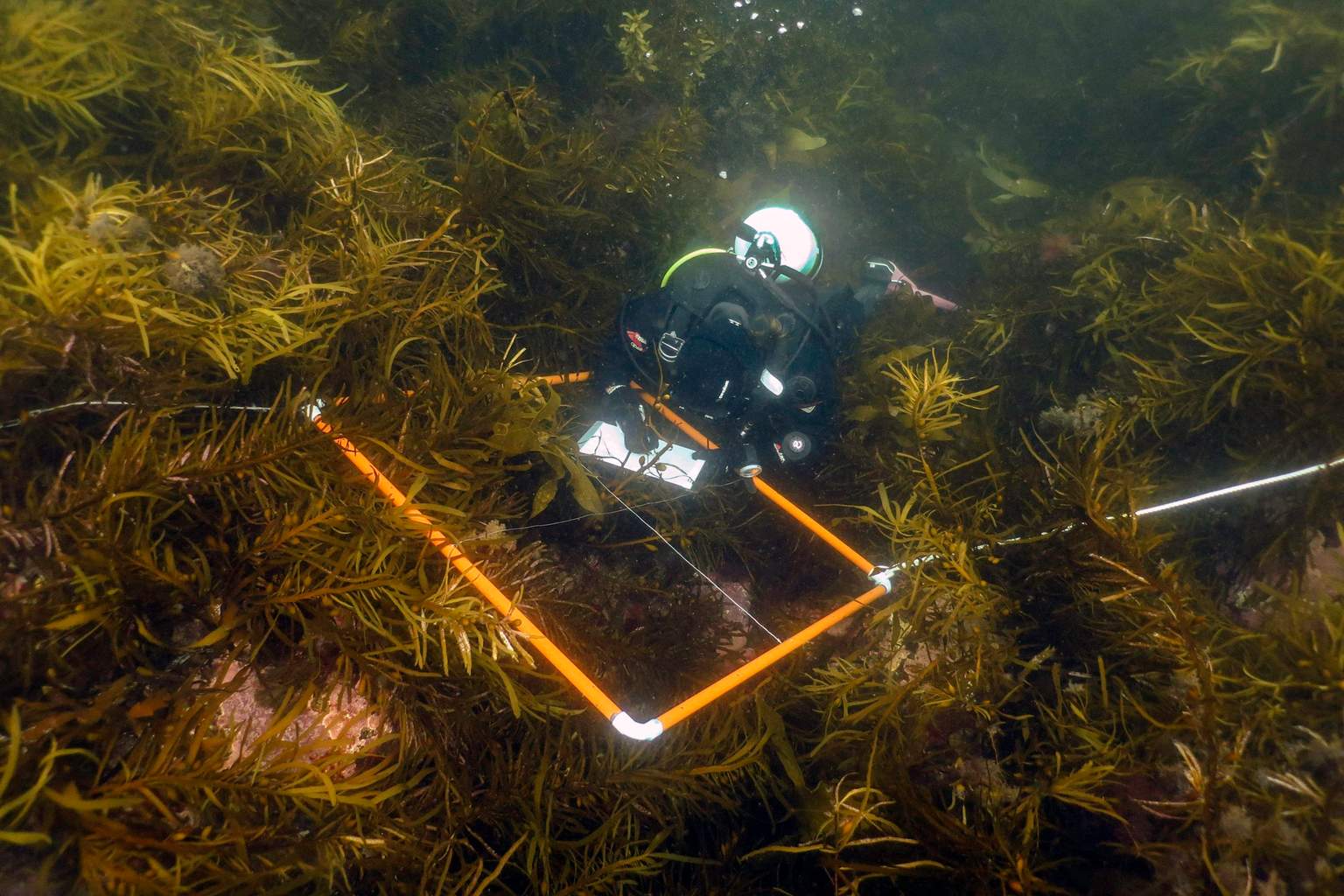
Dr White said transparency was central to the program.
“This will ensure the community and stakeholders know what we’re doing and what we’re finding in the channel,” she said.
“By combining long-term datasets with new high-resolution monitoring techniques, we will build a clearer picture of reef health and the pressures shaping these ecosystems.”