The cost of Tasmania’s long-promised common ticketing system for public transport has ballooned to $65 million, nearly ten times the original estimate.
Independent MP David O’Byrne questioned Transport Minister Kerry Vincent in parliament about the project, which was first announced in 2018 with a $7 million price tag and a promised rollout by 2019–20.
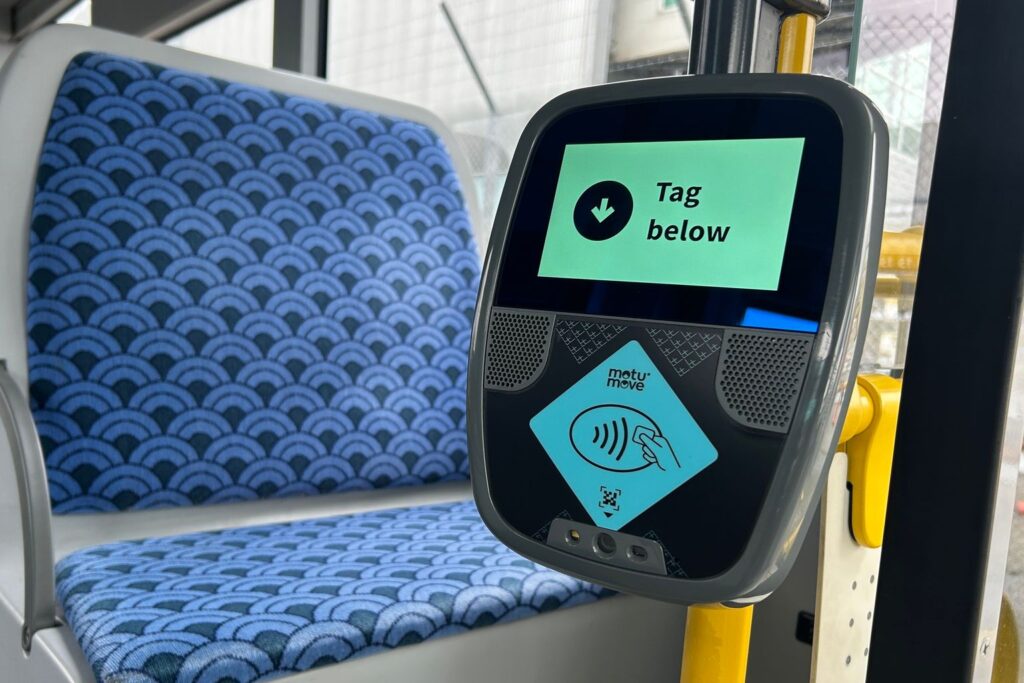
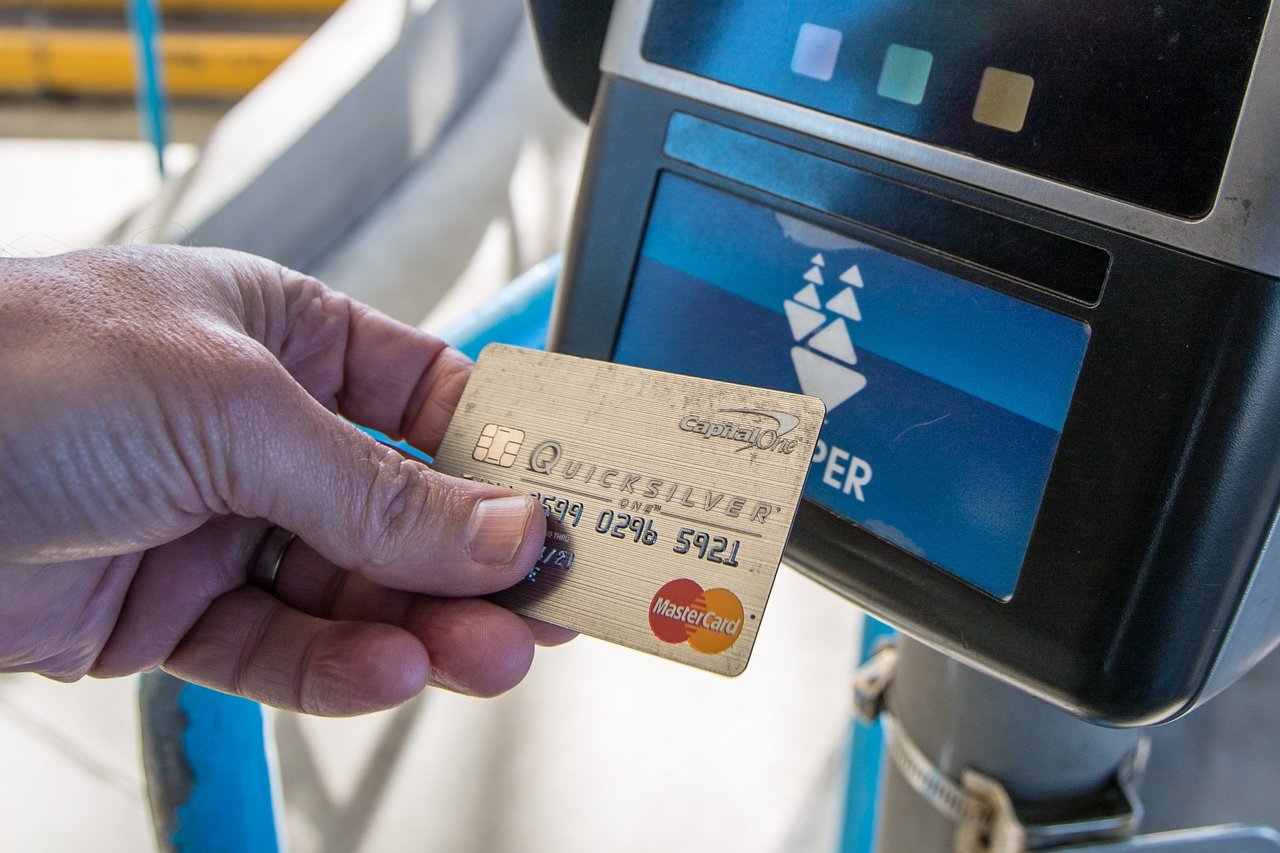
It would allow commuters to pay their fares by credit card, contactless phone technology or other compatible smart devices.
“The most recent public estimate for this project was made during GBE hearings last year when your predecessor, Minister Abetz, said the project would cost $35 million,” O’Byrne said.
“However, the Department of State Growth annual report released last week shows the government has awarded a $65 million tender to Cubic Transportation for common ticketing under a direct sourcing process.”
Vincent, who recently took over the transport portfolio, acknowledged there had been major challenges with the project but could not confirm the $65 million figure.
“Common ticketing is something that we have been committed to for some time and, to say the least, it is proving quite difficult to bring out of Queensland at the moment,” he said.
“I would have to confirm some of the pricing around it and nothing that has come across my desk as yet has confirmed to set price on the system.”
He blamed delays on implementation problems in Queensland, where Cubic Transportation is based, saying the government was “learning from another state’s mistakes”.
“We have been corresponding substantially with Cubic in Queensland, backwards and forwards, because of the difficulty in them introducing the full suite of what we wish to do here in Tasmania throughout Queensland,” Vincent said.
A state government spokesperson said $30.5 million of the contract, including GST, is allocated to designing and building the ticketing solution and operating it until June 2028.
A further $37.3 million, including GST, is allocated for optional contract extensions to operate the system beyond June 2028.
The project has been re-announced several times since 2018, with costs rising from $7 million to $7.5 million in 2019, then $31.5 million before the 2021 election and $35 million last year.
River Derwent ferry services are currently trialling the ticketing system to ensure sure it works properly before a wider rollout.