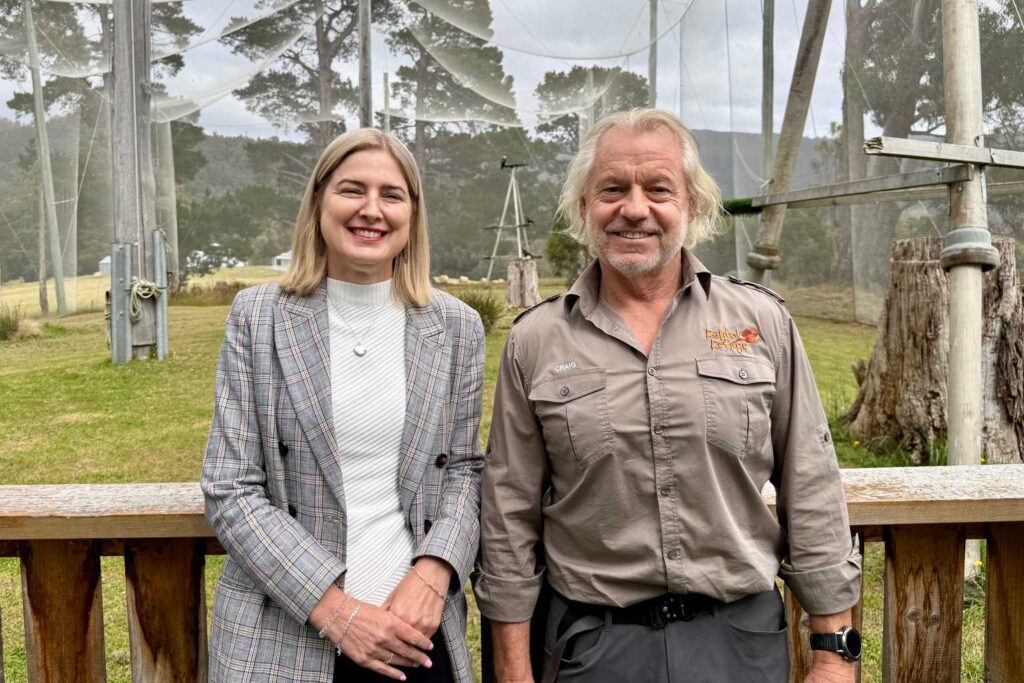
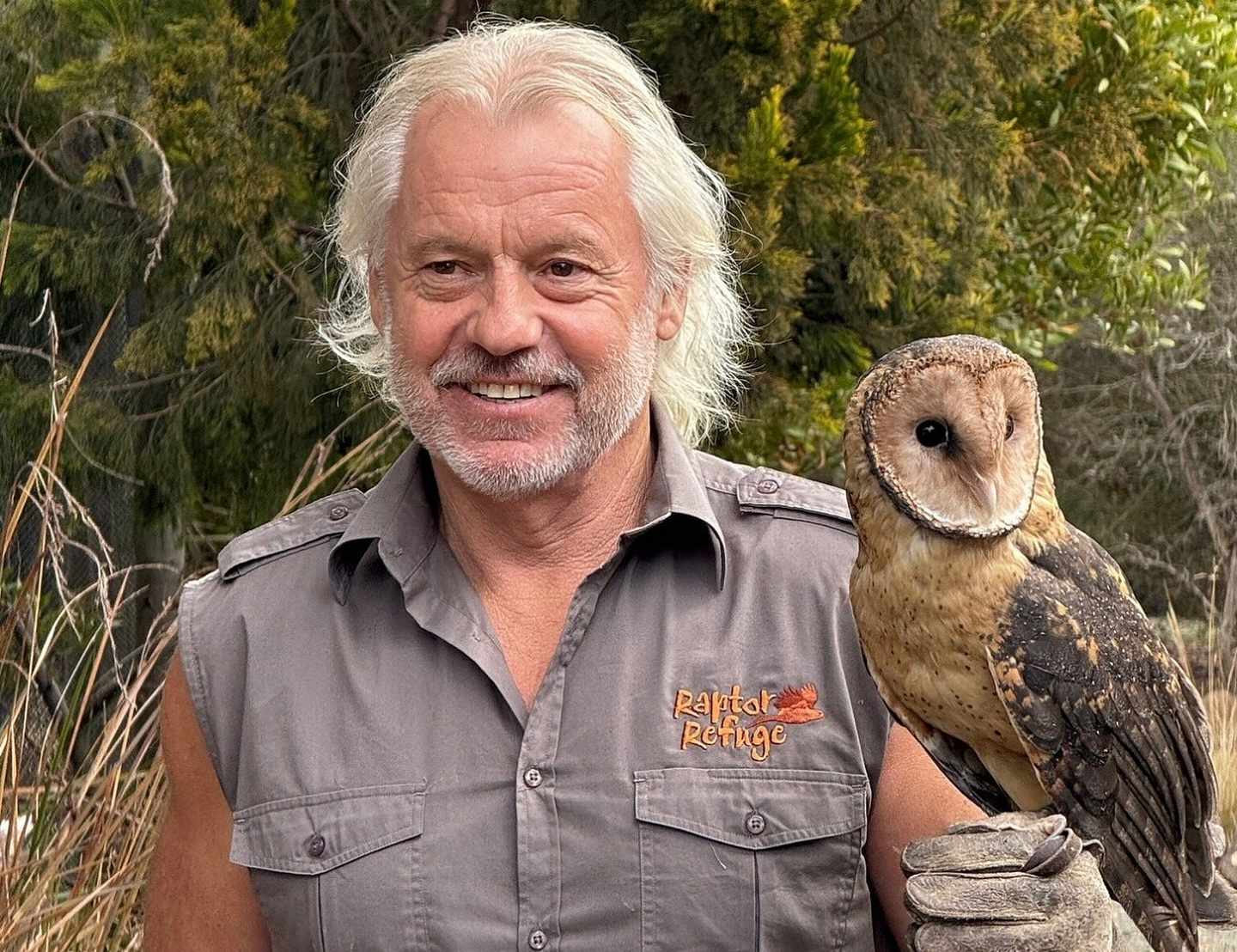
Craig Webb has spent years nursing injured wedge-tailed eagles and masked owls back to health at Raptor Refuge in southern Tasmania.
Now he’s preparing for a threat that could put everything at risk.
The founder of the Kettering-based wildlife facility is using a $117,000 federal grant to prepare for the arrival of H5 bird flu in Australia.
“It’s a complex situation and clearly quite a scary issue that’s been knocking on our doorstep in Tasmania,” Webb said.
The funding will go towards netting aviaries to keep out wild bird droppings, developing a quarantine plan and purchasing an x-ray machine so sick birds no longer need to travel to the city for treatment.
“We’re minimising all the risks we can,” he said.
Webb currently cares for about 50 birds, including a dozen wedge-tailed eagles and 16 masked owls – both threatened species unique to Tasmania.
Asked what impact bird flu could have on Australian wildlife, Webb was blunt. “Death,” he said.
“It’s a nasty thing. You’ve just got to Google what’s going on in the rest of the world, and it’s not just birds.”
Federal Agriculture Minister Julie Collins visited the refuge on Thursday to announce more than $500,000 in funding for four Tasmanian wildlife facilities.
The investment is part of a $5 million national program supporting zoos and aquariums to protect vulnerable species, including East Coast Natureworld, Devils@Cradle and Tasmania Zoo.
Collins said Australia remains free of the H5 strain, but warned it was only a matter of time before migratory birds brought it here.
“We’re not going to be able to stop it forever,” she said.
Experts believe spring is the most likely arrival window, though the virus could appear at any time and go undetected at first.
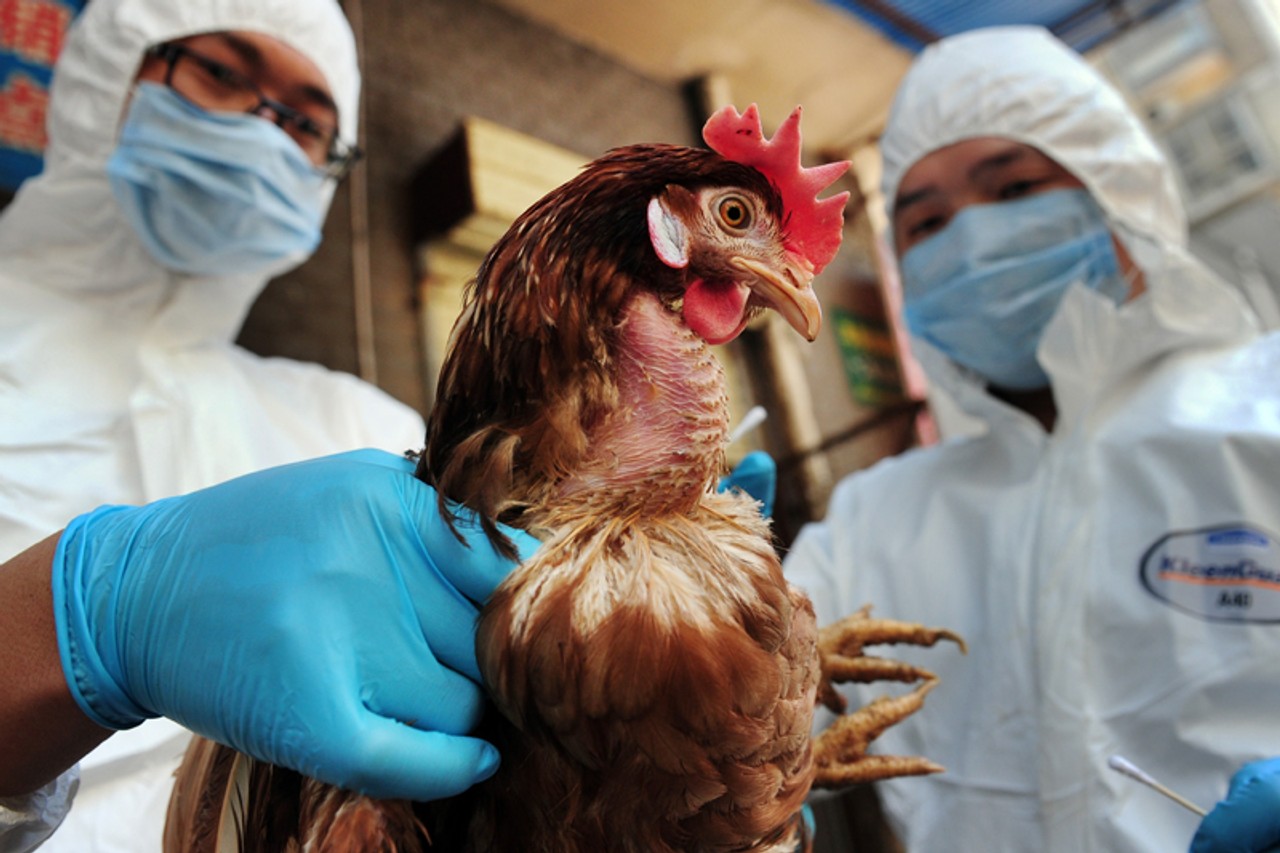
Collins urged anyone who spots large groups of dead birds to report them at birdflu.gov.au and avoid touching them.
Overseas, the virus has caused mass deaths in birds and some mammals, with countries spending billions managing outbreaks.
Webb said he was grateful for the support.
“I’m just happy to have some support here so we can do the best we can and be prepared for it,” he said.