Tasmania’s parole board will face an independent review after it relied on fake case law generated by artificial intelligence to justify a parole condition imposed on convicted murderer Susan Neill-Fraser.
Attorney-General Guy Barnett said today the Department of Justice would establish the review into the board’s professional standards.
The move follows a Supreme Court ruling this week that quashed a condition preventing Neill-Fraser from speaking to the media about her claimed innocence.
Justice Stephen Estcourt found the condition was invalid because it denied her procedural fairness, was legally unreasonable and created uncertainty.
He also found the board had relied on a document citing fictitious case law that was likely the result of “AI hallucinations”.
The board later conceded its secretary had used AI to prepare the document.
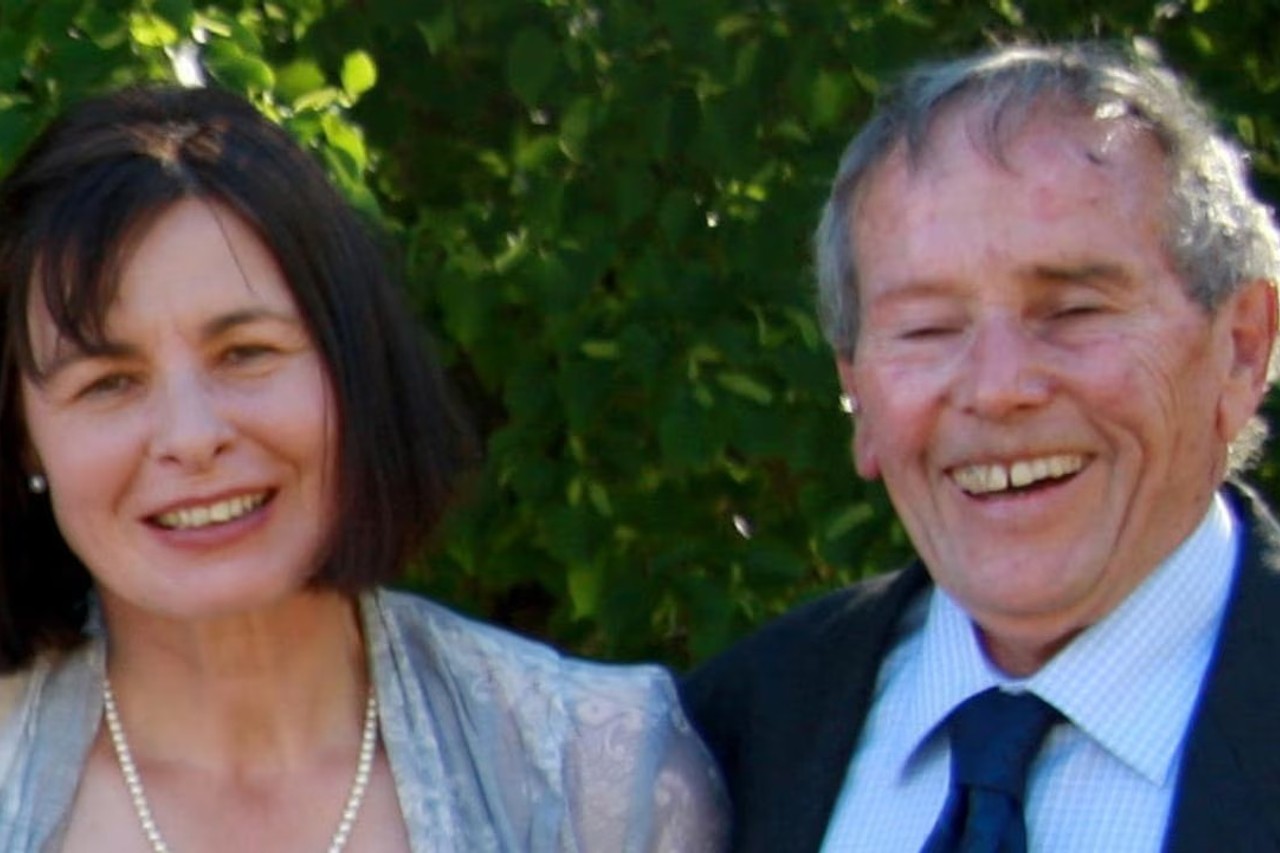
Neill-Fraser served 13 years in jail for the 2009 murder of her partner Bob Chappell aboard their yacht in Hobart. She was released on parole in 2022.
Speaking outside court, Neill-Fraser said she was “pleased and relieved” the condition had been quashed.
“As you will be aware, I have always maintained my innocence and I am continuing in the quest to clear my name and advocate for the broader issue of wrongful convictions in Australia. I cannot walk away from this,” she said.
“I’m going to take some time now to consider what my next steps will be.”
Barnett said the board was an independent statutory authority and he had sought an explanation directly from it.
He has also asked the secretary of the Department of Justice to remind staff to comply with the government’s AI use policy.
The Greens have called for all past board decisions to be reviewed.
Greens MP and corrections spokesperson Cecily Rosol said an investigation was needed to ensure the use of AI had not already affected Tasmanians’ right to fair decisions.
Barnett said details of the investigator and the review’s terms of reference would be released once finalised.