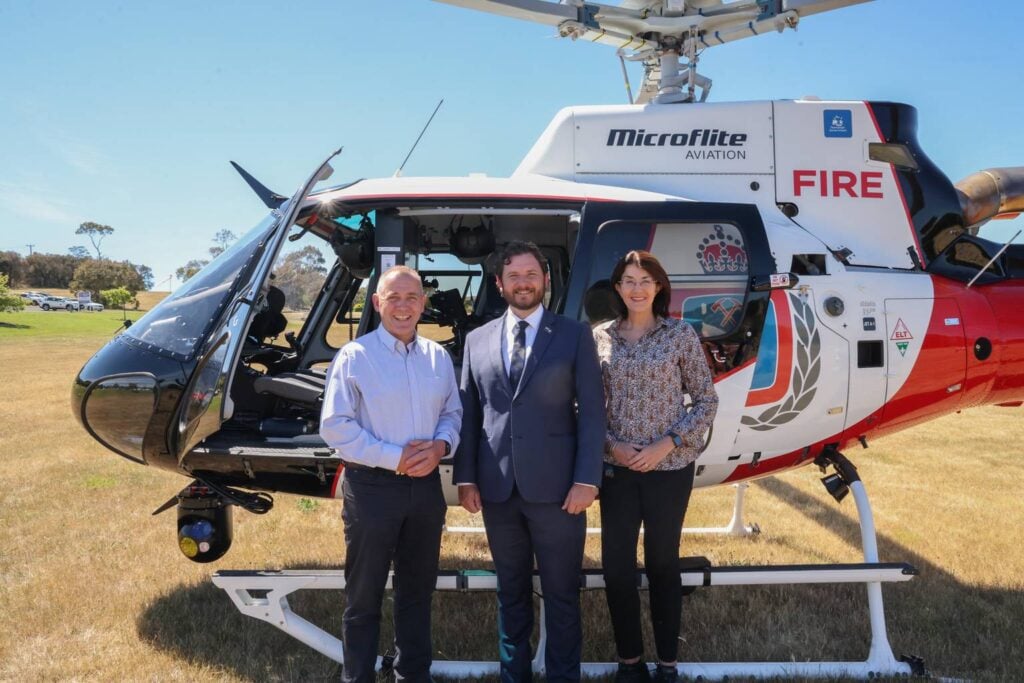
Tasmania’s full aerial firefighting fleet is now operational, with 15 aircraft ready to respond to bushfires within 15 minutes as conditions dry out across the state.
Six firebombing planes arrived on Monday to join eight helicopters and a surveillance aircraft already deployed since mid-December.
Minister Felix Ellis said aircraft were playing an increasingly important role in Tasmania’s firefighting efforts.
“With our rapid wave attack focus, it’s about making sure that we can knock down the bushfires as quickly as we can, both with air capability and on the ground,” he said.
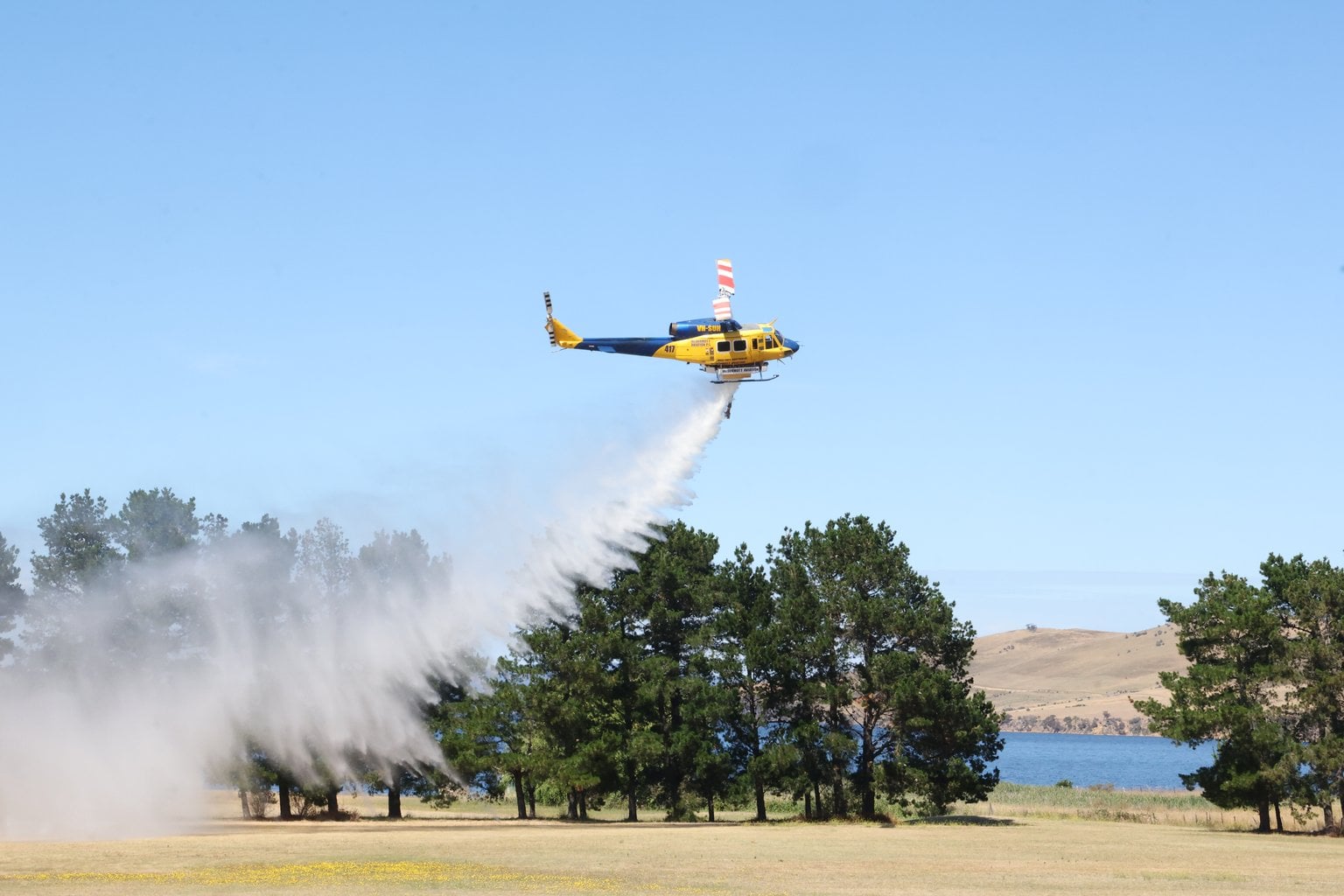
Tasmania Fire Service Deputy Chief Officer Matt Lowe said all aircraft were now based at Cambridge and Launceston airports, ready to tackle fires across the state.
“Aerial firefighting is a critical tool but it’s not the only tool we utilise and aircraft do not extinguish fires,” he said.
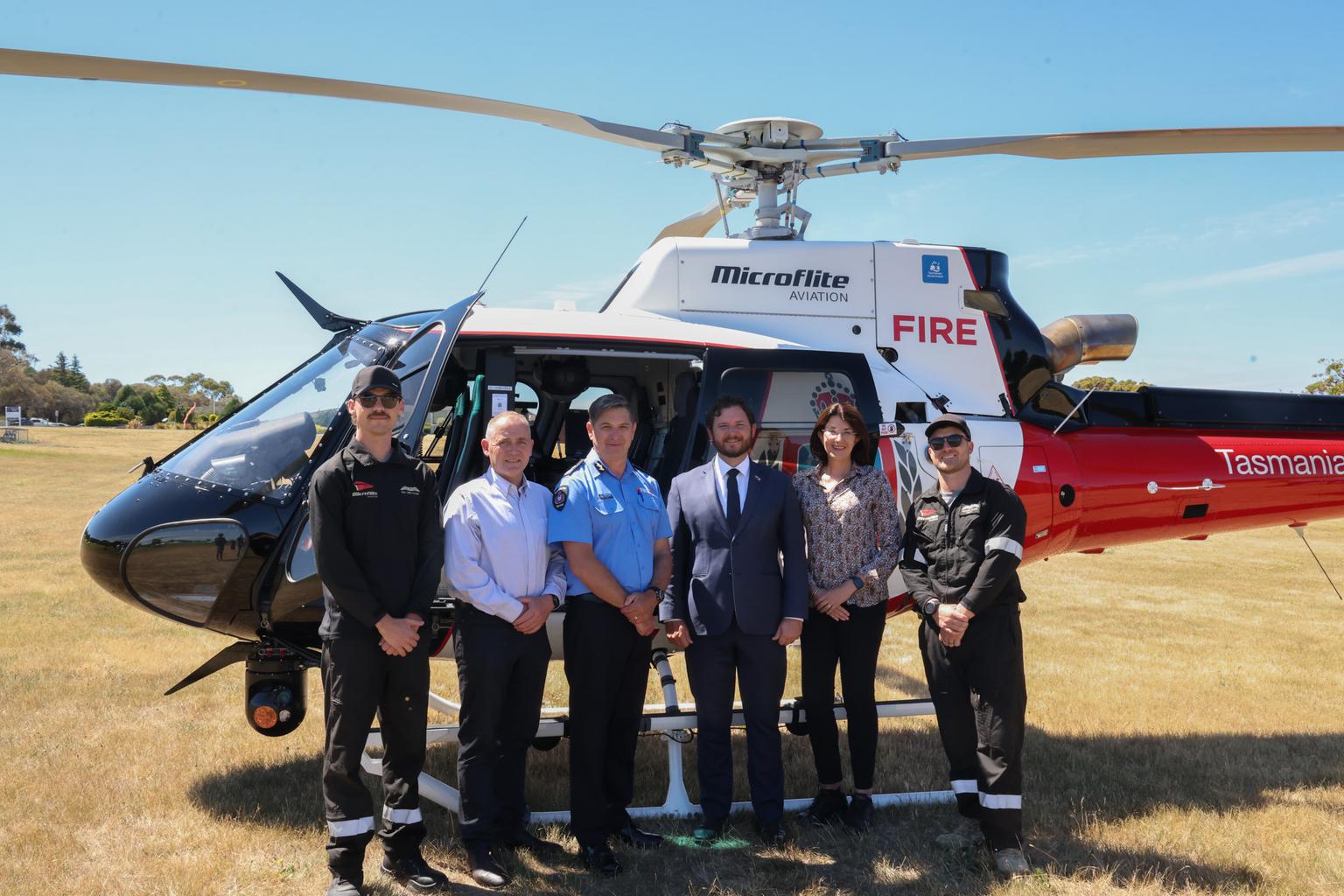
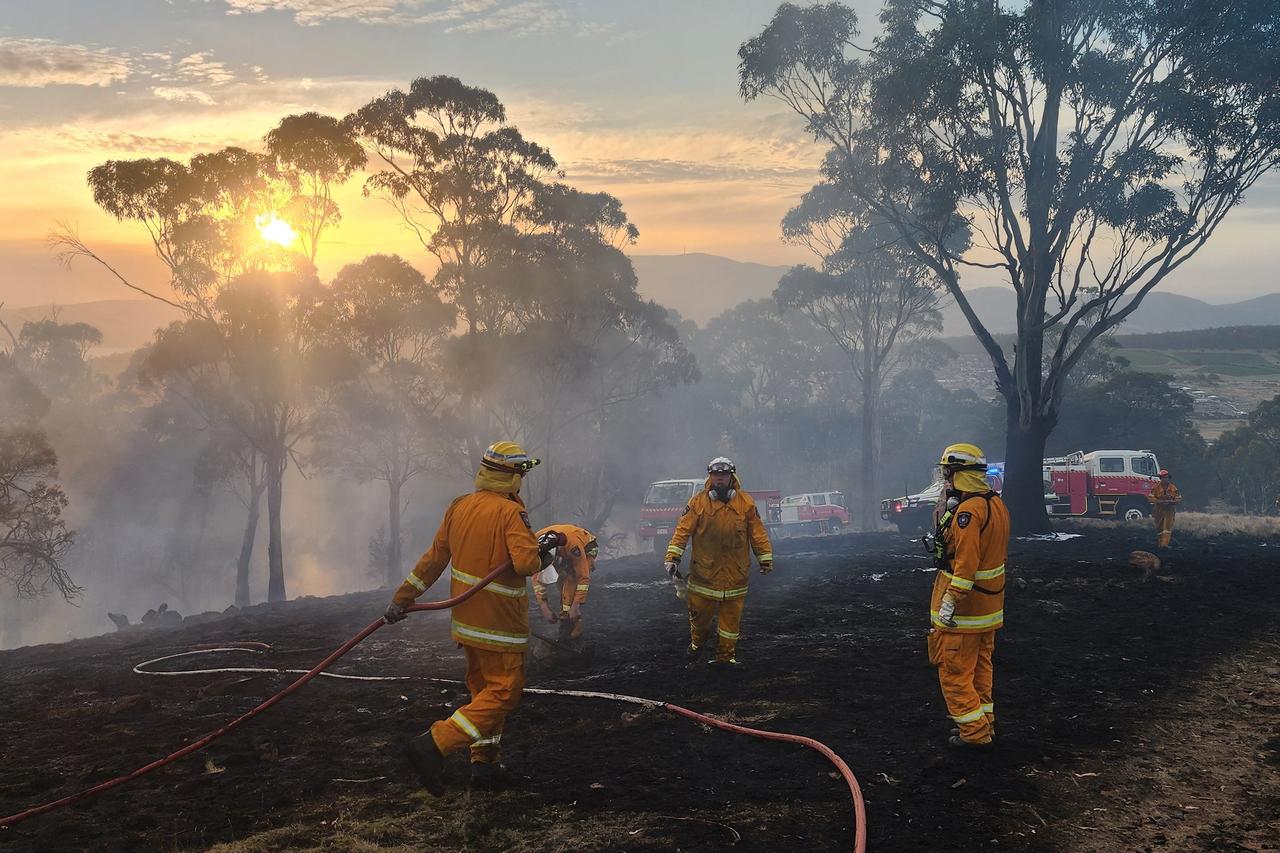
“We still rely on ground crews. What the aircraft allows us to do is hold fires, buy us time until we can get those crews on and also protect assets until those crews arrive.”
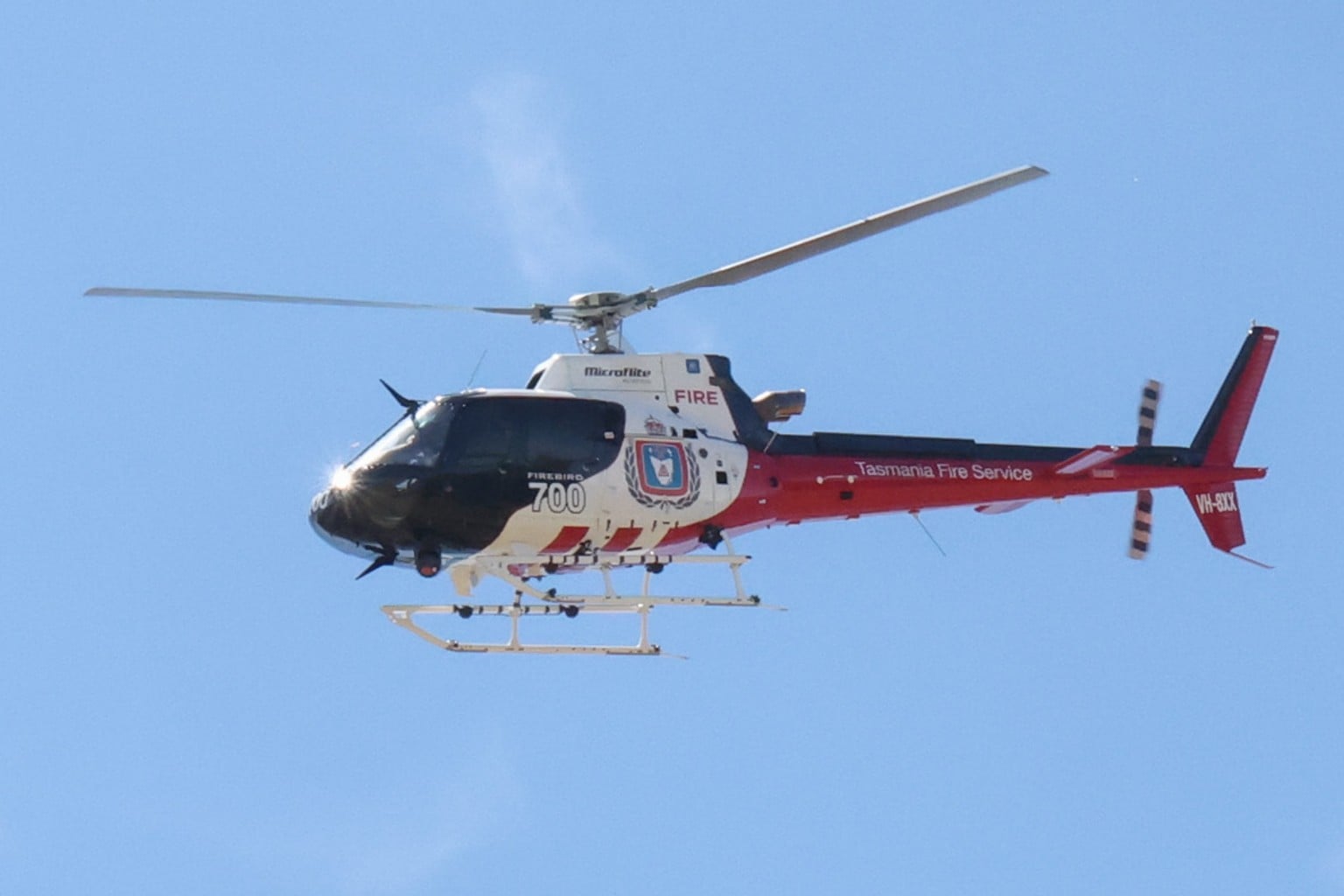
The fleet includes firebombing helicopters, amphibious planes capable of scooping water from the River Derwent, and a brand-new intelligence-gathering aircraft.
Conditions are expected to worsen through February and March, with the east coast already drying out faster than other parts of the state.
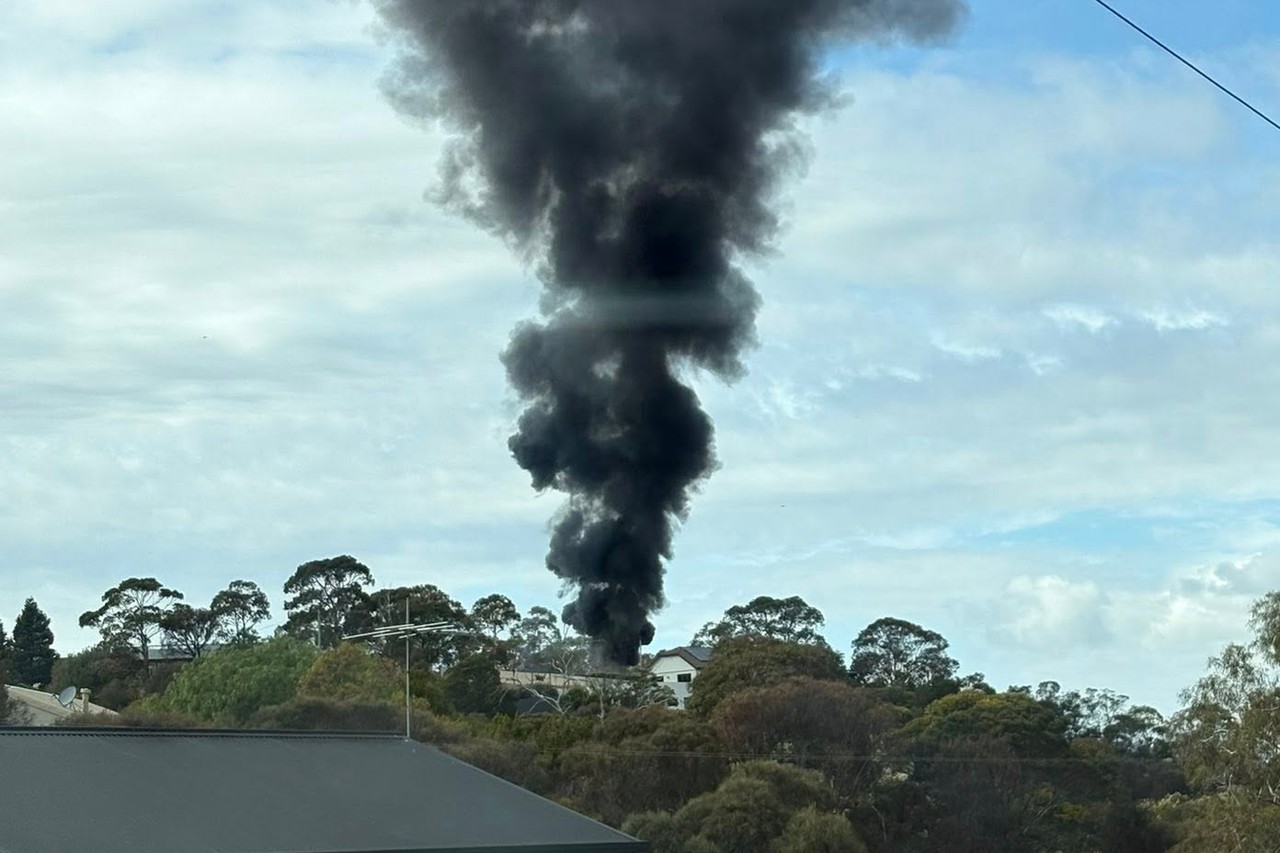
Lowe said while the forecast was for a normal fire season, recent fires at Dolphin Sands and Nugent showed conditions could still have significant community impacts.
Aircraft were on standby during the Dolphin Sands fire but could not fly due to dangerous conditions, he said.
Parks and Wildlife Service fire operations manager Richard Dakin said campfire bans were now in place on the north and east coasts.
“Lightning is one of our biggest concerns in parks tenure fires,” he said.
Sustainable Timber Tasmania has 40 firefighters on standby through its fire roster, along with detection cameras operating around the clock.
Ellis urged Tasmanians to do their part by preparing bushfire plans and downloading the Tas Alert app.
“Tasmania is one of the most bushfire prone places on earth,” he said.
“We’ve all got a role – government, community and individuals – to make sure that we’re keeping summer safer.”