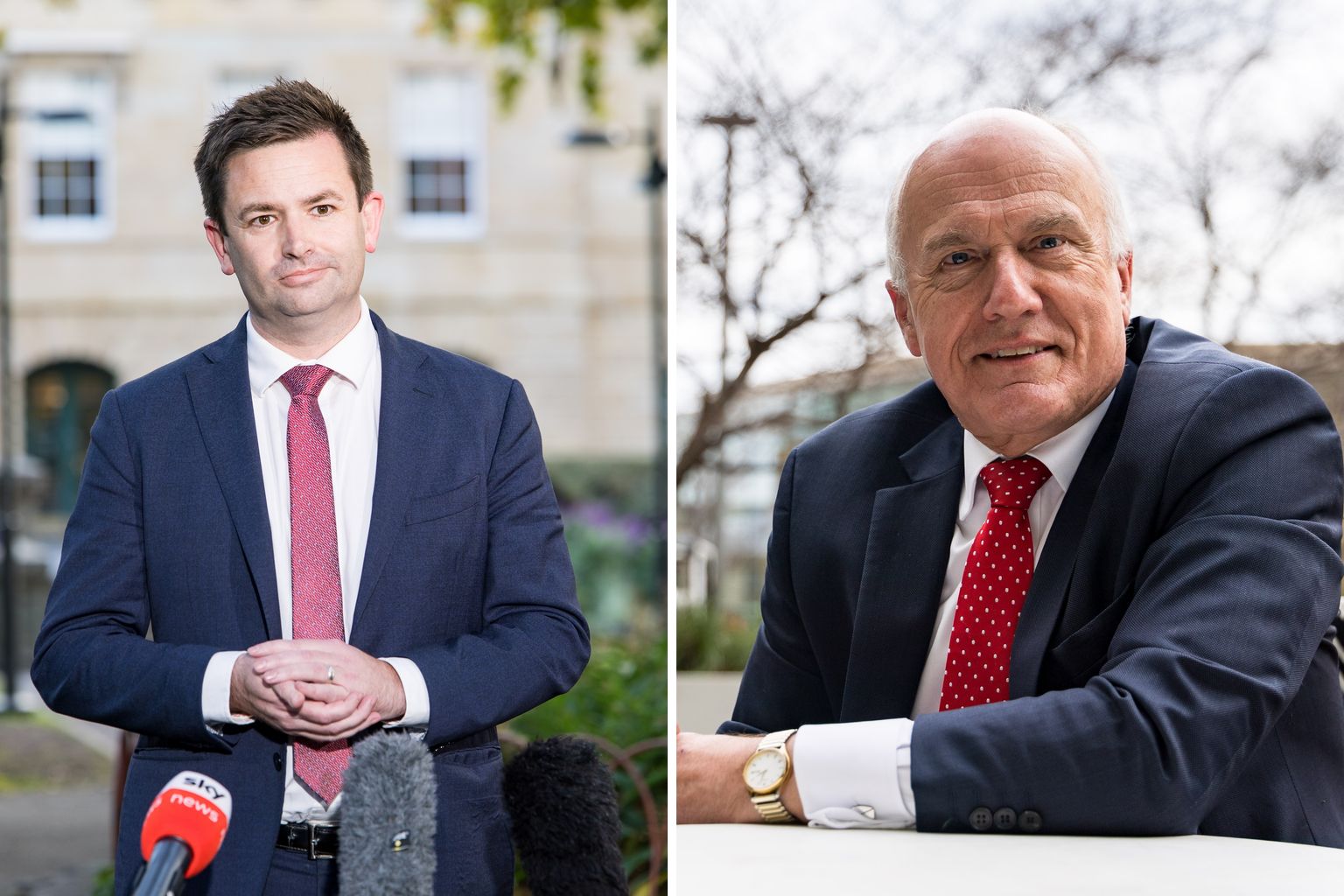
Tasmania’s treasurer and shadow treasurer have clashed over who is to blame for the state’s GST predicament after Prime Minister Anthony Albanese recommitted to Western Australia’s lucrative funding deal.
Albanese promised on Monday not to change the 2018 arrangements that boosted Western Australia’s share of the GST, despite a Productivity Commission report recommending the deal be scrapped.
Treasurer Eric Abetz warned Tasmania faced a potential 15% annual reduction in GST revenue unless the pre-2018 system was restored.
He said that would be equivalent to a loss of up to $530 million based on 2024-25 figures – a sum approaching what the state spends running its hospitals each year.
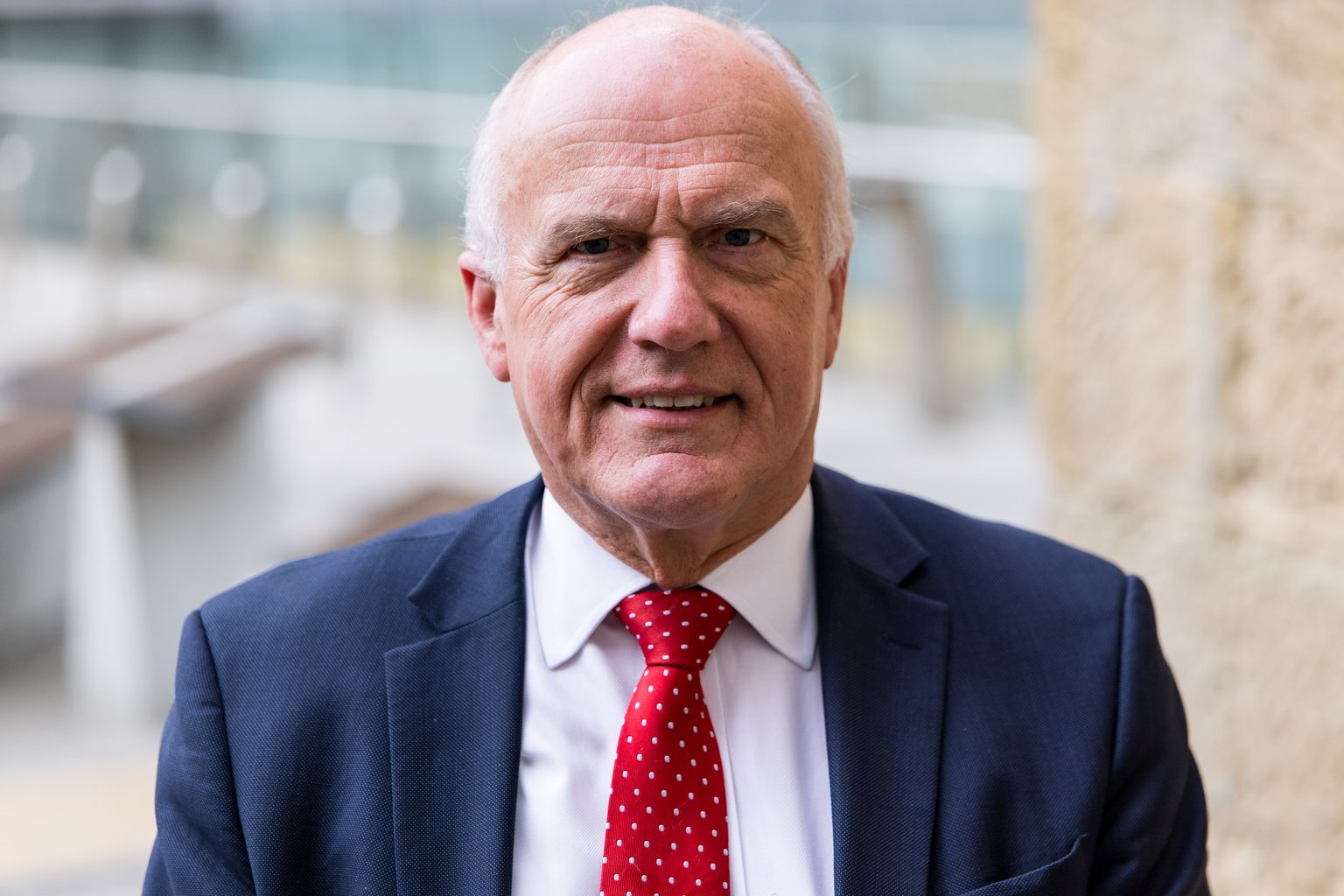
“Australia was built on a simple concept,” Abetz said. “A fair go.”
“The prime minister has told the nation that doesn’t exist anymore. Western Australia has been told it can keep its lucrative and disproportionate deal.”

Abetz said Tasmania would continue to fight for the restoration of full horizontal fiscal equalisation alongside most other states and territories.
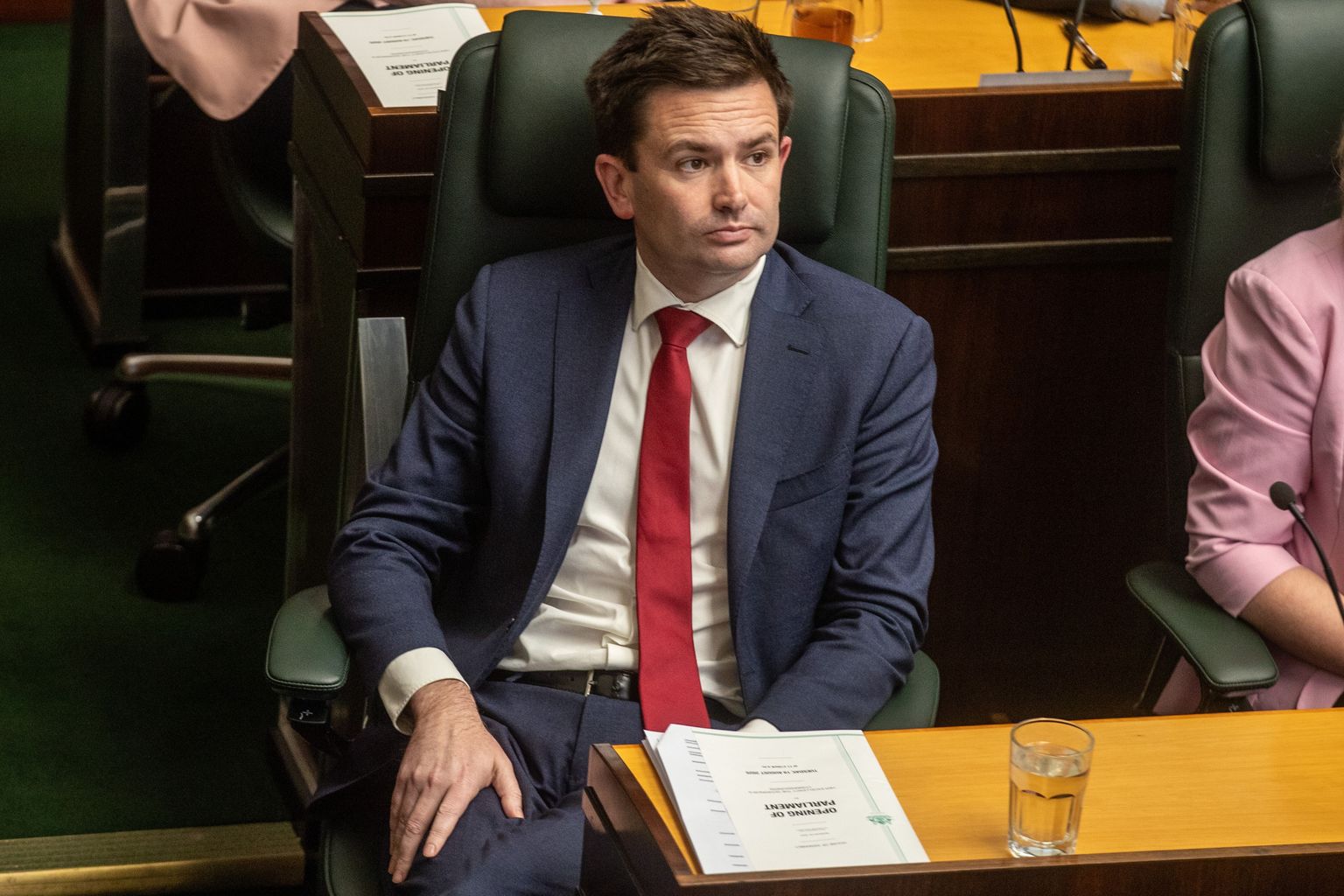
Labor MP and shadow treasurer Dean Winter hit back, saying the Tasmanian Liberals created the problem by backing the deal under former prime minister Scott Morrison.
“Eric Abetz can complain today, but the fact is the Tasmanian Liberals sold Tasmania out when they backed Scott Morrison’s deal in the first place,” Winter said.
“They told Tasmanians the changes would leave us better off and attacked Labor for opposing them.”
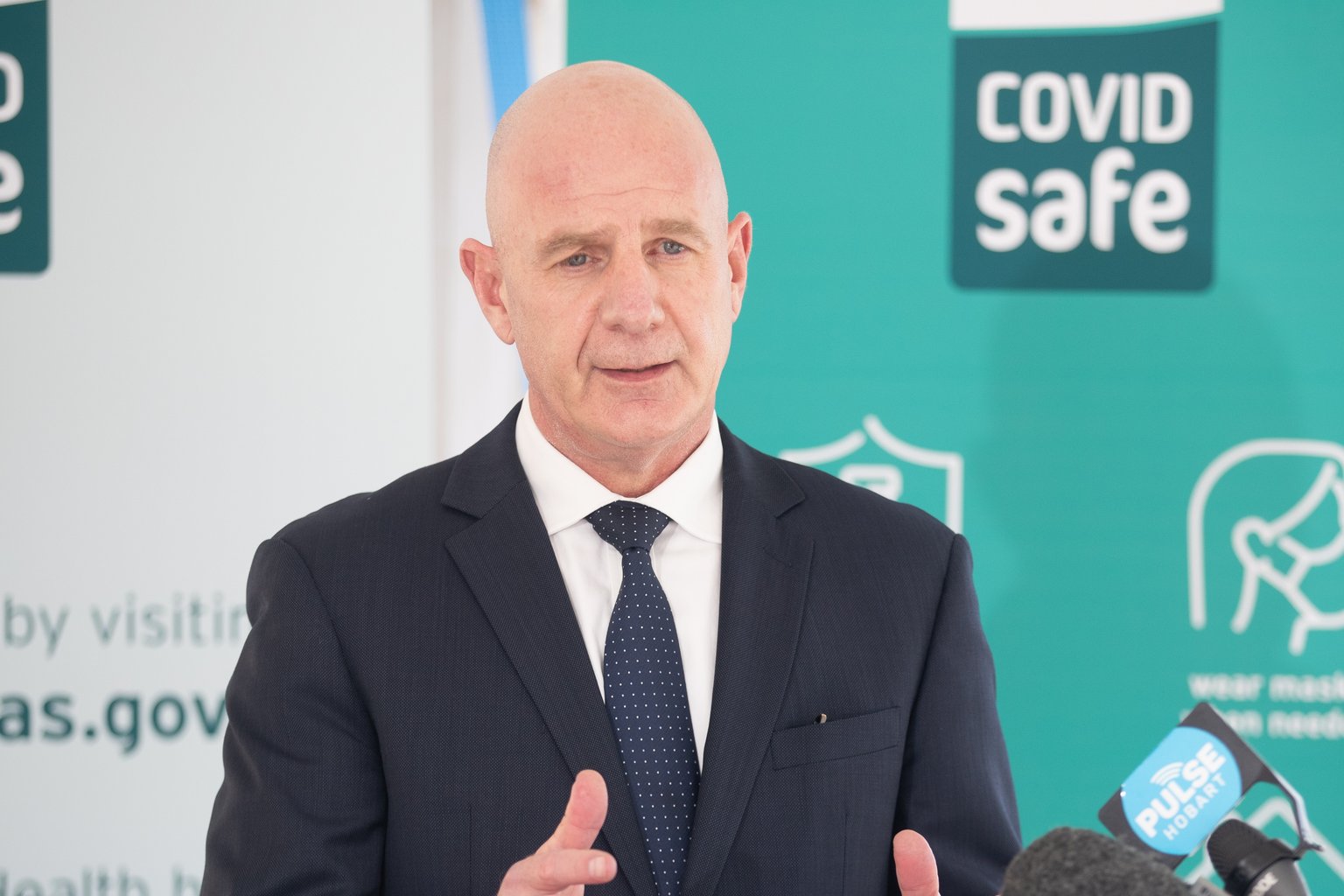
Then-treasurer Peter Gutwein said in 2018 the changes would leave Tasmania $112 million better off, based on top-up payments spread over six years.
Successive Liberal treasurers have since campaigned to reverse the changes, beginning in 2021.
Winter said GST made up 40 cents of every dollar the state government received and pointed to record deficits, rising net debt and Tasmania’s credit rating downgrade.
“Why should a child in Western Australia get access to a better education or better hospital care simply because Scott Morrison designed a special GST deal for one state?” he said.
Federal Labor also supported the 2018 legislation when it passed parliament.
The Productivity Commission’s interim report found the reforms cost taxpayers almost $23 billion to 2024-25, more than four times the amount originally projected.
In 2024-25, Western Australia received 113% of its assessed needs through the GST, compared with 98% for all other states.
Submissions on the interim report close on September 30, with the final report due to the government by the end of the year.

The dispute now heads to national cabinet on Wednesday, where Albanese will meet state and territory leaders as premiers from both sides of politics push for the carve-up to change.