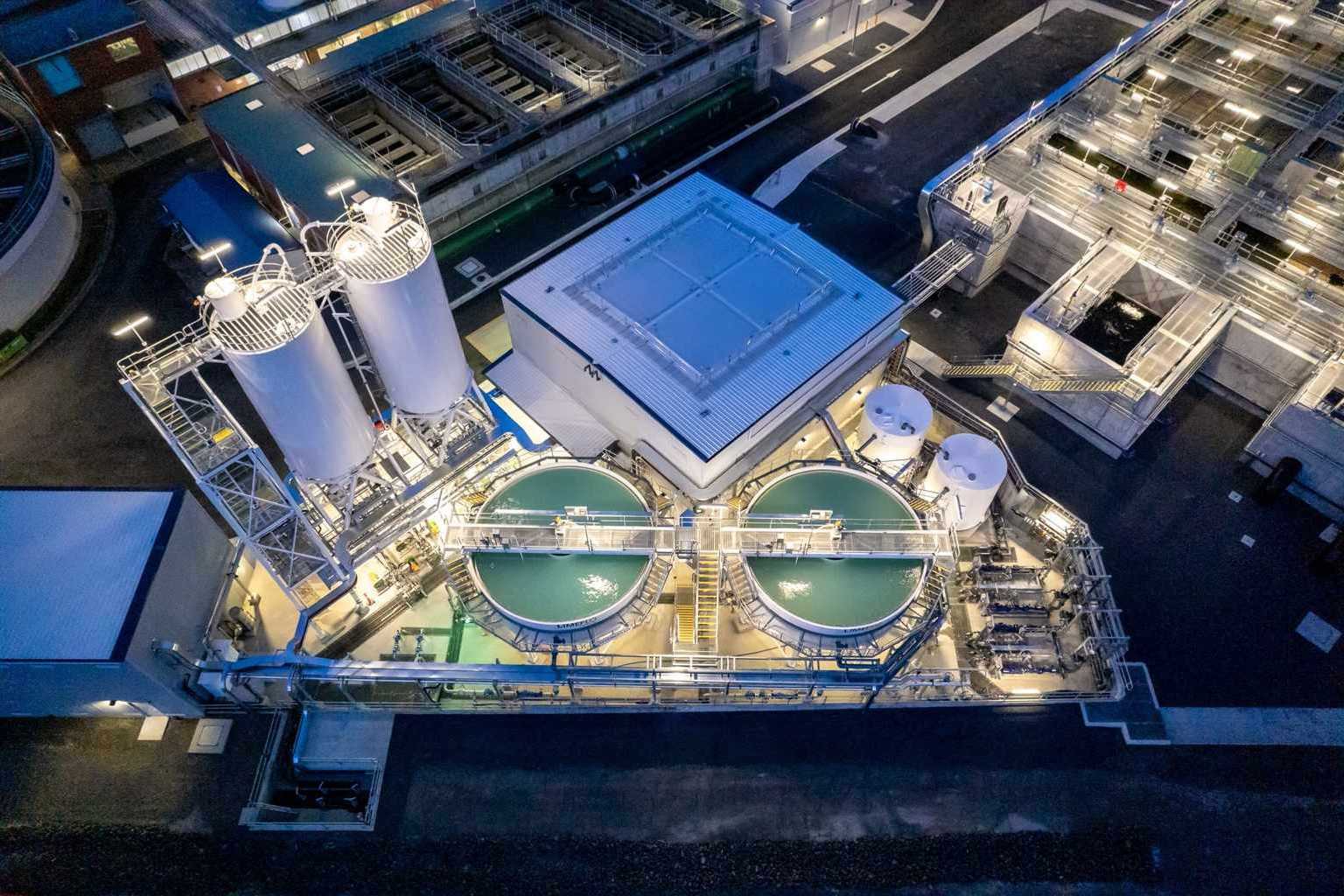
TasWater has deferred about $500 million in capital works after the economic regulator knocked back the price rise it sought, including cutting growth-related investment by nearly two thirds.
General Manager Customer and Community Callan Paske said growth investment had fallen from $98.2 million to $35.5 million over the four years to 2030, at a time when the state is trying to build more homes.
“The Regulator’s decision has reduced the revenue available to fund infrastructure investment, resulting in approximately $500 million in capital works being deferred over the four-year regulatory period,” Paske said.
The Tasmanian Economic Regulator rejected TasWater’s proposal for increases of about 40% over four years in May, approving 5.7% a year from July instead.
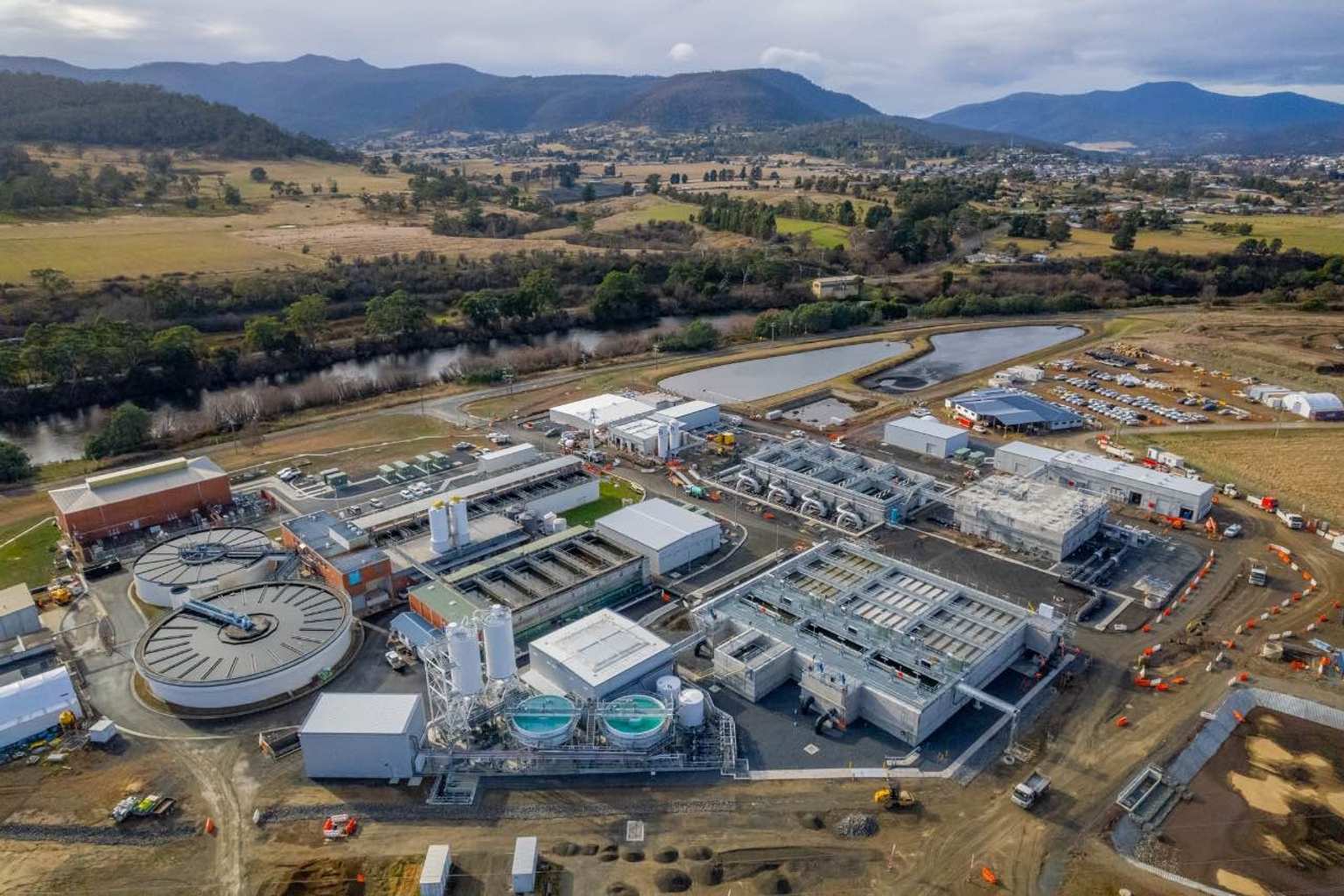
Paske said TasWater would still invest about $1.2 billion renewing and upgrading critical water and sewerage infrastructure over the period.
“TasWater does not set its own prices,” he said.
“Prices and service standards are independently regulated by the Tasmanian Economic Regulator.”
Paske said the utility had to balance affordability with maintaining ageing infrastructure, meeting environmental obligations and supporting population growth.
Dividends to shareholder councils are forecast at $24 million next financial year, down from $26 million this year.
They are expected to fall to $20 million a year over the following four years.
Paske said that reflected the reduced revenue available following the regulator’s determination.
“Dividends paid to council are reinvested in communities, supporting infrastructure new homes need,” he said.
From October 1, fixed water and sewerage charges of about $900 a lot a year will apply to newly created titles, ending a remission in place since 2013.
Paske said TasWater had forgone about $8.5 million in revenue under the remission, money that could otherwise have been invested in renewing ageing infrastructure.
He said it was removed to ensure service charges were applied consistently and transparently across all customers.
“At a time when significant investment is needed to support new housing with essential water and sewerage infrastructure, these service charges represent an important source of revenue to help fund that growth,” Paske said.
He said the number of lots subject to the charges would depend on the volume of development applications received and approved.
Housing Industry Association Tasmania executive director Benjamin Price said the charges would be passed on to homebuyers.
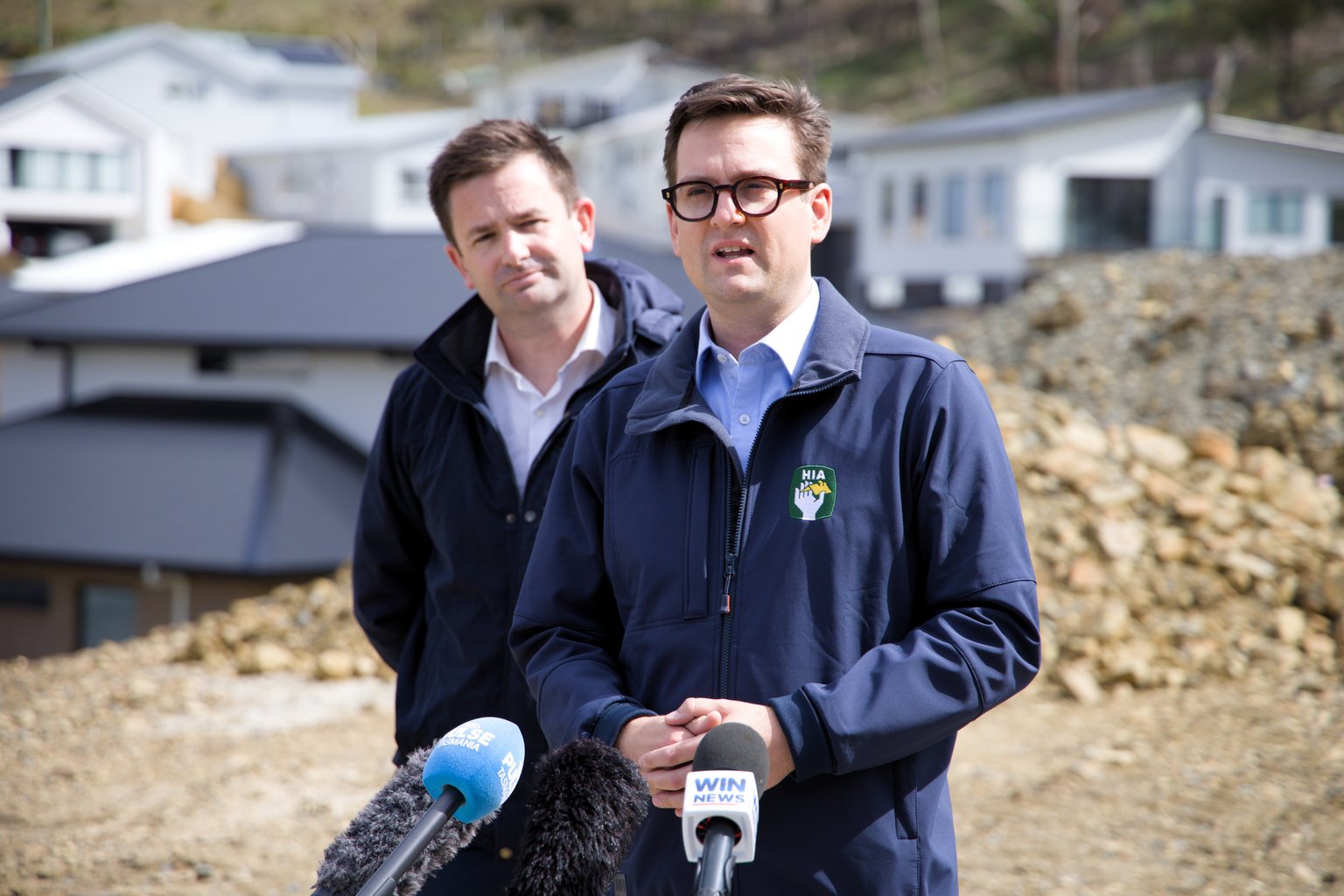
“Any increase to the price and cost for developers is passed immediately straight on to the price of the home,” Price said.
“It’s everyday Tasmanians who may then be pushed into not building a new home.”
Price said 37% of the price of a new home in Tasmania was made up of regulatory taxes, costs and other charges and called on councils to stop taking dividends from TasWater.
He said he understood TasWater’s infrastructure challenge, but the answer could not be to pass the bill to developers and consumers.
Shadow Treasurer Dean Winter said the government approved the corporate plan behind the proposed 40% increase in July last year, then attacked it in media releases a month later.
He called on Treasurer Eric Abetz to personally attend the planning meetings rather than sending Treasury bureaucrats.
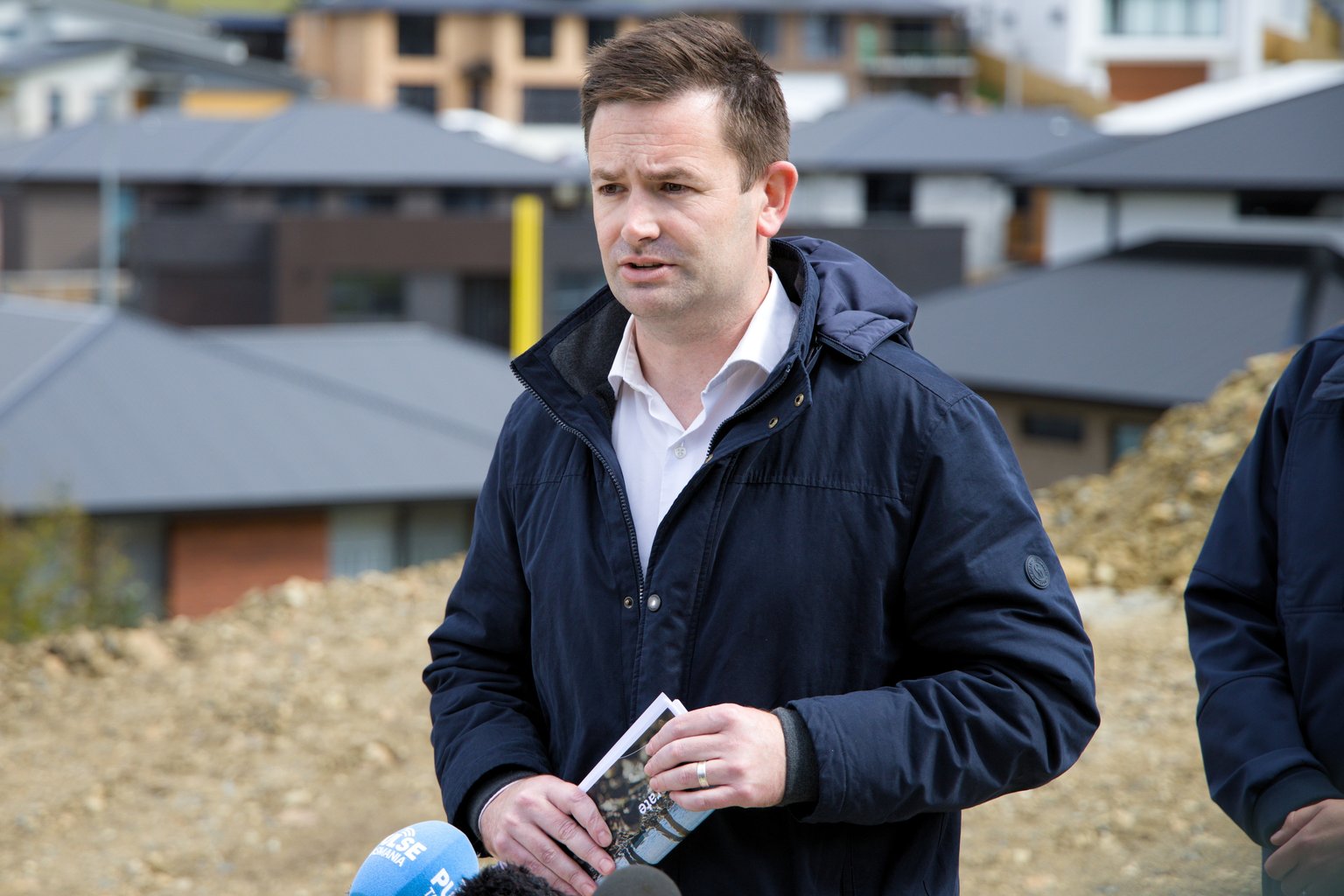
“TasWater is out of control and Tasmanians are now feeling the pinch,” Winter said.
“It’s time for them to take their role and responsibility as an owner seriously.”
Winter stopped short of backing calls to end dividend payments to councils, saying he was concerned councils would raise rates instead.
A government spokesperson said it had called on TasWater and councils to agree to pause the price increases.
“We will engage constructively with the majority shareholders to ensure the right balance is found,” the spokesperson said.
TasWater provides water and sewerage services to more than 470,000 Tasmanians.
The Public Accounts Committee will question TasWater today.