Tasmanian households could see their water bills rise by hundreds of dollars a year under a proposal Labor says is “completely out of touch” with families doing it tough.
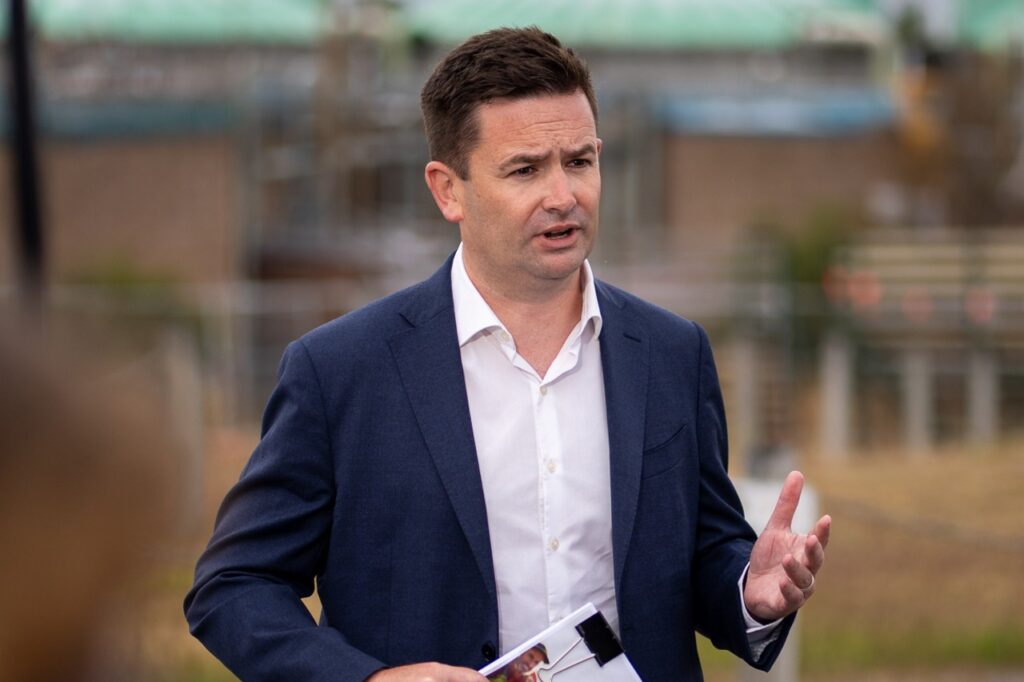
Shadow Treasurer Dean Winter has called on the state government to formally oppose TasWater’s plan for annual price increases of 8.8% over the next four years.
The move would push the average residential bill from about $1,400 to nearly $1,930 by 2030.
“When Tasmanians saw that TasWater was planning to put the average household water bill up by $800 for a household of two adults and two kids, they were aghast,” Winter said.
“That’s the difference between being able to afford the very basics … This is so out of whack with what Tasmanians expect.”
Labor will submit a formal opposition to the Tasmanian Economic Regulator when public consultation opens.
Winter said Tasmanians understood small, inflation-linked increases of 3 to 4%, but not a jump of this scale.
“What they don’t understand is a 40% increase,” he said.
Government minister Jane Howlett said the Liberals had already spoken against the proposal.
“We came out last year and opposed the 40% increase,” she said.
“It doesn’t pass the pub test. It’s not acceptable.”
However, she said the final decision rested with the independent regulator, which is expected to make a determination before May.
Winter disputed that the government had done enough, saying it had effectively endorsed the price path through TasWater’s corporate plan last year.
TasWater has acknowledged that “customers will face higher bills” under the proposal, but says it needs $1.7 billion in infrastructure investment over four years.
“The main reason for that is external economic conditions and our need to invest in improving customer and environmental outcomes,” documents submitted to the regulator state.
Only 9% of the state’s sewage treatment plants currently meet all environmental licence conditions.

The utility has also proposed shifting more of the bill to variable charges, which it says will give customers greater control over what they pay.
It has pledged to increase hardship support to $2.4 million over the period.
The regulator is expected to release a draft report in February or March, with final prices to take effect from July 2026.