Tasmanian households will pay an extra $54 a year for water and sewerage services under a draft decision that slashes TasWater’s proposed price hikes by more than half.
Economic Regulator Joe Dimasi today released his draft report approving annual price increases of 4.3% over the next four years, about half of the 8.8% TasWater had sought.
The ruling means an average residential bill will rise from $1,407 to $1,461 in 2026-27.
TasWater had proposed spending $2.8 billion over the four-year period – a 61% jump from the previous $1.7 billion allowance.
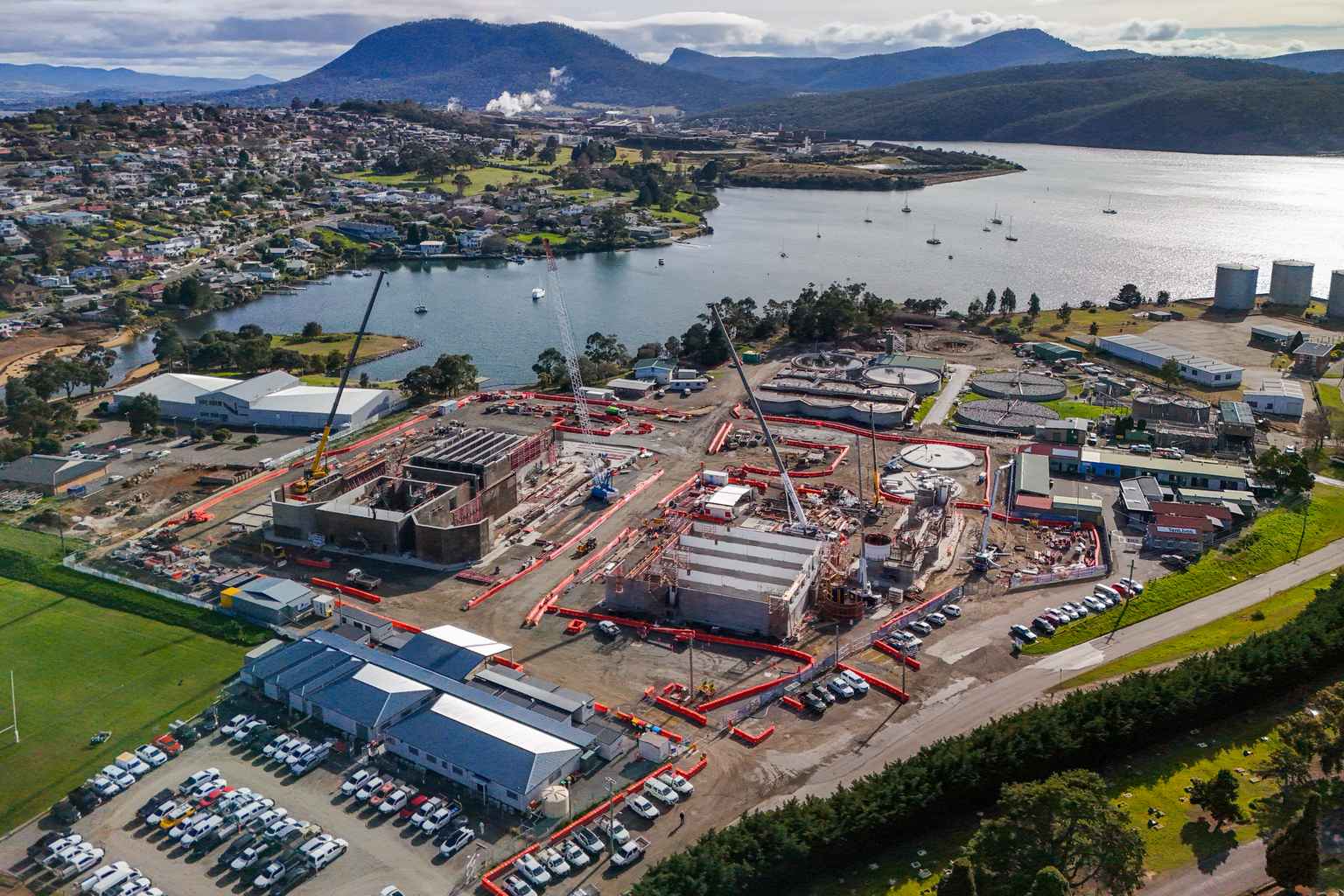
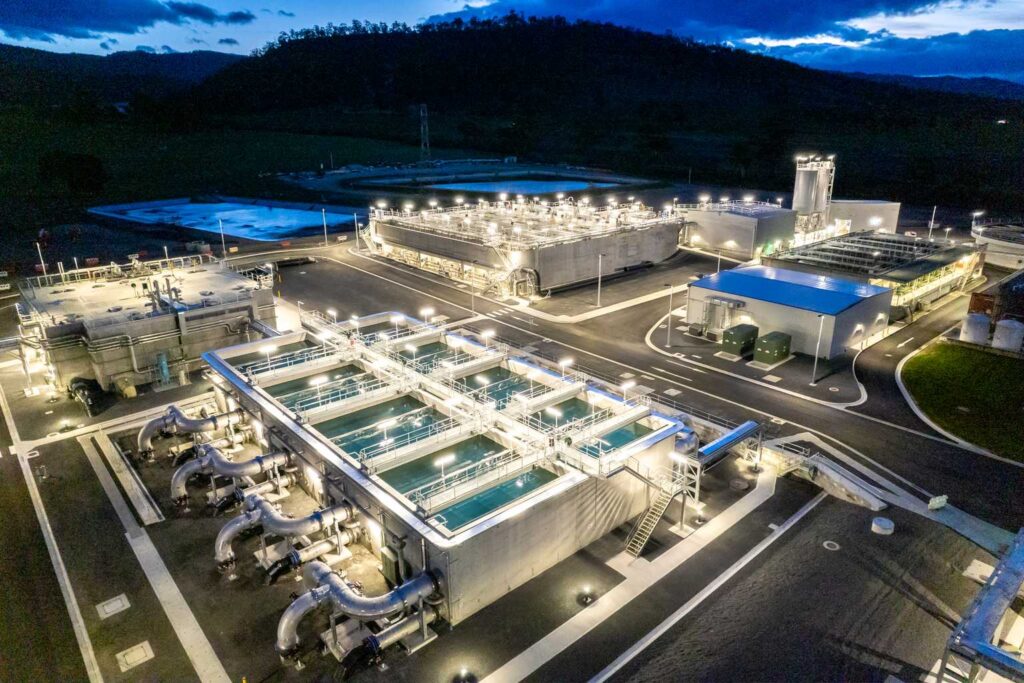
The utility’s plan included its largest-ever capital works program at $1.7 billion and a 30% boost to operational spending.
Dimasi said he recognised TasWater needed to invest in ageing infrastructure but ruled it was not prudent to deliver all projects within four years.
“The long-term challenges that TasWater is facing in modernising Tasmania’s ageing water and sewerage infrastructure are real and ongoing,” he said.
“My draft decisions aim to strike the right balance between affordability for customers and the need for TasWater to continue investing in its infrastructure.”
Under the draft decision, TasWater’s capital program will be spread across two regulatory periods instead of one.
The regulator also trimmed proposed operational spending through wage adjustments and efficiency savings.
Two independent expert teams spent six months assessing whether TasWater’s investment plans were reasonable and cost-effective.
Small business customers face a $112 annual increase under the draft decision, compared to $251 under TasWater’s original proposal.
Residential tenants will see bills rise from $206 to $230.
The regulator’s draft allowable revenue sits at $1.89 billion, down from TasWater’s proposed $2.25 billion.

Dimasi said stakeholder engagement had reached “unprecedented levels” during the investigation, with a record number of submissions.
“I have carefully considered all of the feedback and I look forward to hearing more from TasWater’s customers and stakeholders over the coming weeks before I make my final decisions,” he said.
The draft report also considers TasWater’s proposed tariff reforms, which aim to better align charges with usage.
TasWater has warned that delaying infrastructure projects poses risks to the state’s water and sewerage services.
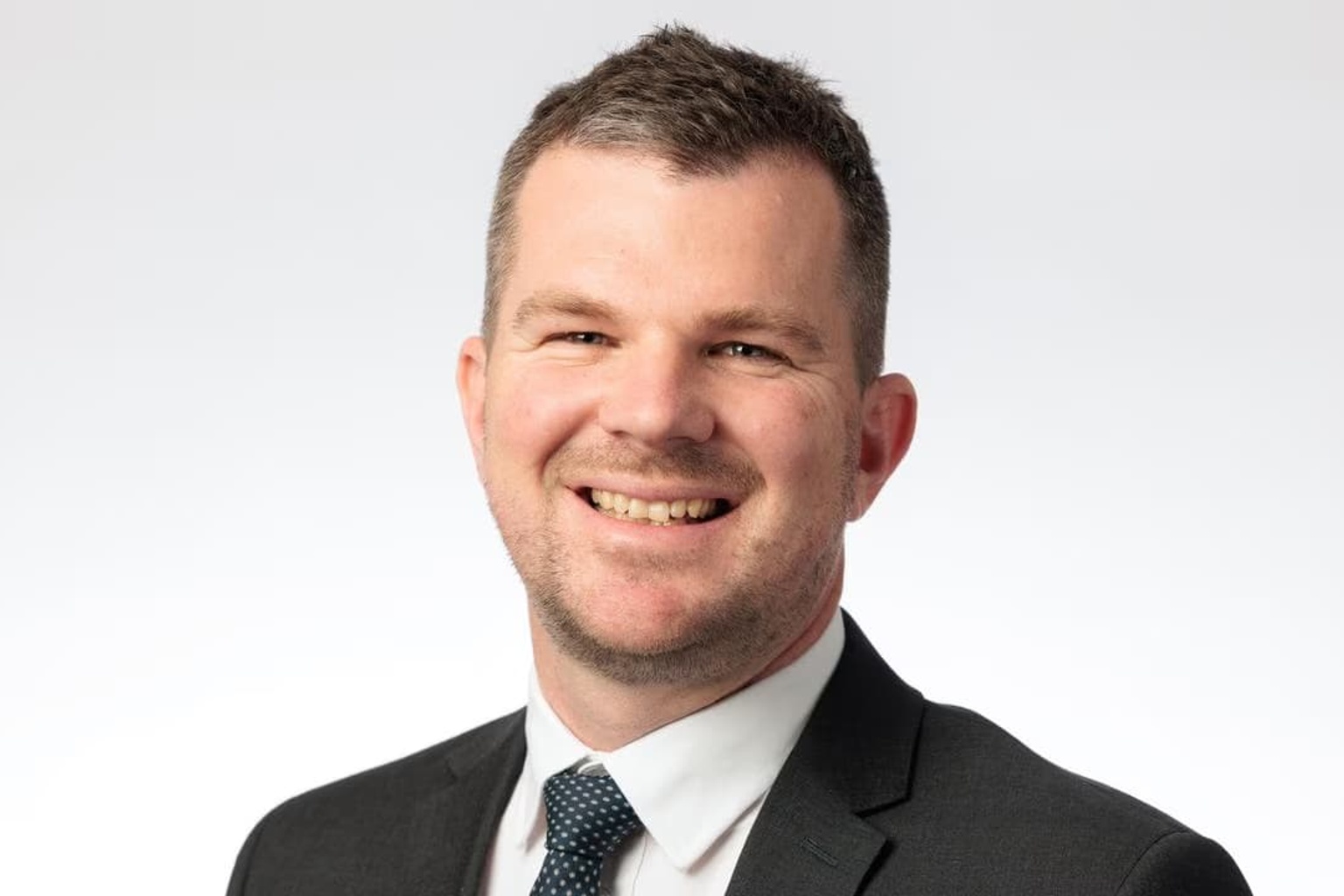
Chief Financial Officer Kane Ingham said the utility would analyse the draft decision and assess what it means for Tasmania’s infrastructure.
“We know there are risks in delaying projects, not just because of the heightened risk of failures in ageing infrastructure and their impacts, but also because the longer these projects are put off, the more expensive they are likely to be,” he said.
Ingham said TasWater had secured more than $300 million in government grants over the past four years and identified $34 million in operational savings and $100 million in capital savings.
Water Services Association of Australia chief executive Adam Lovell backed TasWater’s position, saying deferring investment was “not optional”.
“Choosing to delay investment in assets now will cost us all more in the future,” he said.
“TasWater has been upfront about the fact that prices will need to rise over the coming years to support the infrastructure the state relies on.”
TasWater said support was available for customers struggling with bill increases through its TasWater Assist program.
A transitional approach will apply during the regulatory period to minimise customer impacts.
Public submissions close on March 13, with the final report due in May.