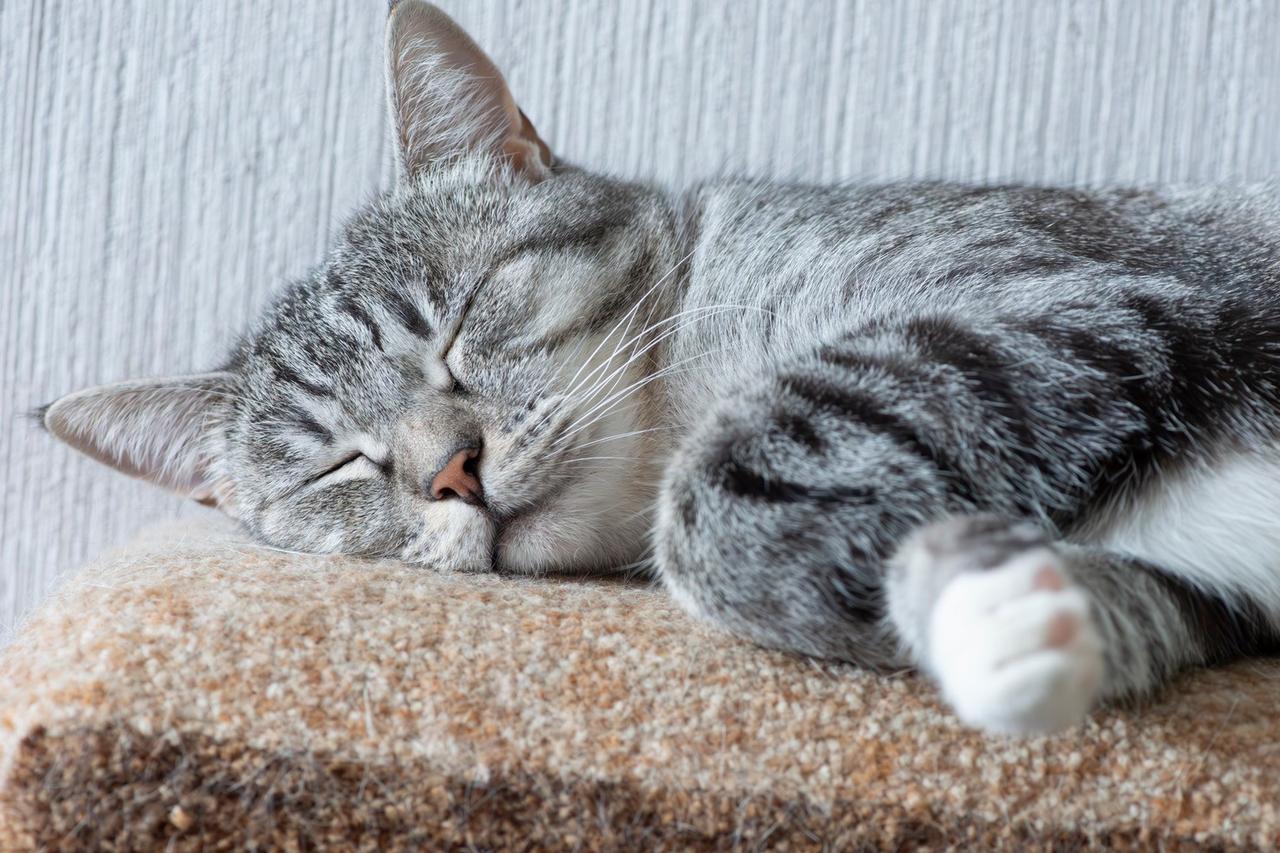
A Tasmanian landlord’s concerns that her tenant’s cat could damage a renovated property, affect its sentimental value and worsen allergens have been rejected by a tribunal.
The tenant had asked for permission to adopt an indoor cat named Celeriac at her rented three-bedroom home.
The landlord refused, saying the house had been built by her grandfather and more than $34,000 of work had been done in 2022, including sanding floorboards and installing new flooring.
She took the matter to the Tasmanian Civil and Administrative Tribunal (TASCAT) to decide whether her refusal was reasonable.
In a written statement, the landlord said she believed there was “a genuine and foreseeable risk of damage to the property” if the request was approved.
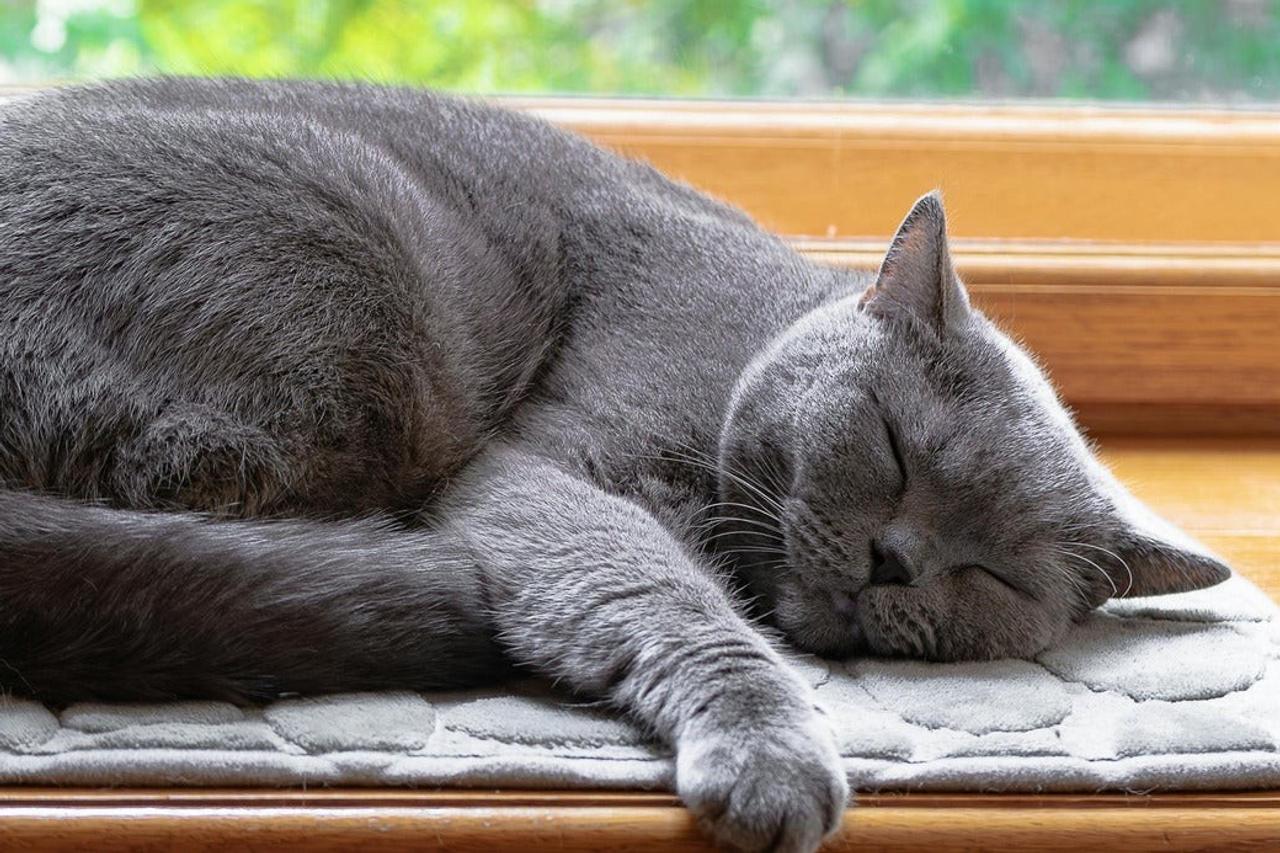
But the tribunal found that was not a valid reason under the law.
It said there was no provision in the Residential Tenancy Act allowing a landlord to refuse a pet on the basis of a foreseeable risk of damage.
The tribunal said parliament intended to let “renters to have a pet as a right” and that the mere potential for damage could not be a barrier, because that risk exists with every pet.
The tenant told the hearing she would trim the cat’s claws, provide scratching posts, keep it out of carpeted rooms and accept financial responsibility for any damage beyond fair wear and tear.
The tribunal said an emotional attachment to a rented property did not override a tenant’s right to keep a pet.
It also found no evidence to support the allergen concern, noting the landlord did not live at the property.
The tribunal ruled the refusal was “plainly unreasonable” and ordered that the tenant could keep the cat.
It added there was not “any evidence” to suggest the cat would cause damage beyond reasonable wear and tear.