Tooting trains are taking a toll on residents in Tasmania’s north, with the ‘constant blaring’ of train horns in the early hours of the morning leaving some frustrated and angry.
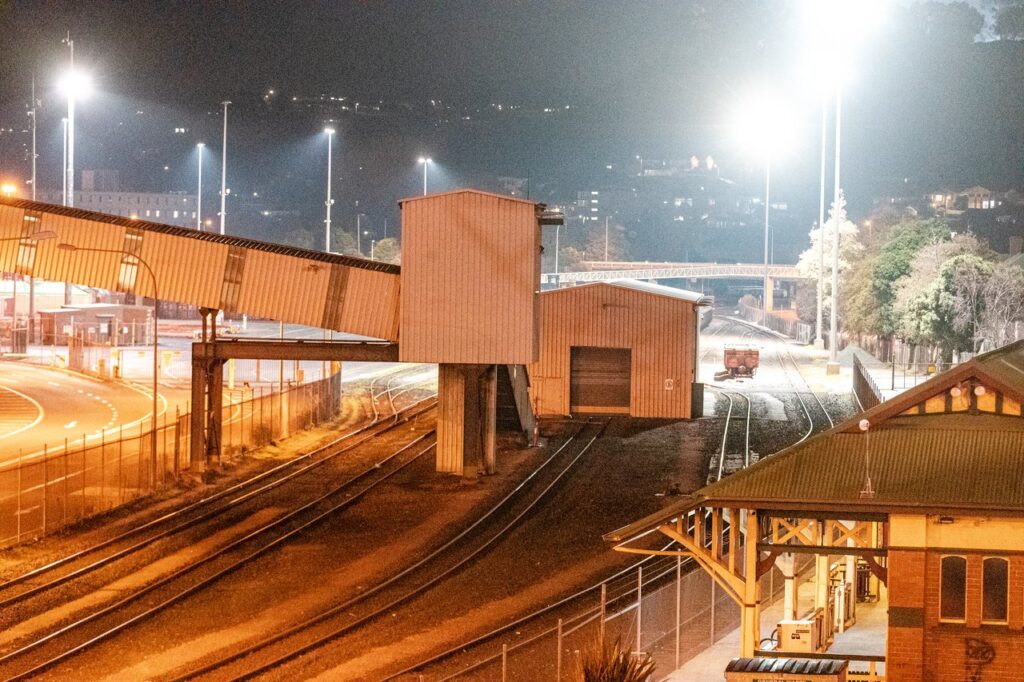
Two Burnie locals living near the rail yard have taken to the local newspaper with concerns over 12am train horns and the blocking of road crossings during busy traffic times.
Colin Bay told The Advocate the horn noises in the middle of the night were infuriating.
“For a while, the horn blowing quietened down,” he told the paper.
“But the cowboys got back behind the locomotive driving again, and it’s just gone back to where it was.”
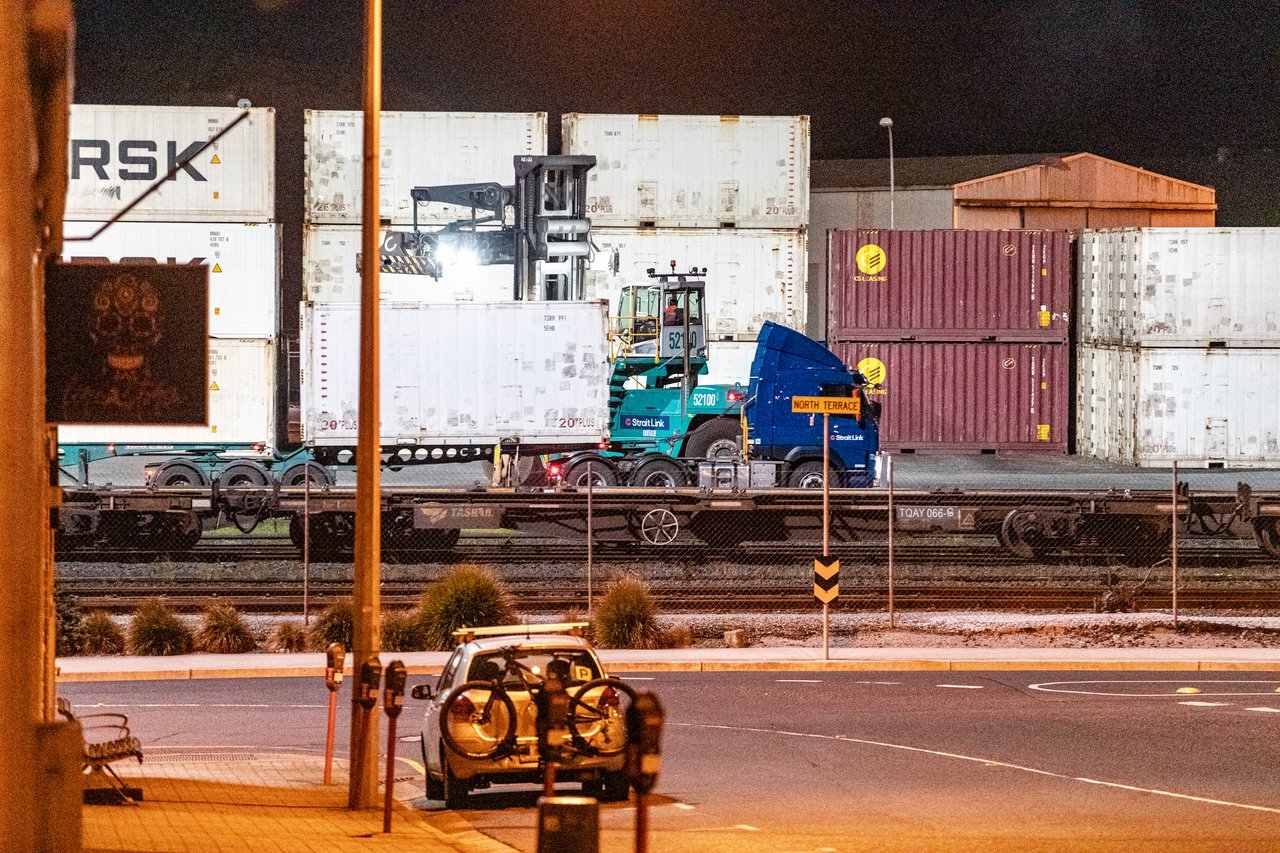
Nearby Gary Williams compared the noise to like “having a semi-trailer parked in front of your house.”
TasRail claims that horn usage is crucial for train safety and that shunting operations at the Burnie Port occasionally extend beyond the Edwardes Street crossing.
The rail operator said they had received the residents concerns and are investigating, which includes “downloading data from locomotives that capture horn usage”.
“Review of the data indicates that horn usage (and associated noise) is proportional to TasRail’s level crossing safety requirements, which require drivers must sound the horn twice at each level crossing for a minimum of one second – once on approach, once transiting over,” a spokesperson said.
“It is also a requirement that drivers use a ‘low’ horn note between 10pm and 6am to minimise disruption. Horn blowing at level crossings is an accepted risk mitigation method throughout Australia.”

TasRail acknowledges that the railyard and Burnie Port are busy industrial workplaces, and say residents should expect noise.
“Where possible TasRail shunting activities are contained within the Burnie Rail Yard and do not extend beyond the Edwardes Street crossing.”
“That said, with an increase in freight volumes and corresponding increase in the length of trains, some movements beyond the Edwardes Street Crossing may be required.”
“Such periods are managed to minimise crossing impacts. TasRail also aims to minimise shunting activities late at night.”