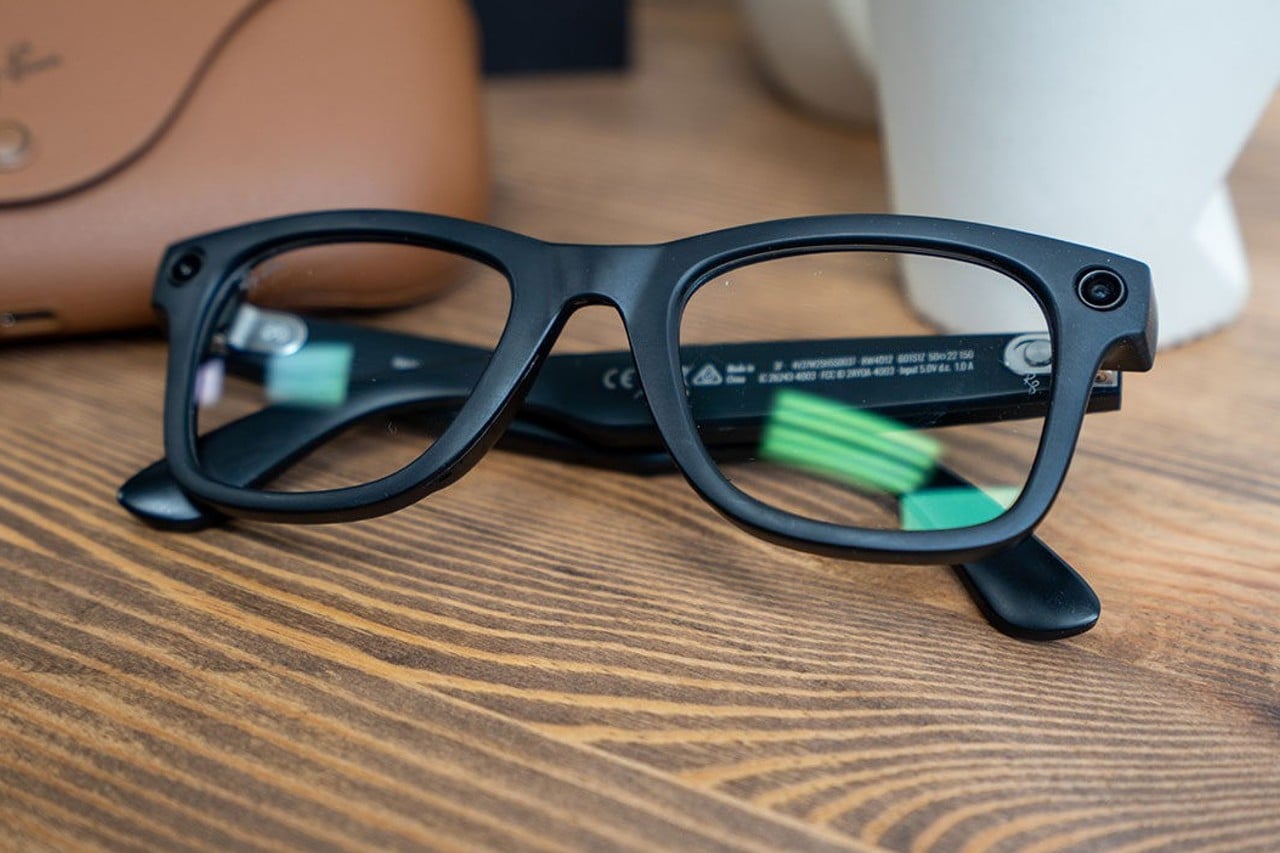
Tasmanians who use AI-enabled smart glasses to secretly record private conversations could face up to two years in jail or a fine of more than $8,500, a lawyer has warned.
The warning comes as smart glasses fitted with cameras and recording tools, such as Meta’s AI glasses, grow in popularity.
Under Tasmania’s Listening Devices Act 1991, it is an offence to record a private conversation without the consent of everyone involved.
The law applies whether or not the person recording is part of the conversation and can cover private discussions held in public places.
Sydney-based lawyer Avinash Singh, principal lawyer at Astor Legal, said Australian law was only beginning to catch up with the privacy and criminal risks posed by the technology.

While Tasmania has no laws specifically covering smart glasses, he said existing legislation still applied.
“This means that you cannot record any private conversations without the knowledge and consent of the other parties to the conversation,” he said.
He said users must tell people when they are recording and stop if they do not consent.
Singh said there was a narrow exception allowing people to record evidence of an imminent threat of serious violence, substantial property damage or a serious drug offence.
“However, the person using the listening device must believe on reasonable grounds that it is necessary to use the device immediately to obtain that evidence or information,” he said.
Manufacturers were unlikely to be held responsible for how customers used their products, Singh said.
“Generally, corporations are not responsible for independent criminal acts of a third party,” he said.
He compared it to a hammer manufacturer not being liable if one of its products was used in an assault.
However, that could change if smart glasses were marketed for illegal purposes or became primarily used that way.
“If the glasses were marketed for ostensibly illegal purposes or it became apparent that is what they were primarily used for then there could be some criminal liability against those companies,” he said.
Tasmania’s current penalty unit is worth $213, putting the maximum fine at $8,520.