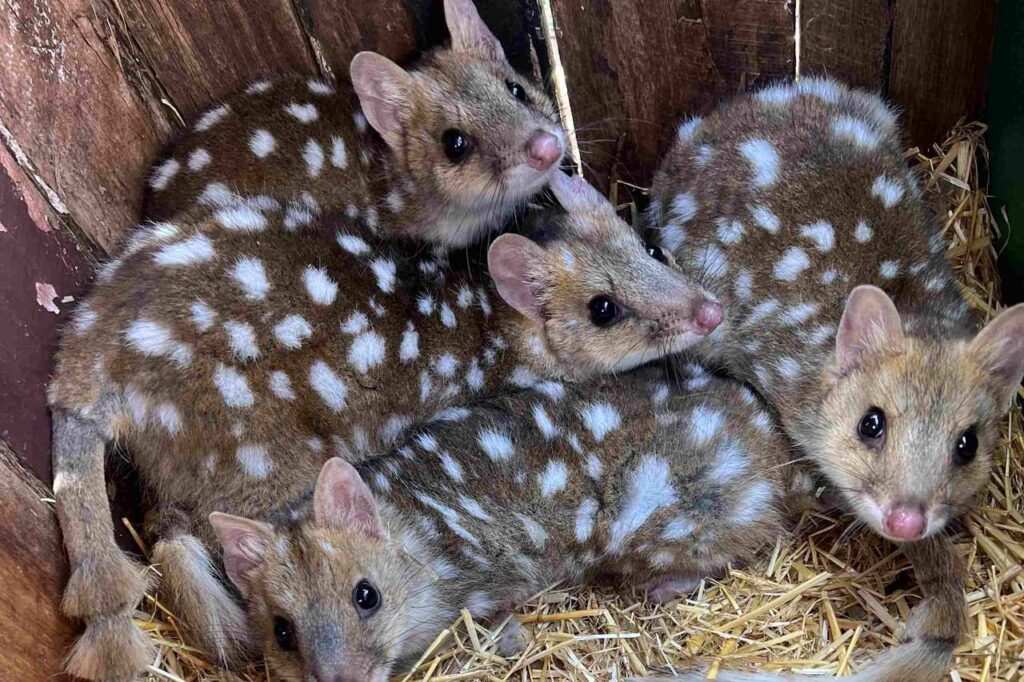
Captive-bred eastern quolls released into Tasmania’s Midlands are now breeding in the wild, a major conservation breakthrough for a species thought to be quietly disappearing.
Researchers checking on quolls released at The Quoin – a 5,000-hectare conservation property in the heart of the Midlands – have discovered females carrying joeys.
They say the breakthrough offers rare hope for the spotted marsupials, which have vanished from large areas of the state over the past two decades.
“Seeing females successfully raising pouch young in the wild is a milestone that gives us real cause for optimism,” Dr Rowena Hamer from the University of Tasmania said.
She said the findings are particularly significant because eastern quolls have already gone extinct on mainland Australia more than 50 years ago and Tasmania is their last refuge.
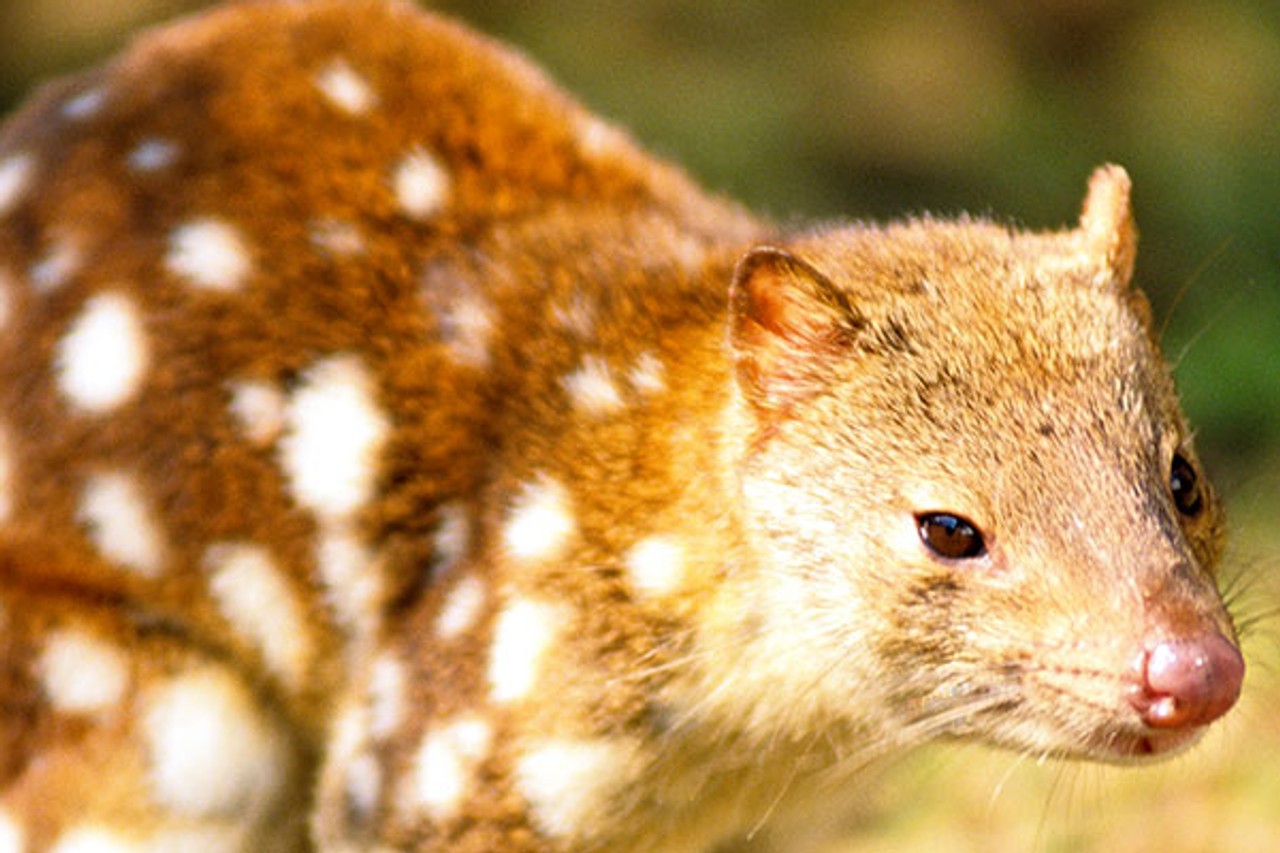
Eastern quolls, about the size of a small cat with distinctive white spots, hunt insects and small mammals at night and play an important role as predators in Tasmania’s ecosystems.

Their numbers have declined sharply in the Midlands and along the east coast.
Researchers say the reasons behind their decline remains partly mysterious, but feral cats, climate change, habitat loss and competition with other species all likely contribute.
The animals which were released in 2025 were fitted with tracking transmitters and monitored using live-trapping and motion-triggered cameras.
The technology allowed researchers to watch how quolls adapted to their new environment in detail.
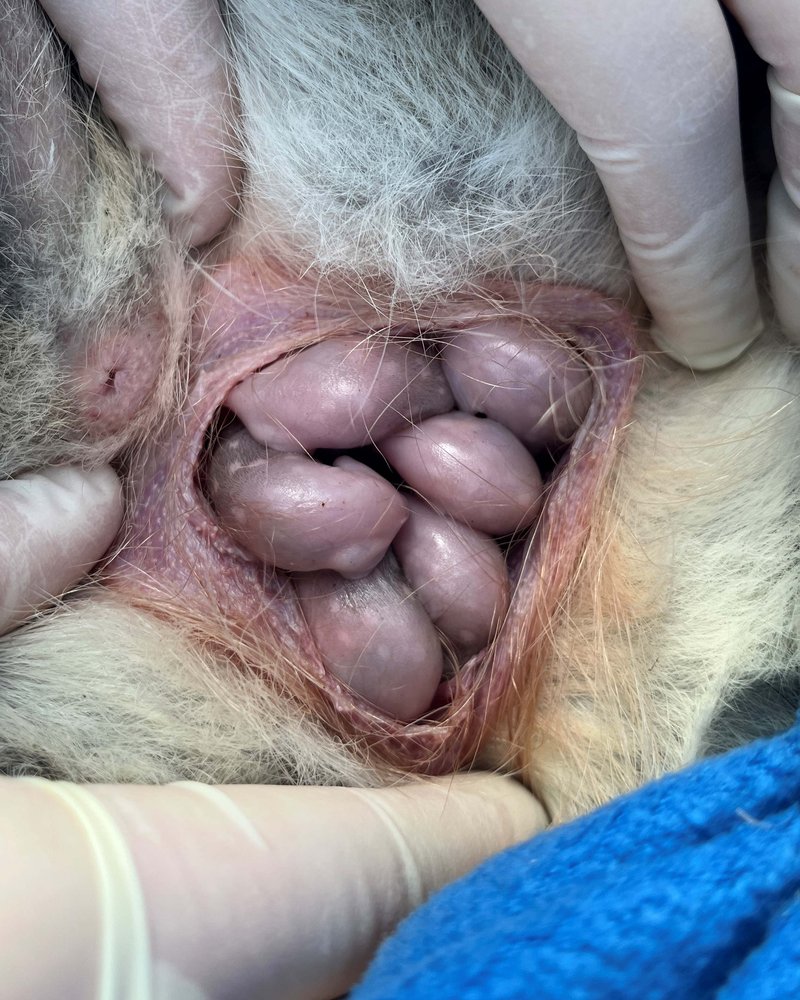
Crucially, they survived long enough to find mates and breed.
PhD candidate Erin Thomas, working with Dr Hamer, studied how individual traits would affect adaptation.
“We start learning about individual quolls before they’re on the ground,” she said.
“Post release monitoring lets us respond quickly if challenges emerge and helps us understand what’s working well.”
The Quoin property’s mix of grassland and woodland, low feral cat numbers and limited roads is thought to create ideal conditions for their survival and breeding.
Researchers say they plan more releases at different sites to establish resilient populations across Tasmania.