Much of Tasmania is expected to sweat through a severe heatwave this week, with a warning in place for the first few days.
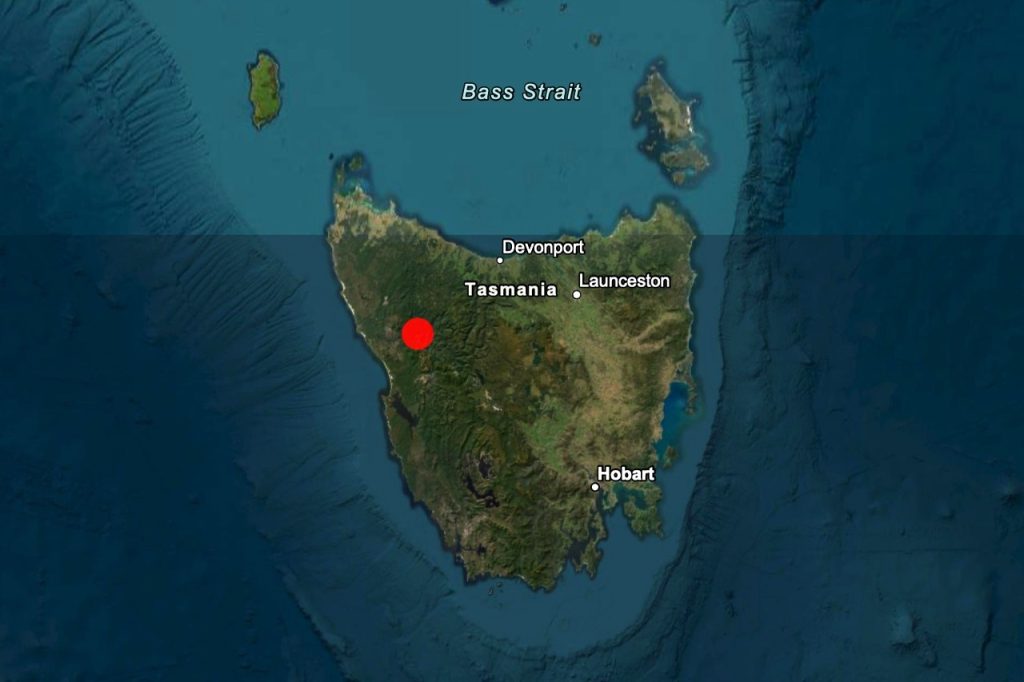
Temperatures in the state’s north-west will reach around 27°C in Smithton and 26°C in Sheffield, while other parts of the state, including Launceston and Hobart, will see temperatures in the 30s.
“Maximum temperatures over the northwest coast reaching the mid to high twenties with overnight minimum temperatures reaching the mid teens,” the Bureau of Meteorology say.
“Temperatures returning to near average from mid-week. Locally severe heatwave conditions developing early this week before easing mid-week with the cooling conditions.”
The Department of Health is monitoring this situation closely, as it marks the first heatwave of the “unusually hot weather predicted for this summer”.

“Hotter summers in Tasmania mean greater risk of heat-related illness – particularly for those at higher risk such as older and very young Tasmanians, and people with chronic illnesses,” Director of Public Health Dr Mark Veitch says.
“It’s important that everyone in the community, especially those at higher risk, know how they can best protect themselves and others as the hot weather approaches.”
BOM Senior Meteorologist Brooke Oakley says she expects “an increased risk of extreme heat and heatwaves” this summer.
“A heatwave is when daily maximum and minimum temperatures are unusually hot for three or more days in a row,” she says.
“Night-time temperatures are important during heatwaves, because warmer temperatures overnight make it harder for the body to recover from the heat from the day.”
“We know people in Tasmania will experience 35 degrees differently to people in Western Australia.”

BOM Hot Weather Tips
- Plan your day to minimise strenuous activities and time spent outside, especially during the hottest part of the day.
- Stay up to date with bushfire and smoke alerts.
- Limit your time in the sun and wear light coloured, long, loose-fitting clothes, a hat and sunscreen.
- Use fans or air-conditioners and close blinds and curtains to keep the heat out.
- Keep windows and doors closed if it is hotter outside than inside and reopen them once the weather has cooled.
- Drink plenty of water, even if you don’t feel thirsty.
- Never leave children or pets in cars.
- Check on family, friends and relatives, especially if they are at higher risk of being affected by heat.
- Know the signs of heat-related illness, and seek medical advice if needed and in an emergency, call 000 for help – heat-related illness can be life threatening.