A firefighting helicopter pilot unknowingly flew more than 30 kilometres with damaged engine controls after a water collection incident during bushfire operations on Tasmania’s West Coast.
An interim report from the Australian Transport Safety Bureau (ATSB) says the Bell 412EP was collecting water from the Murchison River on March 10, 2025, when it suddenly dropped about 50 feet.
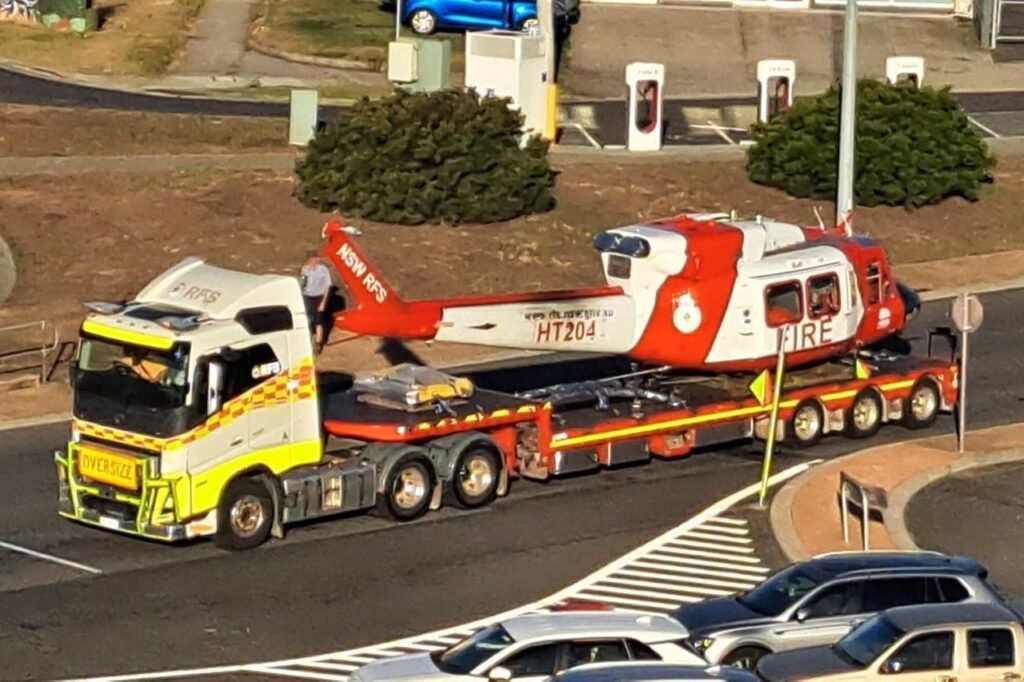
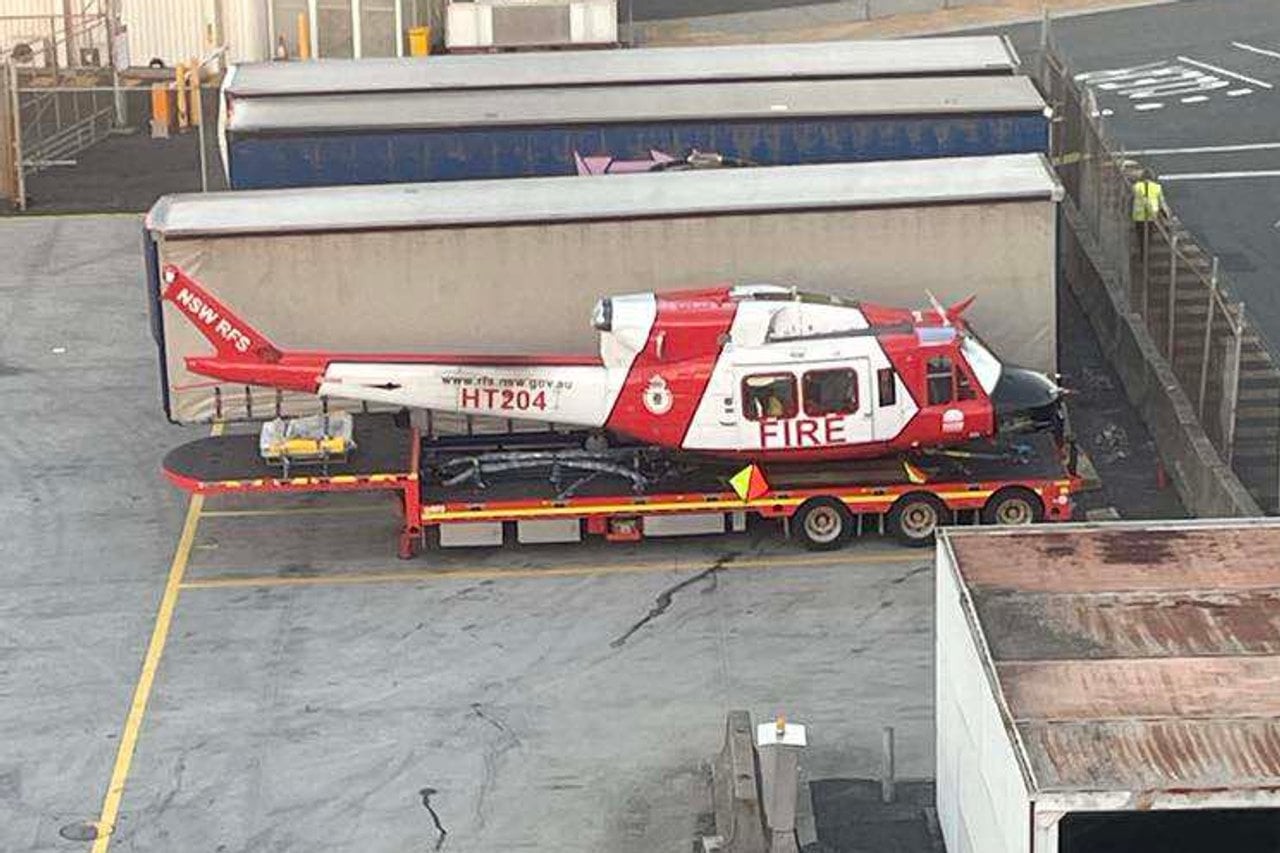
The helicopter, owned by the NSW Rural Fire Service and operated by Coulson Aviation, had been deployed to fight the West Coast fire complex.
The blaze was sparked by 24 dry lightning strikes in early February 2025 and burned almost 95,000 hectares near Cradle Mountain.
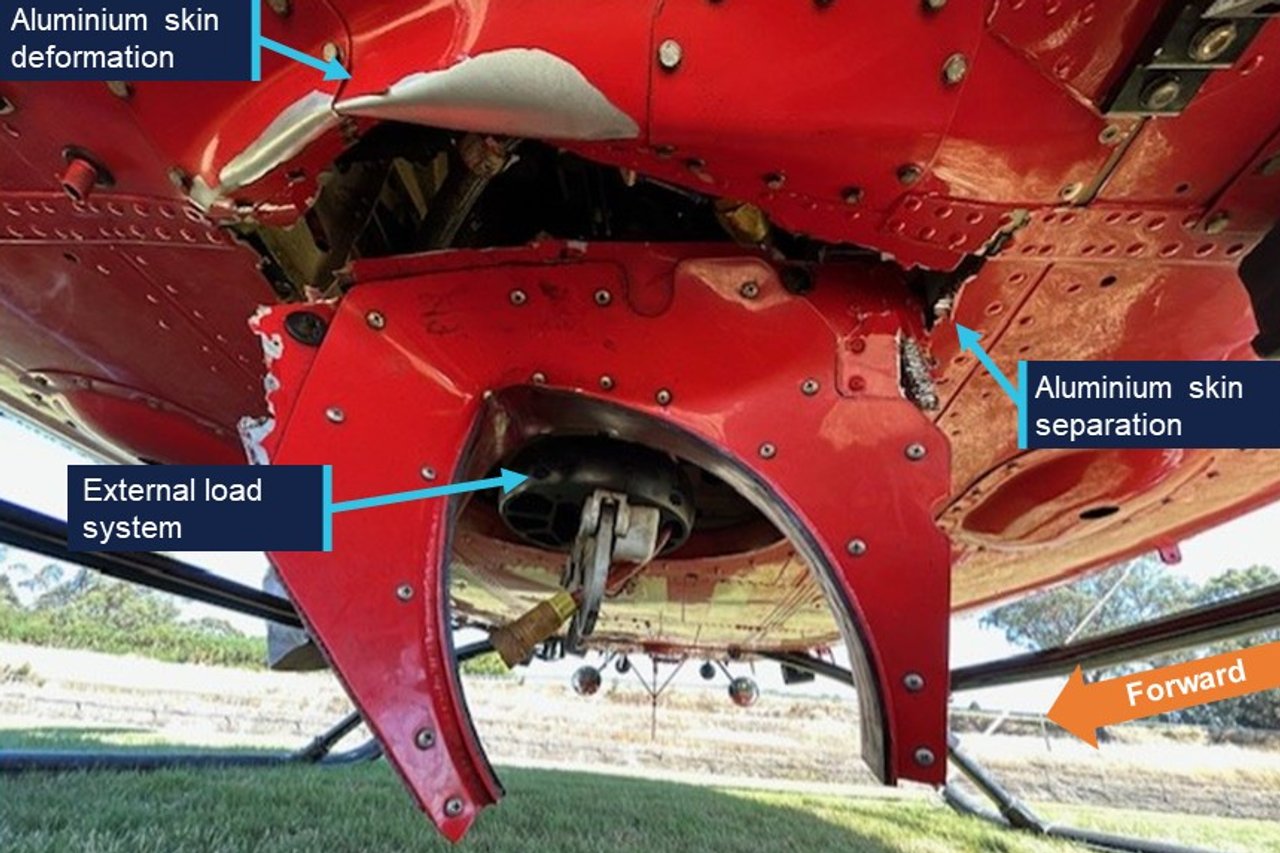
After the drop, the pilot attempted to release the 150-foot longline but struck the wrong part of the control, causing the line to tighten abruptly.
“The helicopter then came to an abrupt stop and the pilot heard a ‘loud clunking noise’,” ATSB director of transport safety Stuart Godley said.
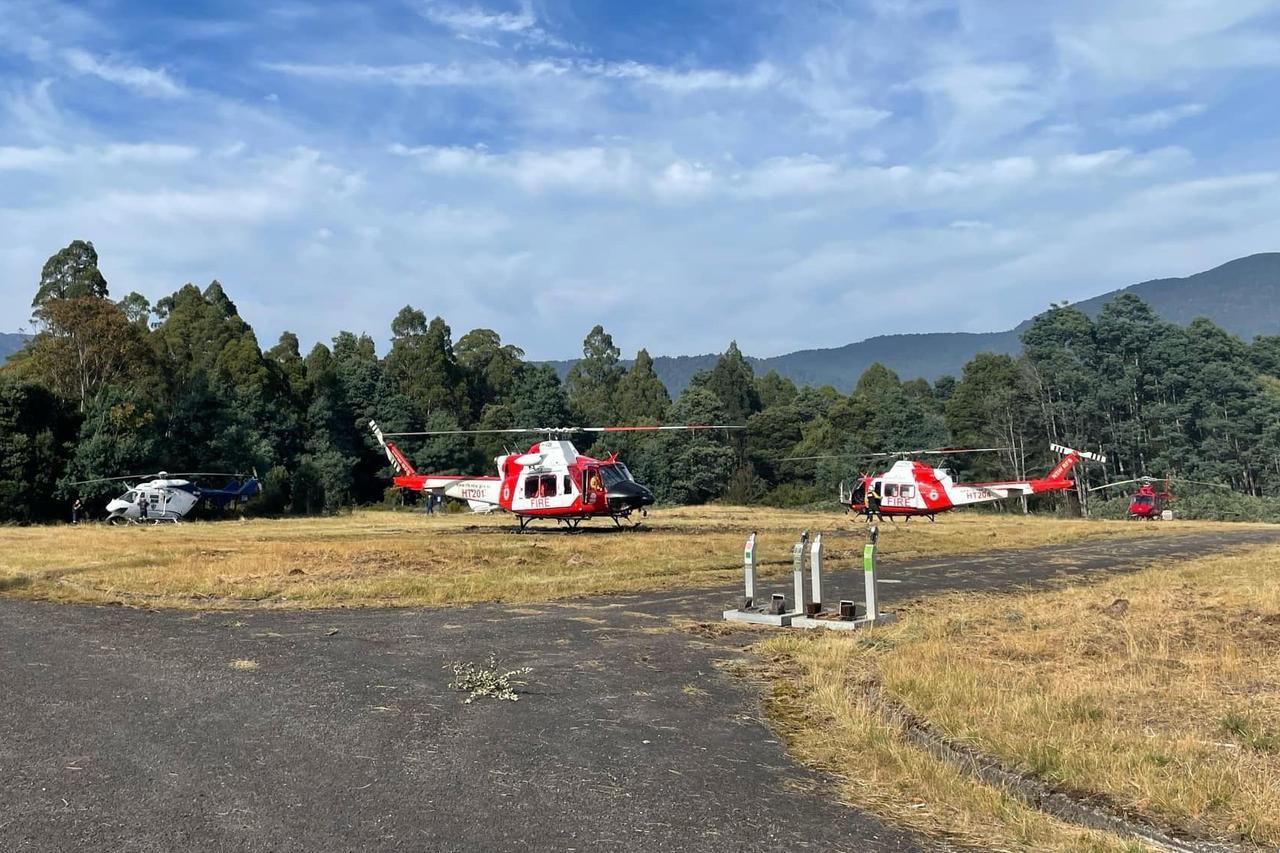
The pilot recovered to a hover but soon noticed control issues, including stiff tail rotor pedals and uneven engine power.
Rather than attempt a landing in rugged terrain, the pilot flew 33 kilometres to Zeehan at about half the helicopter’s normal cruising speed.
After landing, the engines could not be idled and were shut down by cutting the fuel supply.
Inspectors later found extensive damage, including a sheared engine control tube and broken tail rotor components.
The ATSB said the pilot had effectively lost proper control of both engines during the return flight.
The pilot, who had more than 3,000 flying hours, was the sole occupant and was not injured.
A final report will be released once the investigation is complete.