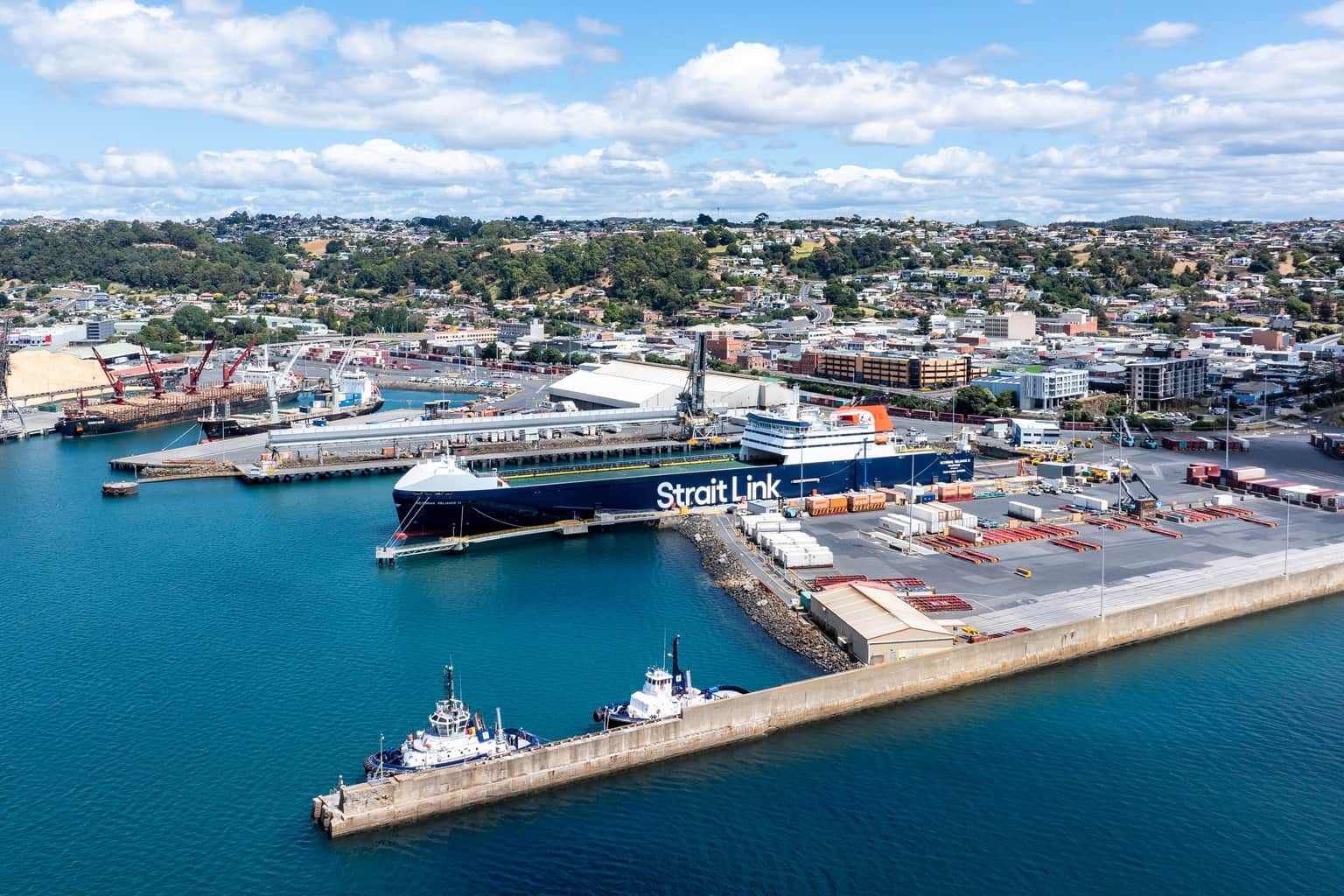
Tasmania’s port infrastructure is “rapidly approaching end of life” and there is “no clear pathway to funding the cost of replacement”, according to the state’s auditor-general.
Auditor-General Martin Thompson’s report, tabled in parliament yesterday, found Tasmania’s port infrastructure had “not been well managed for a long period of time”.
“The current condition of Tasmania’s port infrastructure presents a significant risk for the state,” Thompson said.
“Decision makers need to consider all options for its mitigation, including rationalisation, decommissioning, renewal or replacement.”
The report cited an independent valuation, as at June 30, 2025, that valued TasPorts’ existing port infrastructure at $447 million and estimated like-for-like replacement would cost $1.29 billion.

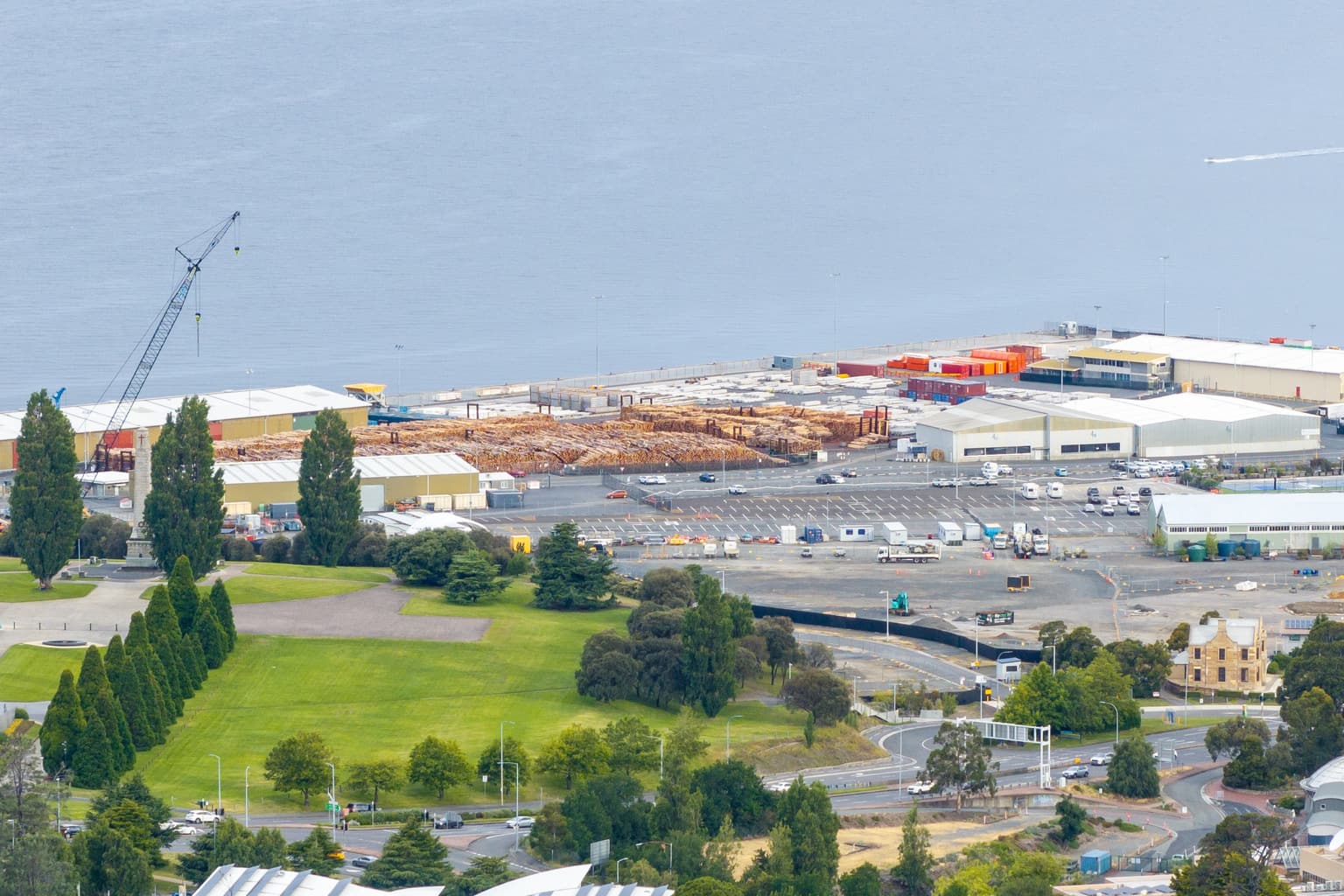
According to the valuation, wharves were in “poor overall condition” and made up more than half of that cost, at $687 million.
The report said TasPorts’ plans to expand its commercial wharves, including climate change adaptation and electrification, may require investment of at least $2.2 billion.
The report said the “high profile failures” included preparing berthing infrastructure for the new Spirits, while the wider network faced a “potentially far more significant risk of failure”.
Thompson wrote that TasPorts had “failed to adequately manage its existing port infrastructure or plan for future needs” and that Building Tasmania, formerly the Department of State Growth, “has failed to develop” a whole-of-state transport strategy.
The audit found TasPorts spent less than its capital budget in eight of the 10 years examined, with the gap widening over the past four years.
It said TasPorts 2043, the company’s 2013 long-term strategy, had not been updated.
The report found TasPorts had no agreed approach to funding community ports.
TasPorts told auditors about a quarter of the government funding it requested for community port projects was approved.
The report said decommissioning Whitemark port was considered but not pursued.
The audit found meetings between TasPorts and its shareholding ministers had not been minuted, which it said was inconsistent with TasPorts’ obligations under the Archives Act.
The report noted a parliamentary committee had raised record-keeping over the Devonport Berth 3 project in December 2025.
The report acknowledged recent improvements, including a new risk management system and project management office and a draft independent assessment recommending TasPorts for asset management certification.
Thompson made four recommendations. Building Tasmania accepted in principle a whole-of-state transport strategy, due by December 2027.
TasPorts accepted the other three. It agreed to develop a long-term infrastructure strategy setting out how it will be funded, along with a reporting framework covering asset condition and funding gaps.
It also agreed to keep proper records of its meetings with shareholding ministers.
TasPorts chair Greg McCann said “the greater challenge is planning, funding and delivering the renewal program required over coming decades”.
“The investment required over coming decades may exceed what TasPorts can fund from its own balance sheet while remaining financially sustainable,” he wrote.
McCann said the larger investment scenarios included expanded capacity and “should not be interpreted as the cost of remediating the existing asset base”.
Building Tasmania Secretary Shane Gregory supported the intent of the recommendation, “subject to government consideration of scope, governance arrangements, sequencing and resourcing”.
He said strategies already existed at modal and regional levels.
“The report identifies a risk of fragmented investment but does not show that current investment is fragmented or inefficient,” he wrote.