Tasmanian families are being reminded to get their cars winter-ready before hitting the road these school holidays, with battery failures and worn tyres tipped to cause trouble.
RACT head of roadside service delivery Josh Dobie said breakdowns spiked over winter and drivers could avoid many of them with a few simple checks.
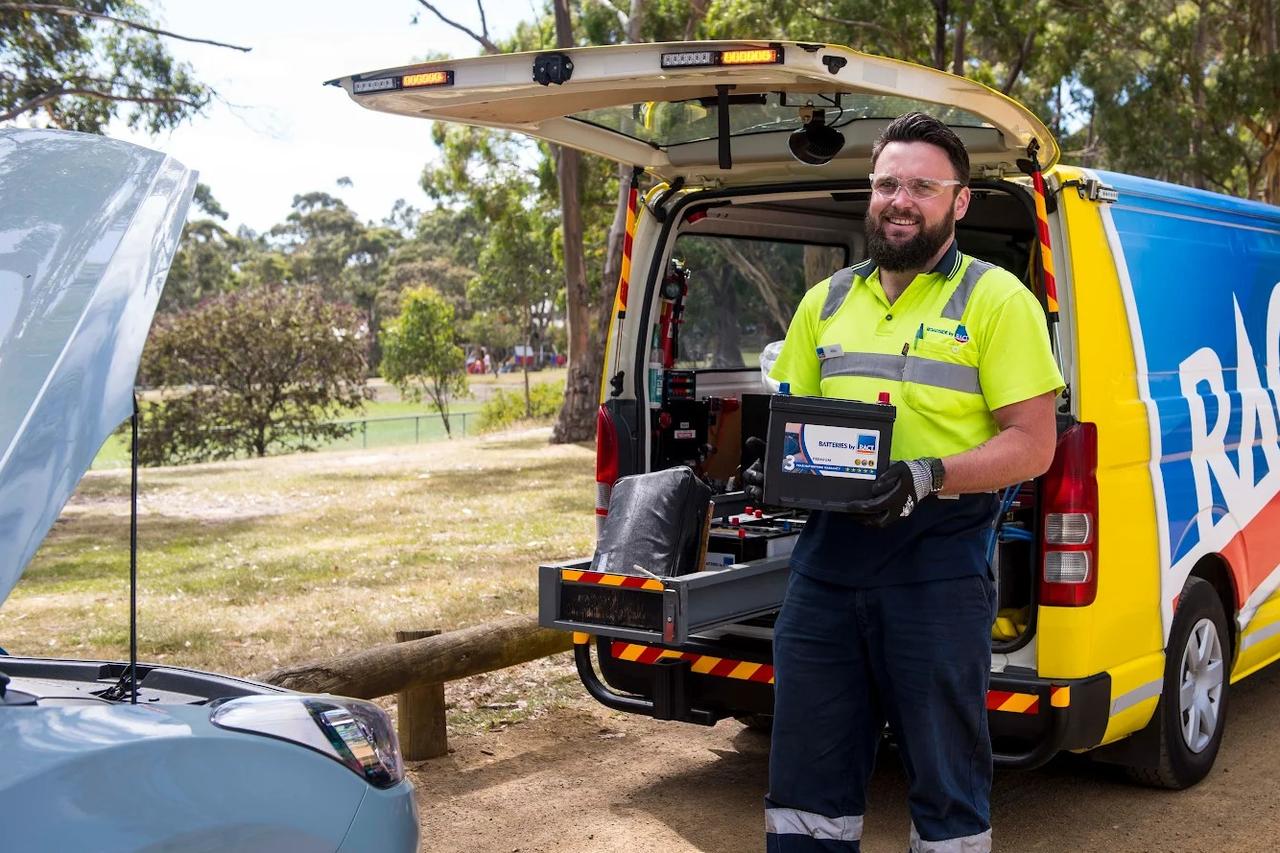
He said batteries were the single biggest culprit.
“It’s the most common cause for vehicle breakdowns during the winter,” Dobie said.
Potholes and road debris were also taking their toll, he said, leading to flat tyres and damaged wheels that sometimes left cars needing a tow.
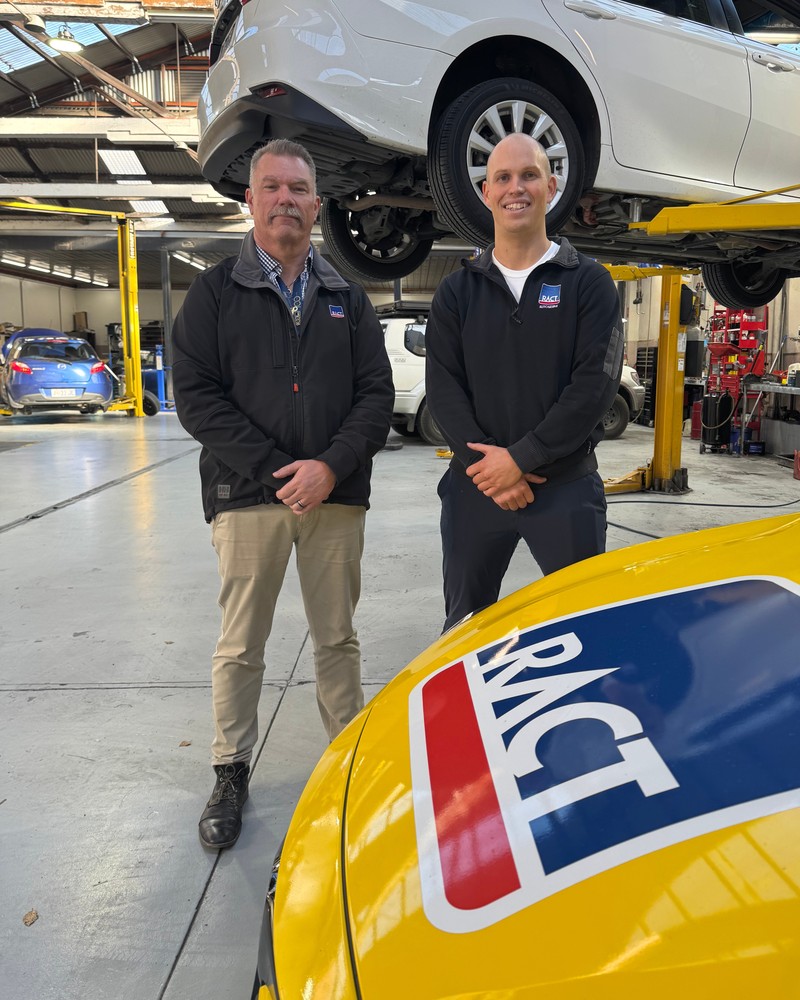
Dobie said the conditions themselves were a major hazard, especially in elevated areas.
“We see a lot of frost, fog, ice and snow,” he said, adding these could catch drivers unawares.
He told drivers to do a pre-trip check by walking around the car, checking the lights and wipers, clearing the windscreen and looking over the oil, coolant and washer fluid under the bonnet.
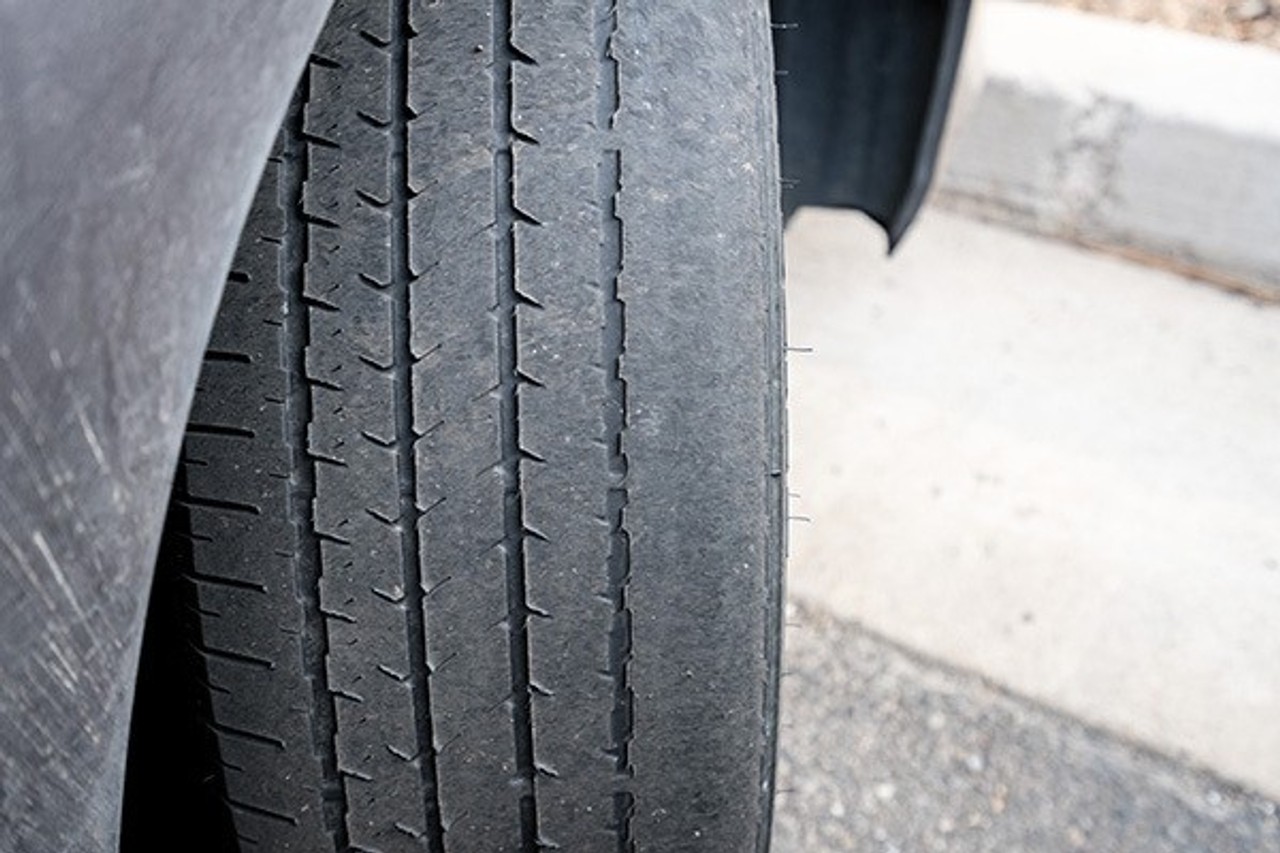
Dobie said drivers should also make sure their tyres had plenty of tread to cope with winter conditions and that pressures were set correctly.
With more people travelling and recent tragedies on the roads, he called on drivers to slow down and be patient.
As of late last month, Tasmania’s road toll for 2026 sat at 16, down from 25 at the same point last year.
He said people should plan their trip, allow plenty of time, stay undistracted, secure their loads and put children in appropriate restraints.
Dobie also reminded motorists it was now the law to slow to 40km/h, where safe, when passing roadside crews with their lights flashing.
He said tourist hotspots would draw extra traffic, including cars towing caravans, trailers and boats, which added their own risks.
“Keep your eyes up and be on the lookout for any distractions or hazards on the road,” he said.