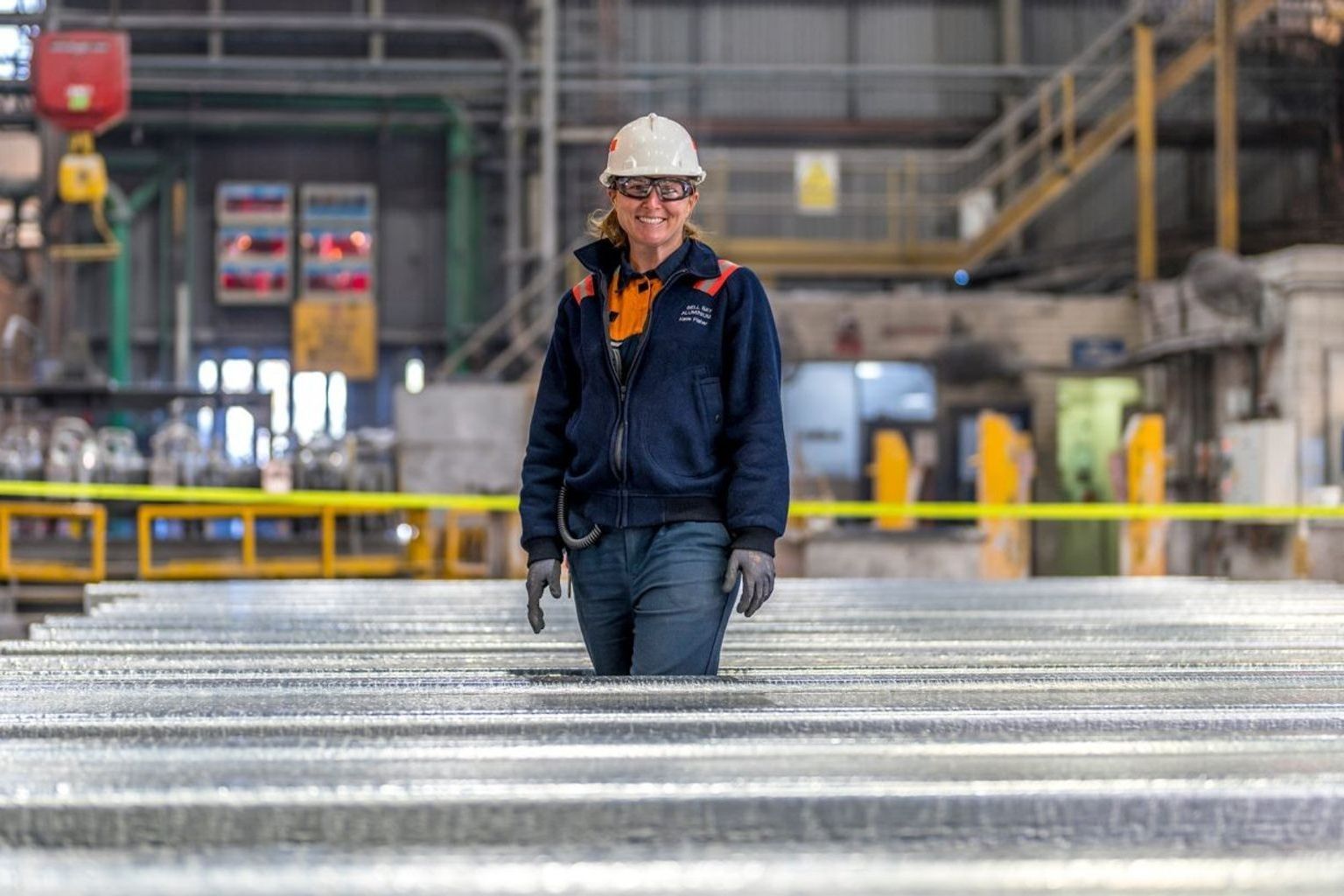
More than 550 jobs at Bell Bay Aluminium hang in the balance as state and federal politicians clash over who must secure a new power deal for the Rio Tinto-run smelter before its current agreement with Hydro Tasmania expires on December 31.
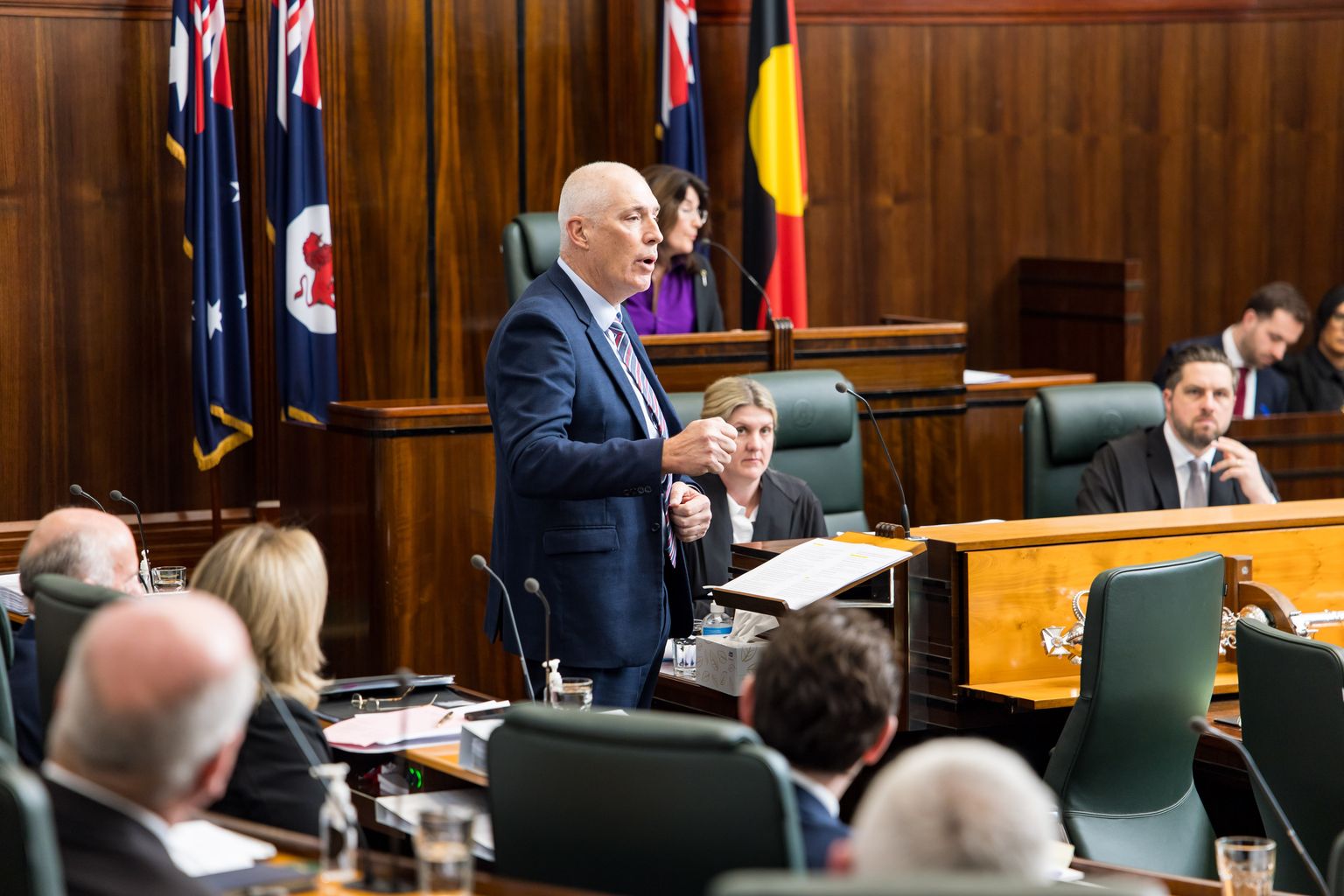
Energy Minister Nick Duigan told Parliament today that a gap of around $60 million a year remains between what Rio Tinto says it needs and what Hydro can commercially offer.
“The likely gap is somewhere in the order of $60 million a year, which is a big number and when you look at a 10-year contract, that becomes a substantial number,” he said.
Duigan said he had insisted Hydro Tasmania operate consistently with its charter to deliver the lowest power prices and support jobs and economic growth.
But he said federal support was essential, pointing to the Commonwealth spending close to $1 billion at the Boyne smelter in Queensland and hundreds of millions at Tomago in New South Wales.
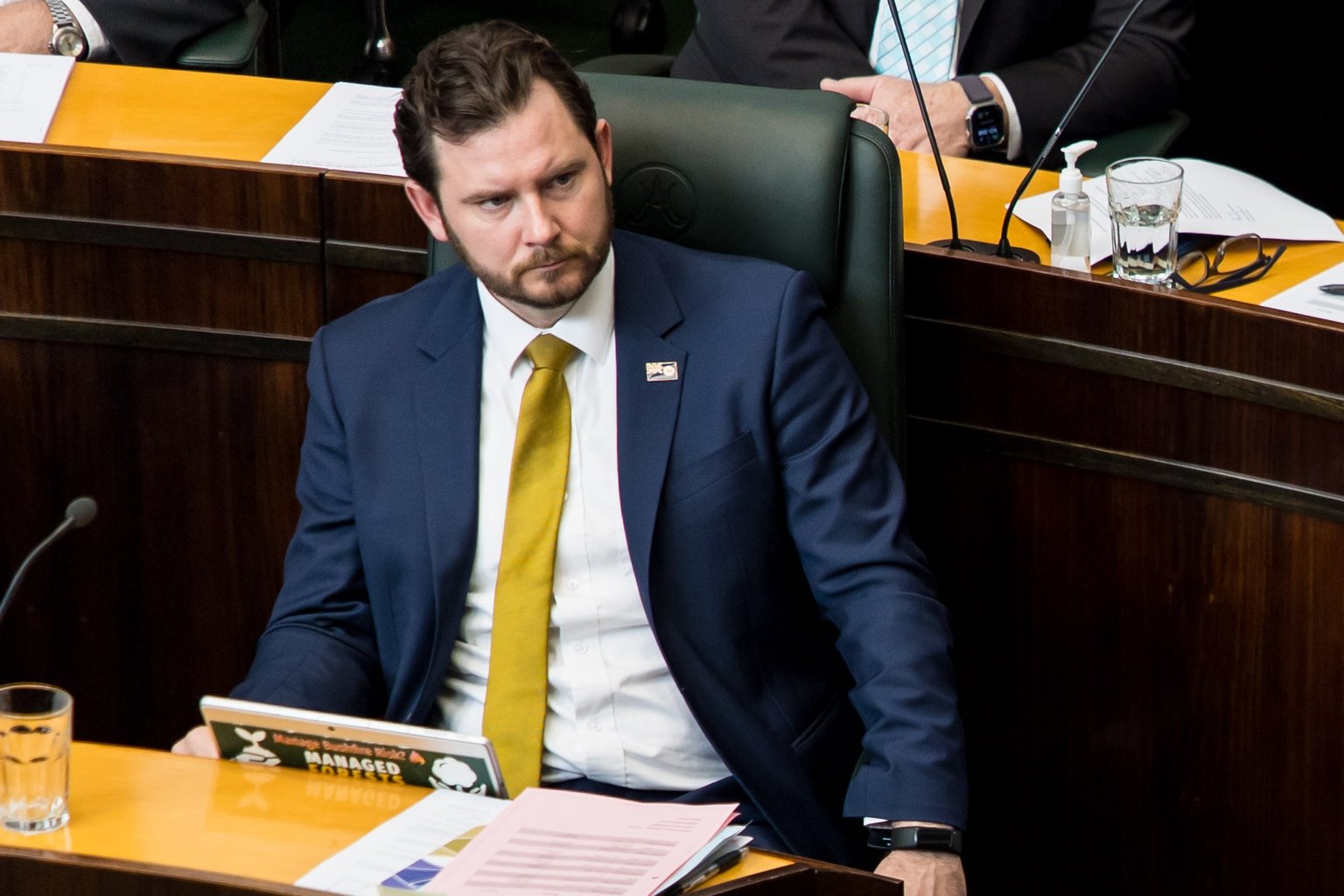
A key flashpoint is the federal government’s decision to exclude Bell Bay from the $2 billion Green Aluminium Production Credit scheme, despite clear commitments made ahead of last year’s federal election.
In January last year, Prime Minister Anthony Albanese indicated Bell Bay would be eligible.
Industry Minister Tim Ayres also said at the time that the scheme would cover “every Australian aluminium facility, including Bell Bay.”
Federal Labor Bass MP Jess Teesdale has since said the credits were designed for coal-burning smelters transitioning to renewables, not Bell Bay, which already runs on hydro power.
“The green production credits aren’t due to come in until 2028 and they are designed for other companies to move onto renewable power,” Teesdale said.
She said a power price agreement between Hydro and Rio Tinto needed to be locked in before any federal support could flow.
State Industry and Resources Minister Felix Ellis said the federal shift amounted to a broken promise.
“The Prime Minister promised specifically that on national television, he told the nation and he told the people here in northern Tasmania that they’d receive the same kind of support that the other aluminium smelters have received around the country,” Ellis said.
Hydro Chief Executive Rachel Watson has said the company pushed its offer as low as it could go without the deal becoming unworkable.
“There remains a gap between the price Hydro Tasmania can responsibly offer and the price Rio Tinto is prepared to pay,” Watson said.
She suggested government support may be needed to bridge the difference.
Opposition Leader Josh Willie called on Premier Jeremy Rockliff to bring the relevant parties together and negotiate a deal, warning a second major industrial collapse after Liberty Bell Bay would be “catastrophic” for the northern economy.
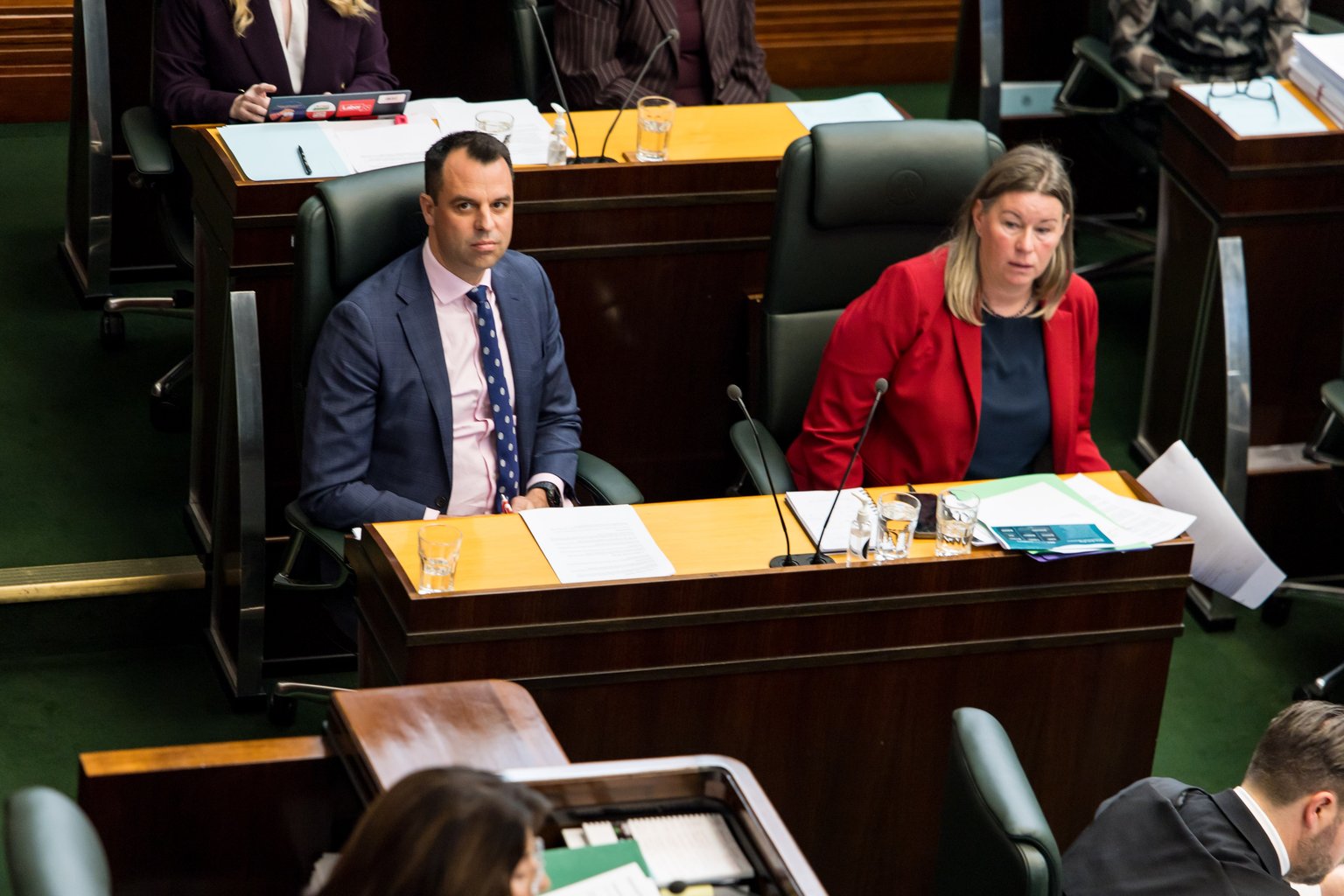
He accused the state government of using Hydro “like an ATM” to prop up a broken budget rather than supporting Tasmanian jobs.
When repeatedly pressed by journalists after question time on whether the federal government had broken its commitment on the green aluminium credits, Willie declined to directly criticise Canberra.
He said the federal government had “a role to play” and that he would “welcome support” but said it was up to federal colleagues to explain their position.
“My role is to hold the state government accountable for the power deal,” Willie said.
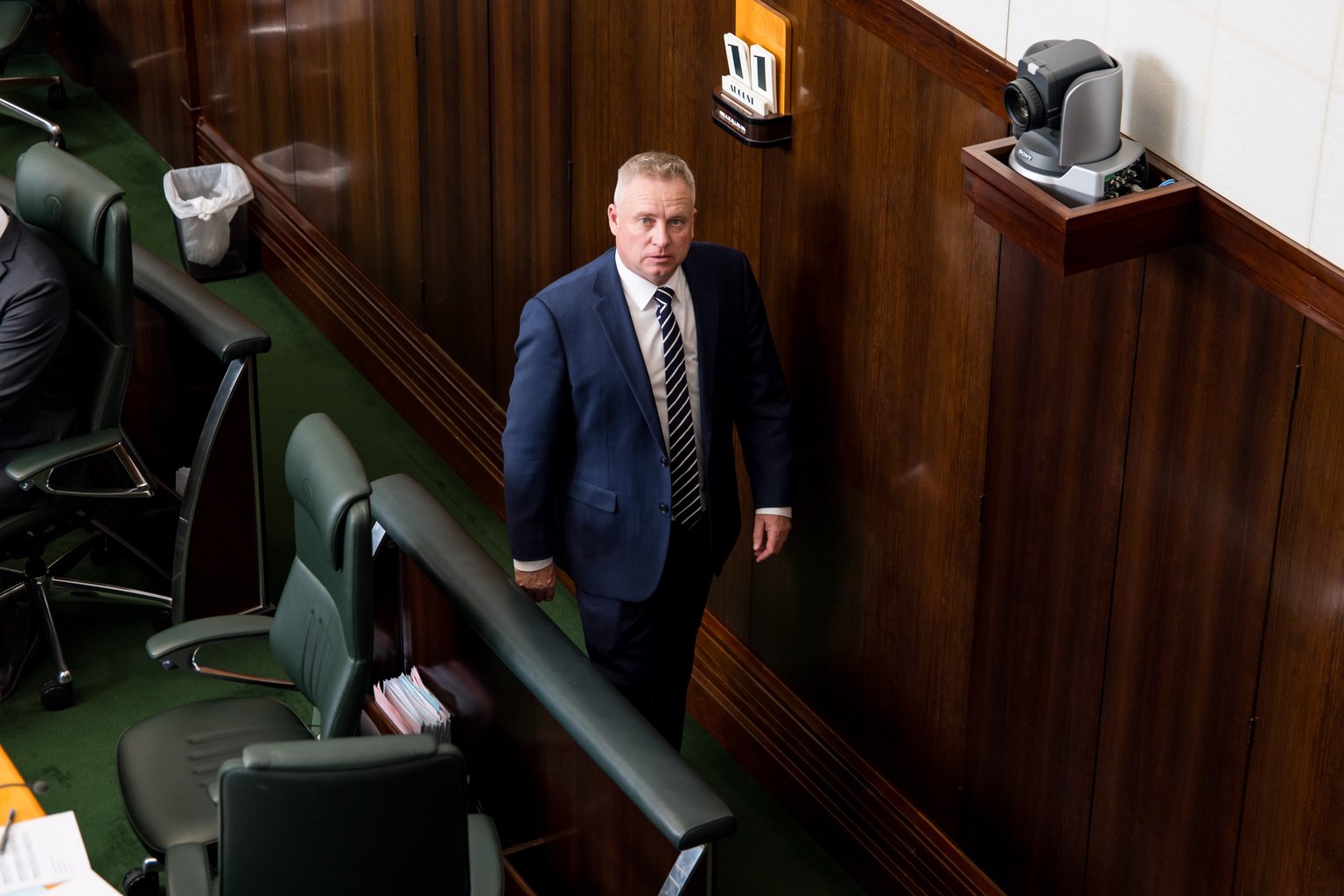
Rockliff said his government had “directly intervened to drive negotiations with BBA forward” through a structured process involving the state government, Hydro Tasmania, Rio Tinto and Bell Bay Aluminium.
He called on Labor to pressure Canberra to honour its commitment rather than giving the federal government “a leave pass.”
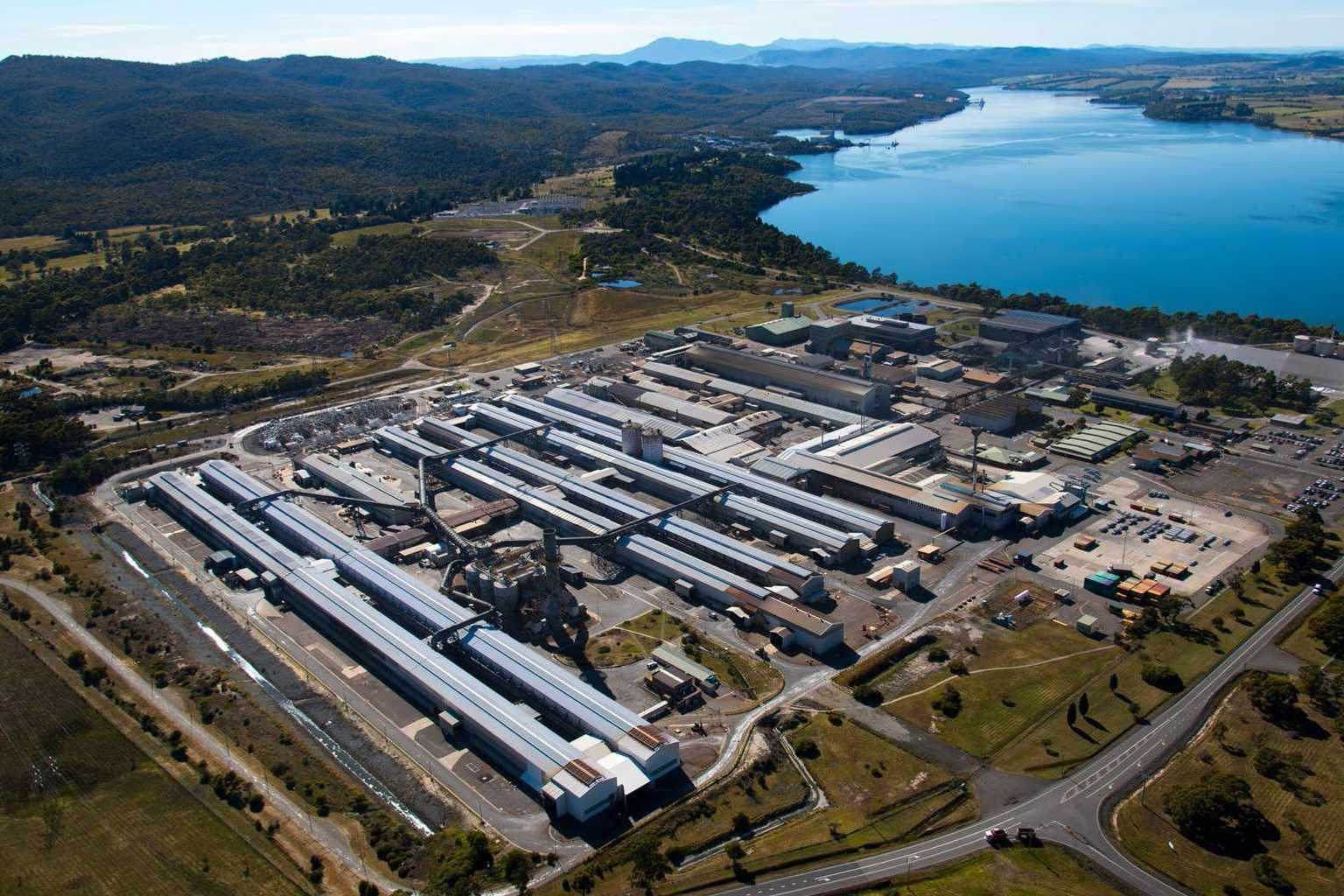
Bell Bay Advanced Manufacturing Zone chief executive Susie Bower has also warned that losing the smelter would be catastrophic for the Tasmanian economy.