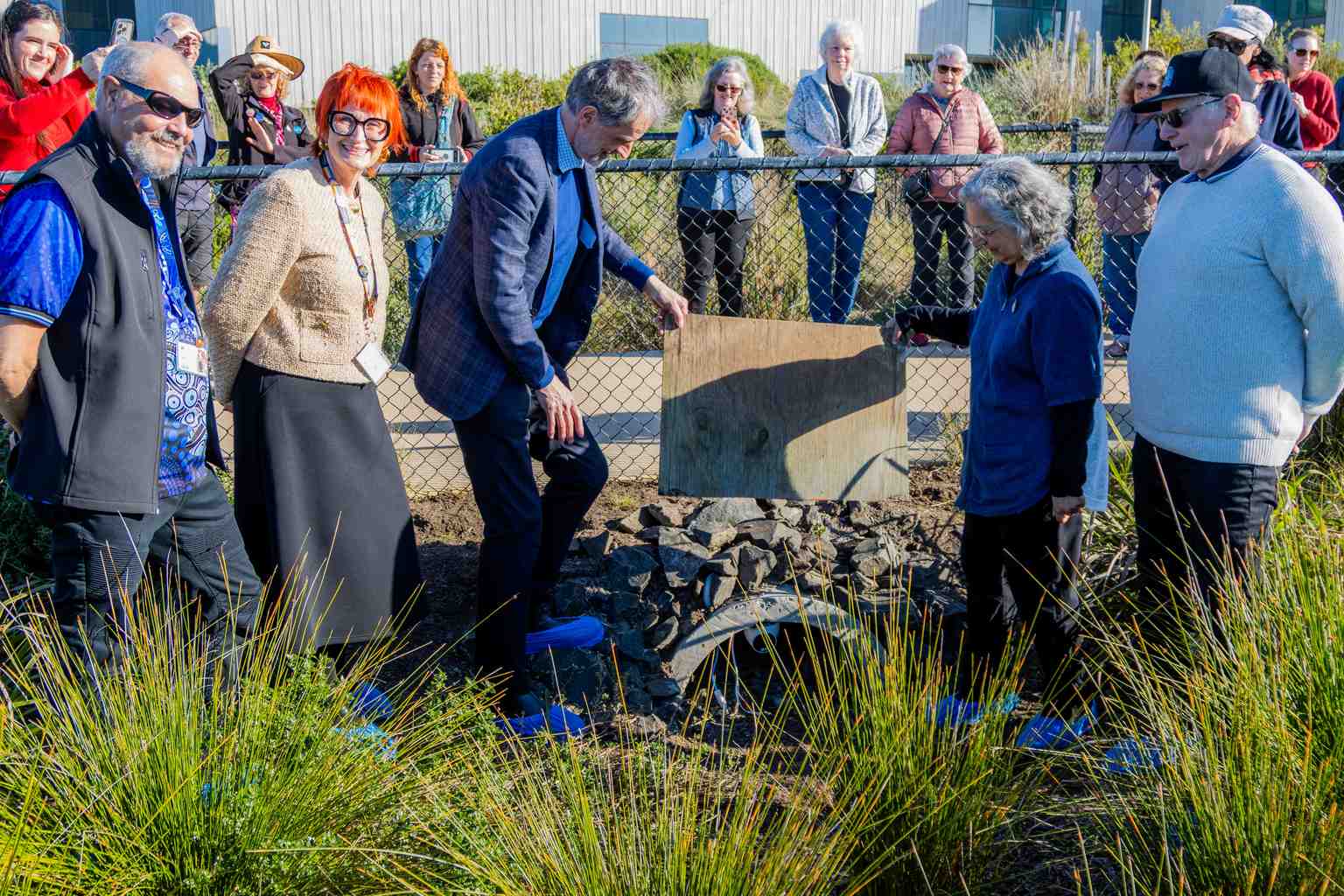
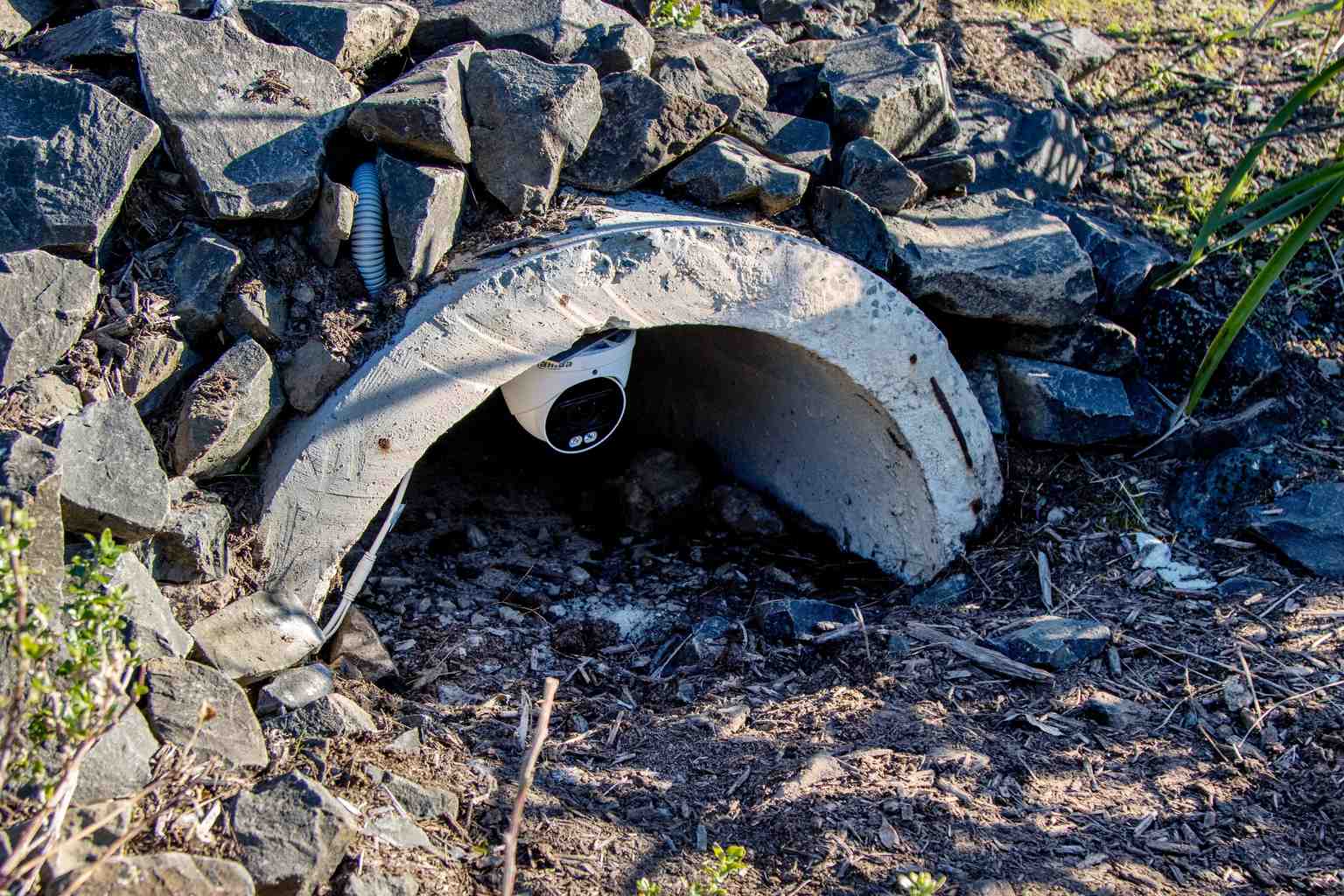
Little penguins in Burnie now have more room to roam after nine purpose-built tunnels beneath the Coastal Pathway were opened on Monday, giving the colony access to an expanded habitat at West Park.
The tunnels connect the beach to a former car park that has been regenerated with hundreds of native plants as part of the University of Tasmania’s Cradle Coast campus move to West Park.
The area is bordered by 1.2-metre fencing and will be monitored over coming months to see how the penguins discover and use the space.
University of Tasmania Vice-Chancellor Rufus Black said it was special to welcome the penguins after years of planning.
“Penguins capture our hearts. We admire these brave little creatures as they venture out into the vast dark ocean full of dangers and each night return to rest on our shores,” he said.
“The little penguins have lived on this coast for at least as long as we have had stories about this special place.”
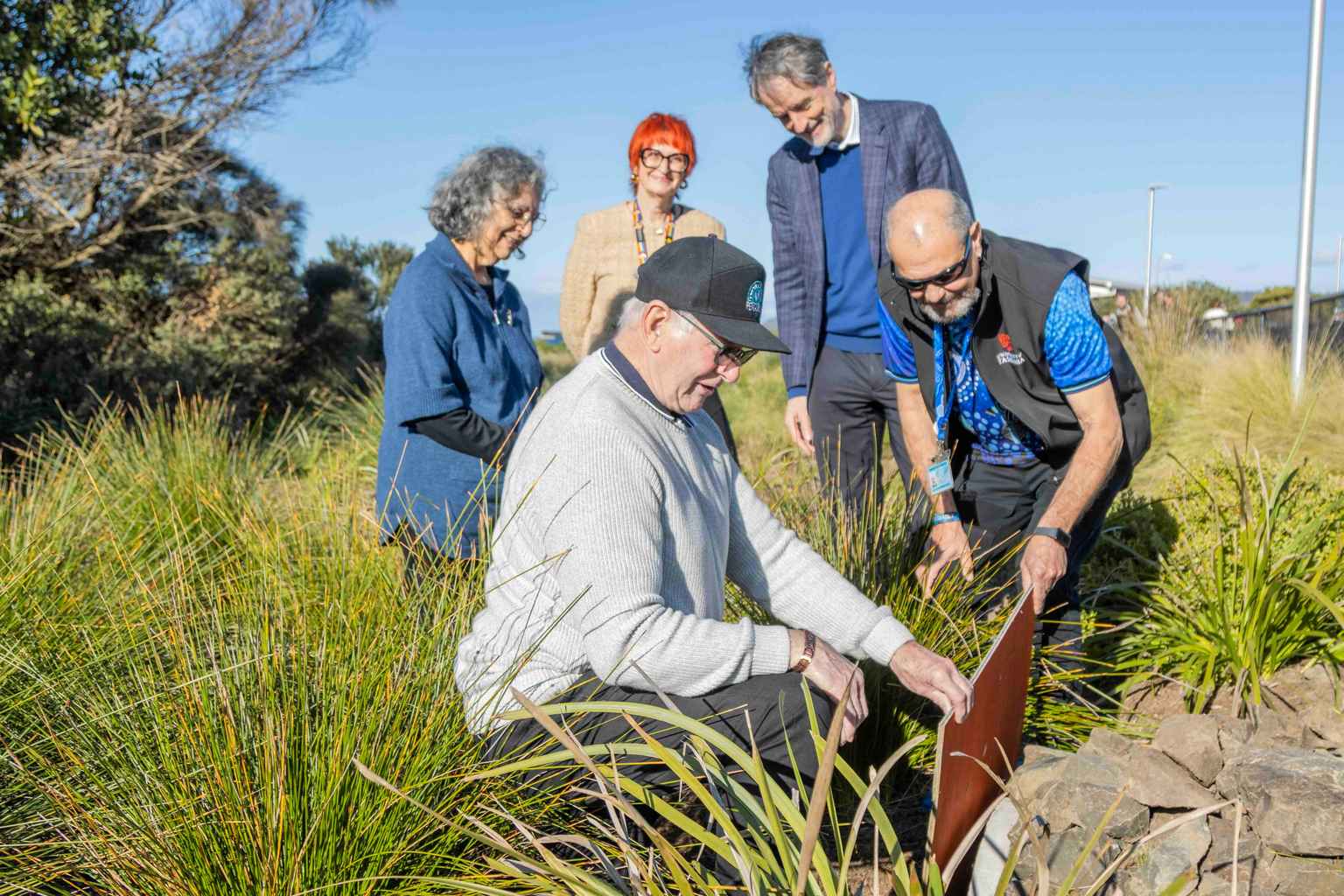
“The least we could do is to make their home a little larger so their colony can grow.”
Perviz Marker, coordinator of Friends of Burnie Penguins and penguin ecologist, said the group initiated the expansion after approaching the university several years ago.
“It has been a great collaborative process right from the beginning with conversations with architects about our vision for the car park, to workshopping the ideas with the Friends of Burnie Penguins members and continuing discussions with the UTAS project team to incorporate the ideas and fine tune various elements,” Dr Marker said.
Little penguins – the world’s smallest – have been known inhabitants of West Park for more than 120 years but were fenced to the coastal fringe in 2001.
Penguin-friendly amber lighting has been installed across the precinct to support the growing colony.
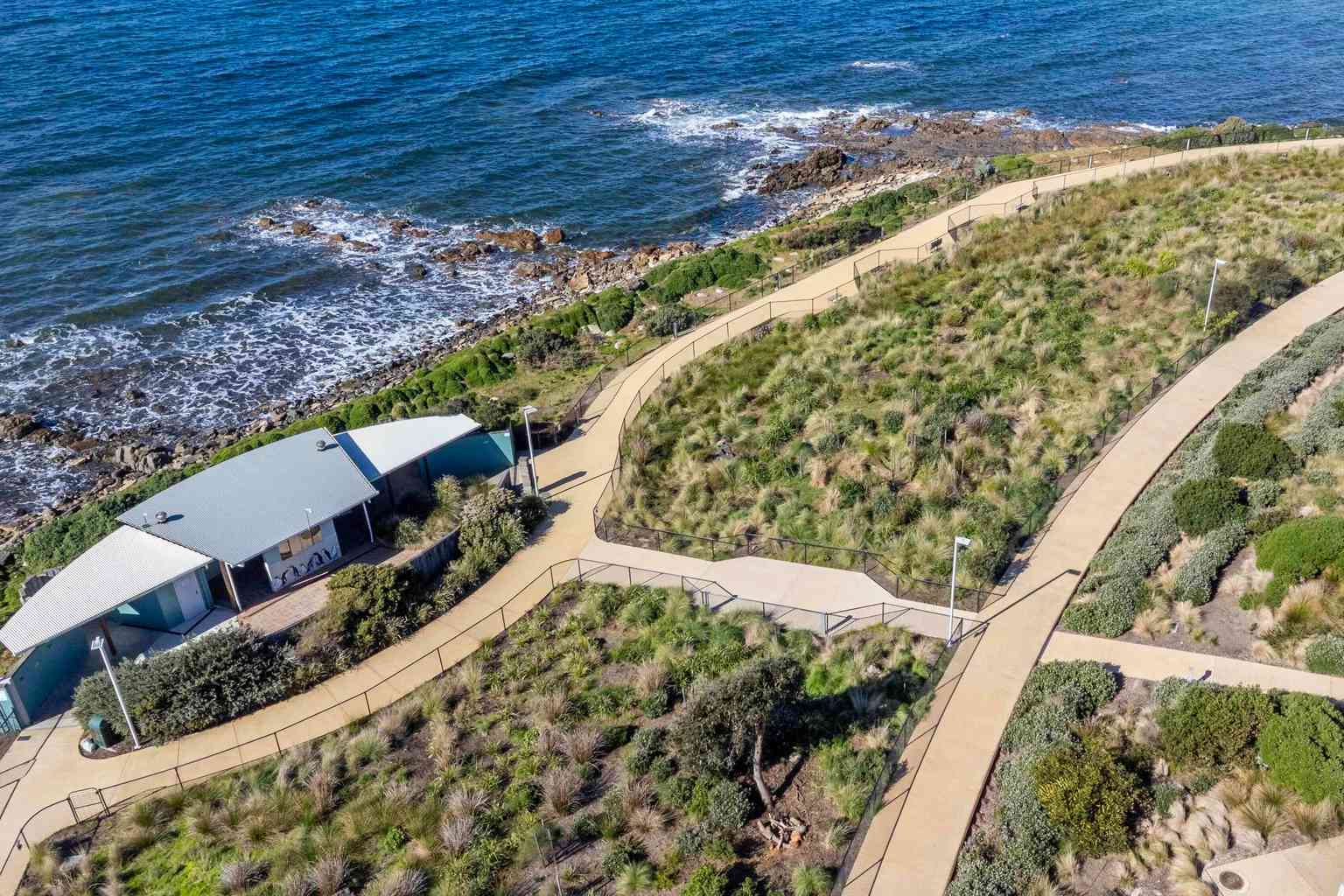
The habitat was designed with help from landscape architects ASPECT Studios, with local firm Fairbrother overseeing construction and contributing 12 penguin burrows.
The university has also made its internet available to the neighbouring Burnie Penguin Observation Centre, enabling live streaming of burrow activity to YouTube.