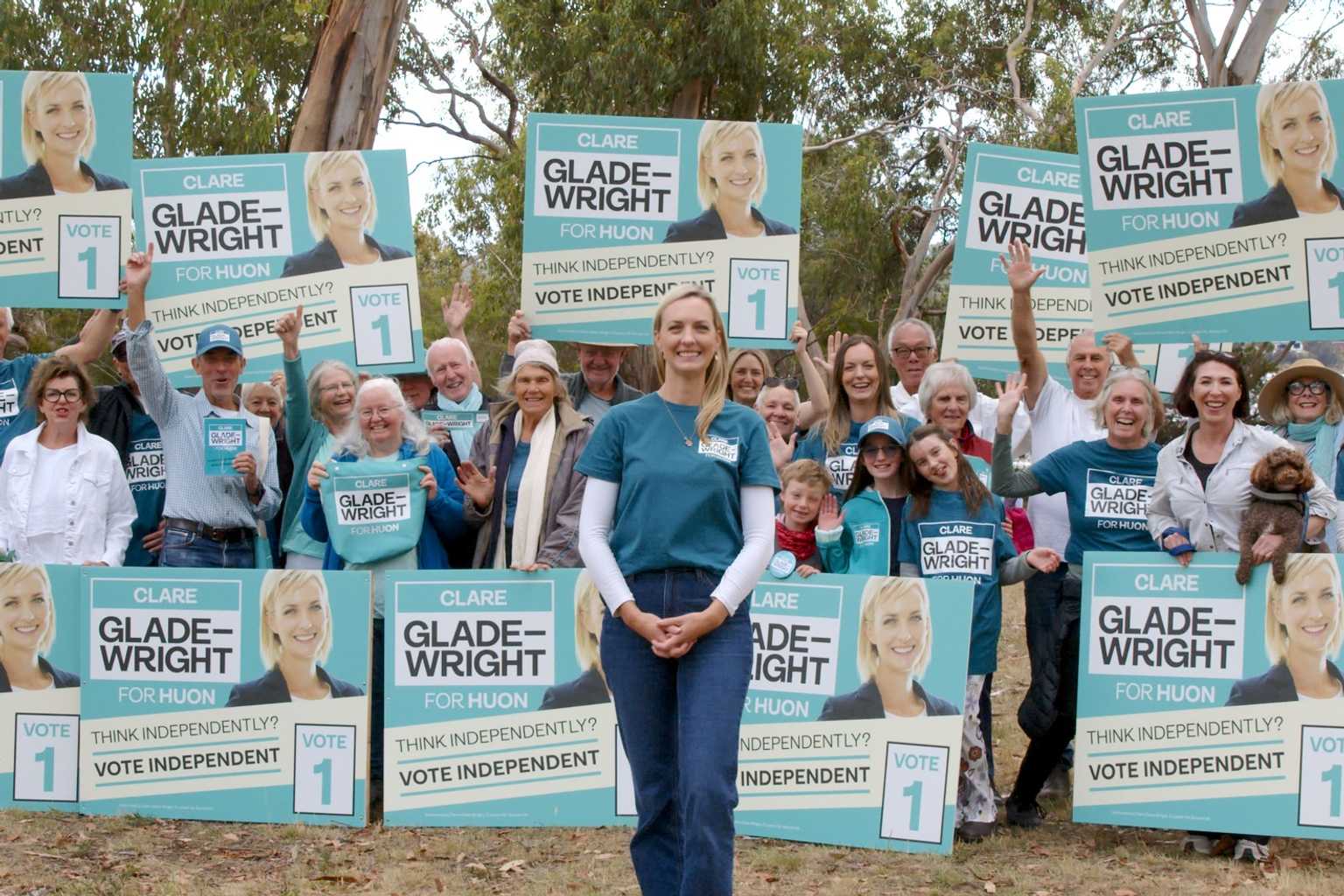
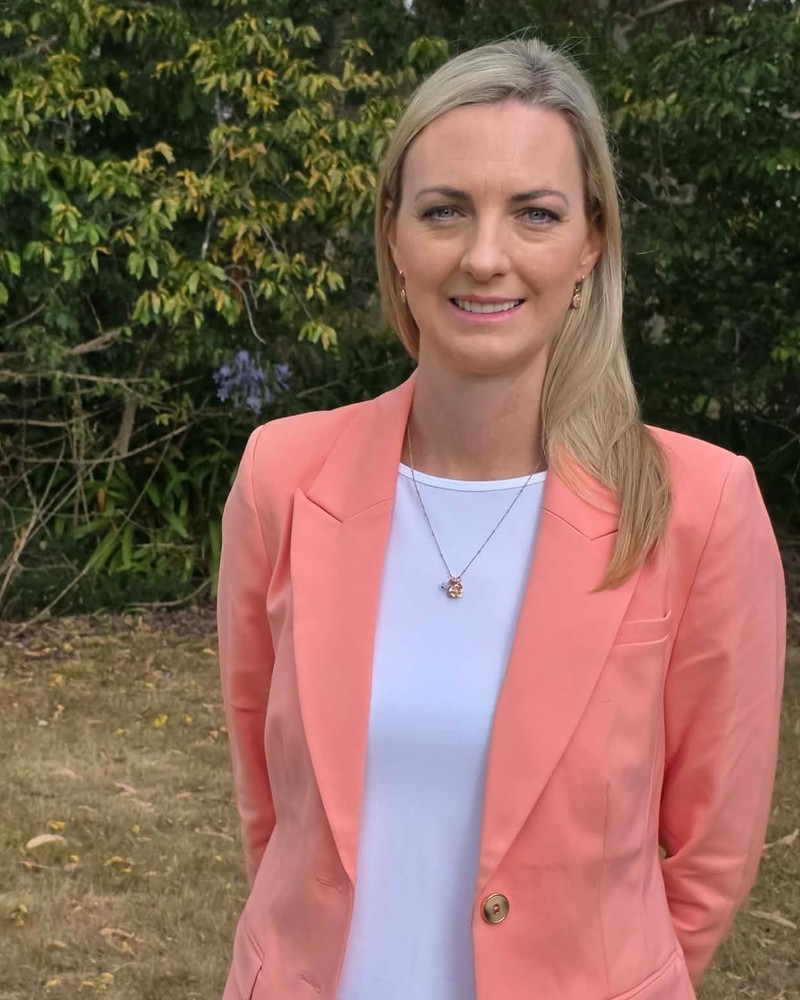
Community independent Clare Glade-Wright is banking on voter frustration with party politics and a groundswell of grassroots support as she campaigns for the Huon seat in Tasmania’s Legislative Council.
Glade-Wright, currently Kingborough’s deputy mayor, said she was approached by community members unhappy with their current representation and asked to put her name forward.
This story is part of a Pulse deep-dive series on the May 2 Legislative Council elections. To read more about the candidates standing, click here.
“There’s a lot of people in the community who are really frustrated with the representation that they are getting at the moment with the incumbent,” she said.
“And because I’ve got a track record of being visible and engaging and accessible in my role as deputy mayor, they came and tapped me on the shoulder.”
Glade-Wright was selected through an expression of interest process run by Voices of Franklin, a local arm of the nationwide Community Independents project.
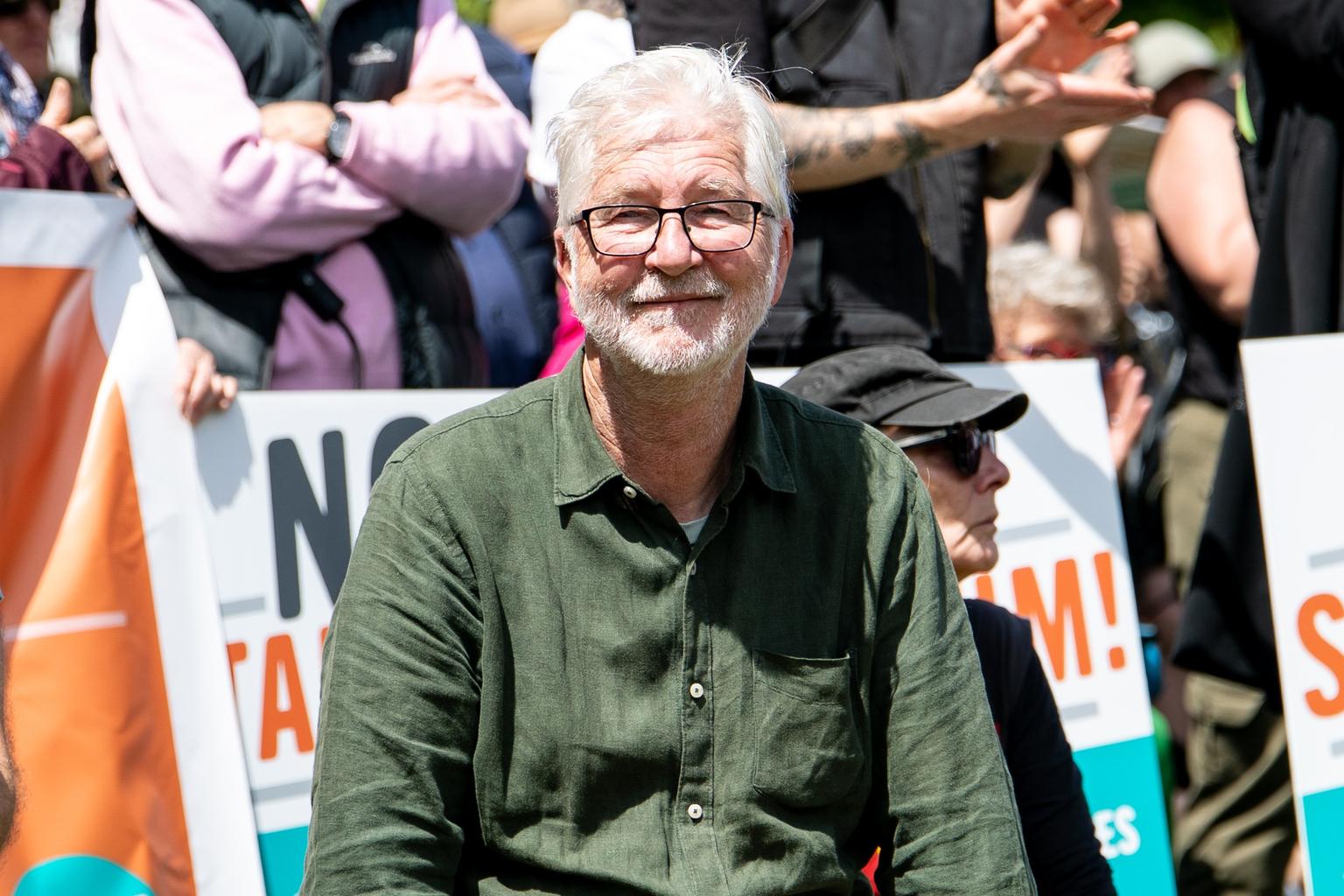
The group conducts extensive community consultation, including kitchen table conversations across the electorate, before producing a summary report and finding candidates who align with its findings.
But Glade-Wright said once a candidate is selected, the guidance ends.
“They do a whole lot of work. It’s one to two years of community consultation. Then they produce a summary report, find a candidate, select them and then hand it over and it’s up to the candidate to run their own campaigns,” she said.
She has also secured an endorsement from Peter George, the high-profile community independent who made waves in Tasmania’s lower house.
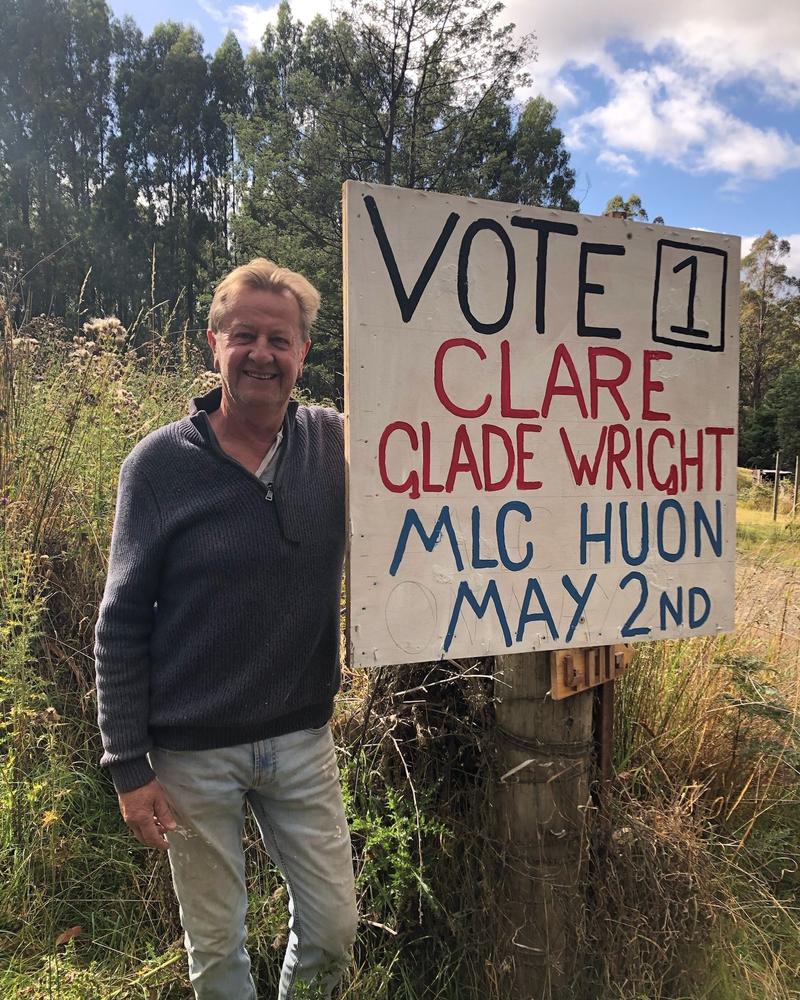
“His campaign resonated a lot with the community down here, so to have him endorse me, I’m really pleased about it,” she said.
But Glade-Wright was quick to stress the endorsement does not mean she is bound to George’s positions, particularly on salmon farming, where the two diverge.
“An endorsement from Peter George doesn’t mean that I have to vote in line with him. We are independents, you know?” she said.
“If you look at the Teals, the federal Teals, they don’t always vote in line with each other but they share a values alignment.”
Where George has taken a harder line against the salmon industry, Glade-Wright described herself as “pro-health as opposed to anti-salmon.”
She said she could support salmon farming within certain parameters and has been pushing for a Derwent Estuary style program in the Channel and Huon Estuary to prioritise waterway health.
“All jobs are important, but no job should come at the expense of ecosystem collapse,” she said.
“So we need to find a way of supporting people with their jobs and also ensuring that sensitive ecosystems are being looked after. And we can do that, we just have to be innovative.”

Glade-Wright said marine scientists had told her the Channel and Huon estuaries are under stress and face a risk of ecosystem collapse, with pressures coming not just from industry but also climate change, agricultural runoff and aging septic systems.
She launched a petition calling for the program and said it had attracted nearly 500 signatures.
An event at Trial Bay drew 90 people and nearly a dozen swimming groups despite hail and freezing conditions, she said.
Salmon and the Hobart stadium are the two issues coming up most on the doorstep, according to Glade-Wright.
On the stadium, she said she had nothing against the venue or Tasmania’s AFL team but objected to the process and the cost given the state of the budget.
“What I’m against is the process that the stadium came about, the corruption of process and the fact that it’s just far too expensive given our state budget,” she said.
She argued the claim of “no stadium, no team” was never properly tested with the AFL.
“If it had been decided in the upper house that we weren’t going ahead with the stadium, then it would be interesting to see what the AFL would come back with. It was never actually tested,” she said.
On broader budget concerns, Glade-Wright said she backed a balanced approach using three levers: capital spending, operational spending and tax reform.
She called for an upper house inquiry into tax reform and said any cuts to services should be assessed for their social impact.
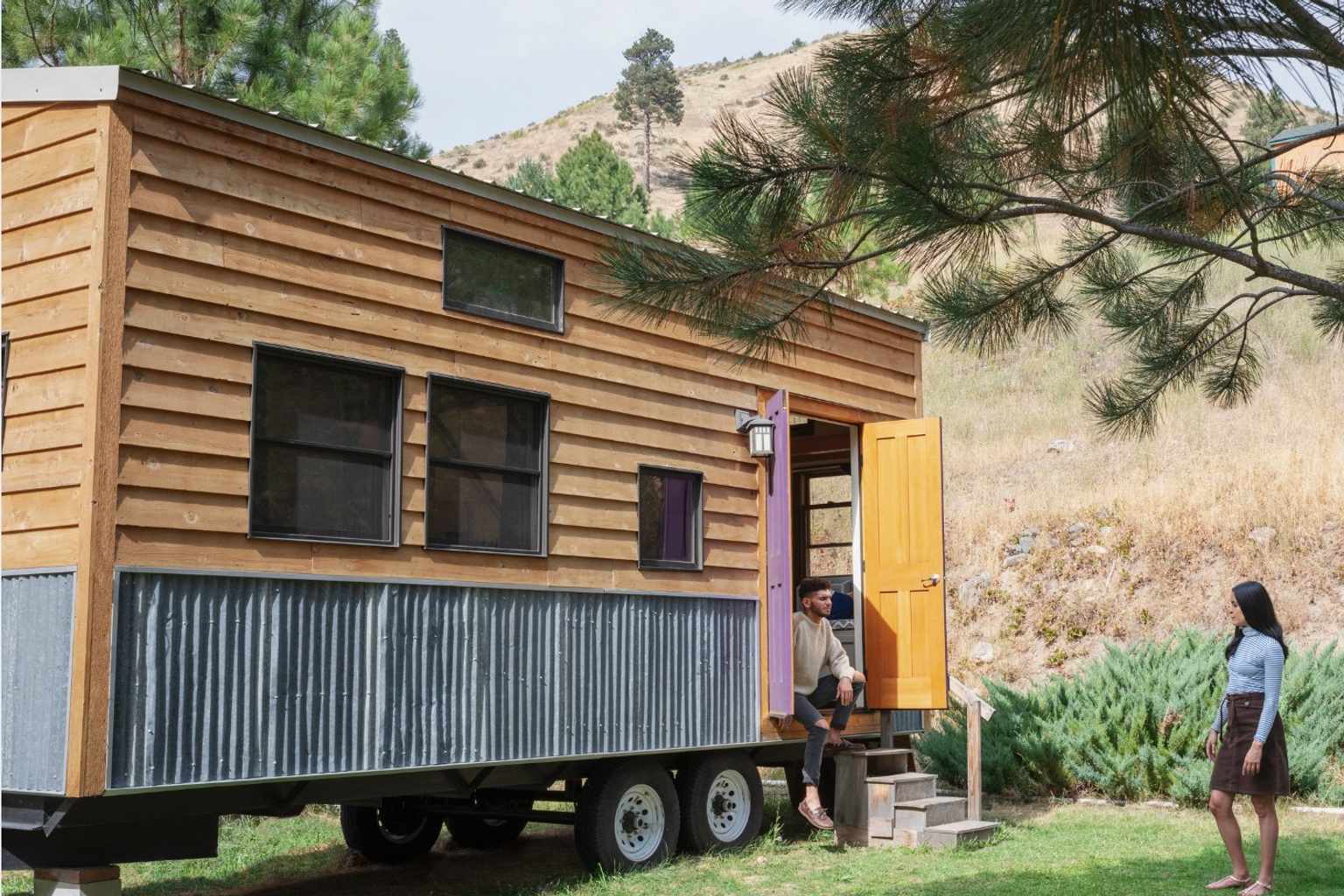
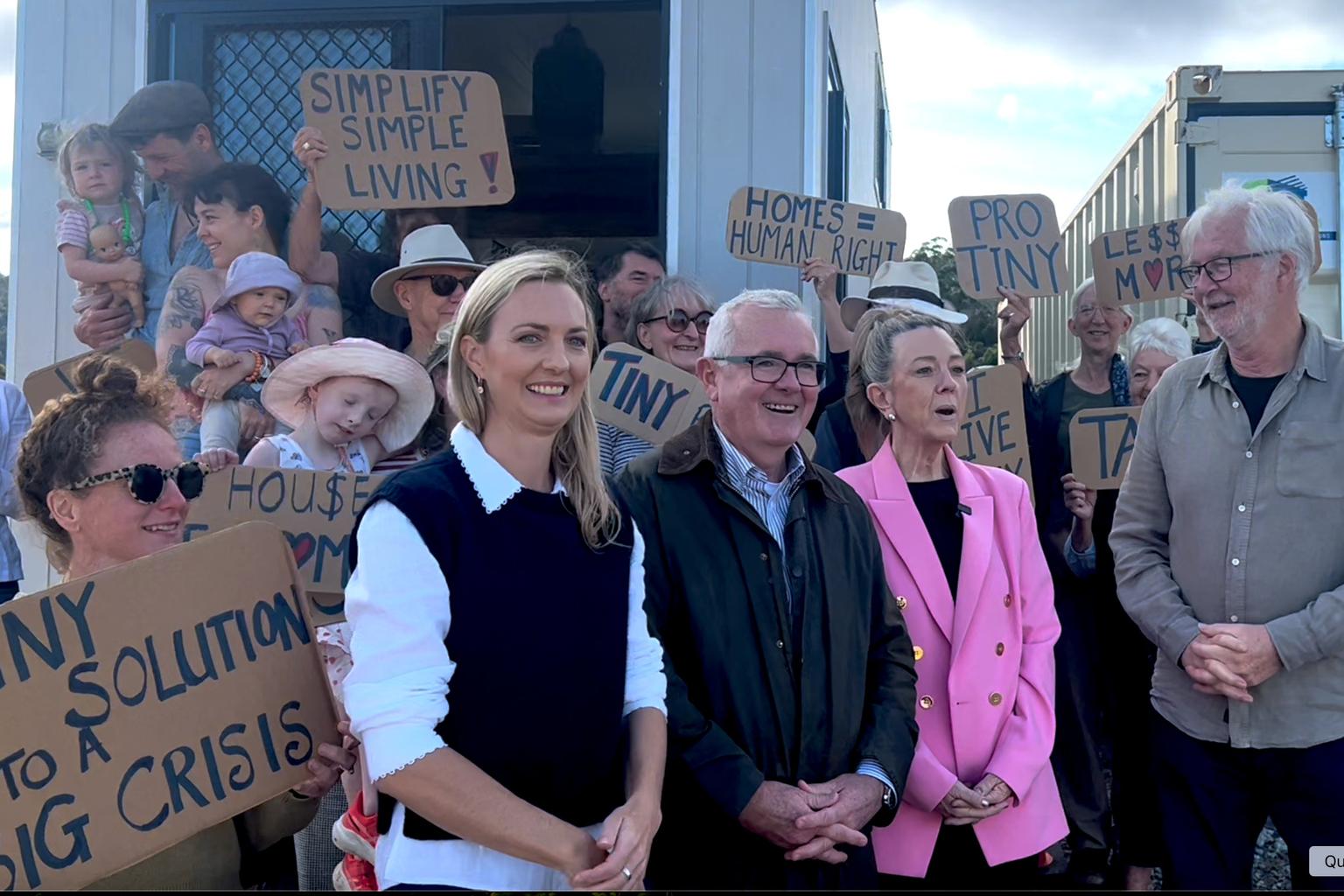
Her other key policy is tiny house compliance.
Glade-Wright said many people in the Huon Valley and southern Kingborough are already living in tiny houses but flying under council radar because there is no clear pathway for approval.
She said changes were needed at federal level to create a distinct housing type in the National Construction Code, with state planning rules then updated to recognise it.
“Councils want to approve them. I’ve spoken to many builders who want to build them. We know land hosts would like to host them and we know that there are lots of people who would like to live in them but currently can’t do so because of the compliance issue,” she said.
Glade-Wright said her campaign had attracted nearly 40 donors and close to 140 volunteers, well above an initial target of 50.
She framed her candidacy as part of a broader push for community-minded independents in Tasmania’s upper house.
“It doesn’t feel like it’s about me as an individual. It feels like there’s a bigger thing at play here and I’ve just stepped up into that space,” she said.