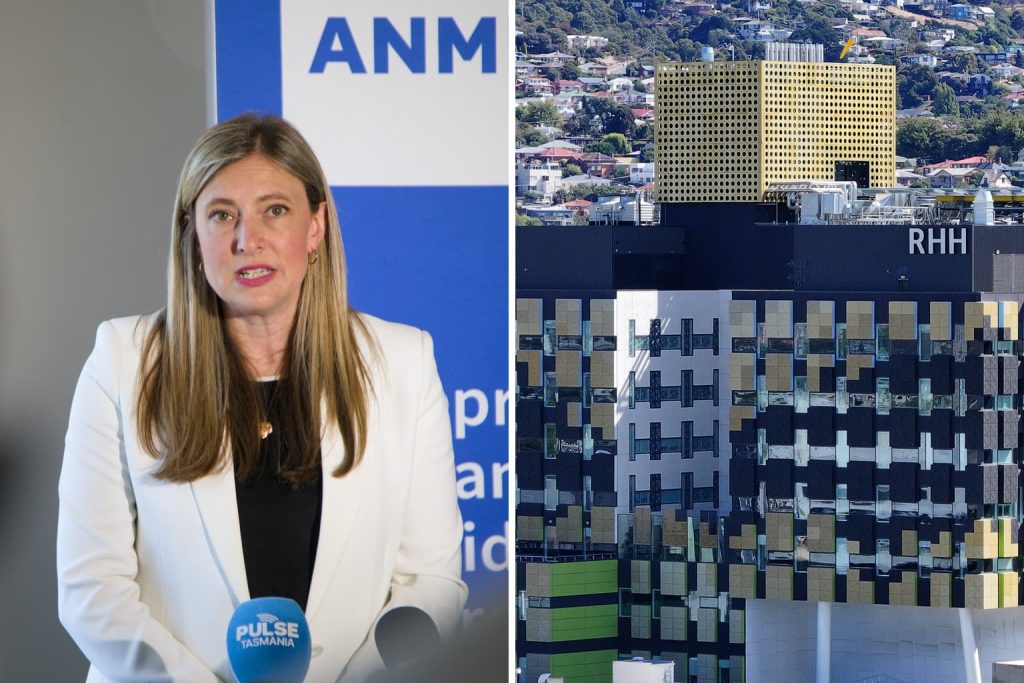
Clarence councillors will vote on Monday on whether to refund sports clubs the extra they have paid in ground hire fees this financial year, while the council reviews how those fees are set.
The vote follows months of pushback from local clubs. Before last month’s council election, 26 clubs formed an alliance called Clarence Community Sporting Clubs, with backing from Clubs Tasmania.
Clubs Tasmania spokesperson Tom Darke told Pulse in October the council was “treating them like a commercial operation”.
He said some Clarence clubs paid three times as much as clubs in other council areas.
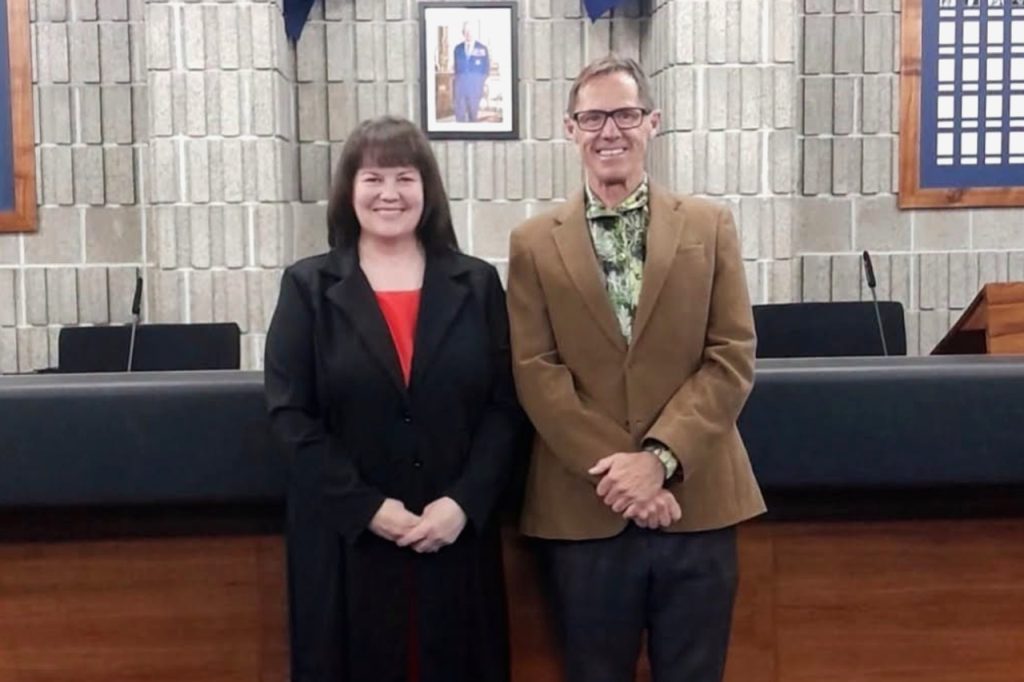
Deputy mayor Allison Ritchie’s motion would give clubs back the difference between what they have been charged since July 1 and what the same use would have cost under last year’s fees.
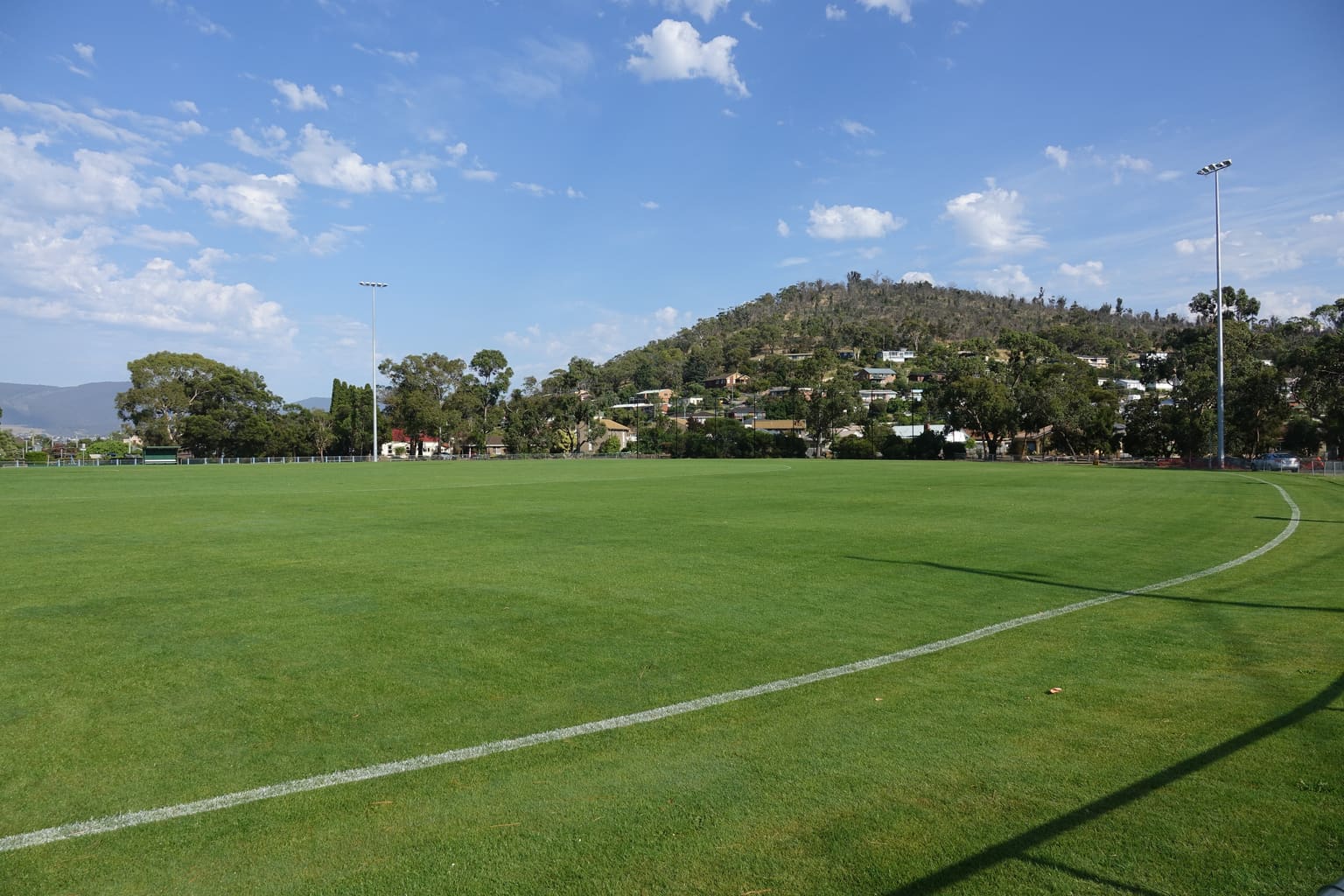
Refunds would be calculated automatically and either paid back or credited against future hire fees, at an estimated cost of $40,000.
They would cover ground hire only, not annual lease and licence fees.
From July 1, the council split ground hire into separate training and match rates.
Junior match hire rose from $22.35 to $35 an hour and senior match hire from $44.70 to $57.
“Interim relief would support their financial stability and affordability while council completes the consultation and review needed to determine its future fee structure,” Ritchie wrote.
In August, the council backed an earlier motion from Ritchie to review the fee structure in consultation with clubs. That review is due to report within six months.
The refunds would run for this financial year and could be extended if the review isn’t finished before next year’s budget.
They would not be clawed back if the council decides to keep the new fees.
In the meeting agenda, chief executive Ian Nelson said fees are reviewed each year to keep them in line with other greater Hobart councils.
He said that is to comply with national competition policy and to stop clubs from outside Clarence crowding its grounds because they are cheaper.
He said Clarence had not charged match fees as other councils did and the rises brought it into line.
The grounds cost $3.1 million to run last financial year, not counting renewal and capital works.
They brought in $620,000 from clubs, associations and commercial operators, which left ratepayers covering about $2.5 million.
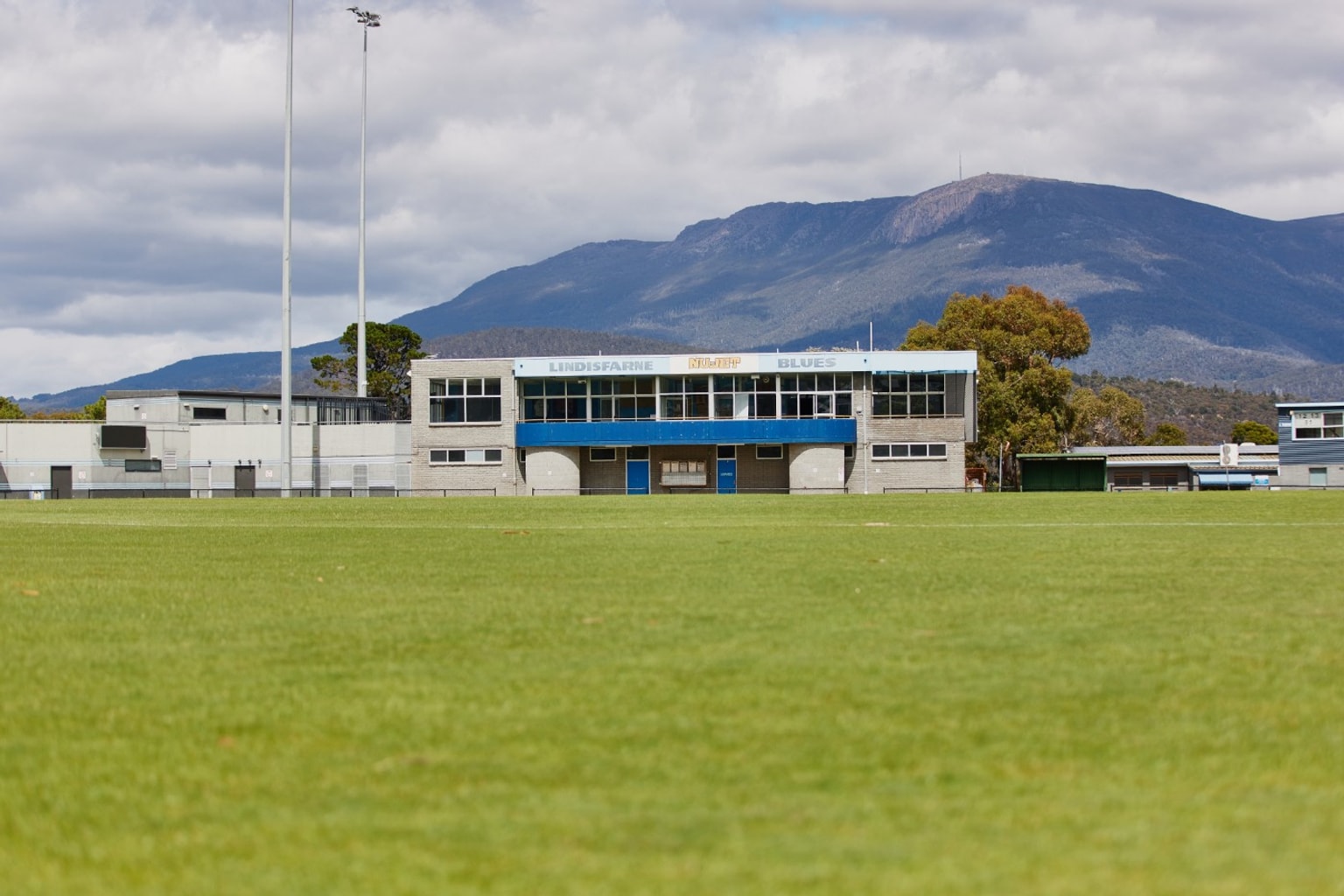
Nelson said any significant fall in revenue would mean ratepayers “further indirectly subsidise” clubs and individuals, some of whom are not based in Clarence.
The alternative was to reduce maintenance, he said, which would lower the standard of playing surfaces.
Nelson said the refunds would cut this year’s budgeted income, so the council would need either an absolute majority vote to amend the budget or savings found elsewhere.
A separate motion from councillor Daniel Hulme deals with the rent clubs pay to lease clubrooms, storage, offices and grounds.
In his notes, Hulme said a key complaint from the alliance is that Clarence’s lease fees are high by Tasmanian standards.
His motion asks for Clarence’s lease fees to be compared with other Tasmanian councils’ as part of an external review of the council’s 2006 lease policy, which is already under way.
It would also put lease negotiations on hold until a new policy is approved.
Nelson said the comparison “may not be able to be delivered” because lease deals vary widely and are often confidential and suggested waiting for the consultants’ draft policy.
Clubs whose leases are up for renewal have already been told they will continue on their current terms, provided they stick to those terms, he said.
Councillors will debate both motions on Monday.