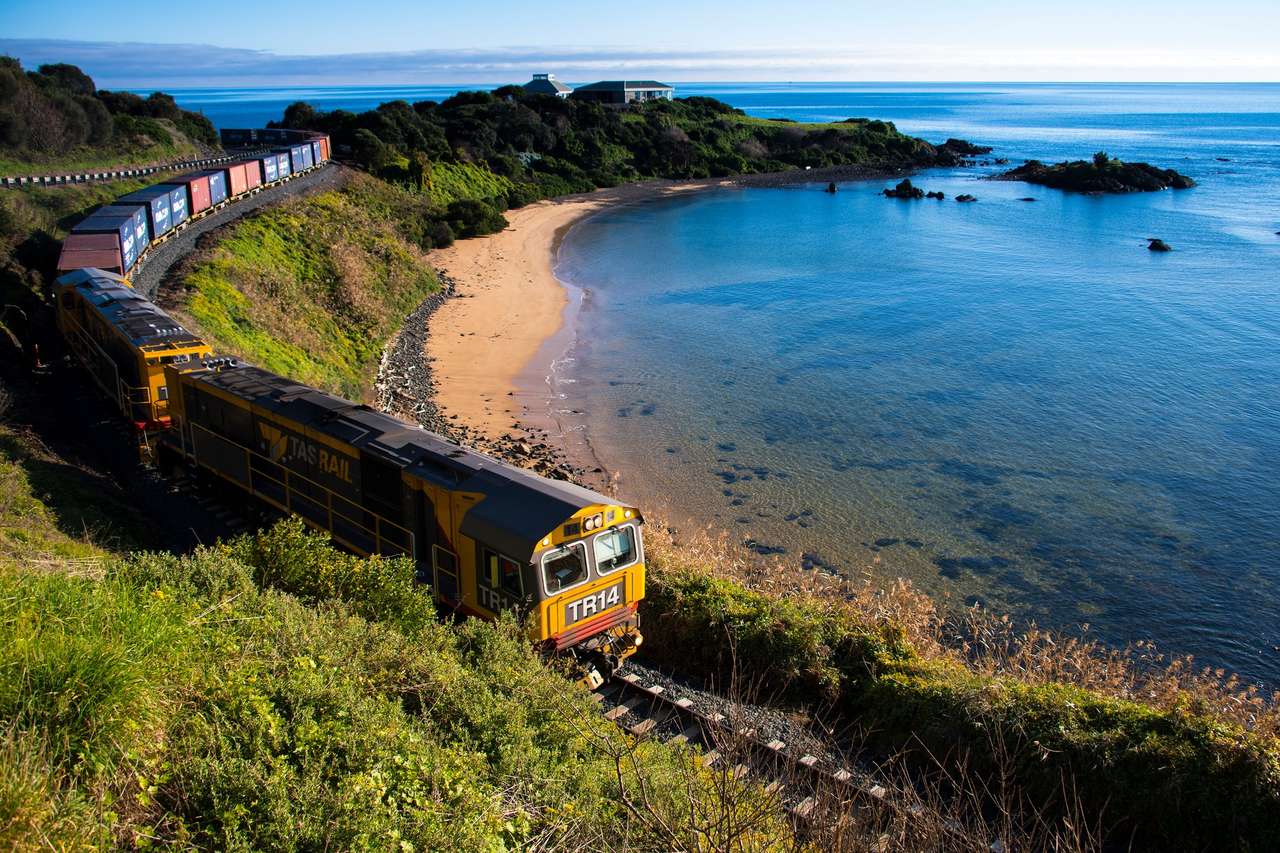
Tasmania is unlikely to see commuter trains return any time soon, but the state’s rail boss says tourist “experience” services could be on the horizon.
TasRail chief executive Stephen Dietrich told ABC Radio last week he was frequently asked about bringing back passenger rail, particularly as fuel prices rise amid ongoing conflict in the Middle East.
But he said a return to commuter services was “probably not practical”.
A train trip from Launceston to Brighton would take five to six hours, he said – more than double the roughly two-and-a-half-hour drive.
“We’re still developing the network to get it to a safe, reliable, efficient space for freight,” Dietrich said.
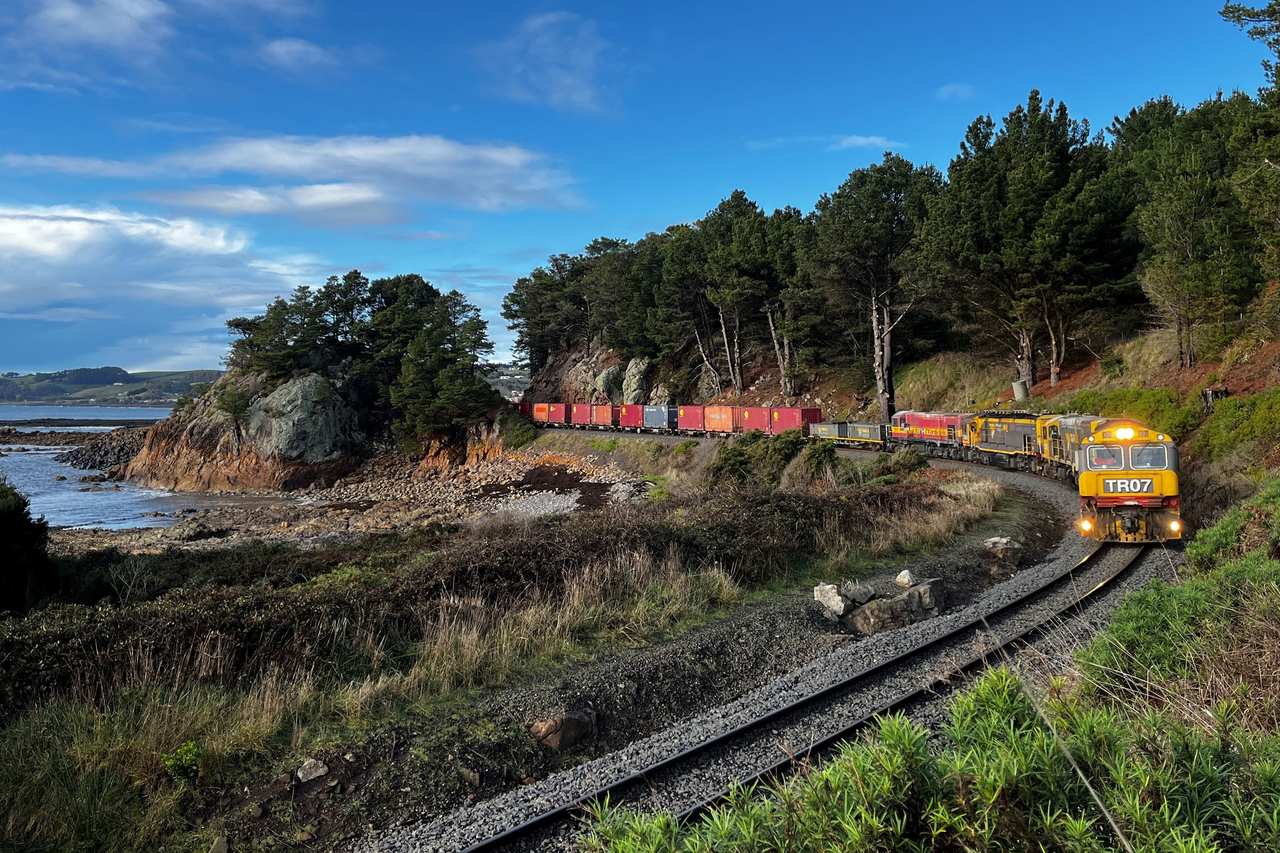
“But I would say never say never. We’re looking at opportunities into the future.”
Tasmania’s last passenger service, the Tasman Limited, ran for the final time in July 1978 – nearly 50 years ago.
Dietrich said any modern passenger service would require significant investment to meet current safety, accessibility and infrastructure standards.
Tourism, however, presents a more realistic opportunity.
TasRail is working with the Don River Railway near Devonport on plans to run heritage-style services on the main line.
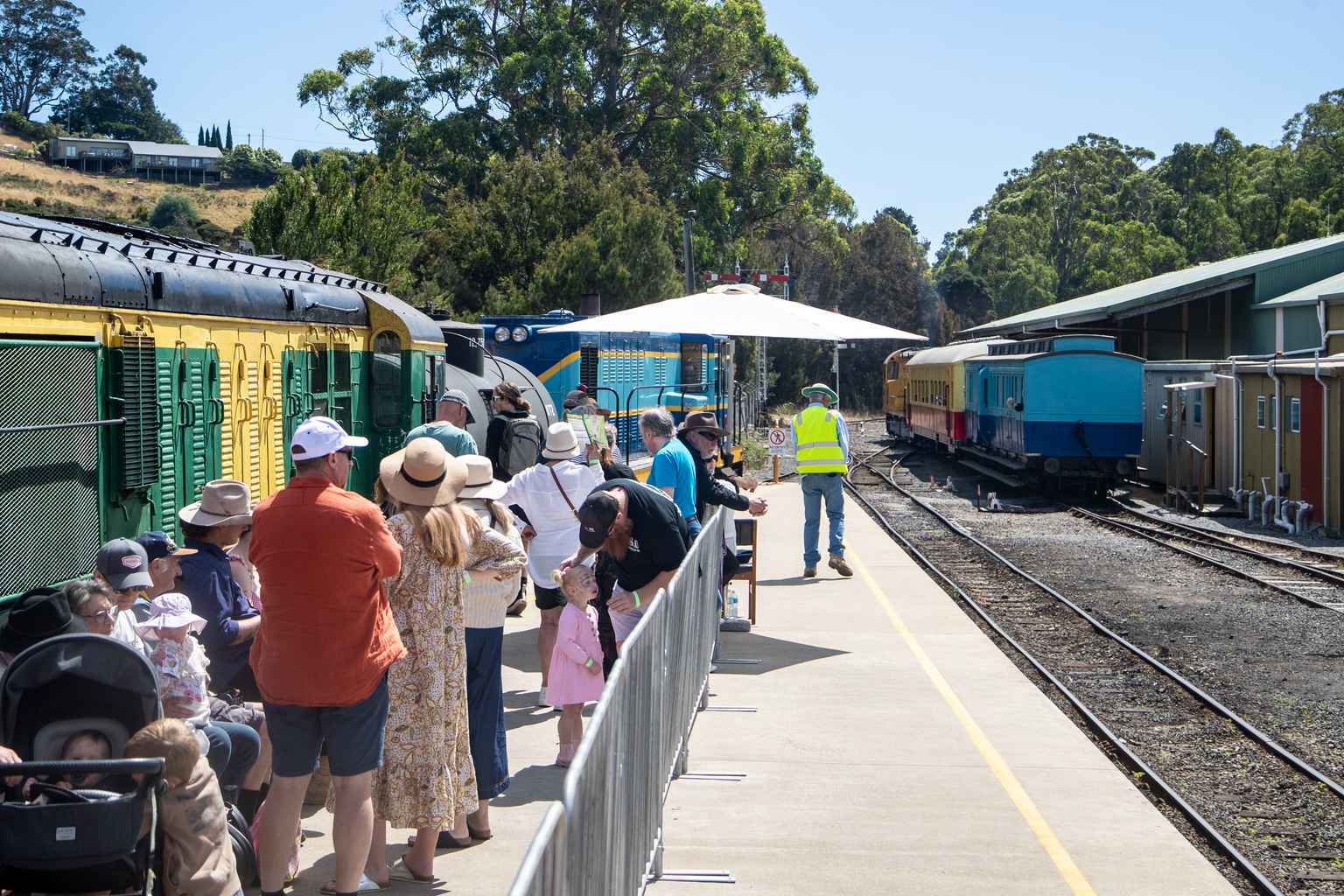
“We’re thinking there’s an opportunity to use our existing big freight TR locomotives to maybe, possibly, provide a passenger service that is an experience a couple of times on a weekend,” he said.
“There’s a lot of work that needs to go into that and obviously it needs support from government and a lot of other stakeholders to see that through.”
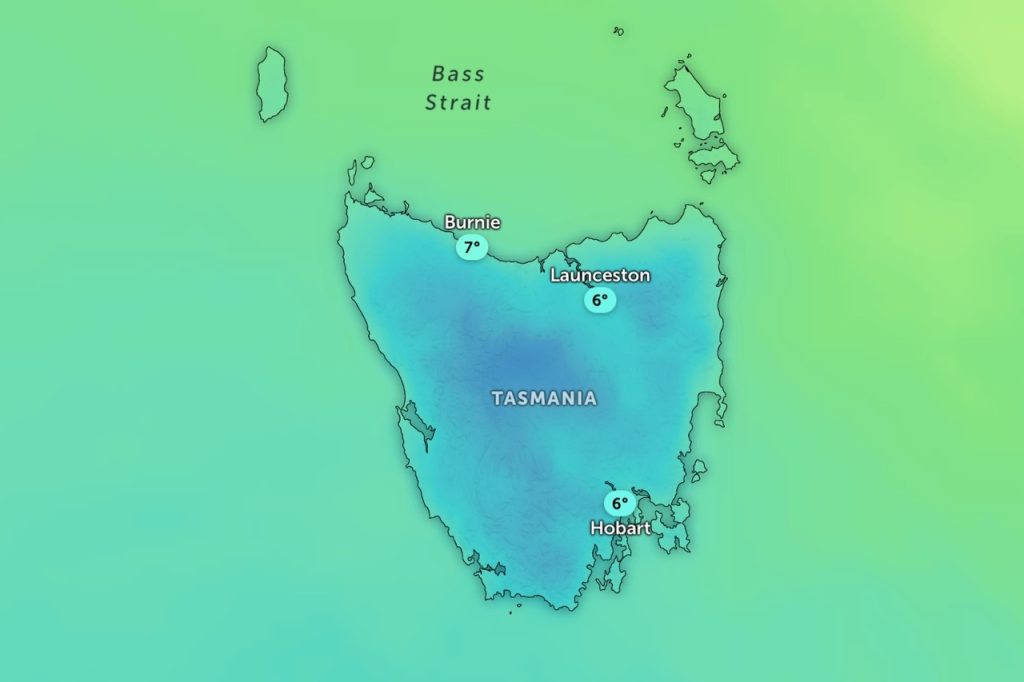
He said the north-west coast between Burnie and Devonport featured some of the most iconic scenery in the world and could rival journeys like The Ghan between Adelaide and Darwin.
For now, freight remains TasRail’s core focus.
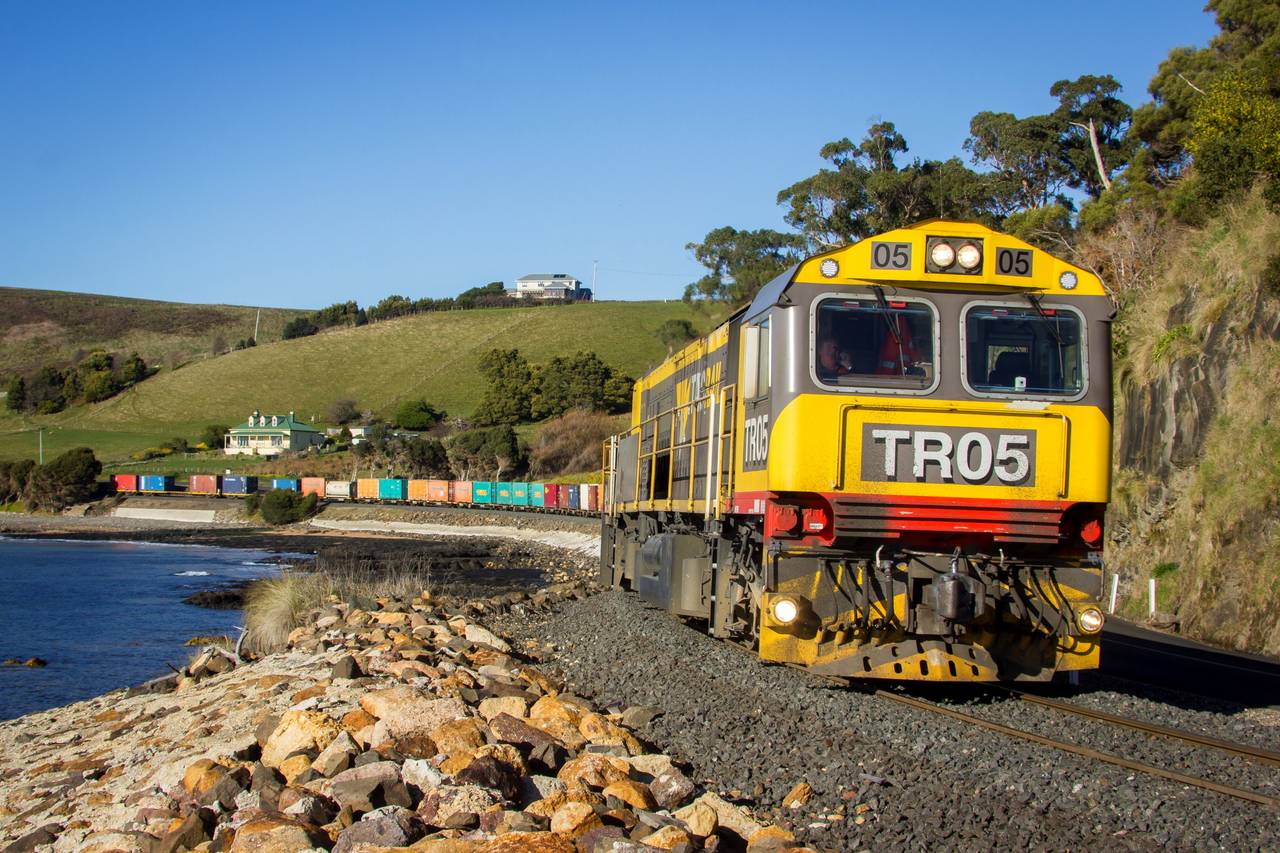
The state-owned company runs more than 120 services a week, has gone more than 2,000 days without a mainline derailment and is achieving 99% on-time performance.
Dietrich said rail removes the equivalent of 200,000 B-double truck movements from Tasmanian roads each year, while producing 75% less carbon per tonne-kilometre than road freight.
“Our key focus at the moment, particularly with this fuel crisis, is ensuring our trains can reliably, safely and efficiently deliver the freight that Tasmanians need,” he said.