Tasmania’s integrity watchdog has found many local councils are failing to properly track gifts and donations to staff and elected members, raising concerns about potential corruption risks.
The Integrity Commission today released a consultation paper revealing widespread non-compliance with gift register requirements across the state’s 29 councils.
An audit found just 600 gift declarations had been recorded across all councils over roughly 12 years, with the four largest municipalities accounting for nearly 70% of entries.
Two councils had no public gift register at all.

“The research highlights that the current regulatory framework presents several misconduct risks,” CEO Ellen McKenzie said.
“Findings point to inconsistencies in policies and procedures, as well as limited awareness of the potential impacts these risks may have.”
The paper noted councils are legally required to update gift registers monthly, but few have met this obligation.
A “substantial number” of registers appear not to have been updated since 2022.
The commission also found most council gift policies fail to clearly distinguish between gifts and donations, while nearly half do not mention donations at all.
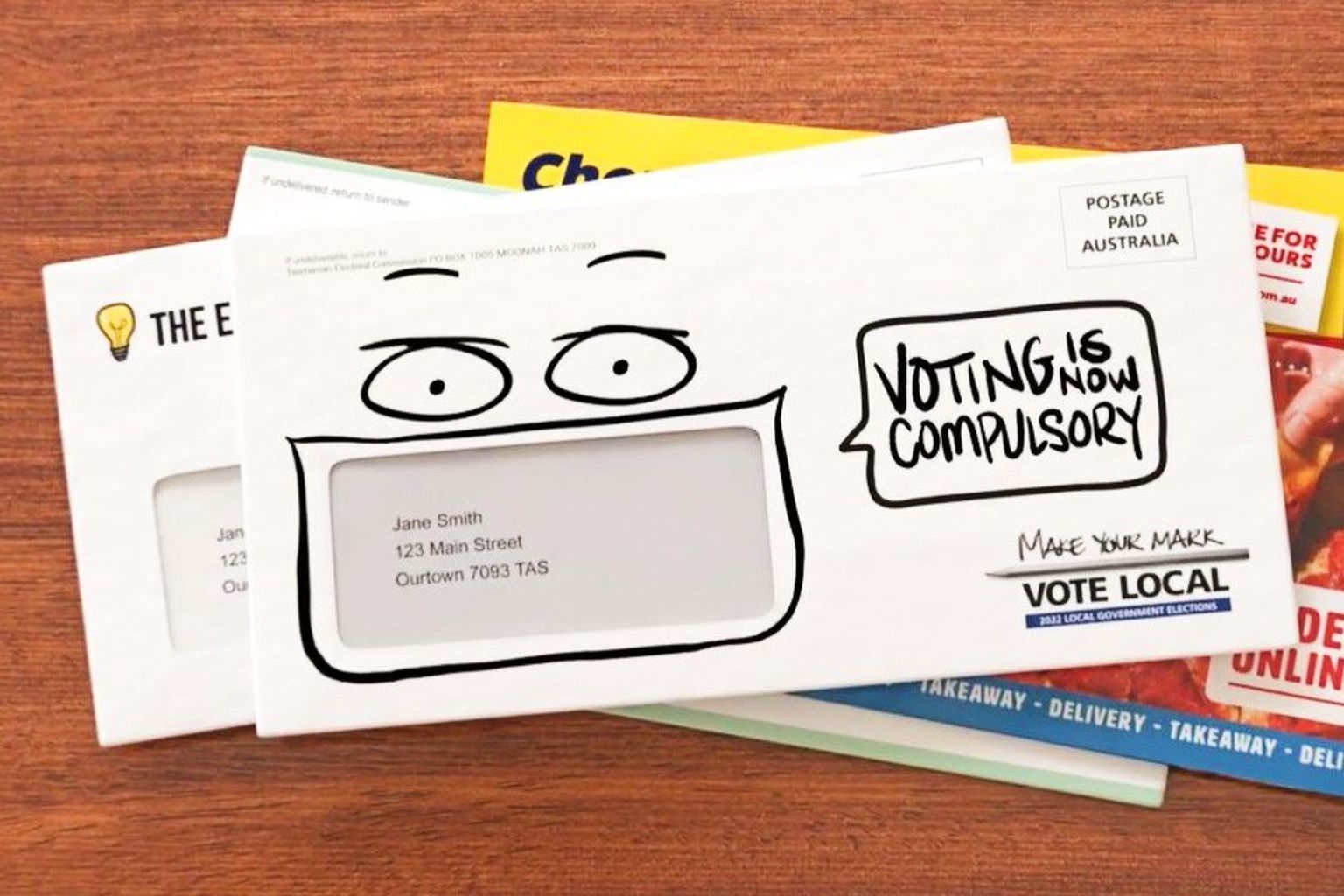
Unlike other Australian states, Tasmania does not require local government candidates to declare campaign donations before being elected.
The paper warned that local councils are particularly vulnerable to improper influence because of their direct contact with residents and their discretionary powers over planning, permits and procurement.
“Proximity to the people and the discretion that local officials have in exercising their functions can make local government highly vulnerable to corruption,” the paper stated, referencing previous corruption research.
McKenzie said proper management of gifts and donations was essential to maintaining public confidence.
“Public trust depends on councils acting with impartiality and councillors avoiding personal gain,” she said.
“Proper and transparent management of gifts and donations is essential to preventing favouritism and maintaining public confidence in local government.”
The commission is seeking public submissions on potential reforms, including whether to introduce a statewide model policy and mandatory donation disclosure for election candidates.
Submissions close on Monday, March 2.