Unnamed companies are exploring six data centre projects in Tasmania, a document tabled by the state government in parliament has revealed.
The document was tabled yesterday in response to a Greens motion demanding details of every AI proponent working with the Office of the Coordinator-General. It dominated question time today.
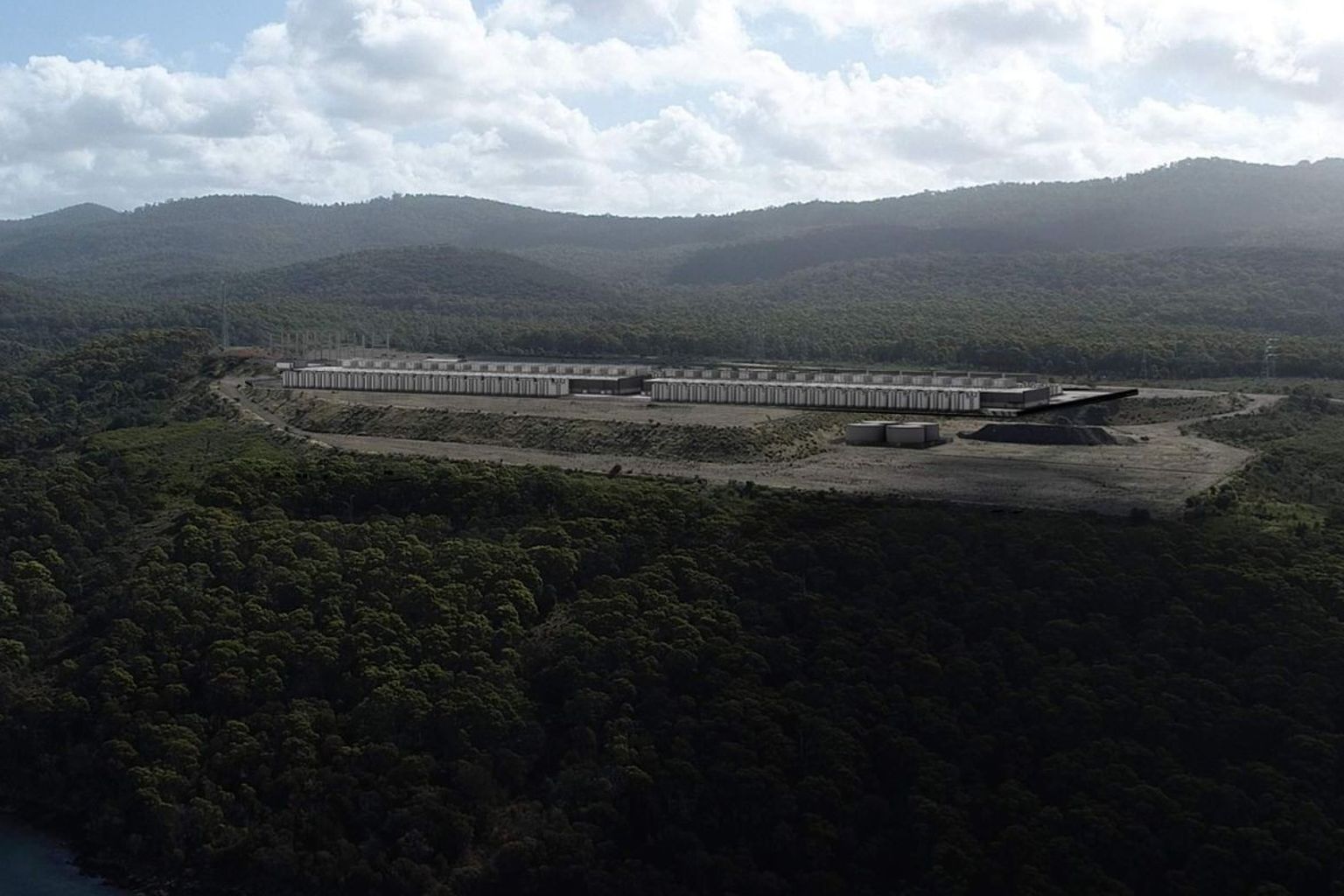
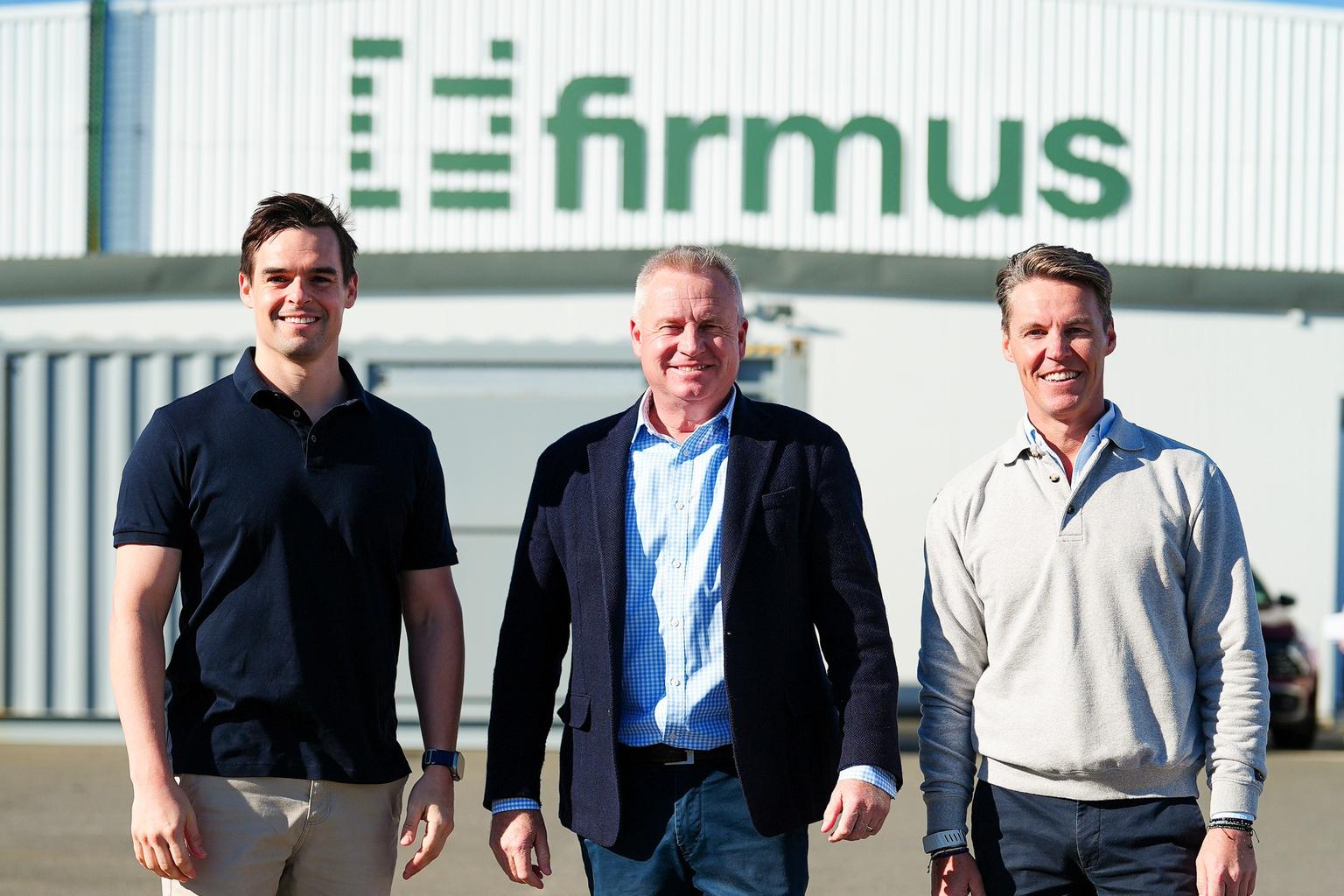
The document lists three Firmus Technologies projects in northern Tasmania – one under construction at St Leonards, one planned for Bell Bay and one going through approvals at Wesley Vale.
It puts their combined electricity demand at around 444 megawatts. It also lists a Viridis project in Burnie at less than one megawatt.
Beyond those are another six proposals, identified only as proponents three to eight.
The document does not say whether they are from one company or several.
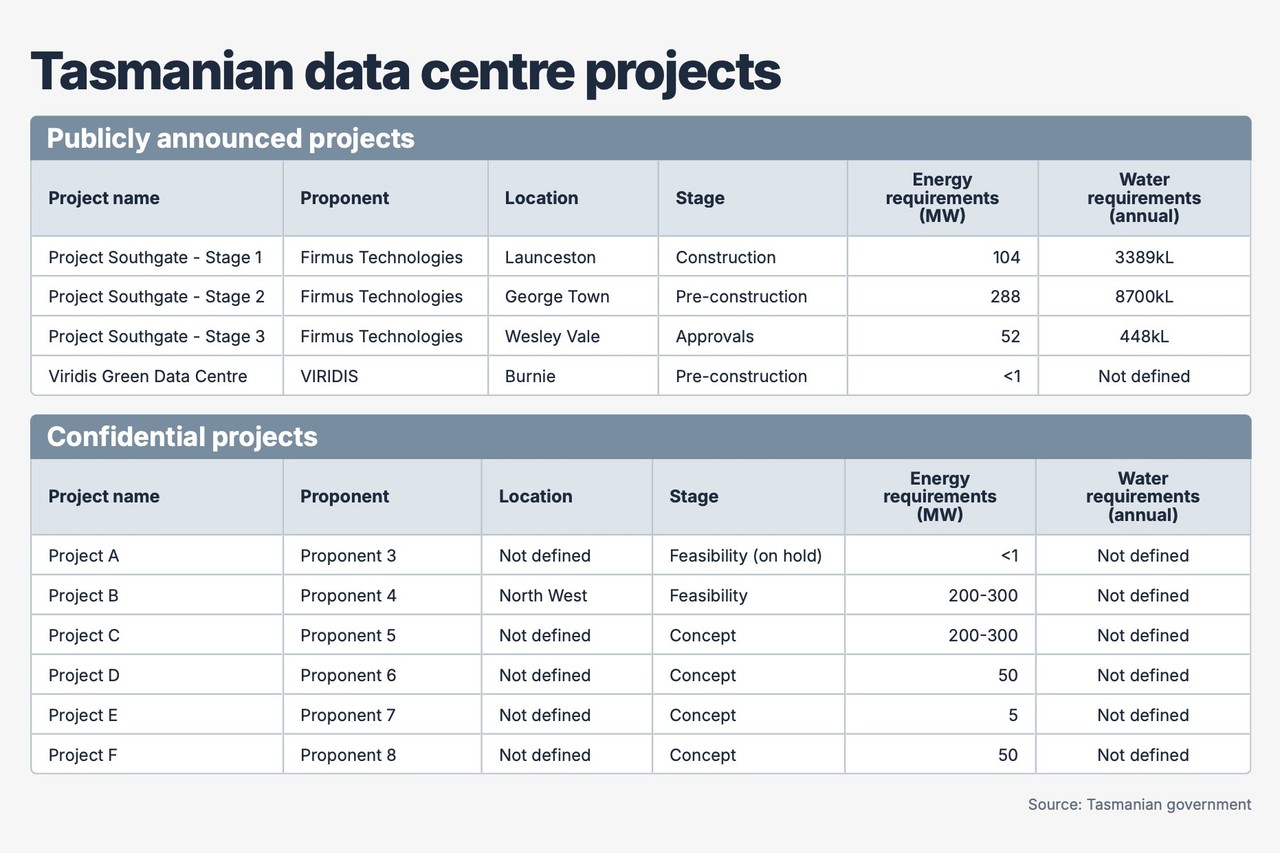
Two of the six are listed at 200 to 300 megawatts each. Firmus’s Bell Bay facility, the largest in the document, is 288 megawatts.
The other four are listed at 50 megawatts, 50 megawatts, five megawatts and less than one megawatt. The smallest is marked as on hold.
Together, the six confidential proposals would require somewhere between about 505 and 705 megawatts.
Four are at the concept stage, which the document describes as early, with site selection and project scope still requiring extensive development.
One of the two largest projects has a preferred site in the north-west.
The document also lists annual water requirements for each Firmus project, ranging from 448 kilolitres at Wesley Vale to 8,700 kilolitres at Bell Bay.
For all six confidential projects, the water requirement is listed as “not defined”.
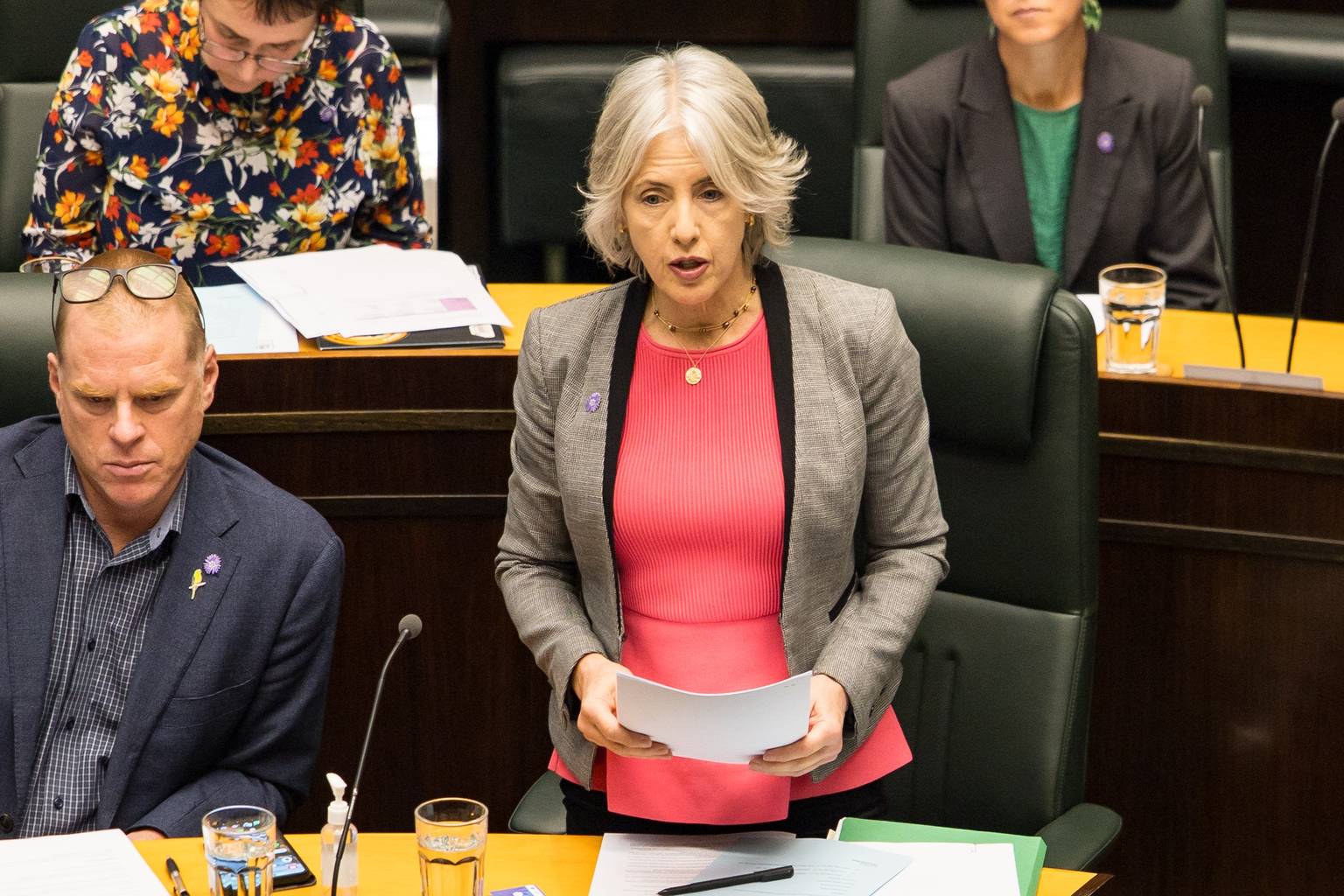
In parliament, Greens leader Rosalie Woodruff accused Premier Jeremy Rockliff of “actively keeping Tasmanians in the dark” about the state government’s involvement in AI data centre developments.
Rockliff accused the Greens of trying to “scare” the public, but said he accepted Tasmanians wanted to know more.
“It’s also very important to recognise that data centres represent exactly the kind of investment that Tasmania should be attracting,” he said.
The document says the Office of the Coordinator-General, which works to attract and support investment, helped some proponents identify sites and facilitated introductions to energy suppliers and utility providers.
Details were left out where information was “not yet available, not sufficiently settled, not capable of reliable estimation or has been provided to OCG in confidence”, it says.
It also says many of the proponents have had no engagement with energy generators or TasNetworks.
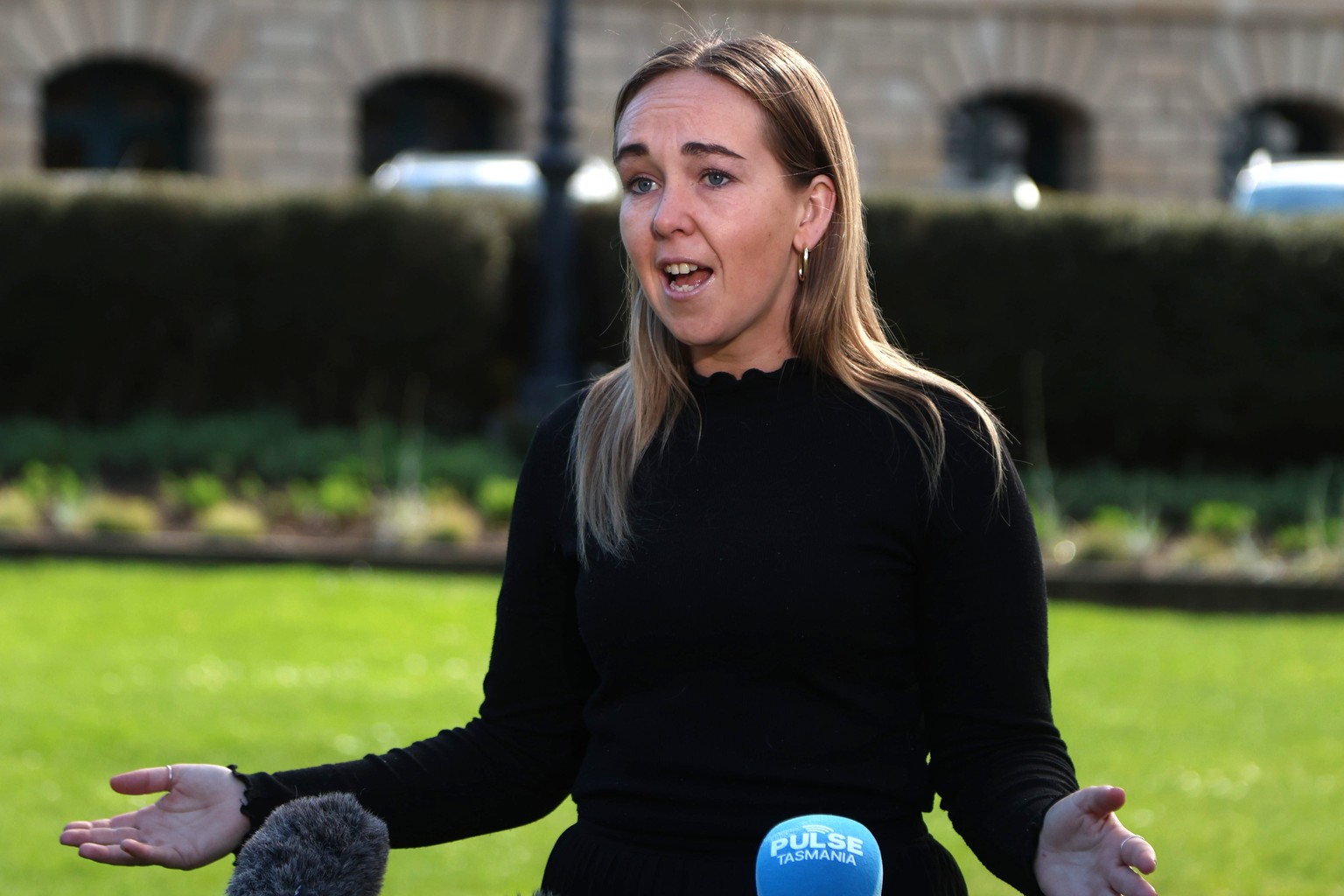
Greens MP Tabatha Badger said the state government’s draft expectations for data centre and AI infrastructure development, released earlier this week, were non-binding and had no legal force.
“We’re just expected to trust the Liberals, trust Firmus,” she said.
Energy Minister Nick Duigan said requiring new load to bring new generation had been the government’s position for some time and that binding rules were being worked on nationally.
Deputy Greens leader Vica Bayley said those rules were also needed at a state level.
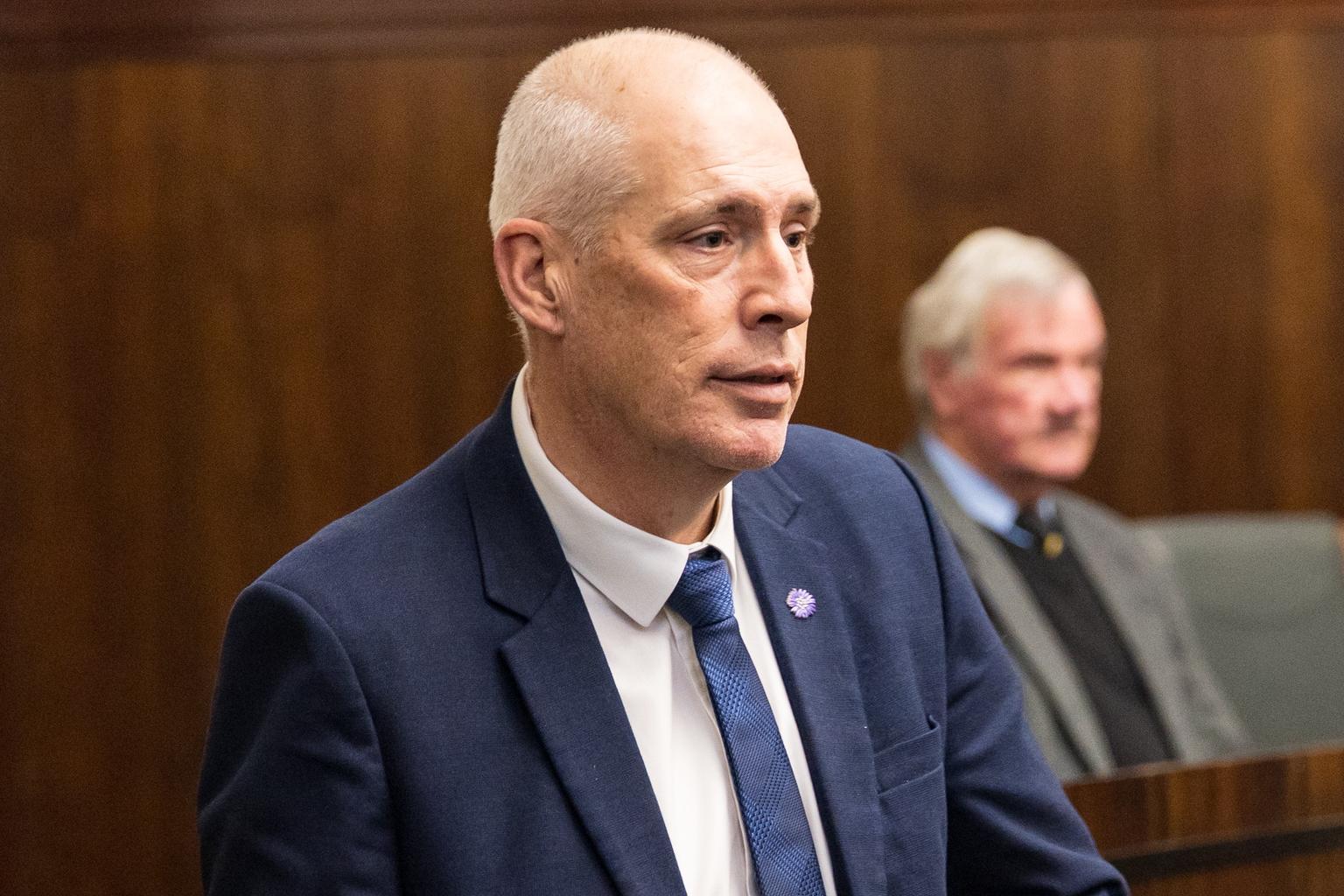
“This is our energy. It’s our energy generation. This is our energy system. This is our transmission system,” he said.
Deputy Labor leader Janie Finlay said her party was “pro-industry” and “pro-jobs”, but would not budge on public benefit and transparency.
Firmus says in its published energy policy that it will support two megawatts of new renewable generation for every megawatt it consumes.