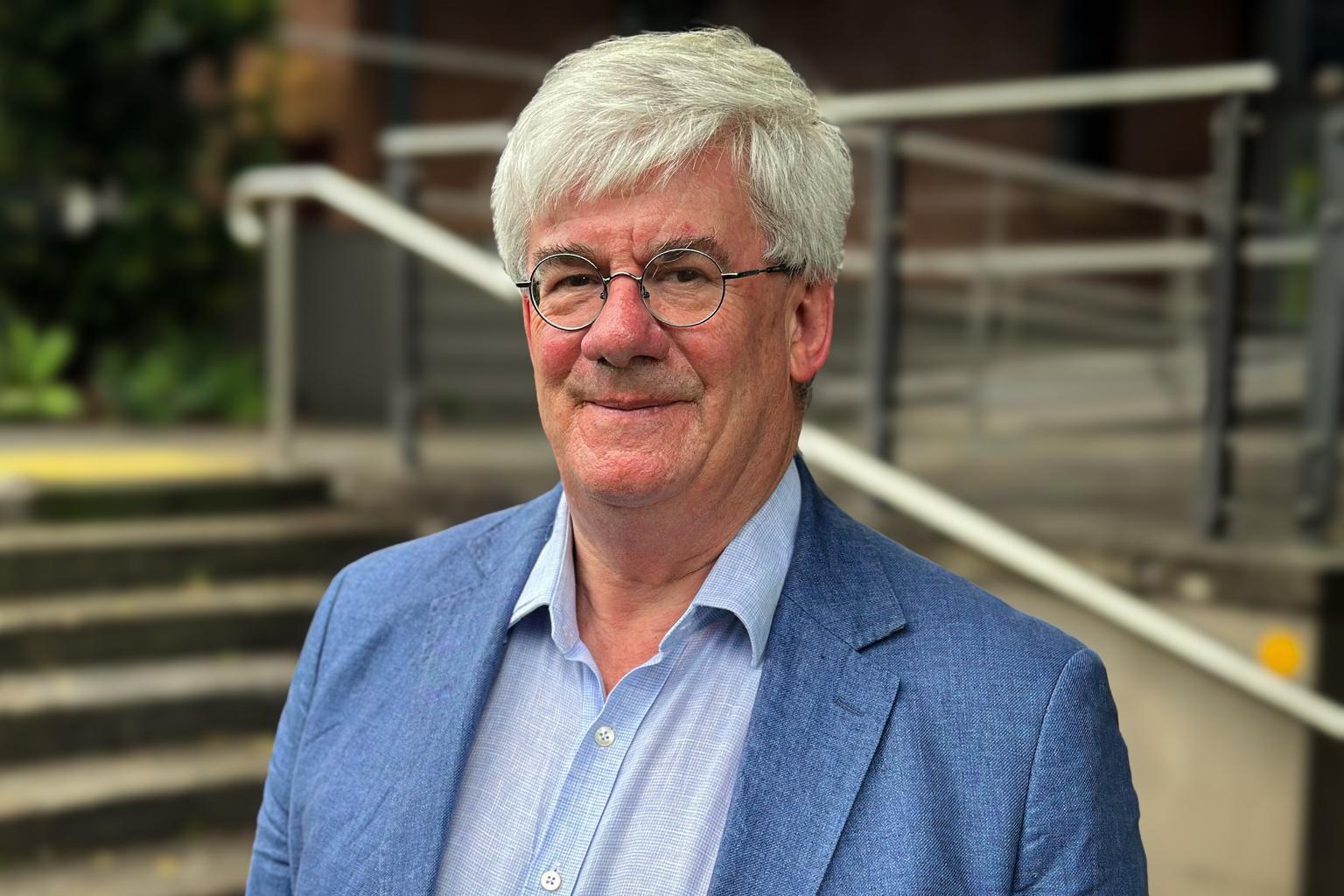
Independent economist Saul Eslake says most of the improvement in Tasmania’s 2026-27 budget comes from federal government windfalls, not decisions made by the state government.
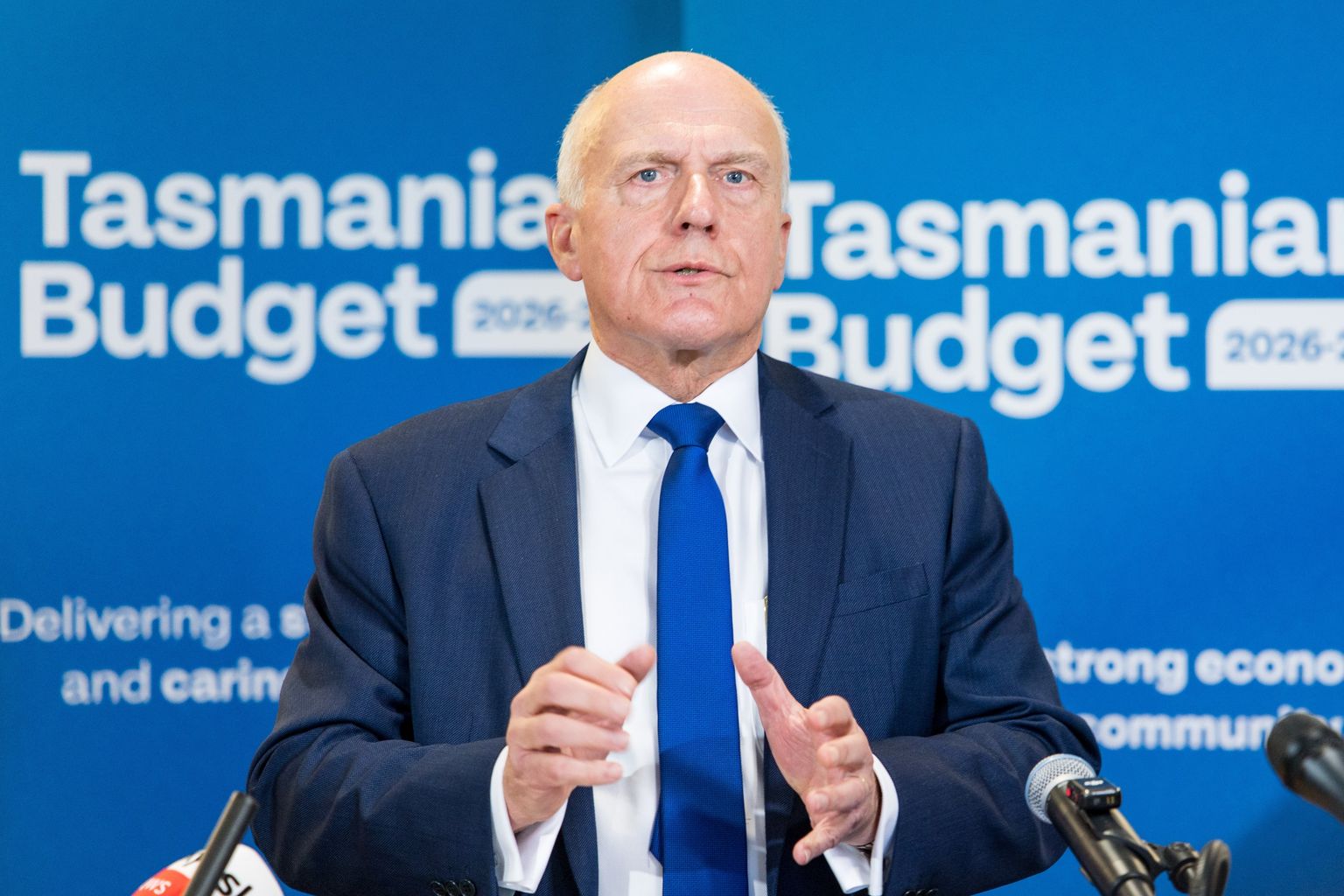
In his analysis of the budget handed down by Treasurer Eric Abetz on Thursday, Eslake said only about a quarter of the $1.2 billion improvement in the bottom line was due to actual government policy.
The other three-quarters came from factors outside the government’s control, mostly extra grants from Canberra, according to Eslake.
“The improvements in the forward estimates of deficits and debt owe more to ‘windfall gains’ courtesy of the federal government than they do to conscious policy decisions taken in the lead-up to this budget,” Eslake said.
Of the $1.2 billion improvement across the three years from 2025-26 to 2027-28, Eslake said $884 million came from what the budget papers call “parameter variations”.
$328 million came from government decisions to cut spending or raise revenue, he said.
Federal grants delivered the biggest boost.
Eslake said Tasmania would receive an extra $1.7 billion over four years compared with last year’s forecasts, including $738 million more in GST and $938 million in specific-purpose grants.
State tax collections were also revised up by $254 million, mostly from stamp duty, according to his analysis.
Despite the federal help, Eslake said the government deserved credit.
“At least the government hasn’t spent those windfalls, but rather has directed them towards improving the ‘bottom line’,” he said.
Eslake said the budget projected net debt peaking at almost $10 billion in 2028-29 before falling for the first time since 2016-17.
It also forecast a return to operating surplus by 2027-28, a year earlier than previously expected, he said.
Much of the heavy lifting comes from $1.4 billion in “operational efficiencies” over four years.
Eslake said health would absorb $703 million in savings, State Growth $230 million and education $203 million, with about 1,700 full-time roles to go by 2029-30.
He said the savings looked more credible than past efforts because they had been allocated to specific departments.
But he warned they implied “an unprecedented degree of expenditure restraint” from a government that had struggled to control spending.
Eslake also noted Premier Jeremy Rockliff had overruled Abetz’s willingness to consider revenue measures.
Tasmania’s finances remained the worst in the nation relative to the size of its economy, Eslake said.
But he said the budget was a “genuine, serious and for the most part credible attempt” to begin putting the state’s finances onto a more sustainable footing.