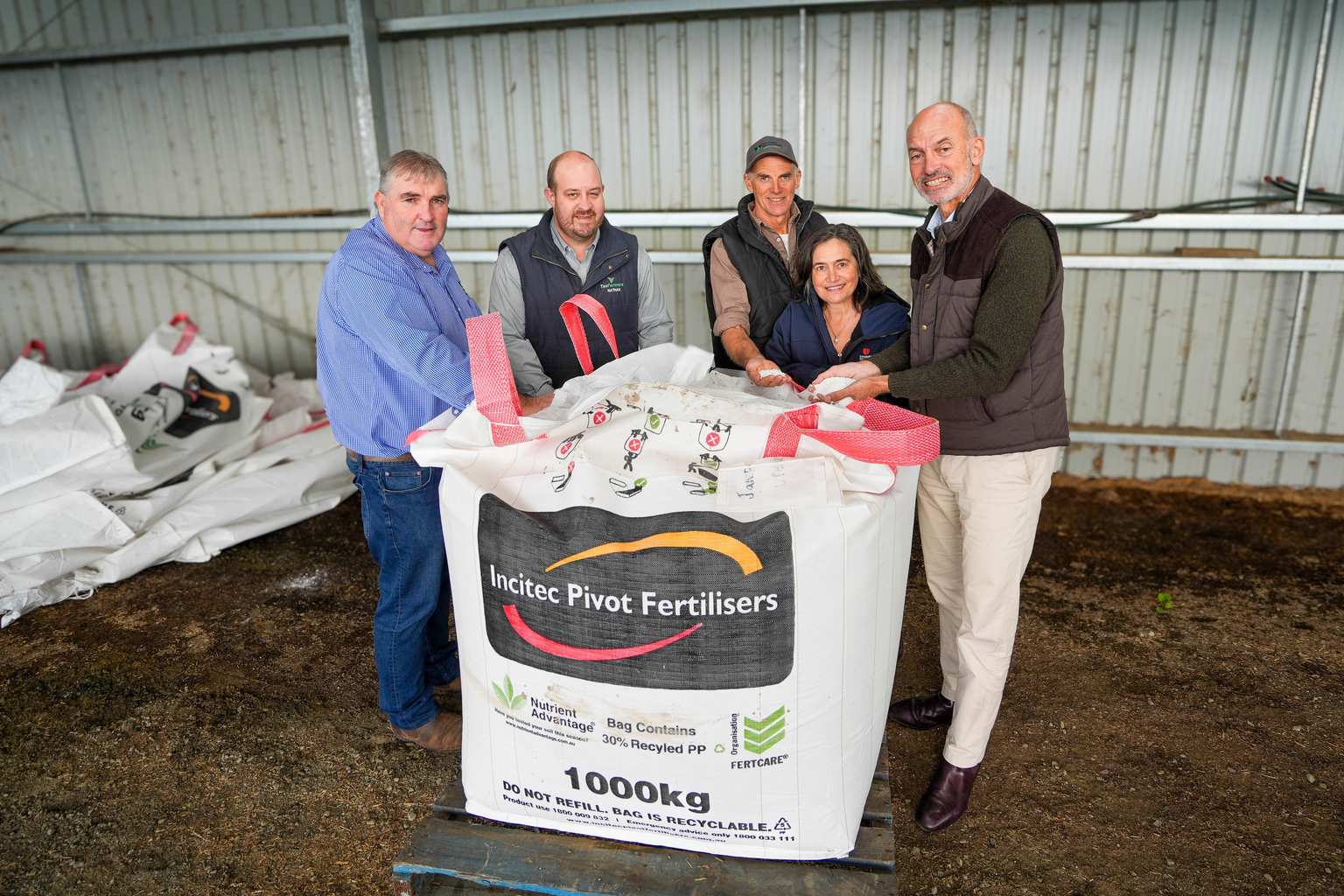
A new fertiliser deal will keep urea flowing to Tasmanian farmers this planting season, giving growers one less thing to worry about even as they brace for prices that have roughly doubled.
Dairy farmer Brian Lawrence welcomed the certainty at his Meander Valley property on Thursday, where the 25,000-tonne supply agreement was announced.
“The only thing worse than price increases is no availability,” Lawrence said.
He said the guaranteed supply removed a major source of stress heading into the season, even if cost pressures remained.
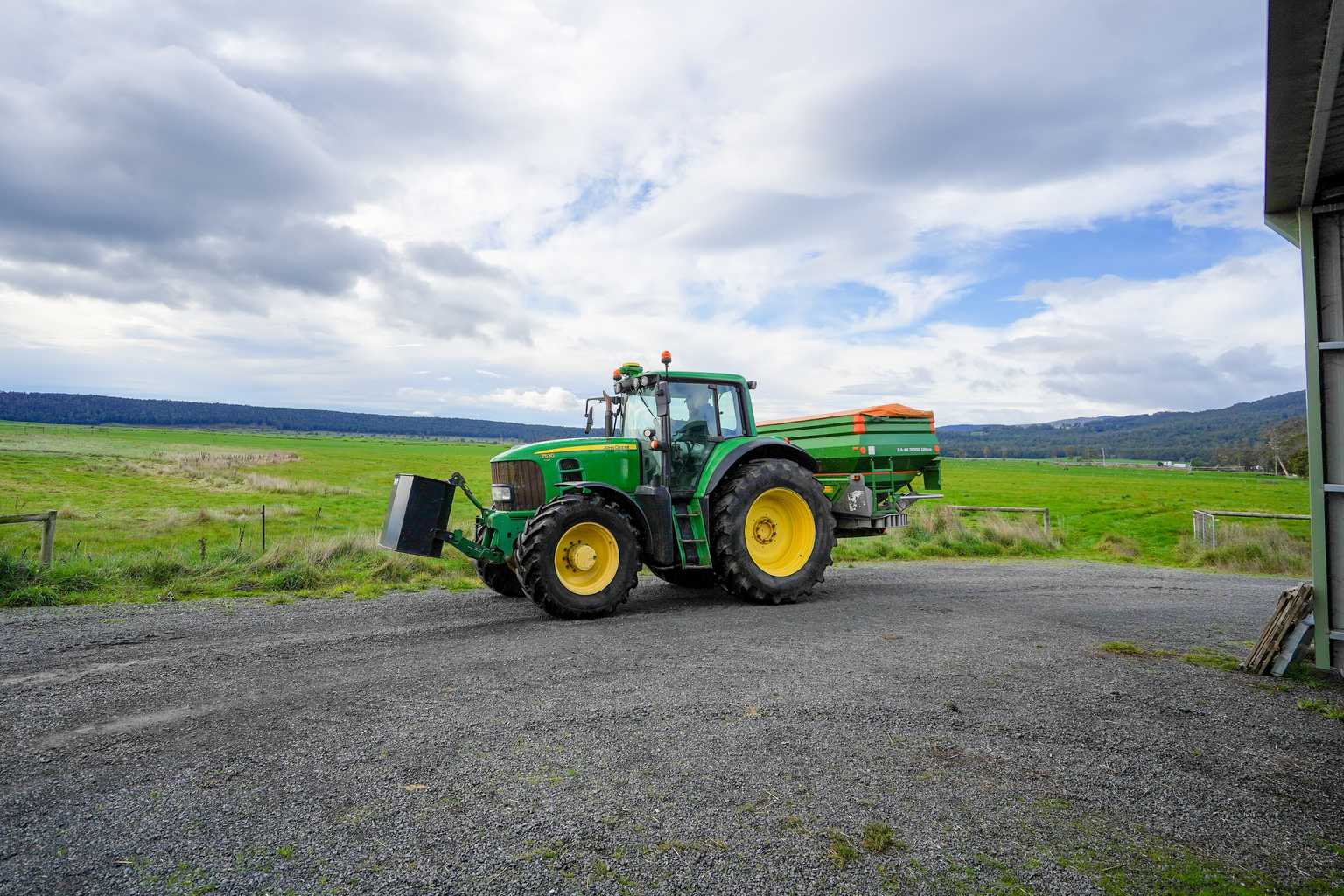
Lawrence runs 1,200 dairy cows at Janefield Dairy and uses about 100 tonnes of urea and more than 300 tonnes of mixed fertiliser a year on his ryegrass pastures.
To manage tighter margins, he is leaning harder on data.
His farm uses soil tests and tissue tests and now runs milk urea nitrogen tests, to track exactly how much fertiliser it needs.
“As the cost of urea and fertilisers in general increases, we’ll be monitoring the use and efficiency of that use more closely,” Lawrence said.
He is also running on-farm trials, applying products to some paddocks and leaving test strips untreated to measure what actually pays off.
The deal, struck with Indonesian government-owned fertiliser maker PT Pupuk and brought in by Incitec Pivot, guarantees supply through the key late-winter and spring planting window.
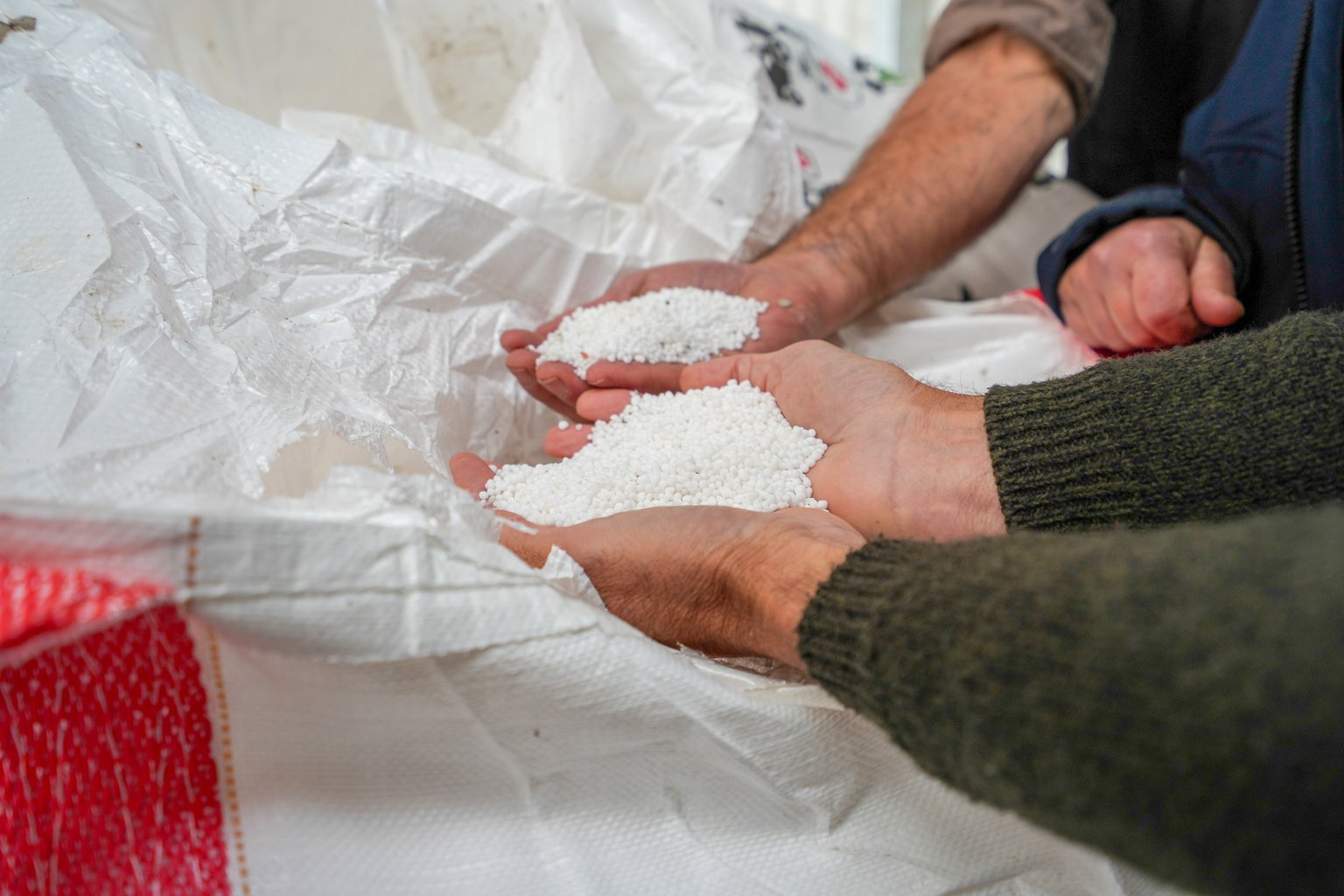
Incitec Pivot chief operating officer Scott Bowman said Indonesia’s proximity gave farmers a reliable and fast supply line, with the first shipment due in mid-June.
“We can create certainty for Australian agriculture,” Bowman said.
The deal follows a recent Tasmanian government trade mission to Singapore and Indonesia.
Deputy Premier Guy Barnett said the government helped open the doors, but the commercial arrangement was with Incitec Pivot.
TasFarmers chief executive Nathan Calman said locked-in supply would help growers prepare before crops went in the ground.
“What this supply agreement will do for producers at the moment is give them confidence as they look to the planting seasons ahead,” Calman said.
He said the next step was securing the same certainty on other inputs, including phosphorus, sulphur, trace minerals and diesel.
Lawrence said farmers who planned carefully and watched efficiency closely would be best placed to ride out the squeeze.
The fertiliser will reach farms across Tasmania between now and December.