A 19-year-old Tasmanian woman has begun chemotherapy in Melbourne after being diagnosed with a rare form of cancer that can’t be treated in her home state.
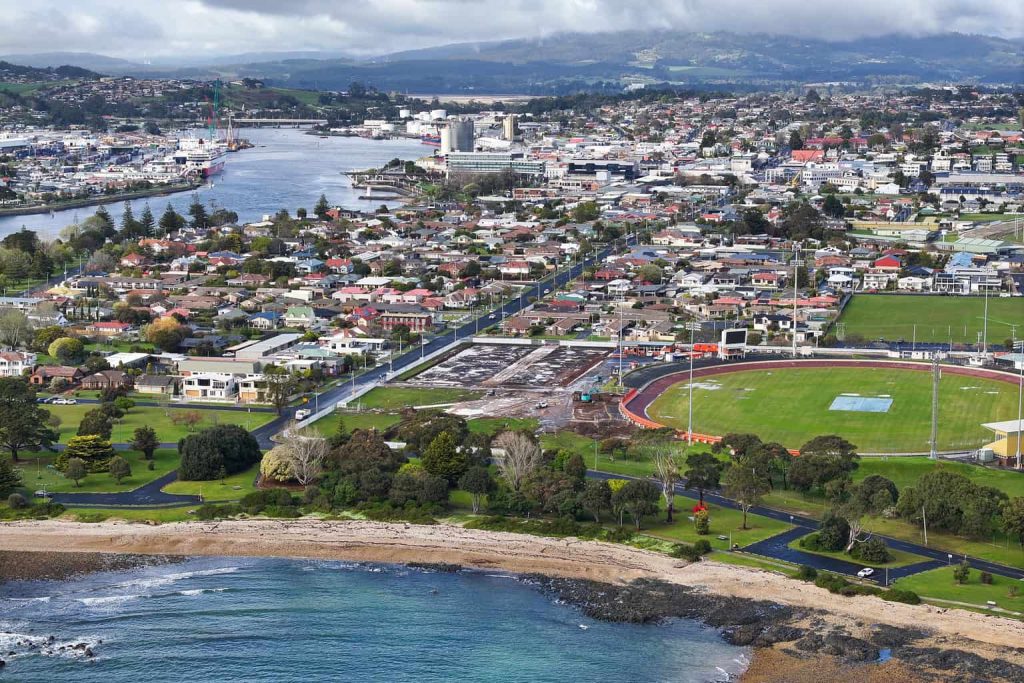
Terina Tipene-Herbert, from Hellyer Beach in Tasmania’s north-west, was diagnosed with Ewing sarcoma after a cyst on the back of her thigh returned and was found to be cancerous.
Ewing sarcoma is a rare and aggressive cancer that primarily forms in bones or surrounding soft tissues.
Her mother, Casey Tepine, said the cyst was first removed around four years ago and came back non-cancerous.
“Not long later it grew back and it’s come back as Ewing sarcoma,” she told Pulse.

“So it’s a pretty rare one.”
Tipene-Herbert has since had the growth cut out and is now undergoing chemotherapy in Melbourne.
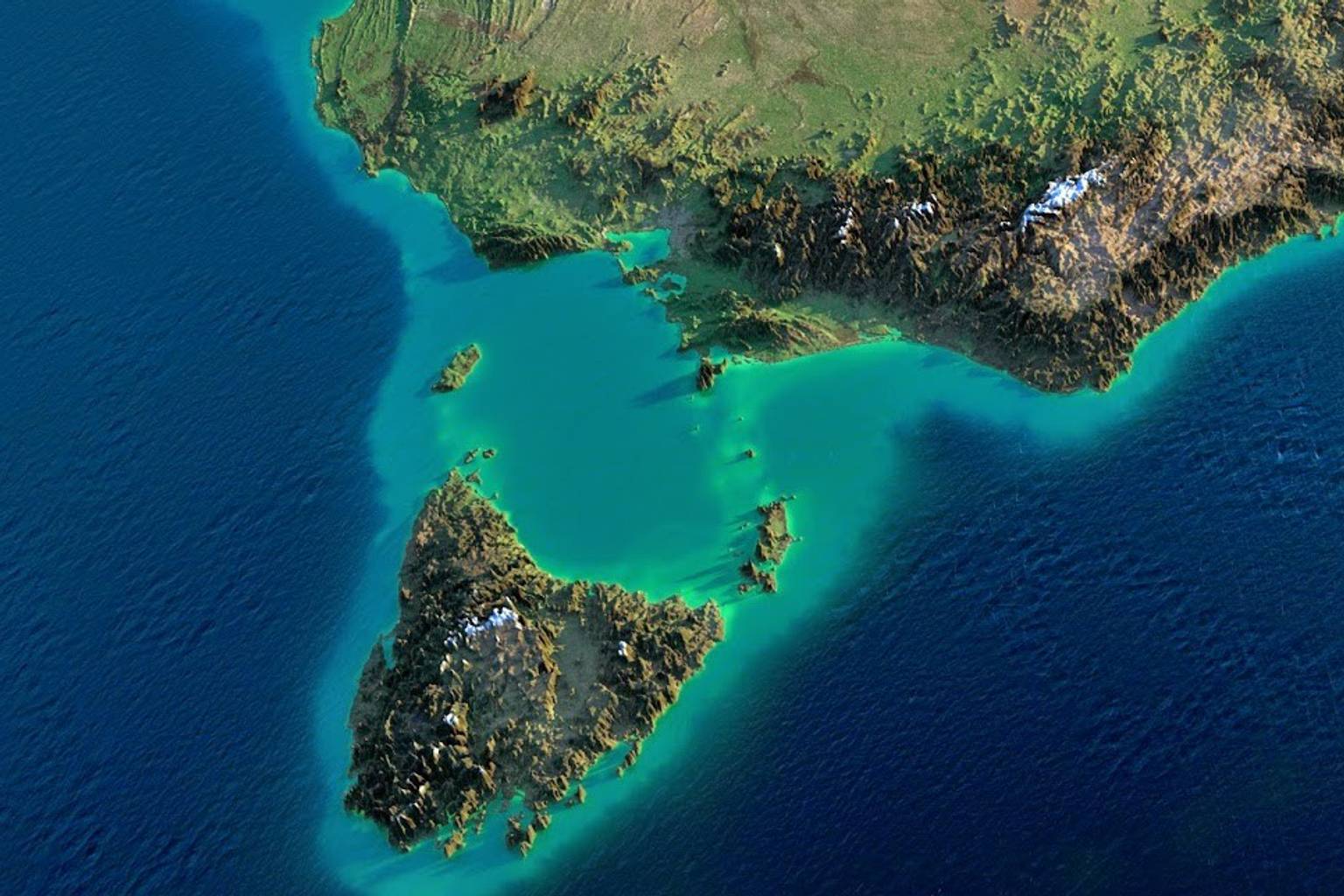
Tepine said the family had no choice but to travel interstate because treatment for the cancer isn’t available in Tasmania.
“This is like a months and months thing for her ’cause they don’t have treatment in Tasmania for this type of cancer,” she said.
“We had no choice, we had to come here.”
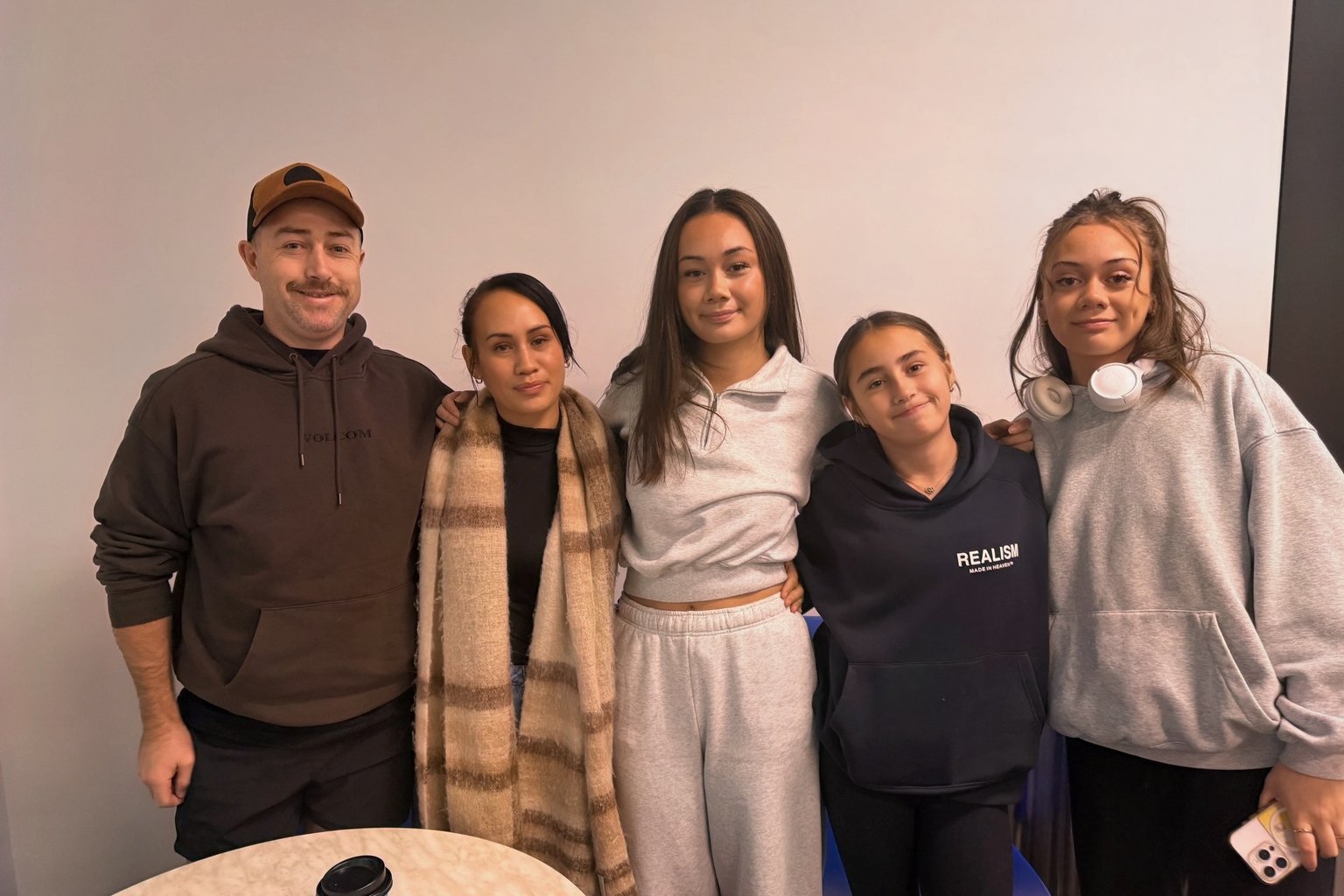
The family has already made three trips to Melbourne in the past month, and Tipene-Herbert’s father has flown in from New Zealand to help.
Tepine said they’ll need to rotate family members through Melbourne to support her daughter during treatment and recovery.
A GoFundMe page set up for the family has raised more than $16,000 so far.
Tepine said the fundraiser had been a big help given her daughter can’t work and the diagnosis came on suddenly.
“It sort of just happened really quickly for her, for all of us really, so it’s helped out a lot,” she said.
She said the community support had been overwhelming.
However, Tepine raised concerns about difficulties accessing the Patient Travel Assistance Scheme, which helps cover costs for patients who need to travel interstate for treatment.
She said the family had been knocked back at every turn.
“Because it’s not a well-known cancer, they’ve sort of denied us like every way possible and we’ve had to like jump hoops just to sort of get any sort of assistance, which we haven’t so far,” she said.
Tepine said she believed other families were likely facing similar struggles with the scheme.
A Department of Health spokesperson said they couldn’t comment on specific cases but applications are assessed on a case-by-case basis by Tasmanian medical specialists.
“Eligibility is based on factors such as whether the treatment is available in Tasmania, referral by an appropriate specialist, and meeting the scheme’s criteria, not on how common or rare a condition is,” the spokesperson said.
The department said the scheme provides a subsidy towards travel and accommodation costs for eligible patients and approved escorts.
Applications can also be considered through review or exceptional circumstances processes where appropriate.