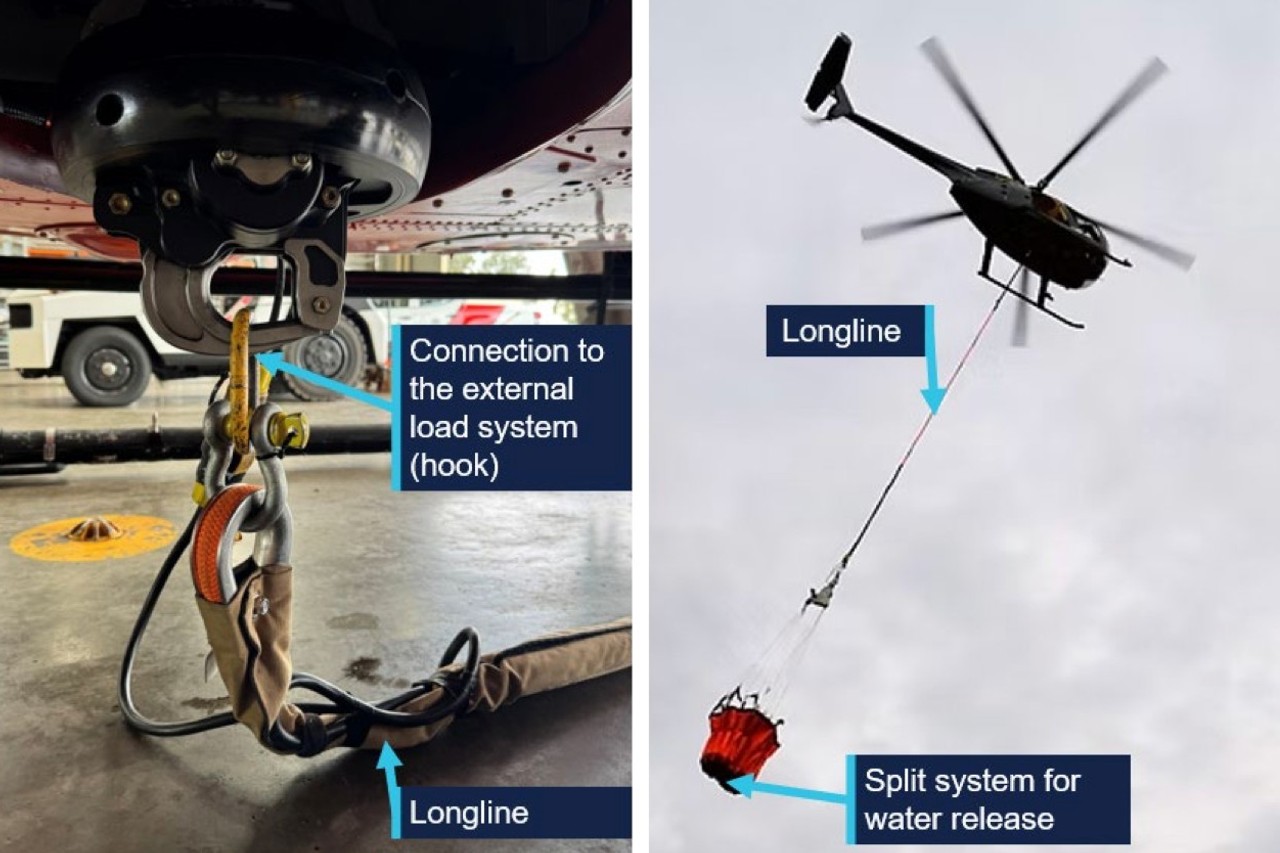
An Australian Transport Safety Bureau (ATSB) investigation has found why a firefighting helicopter suddenly sank about 50 feet towards a river in Tasmania’s west as it filled its water bucket.
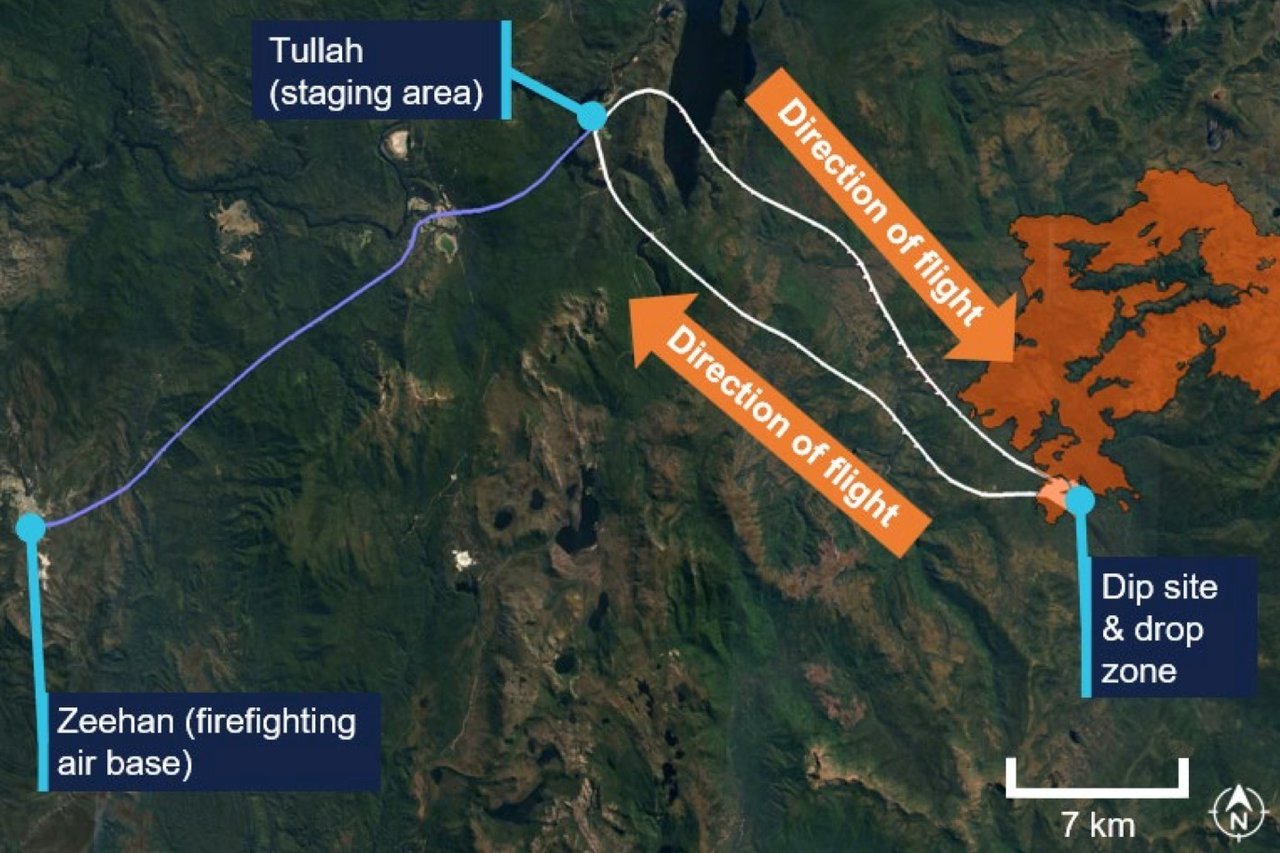
The Bell 412 was water-bombing the Canning Peak fire, about 55 kilometres north-east of Strahan, on March 10 last year.
It was hovering about 150 feet above the Murchison River when it dropped without warning.
The pilot tried to release the 150-foot line holding the bucket but believes they pressed the edge of the release button instead of its centre.
With the bucket still underwater, the line pulled tight and struck the helicopter.
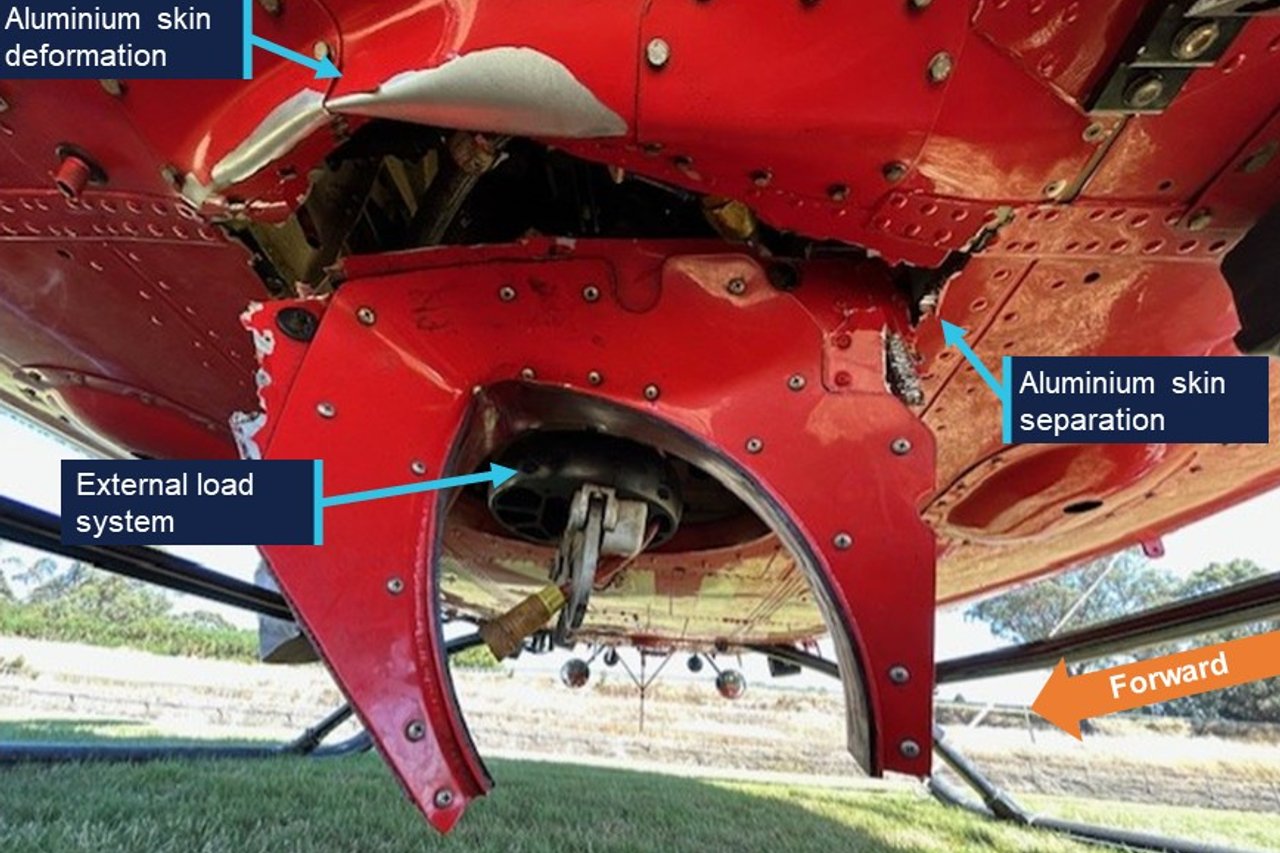
“The resulting loading of the longline from the submerged bucket led to contact between the longline and the helicopter, causing damage to the airframe and flight control systems,” ATSB chief commissioner Angus Mitchell said.
The pilot steadied the helicopter, emptied the bucket and lifted it clear of the river before climbing above the trees.
“Despite some flight control issues, the pilot was able to safely return and land at a refuelling base, where substantial damage to the helicopter’s underside and flight controls was identified,” Mitchell said.
Investigators found the pilot came in steep and slow with the power on.
That likely caused the helicopter to sink into its own downwash or lose lift, conditions known as vortex ring state and settling with power.
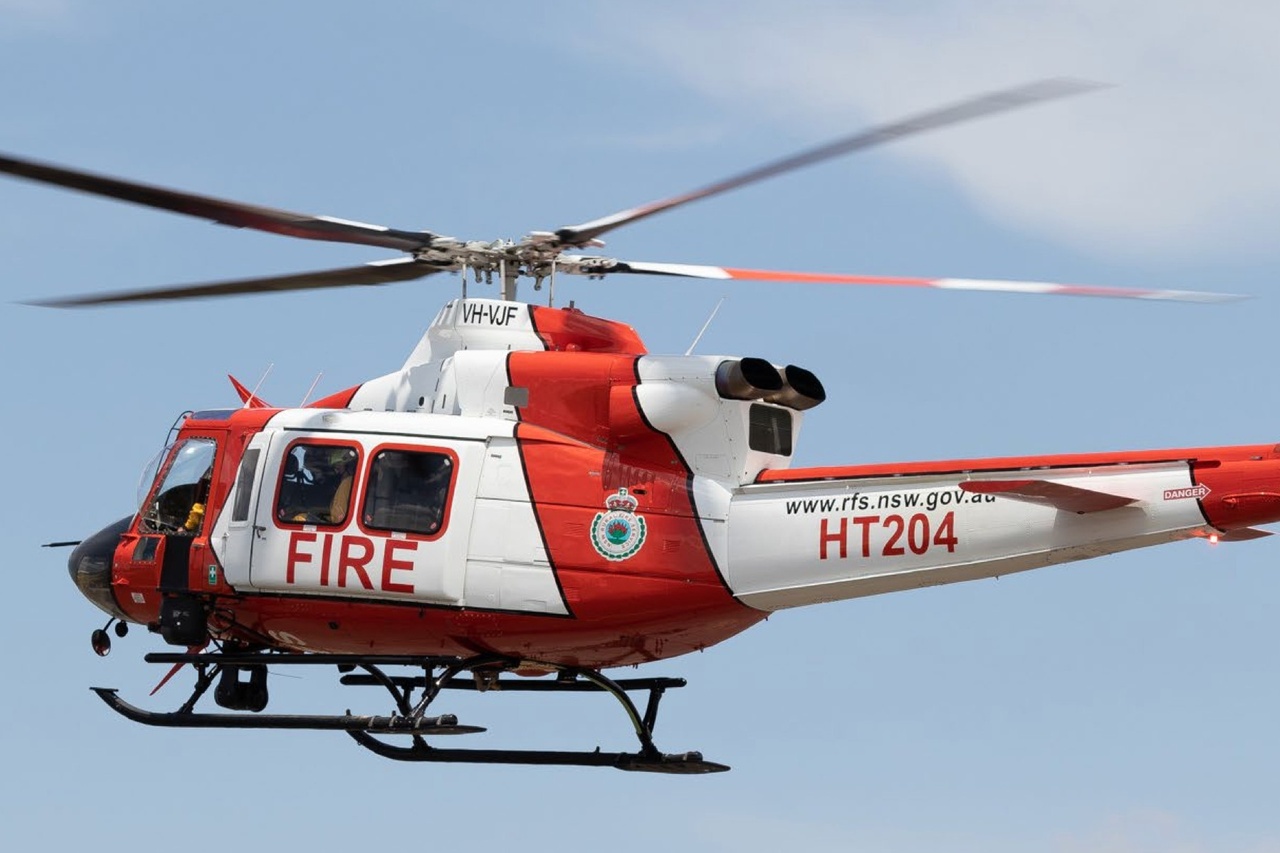
The helicopter is owned by the NSW Rural Fire Service and operated by Coulson Aviation Australia.
It was fitted with an external camera and an extended step, which restricted the pilot’s view of the bucket below.
“As a result, pilots reported adopting a steeper approach profile to compensate, which increased the helicopter’s susceptibility to aerodynamic conditions associated with VRS and settling with power,” Mitchell said.
The ATSB also found Coulson’s risk assessment did not properly account for the dangers of firefighting work. Pilots fill in the assessment before their first flight each day.
The report found the pilot flew back to base with the bucket still attached. The pilot also did not tell the fireground supervisor the full extent of what had happened.
Coulson did not report the event directly to the Tasmania Fire Service straight away.
The ATSB found the service’s procedures did not require pilots or operators to report incidents and accidents immediately and the service has since changed them.
Coulson now requires pilots to do at least an hour of bucket work every 90 days and is redesigning its risk assessment.
Coulson and the NSW Rural Fire Service have reviewed shortening the steps and are standardising their six Bell 412s.
Two of the six had been finished when the report was written and the rest are due to be done by 2028.
Mitchell urged firefighting pilots to stay alert when approaching water in tight spots.
“Obstacles, reduced recovery options, low airspeeds and elevated power settings can increase susceptibility to VRS and settling with power conditions, particularly during approaches to water sources in confined areas,” he said.