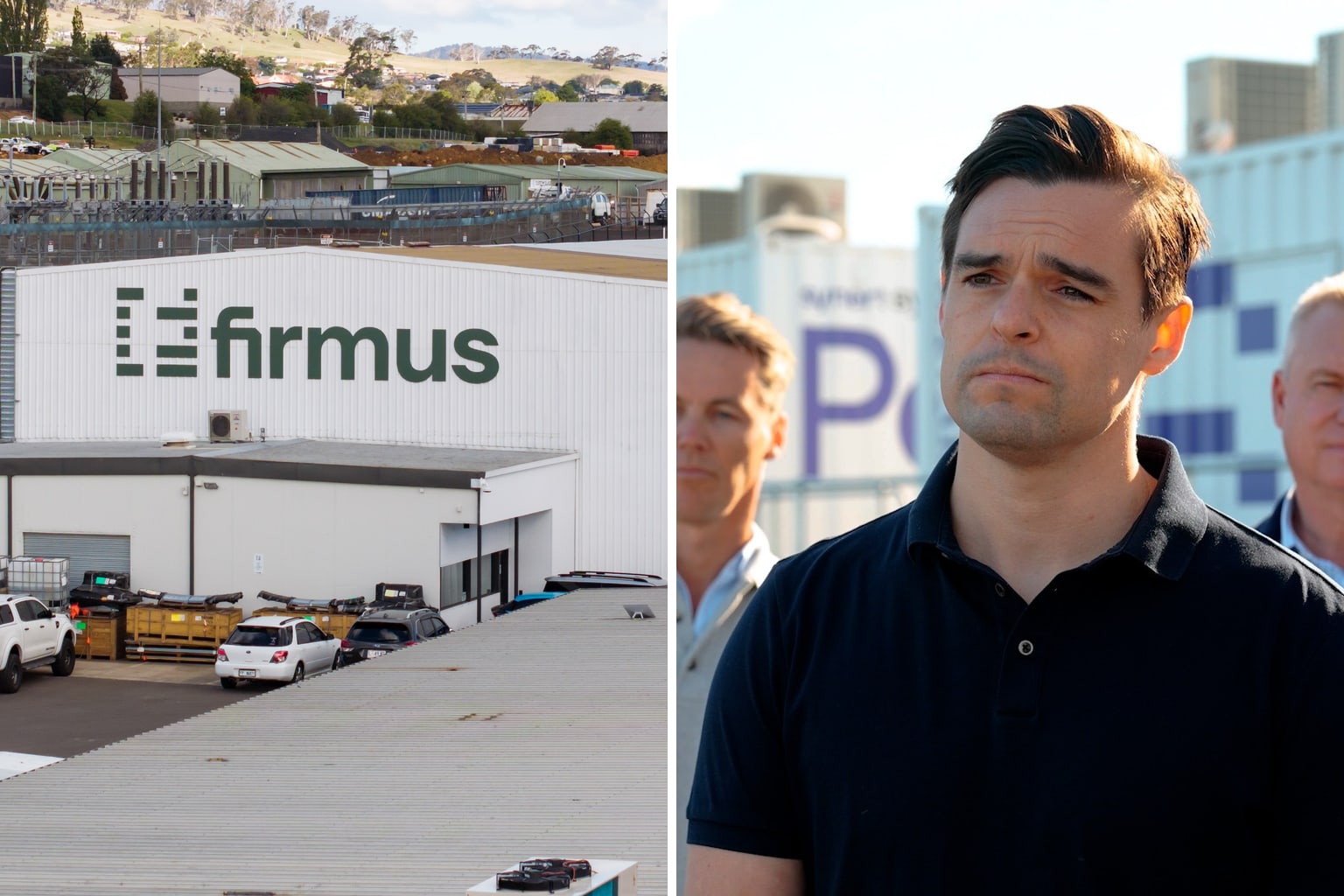
Firmus says its Tasmanian AI factories could contribute up to $46 billion to the state economy by 2035, citing a study it commissioned at the state government’s request.
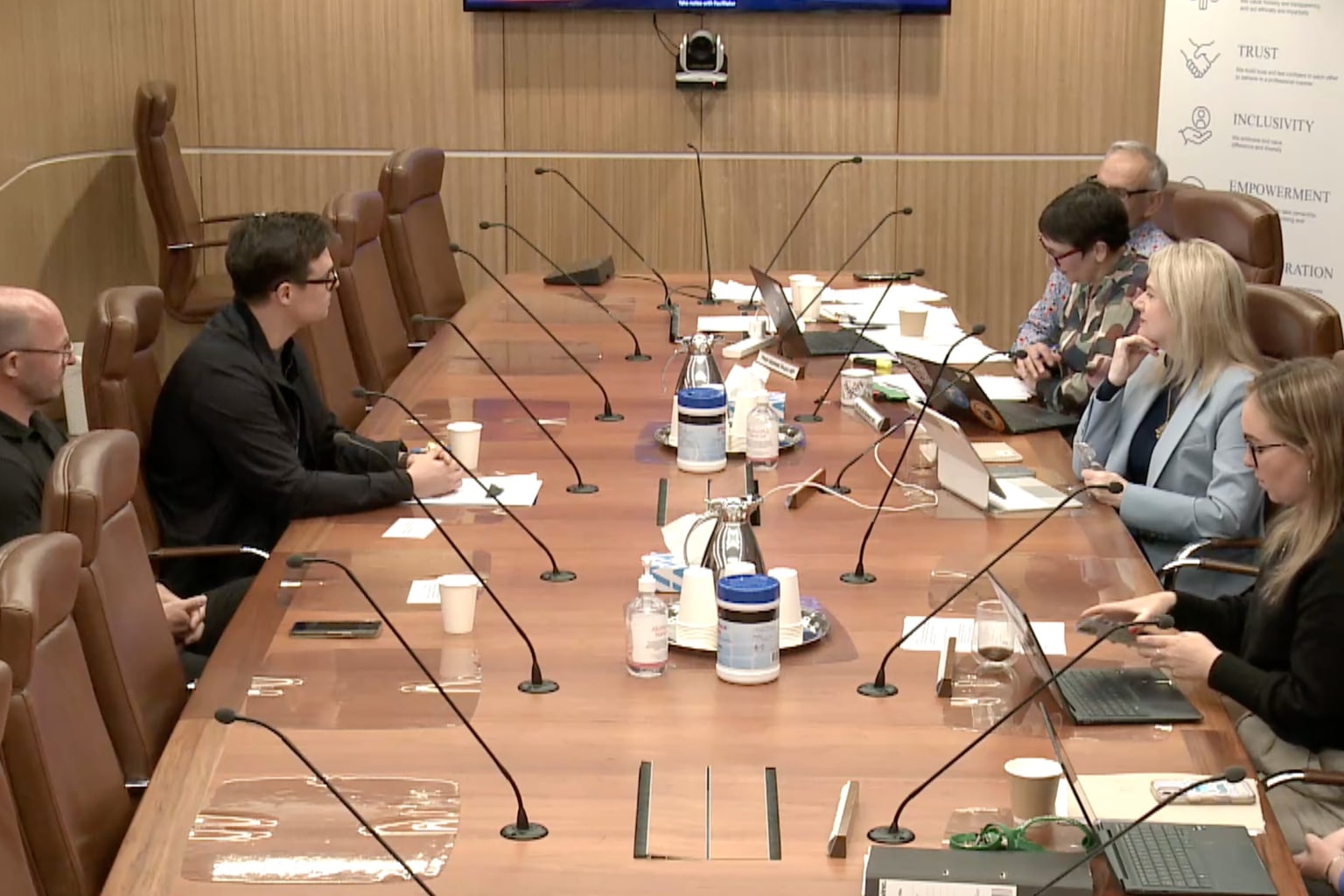
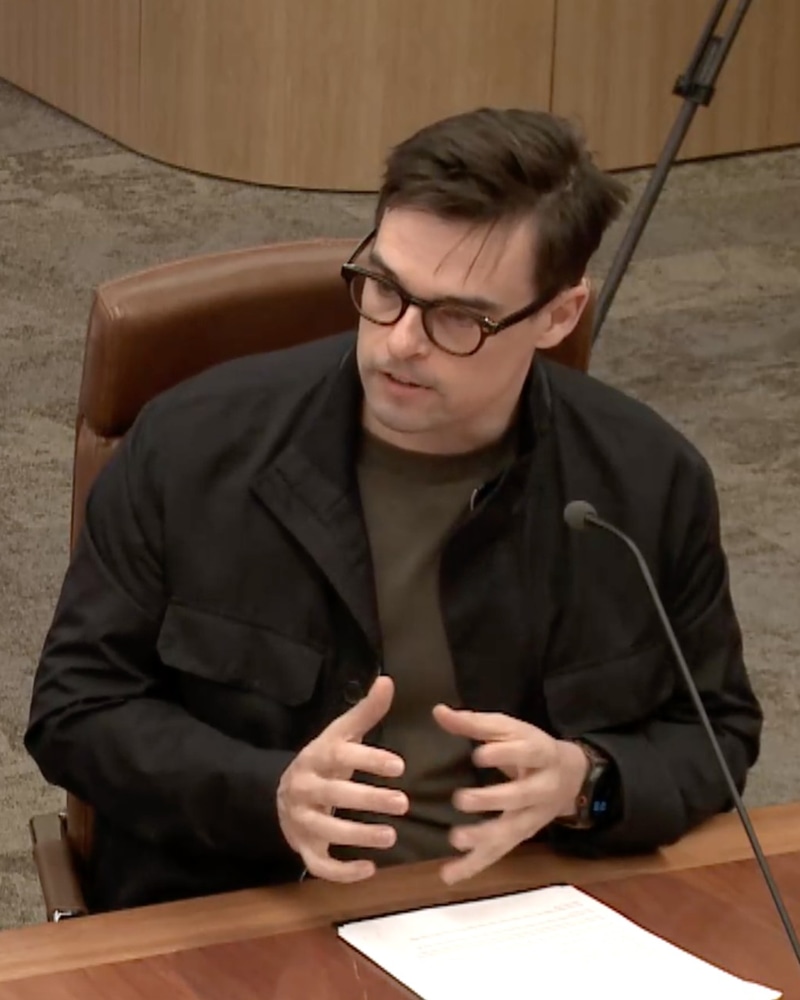
Fronting a parliamentary inquiry into AI data centres today, co-founder and co-chief executive Tim Rosenfield said the third-party study was close to being finalised and an extract had been provided to the committee.
He said it put the company’s total contribution to gross state product at “up to $46 billion” through 2035.
Rosenfield said the preliminary modelling also showed about 8,900 ongoing full-time equivalent jobs created by 2035.
He said most data centre companies talked only about construction jobs, but Firmus operated its own facilities.
“That requires skills, it requires onsite presence, it requires learning pathways,” he said.
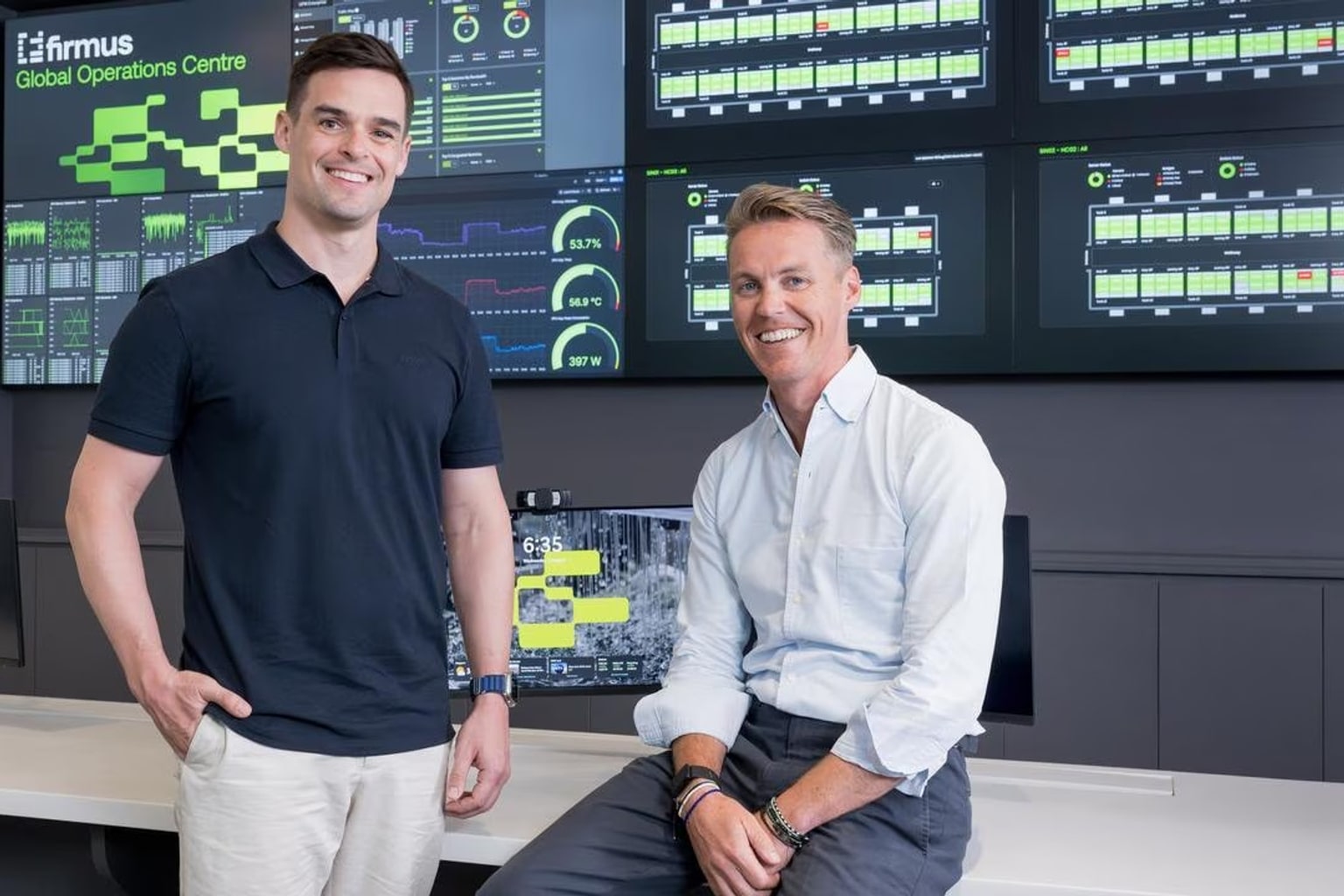
Firmus, founded in Launceston in 2019, is building an AI factory at St Leonards, has plans for Wesley Vale and has approval for a 288-megawatt facility at Bell Bay.
Rosenfield said the company had retrained workers who lost jobs at the north’s smelters, giving them electrical and mechanical qualifications and employed about 40 people outside its facilities, including coders and developers in Hobart and Launceston.
“We need a lot more people outside the data centre than we actually do inside the data centre,” he said.
He also pointed to the subsea internet cable to the mainland that Firmus is funding with its partner Subco, which he said would substantially improve Tasmania’s connectivity.
Asked about the company shelving a planned float on the share market last month, Rosenfield said Firmus had “extremely supportive shareholders”, including Nvidia.
“We decided not to pursue that particular transaction, but it doesn’t change our growth plans, not one bit,” he said.
TasICT Chief Executive Russell Kelly told the inquiry earlier today that a data centre created jobs during construction, but far fewer once it was running.
“When it’s in operation, the number of jobs, say, compared to an aluminium smelter, are quite limited,” he said.

Kelly said a community benefit fund could help spread the benefits into skills pathways by connecting developments with TasTAFE and the University of Tasmania.
He said Tasmania’s technology workforce was forecast to grow only from 10,800 to 11,500 workers over the next decade.
“That is not the fastest growing sector in our economy,” he said.
Business, Industry and Resources Minister Felix Ellis told the inquiry Firmus’ planned $2.7 billion investment is “the largest private technology investment that we have ever seen in Tasmania”.

“That’s a massive injection into the construction sector here in Tasmania,” he said.
Ellis said the government’s final statement of expectations for data centres, which will include a local community benefit fund, would be released “soon”.