After complaints that soccer was being treated as Tasmania’s “poor cousin” sport, the state government has committed $350,000 towards a detailed business case for a proposed Home of Football.
The funding, announced as part of the Tasmanian Government’s 2026-27 Budget, is a step forward for Football Tasmania’s long-running push for better facilities.
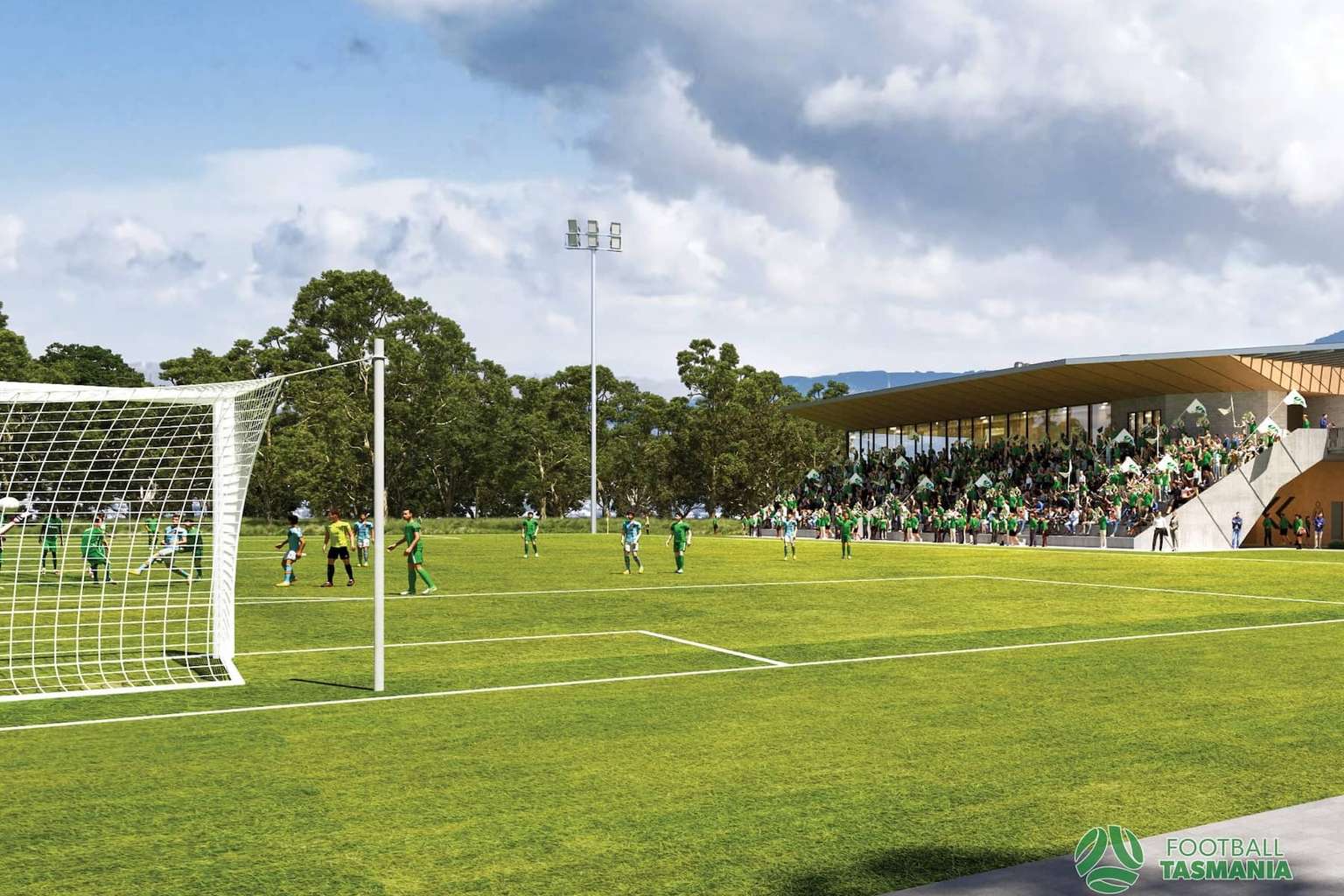
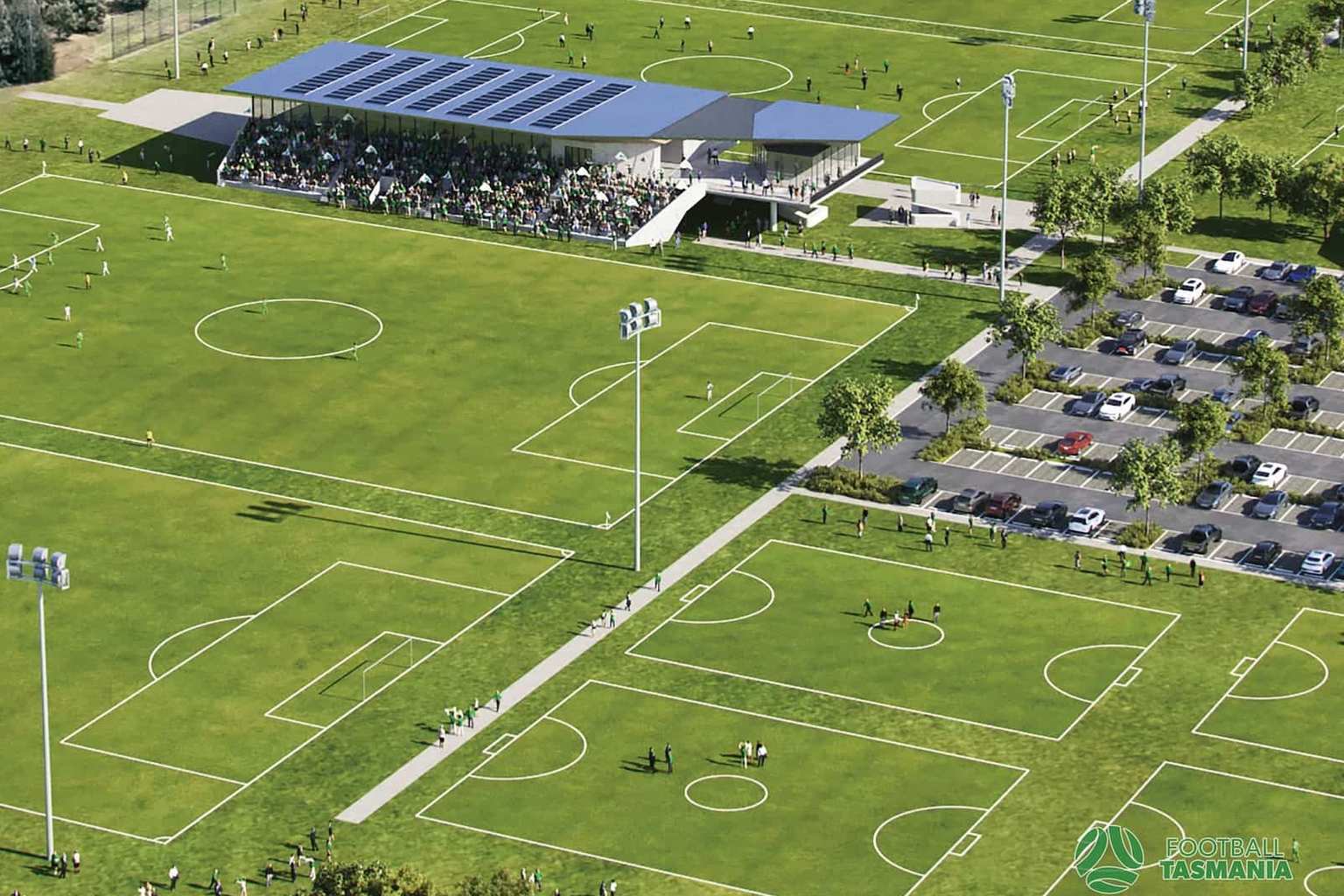
Football Tasmania’s proposal centres on six full-sized pitches, four five-a-side pitches for community football and a state football headquarters facility.
Football Tasmania chief executive Tony Pignata said better facilities are essential to developing the next generation of talent.
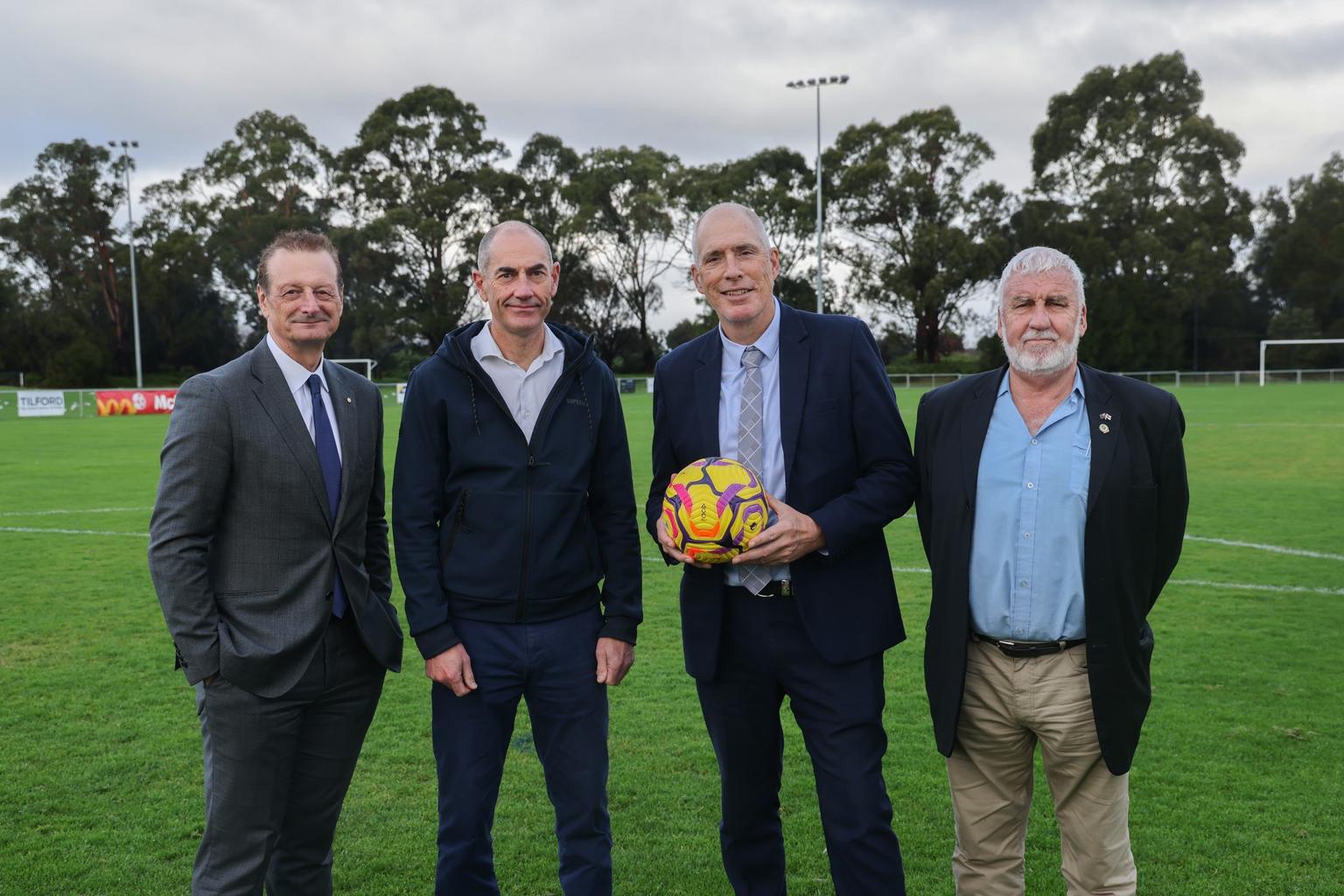
“The state government’s delivery on this commitment shows us they understand demand outstrips supply for rectangular facilities in the State,” he said.
“This facility will enable us to host grassroots junior games and tournaments, to host national competitions such as the Emerging Matildas and Emerging Socceroos, and to host our own flagship competitions such as our Statewide Cup finals.”
Pignata has previously described soccer as Tasmania’s “poor cousin” sport, saying footballers received far less government investment than participants in other major sports.
“The Tasmanian government invests around $540 into every Tasmanian who plays Australian Rules and around $138 into every basketballer, yet only $19 in a football player,” he said in February.
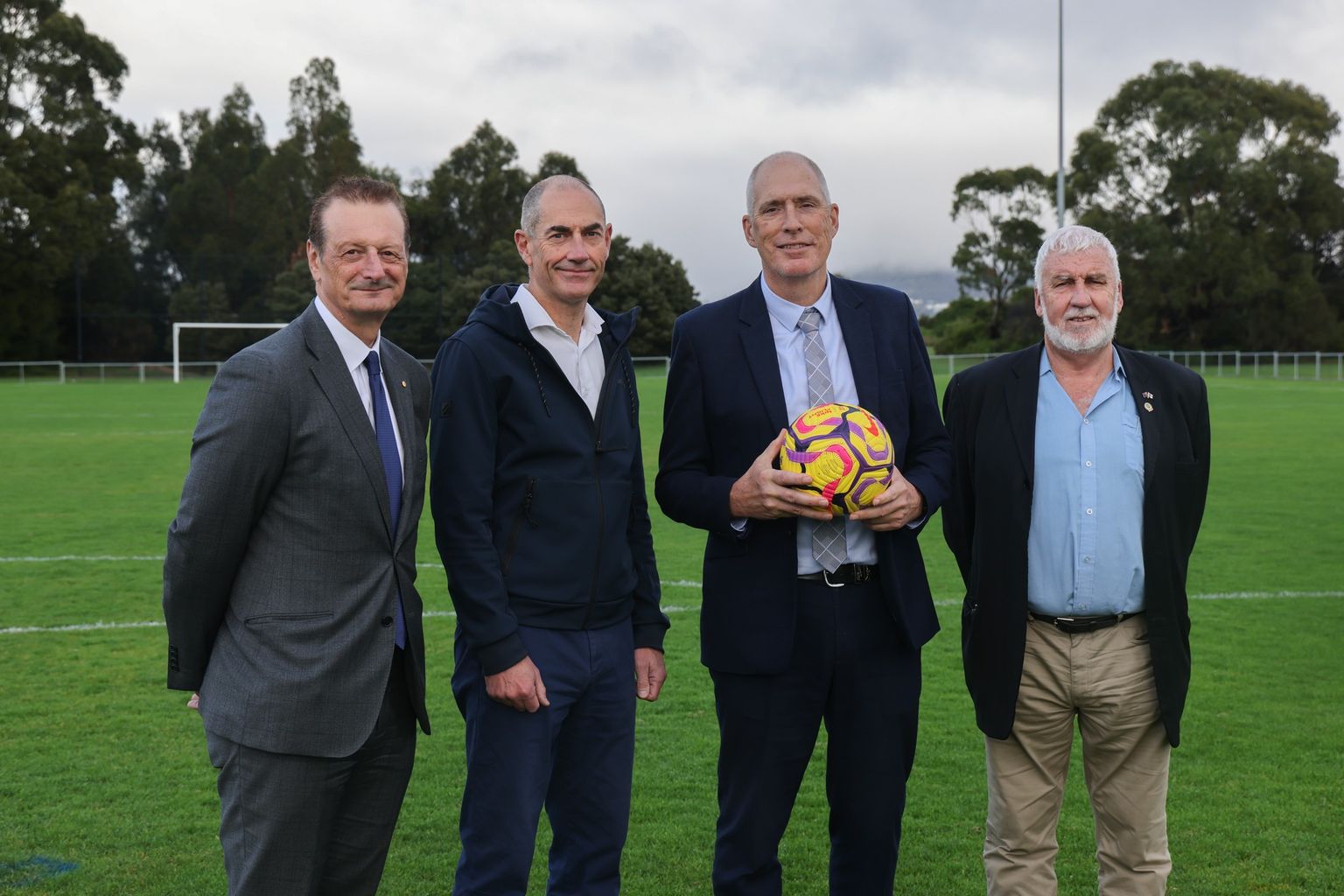
Sport Minister Nick Duigan said the government was backing Football Tasmania’s vision.
“We are investing $350,000 towards the development of a detailed business case for the proposed Home of Football,” he said.
“Our state has a long and proud footballing history. Tasmanians love to play and support football on all levels.”
Duigan said more than 42,000 people take part in some form of soccer across the state, with those numbers expected to keep growing.
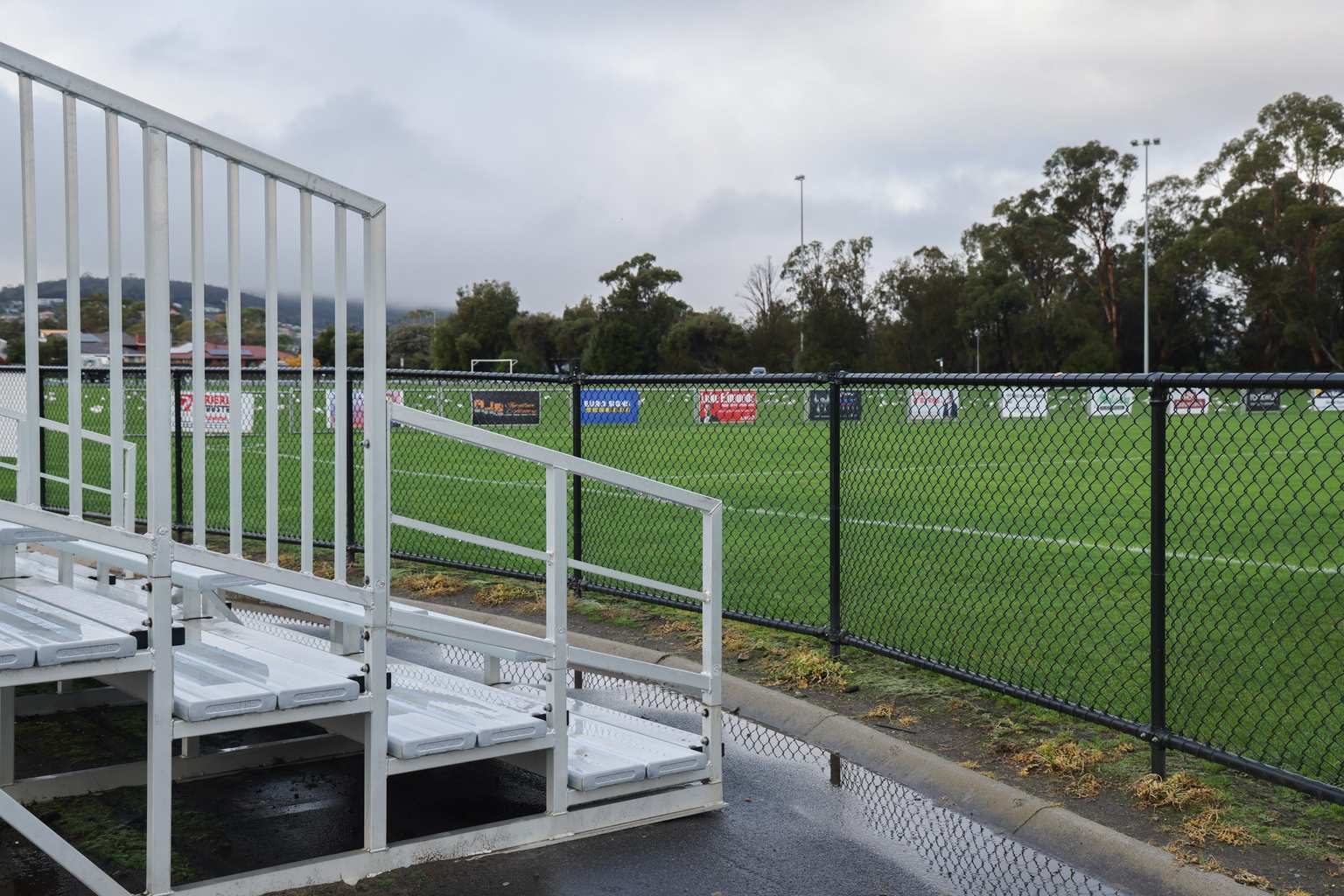
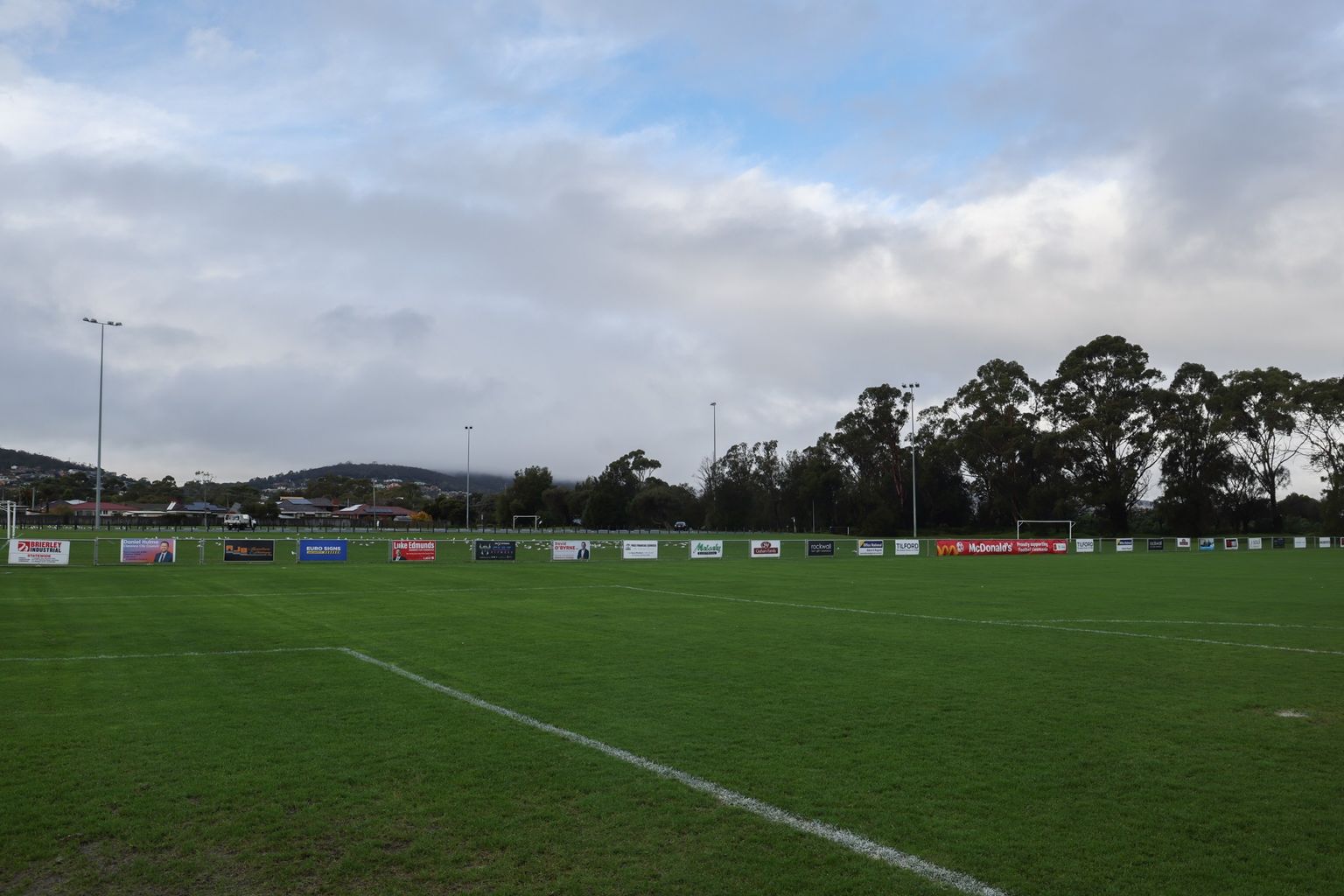
The business case will look at possibly using Wentworth Park in Howrah, which is already well used by the soccer community.
Consultation with user groups, the community and the City of Clarence will be a core part of the process and will help guide future decisions.
“I look forward to the progression of the business case for this exciting development,” Duigan said.
The next step will be the completion of the business case, which will shape decisions on the project’s future.