The Tasmanian government is considering making free public transport permanent, with its long-delayed statewide ticketing system still on pause while it weighs up the numbers.
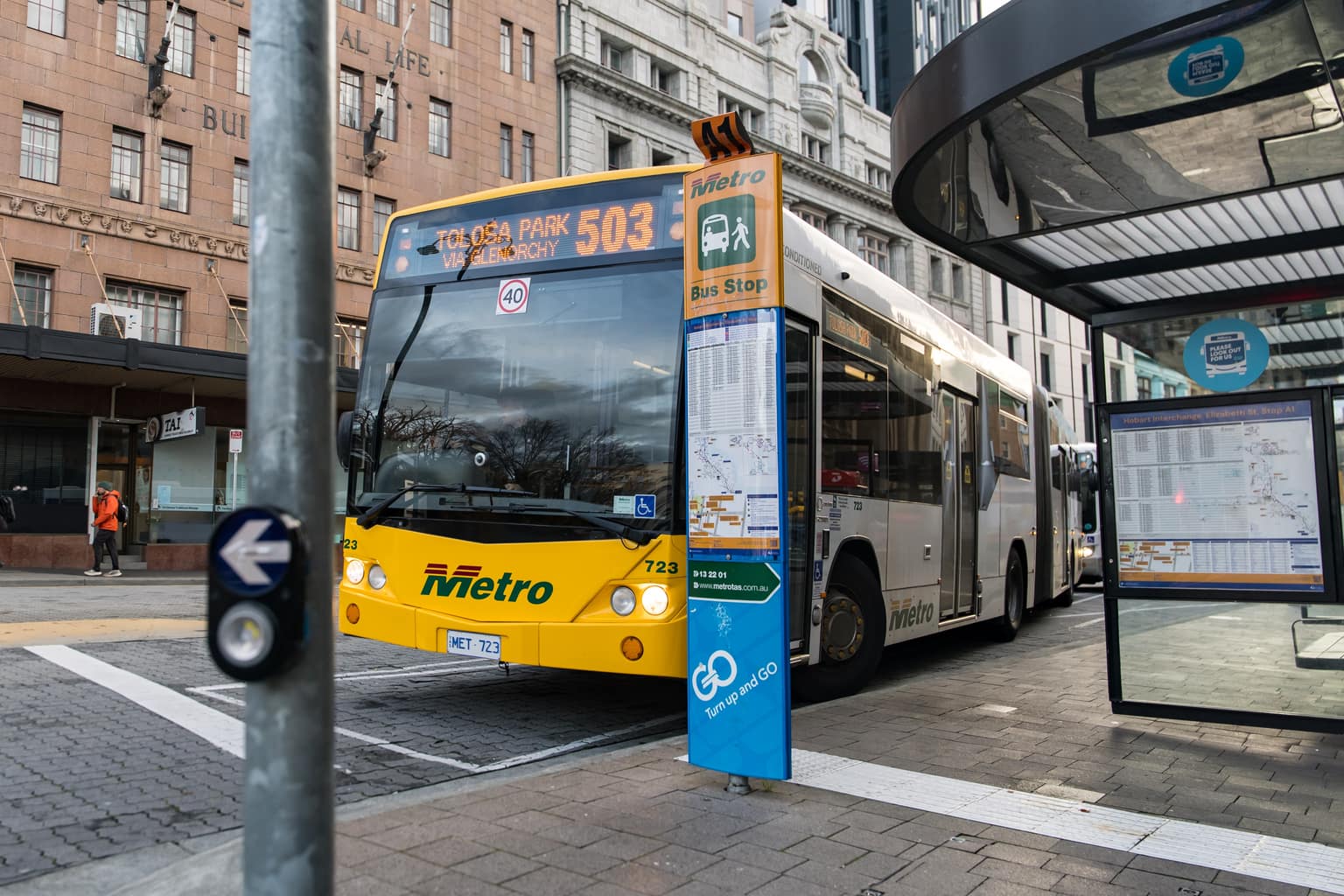
Transport Minister Kerry Vincent said the numbers had been “fantastic” since fares were scrapped in March in response to rising fuel prices.
The government is weighing whether to keep fares free beyond July 2027. “We are considering it,” Vincent said on Monday.
He confirmed the rollout of the new ticketing system remained on pause, in part while the government considers whether to keep fares free. Vincent first confirmed the pause in August.
“That’s just being on pause at the moment while we work through a lot of different issues and understand the numbers,” he said.
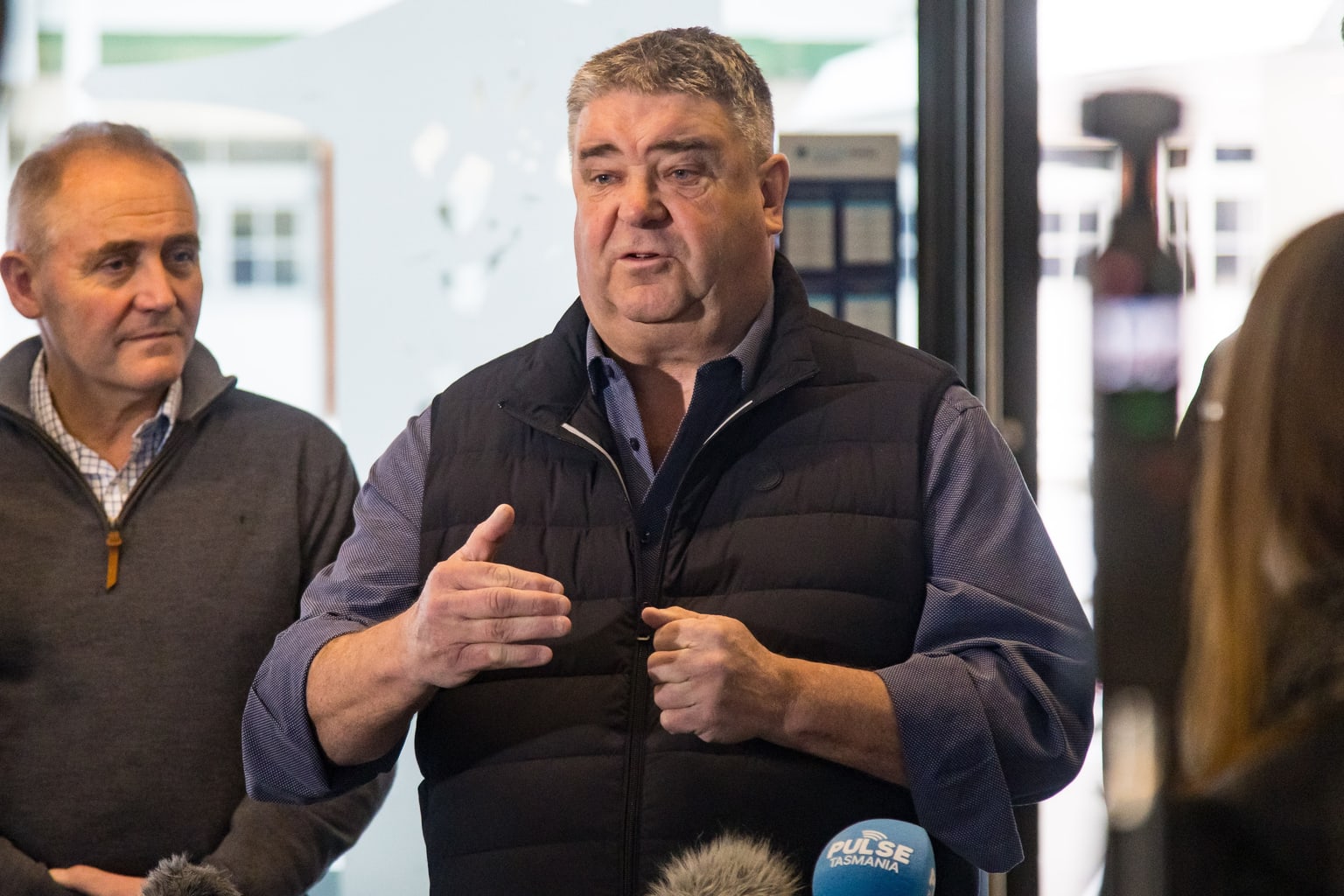
Vincent said there was a contract in place but he had not yet seen all the details and he could not say whether pulling out would have consequences.
He did not rule out abandoning the system, saying only that the government would “work through that”,
Vincent said the government still needed passenger data, whether from a ticketing system or a passenger counting service.
The common ticketing project was announced in 2018 with a $7 million price tag and a promised rollout by 2019-20.
Building Tasmania, formerly the Department of State Growth, says the contract with Cubic Transportation is worth $27.7 million, with $11.9 million already paid.
Last year’s State Growth annual report put the cost of the system at $65 million, but the government later said that figure was incorrect and the result of human error.
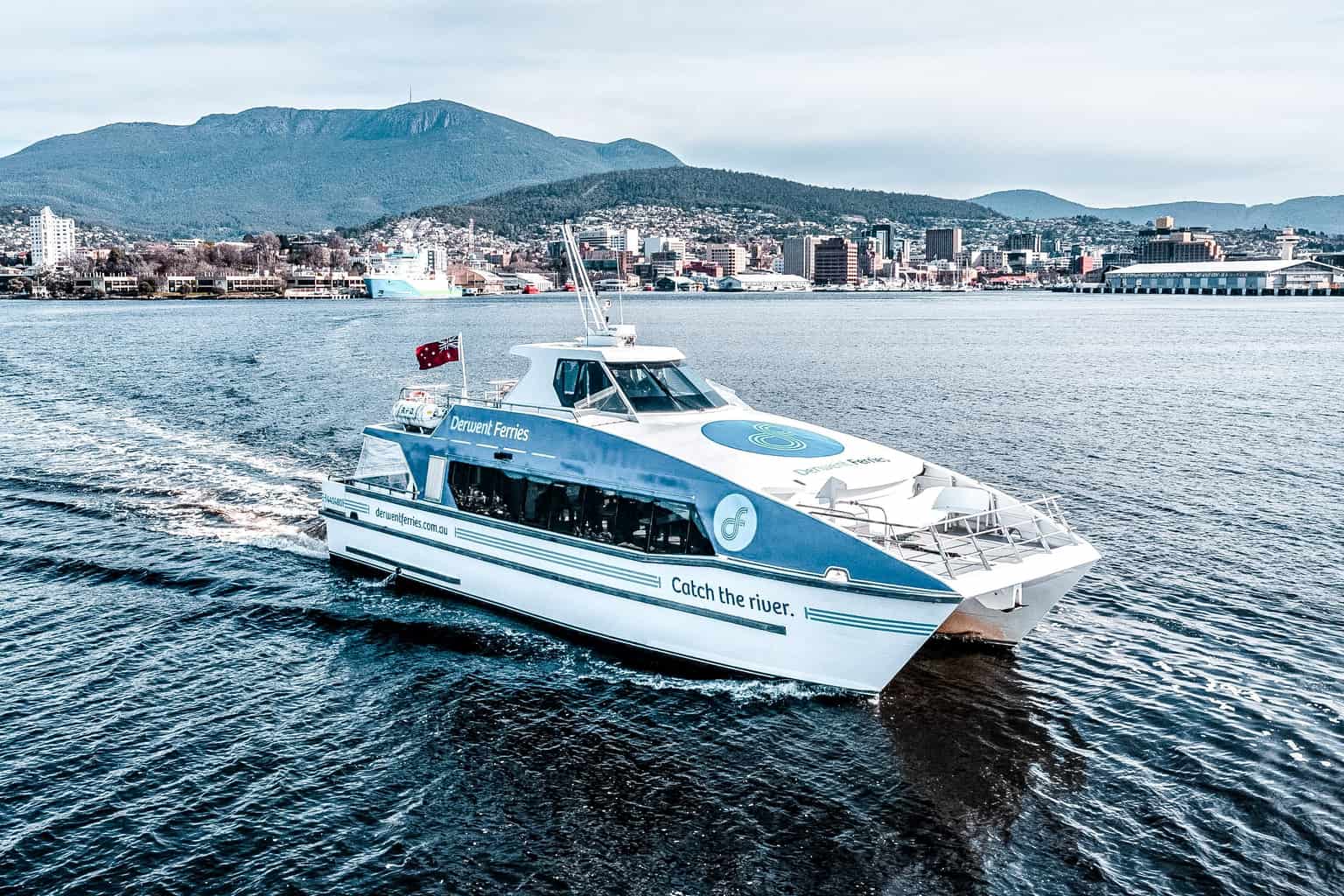
A trial of the system began on the Derwent Ferry service last December.
Free fares were extended for another year in the May budget, with $24 million committed to keep buses and ferries free until July 2027.
Government figures released in April showed about 5,000 more people caught a Metro bus in Hobart on the first day of free fares than in the week before.
In May, Premier Jeremy Rockliff said free fares had supported an almost 30% increase in patronage across the state.
Vincent said the government needed to weigh the cost of running Metro and general access buses across the state against the benefit of moving more people off the roads and against the cost of building and replacing roads.
“Tasmania’s never really taken public transport on board like most major metropolitan areas, so we need to keep promoting that,” he said.
“So it is a balancing act, but we are working through that on a monthly basis.”
He said there were no targets in place, with the focus instead on the impact on peak morning and afternoon traffic.
The Greens have long campaigned for permanently free public transport, with MLC Cassy O’Connor saying in April that Treasury had costed the party’s election policy at $17 million a year.