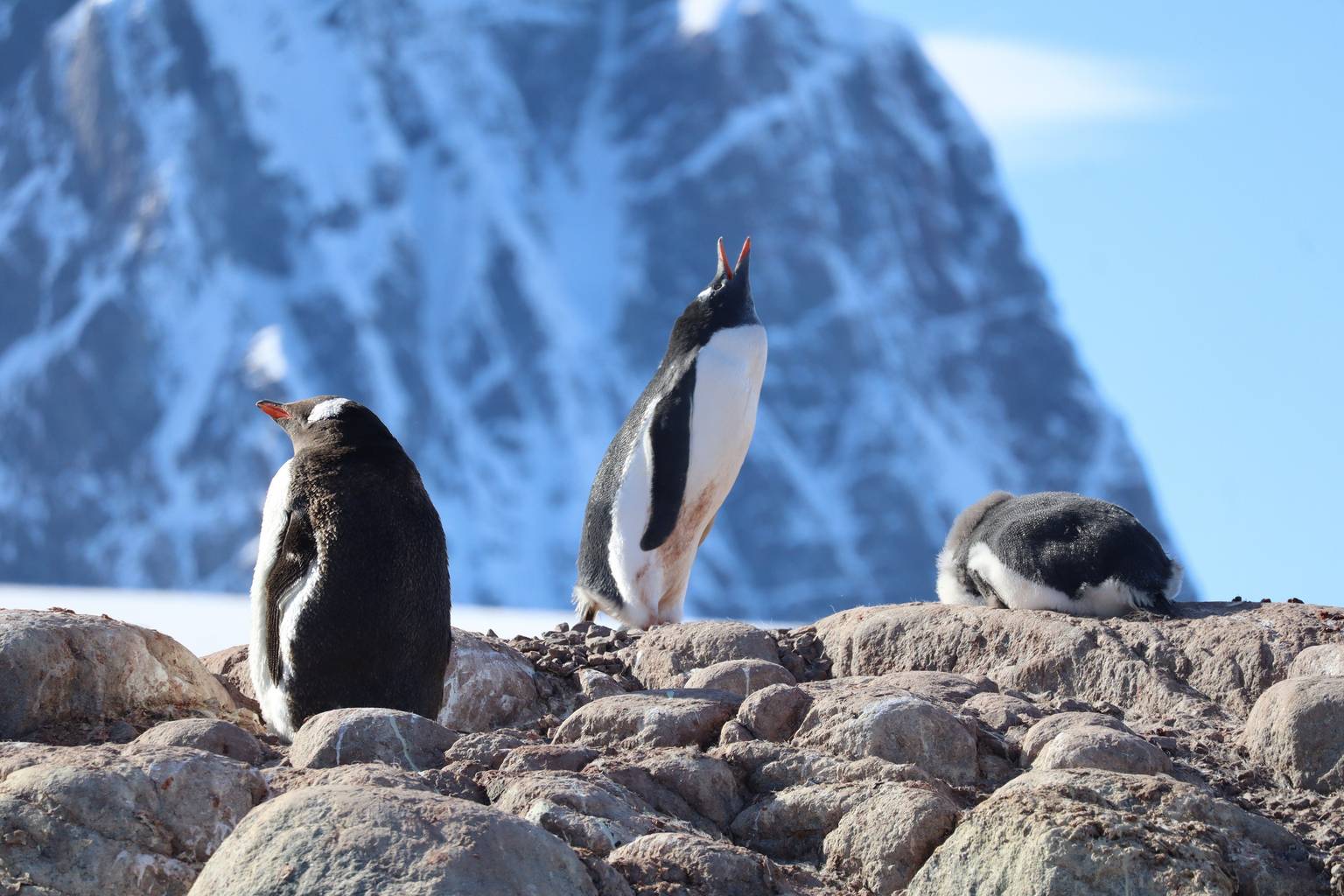
Gentoo penguins aren’t one species but four, according to new research led by a University of Tasmania scientist that could reshape how the birds are protected across the Southern Ocean.
The study, published in Nature’s Communications Biology journal, provides detailed genetic, ecological and anatomical evidence that gentoo penguins should be split into four distinct species, including one newly described species from Kerguelen.
Study co-leader Jane Younger, a Southern Ocean vertebrate ecologist at the University of Tasmania’s Institute for Marine and Antarctic Studies, said the discovery has real consequences for conservation.
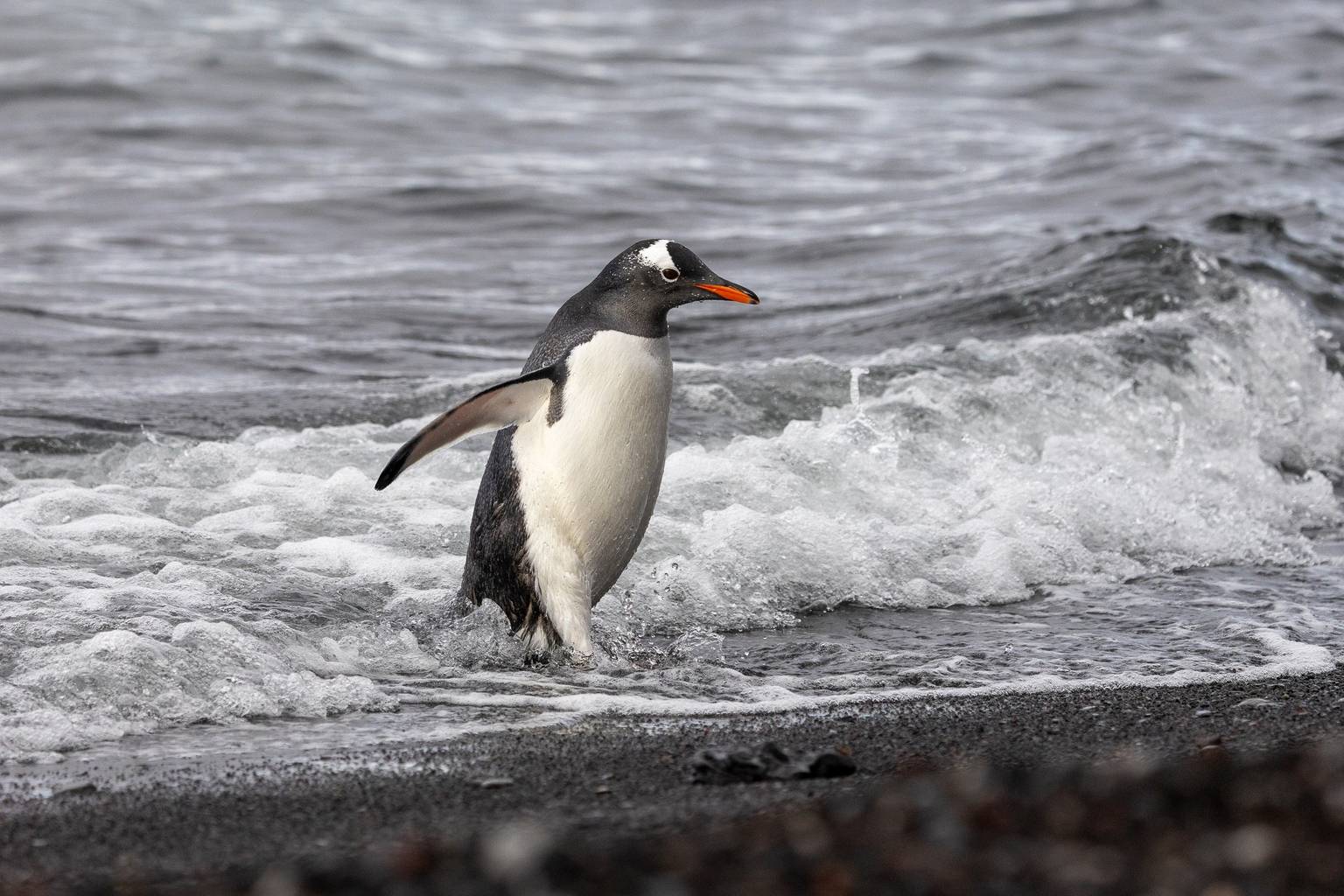
“At first glance, all gentoo penguins look the same, but birds from different regions differ in size, bill and body measurements, breeding habitat, ecology and genetics,” Younger said.
“And that matters, because they are not all doing the same thing, or facing the same threats.”
Younger initially set out to study how gentoo penguin populations were structured and whether there was interbreeding between regions.
What she and her team found was far more striking than expected.
“The ‘population’ was showing distinct genetic differences. So we took a deeper dive, this time into museum collections to measure birds from different regions – and we found consistent physical differences,” she said.
The team first proposed splitting gentoo penguins into multiple species in 2020, but Younger said the idea proved controversial because the birds look so similar on the surface.
The new study combines whole-genome data, physical measurements, ecological niche modelling and evolutionary analyses to back up the claim.
Younger said treating all gentoos as one species is masking serious regional declines.
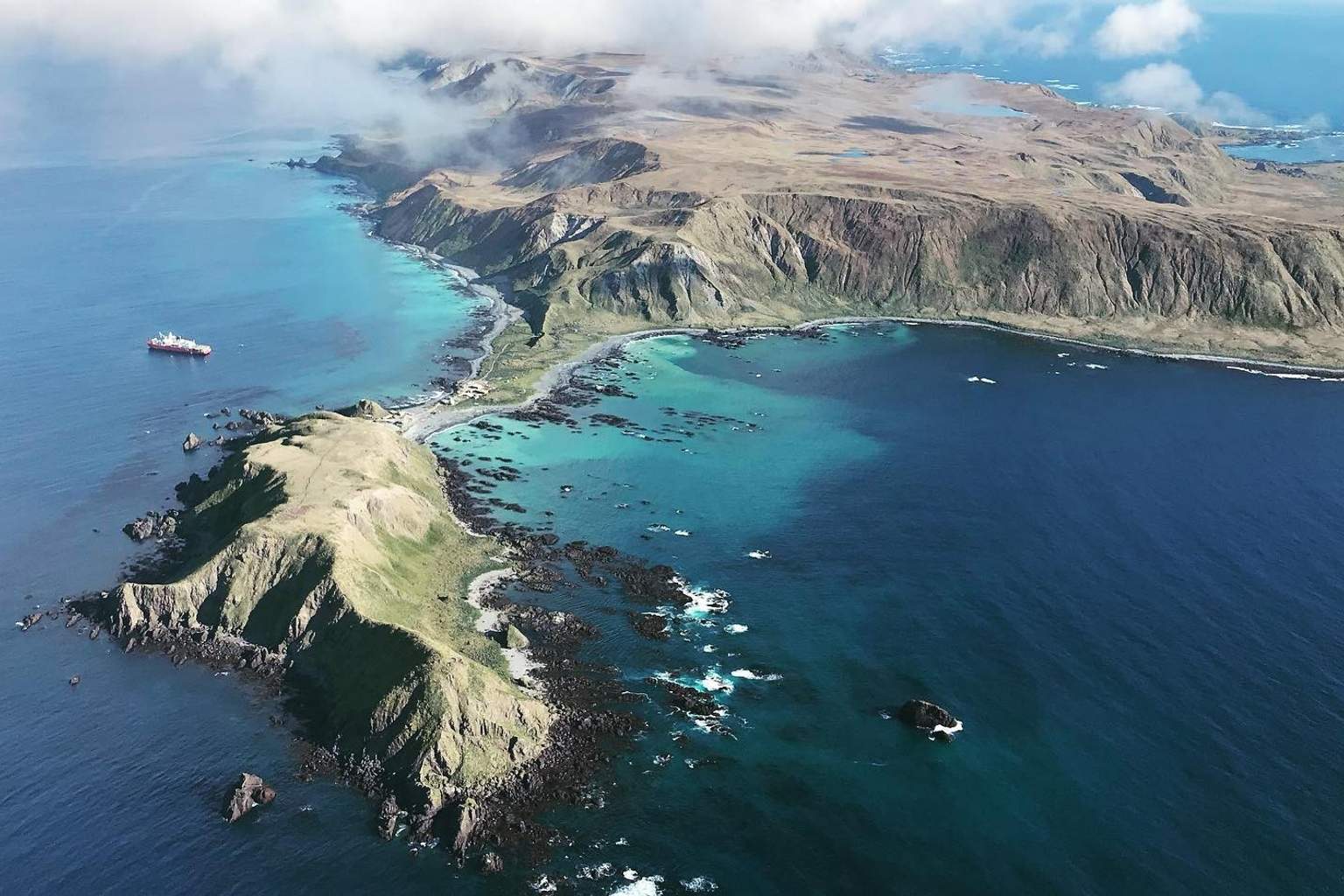
“While they are thriving on the Antarctic Peninsula, expanding south and increasing in population size, in the Falklands they have been decimated by avian influenza over the past few years – and on Macquarie Island, they are declining,” she said.
The study calls on authorities and conservation bodies to assess the conservation status of each species separately.
“It really shows why taxonomy is not just academic, it shapes whether we can recognise species at risk before it is too late,” Younger said.