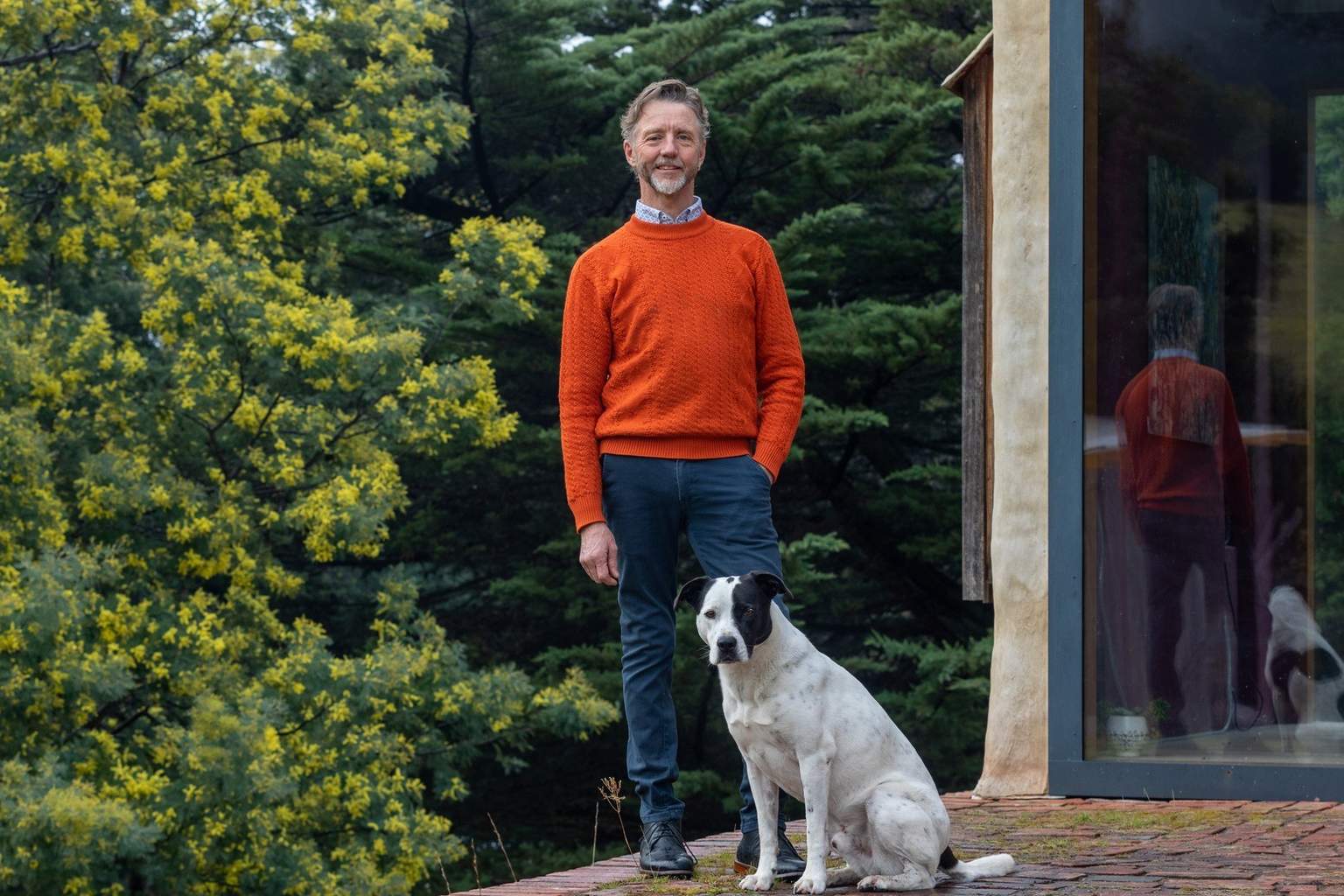
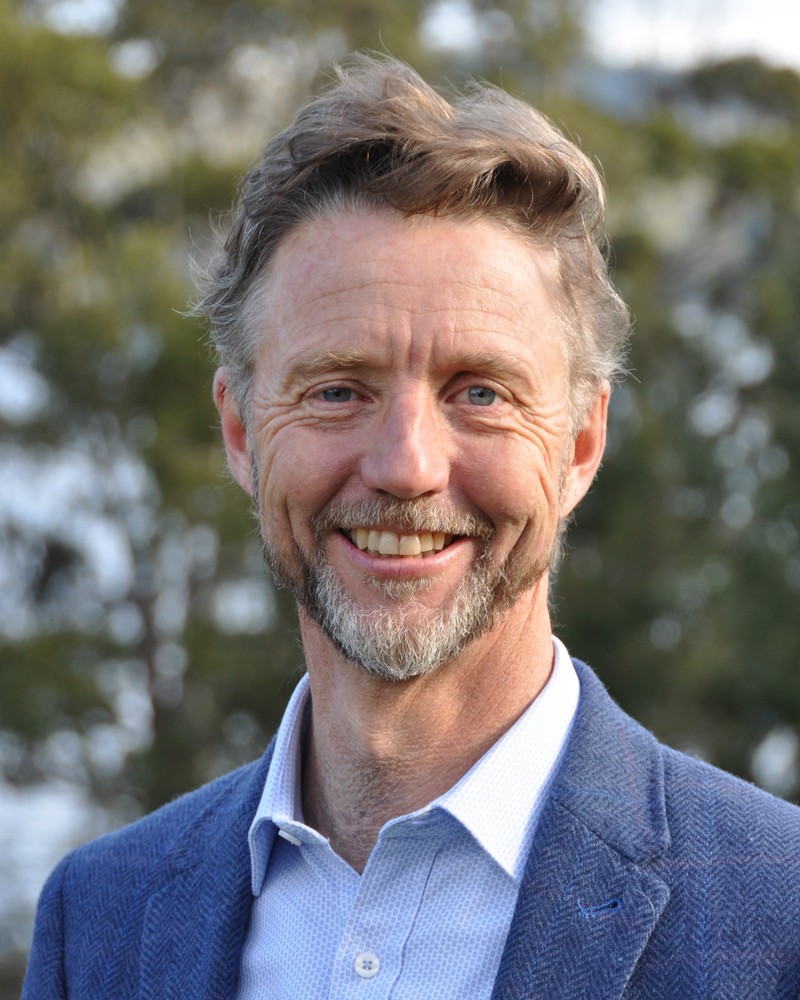
Greens candidate Paul Gibson is making a tilt at the upper house seat of Huon, driven by a career in sustainable building, eight years on the Huon Valley Council and a belief that government too often sides with business over communities.
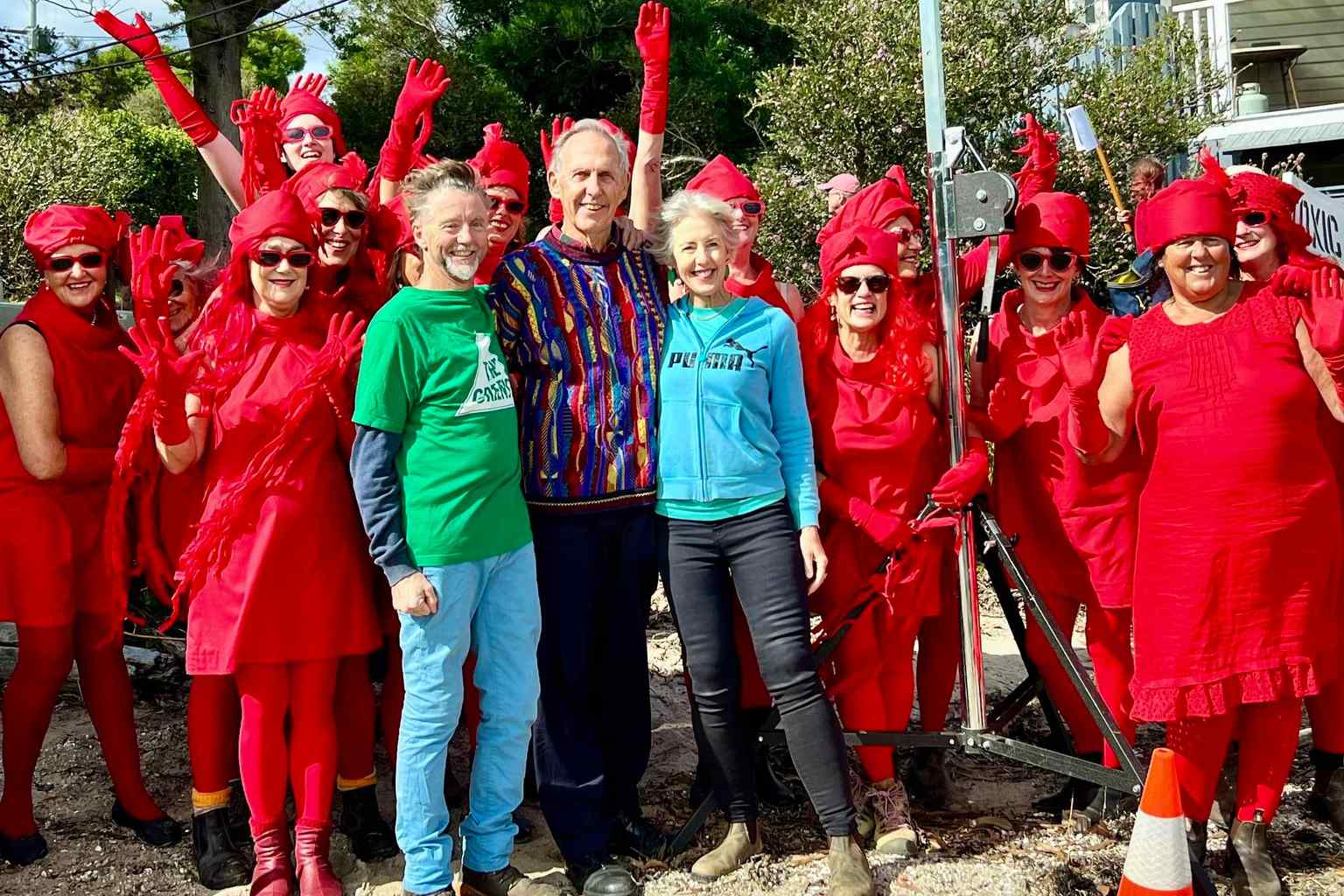
Gibson, who is the partner of Greens leader Rosalie Woodruff, said Hobart MLC Cassy O’Connor convinced him to run.
This story is part of a Pulse deep-dive series on the May 2 Legislative Council elections. To read more about the candidates standing, click here.
“She said that I’d be a really good candidate and that it was the next seat for us to be looking at,” he said.
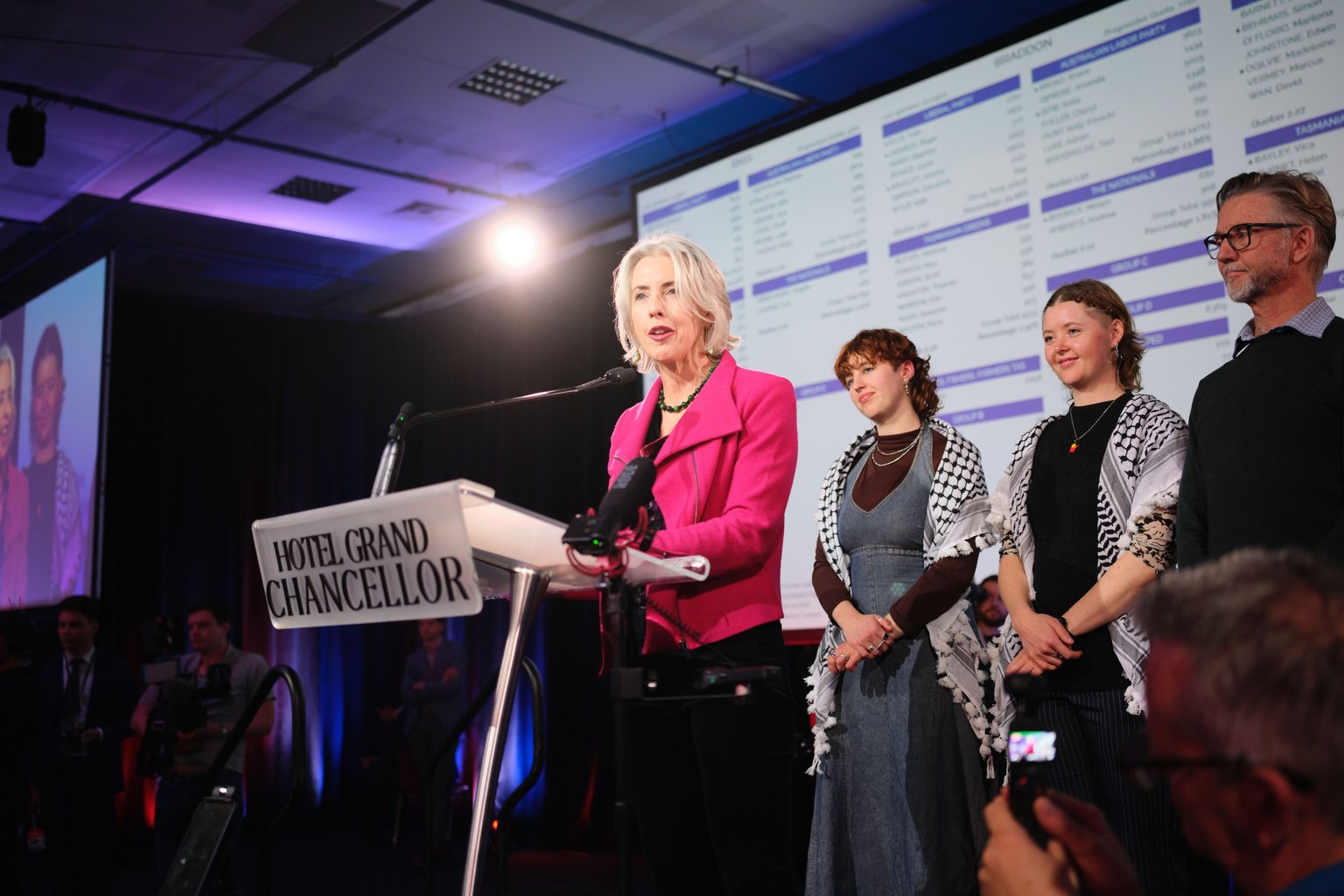
“Being on the Legislative Council will allow me to engage with, represent and support the many communities in our division of Huon.”
“Government should be working for communities but they side with business interests which divides the community.”
The decision to run wasn’t instant.
Gibson said he took time to weigh up the move because he genuinely enjoys his work on the Huon Valley Council.
“I didn’t want to stand unless I was really prepared to give it 100%,” he said.
Gibson is an architect and builder with 40 years of experience, most of it focused on energy efficient housing.
He said the shift into politics came from a realisation that designing green homes one at a time was not going to make enough of a difference on climate change.
“I’ve got kids, and I want them to have a future,” he said.
That concern led him to the Huon Valley Council, where he has served for eight years across two stints.
He was part of the first elected council that returned after a period of administration, and he’s proud of how much the place has changed.
Gibson said he and fellow Greens councillor Christine Campbell helped turn the council around by pushing back against what he described as a conflict of interest over the appointment of a general manager.
That eventually led to the hiring of CEO Lachlan Kranz, who Gibson credits with transforming the council’s culture.
“He’s just been what the council needed,” Gibson said.
“A can-do, fix it sort of person.”
On the campaign trail, Gibson said the Hobart stadium remains one of the biggest issues on doorsteps, despite the political debate having already played out.
He said the combination of the stadium’s open-ended construction contract and rising costs linked to global fuel prices has people worried.
“Every percentage is costing the state a million dollars,” he said.
Gibson was particularly critical of upper house independents who he said appeared to oppose the stadium spending before ultimately voting to support it.
“I’d stood beside Dean Harris and others and they seemed to be absolutely horrified at spending that sort of amount of money and in current budget setting,” he said.
“And then I just watched as each independent sort of got swayed and the vote changed the other way.”
He said that wouldn’t happen with a Greens member.
“When you vote for the Greens, you know the policies,” he said.
“They’re all published, they’re grassroots driven, and so you know what you’re getting.”
Gibson drew a sharp distinction between voting for an independent and voting Green.
“An independent, it’s like you’re putting a stake in the ground for climate and the environment, but for the Greens, you’re planting a tree that’ll grow into a forest, and so it’s all about building a movement,” he said.
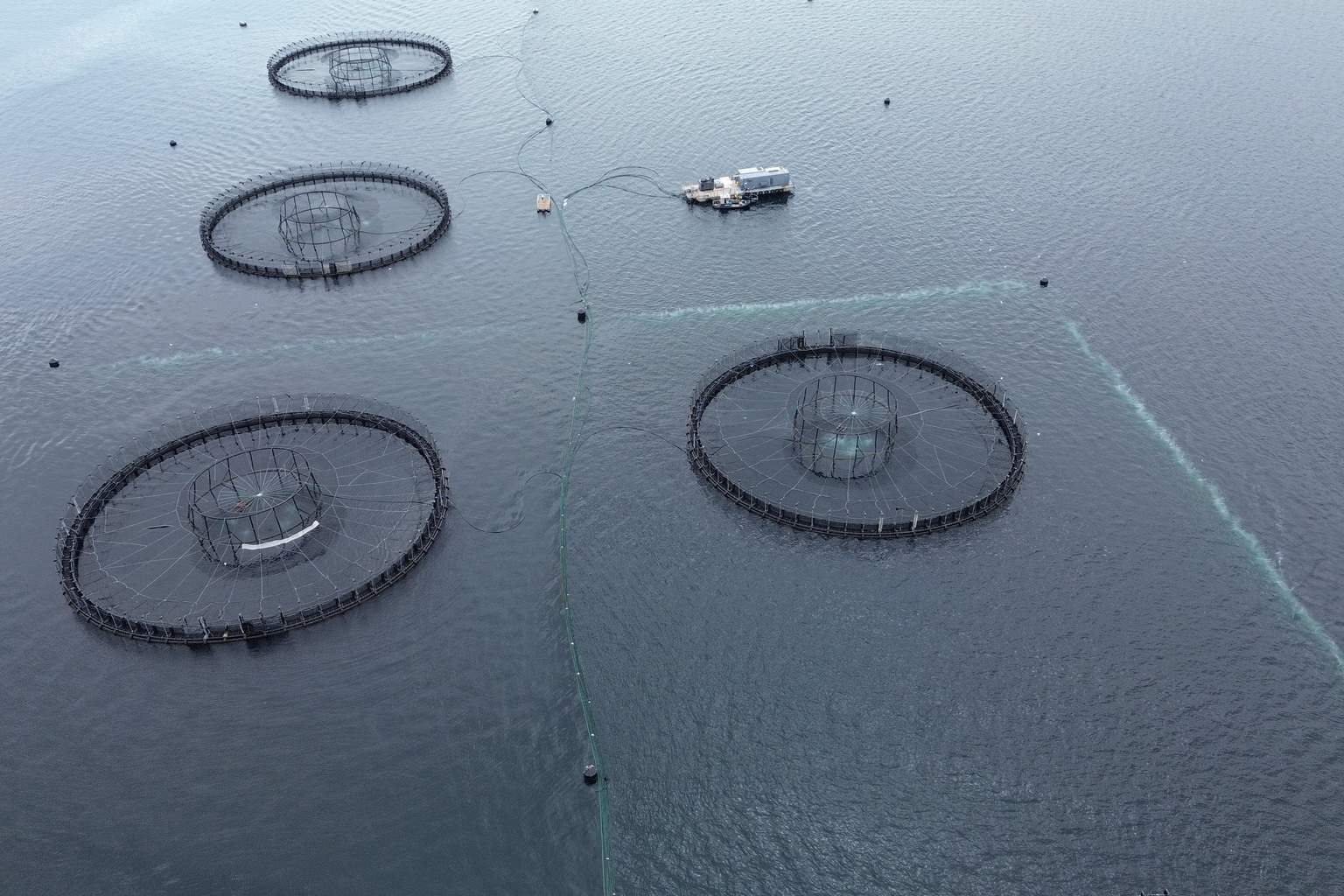
Salmon farming is the other issue dominating conversations in the electorate, and Gibson acknowledged it’s deeply complicated in the Huon Valley where many people rely on the industry for work.
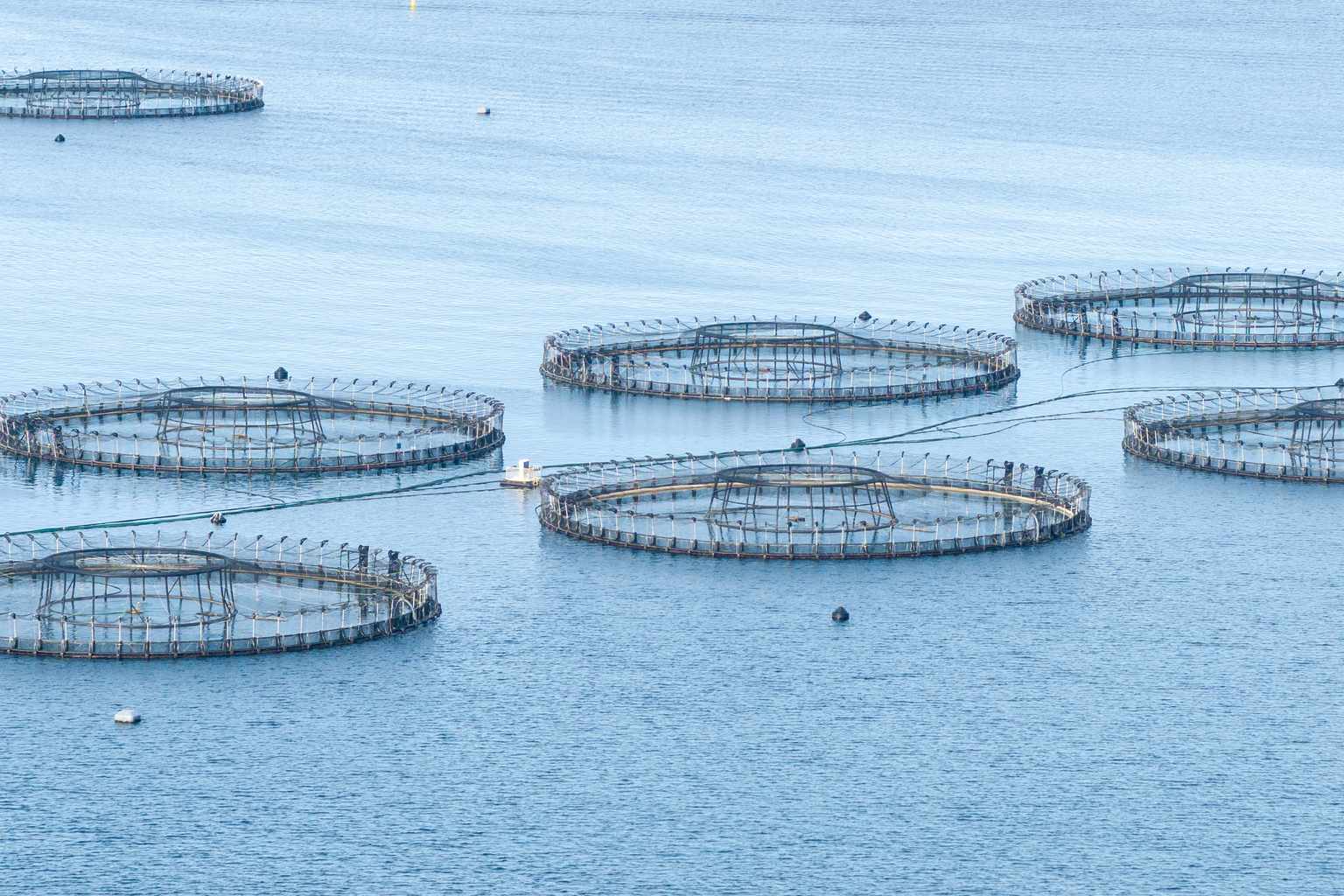
He said successive Labor and Liberal governments were to blame for failing to set strong environmental baselines from the start.
“Somebody’s just got to actually look it in the face and say, you know, this is, these are the limits on salmon farming,” he said.
“They cannot damage our ecosystems.”
Gibson said he wanted to see the antibiotic florfenicol permanently banned and believed the government’s role was to set environmental limits, not tell businesses how to operate.
He also pointed to alternatives like growing warm water kelp varieties to absorb carbon as a potential transition pathway for workers.
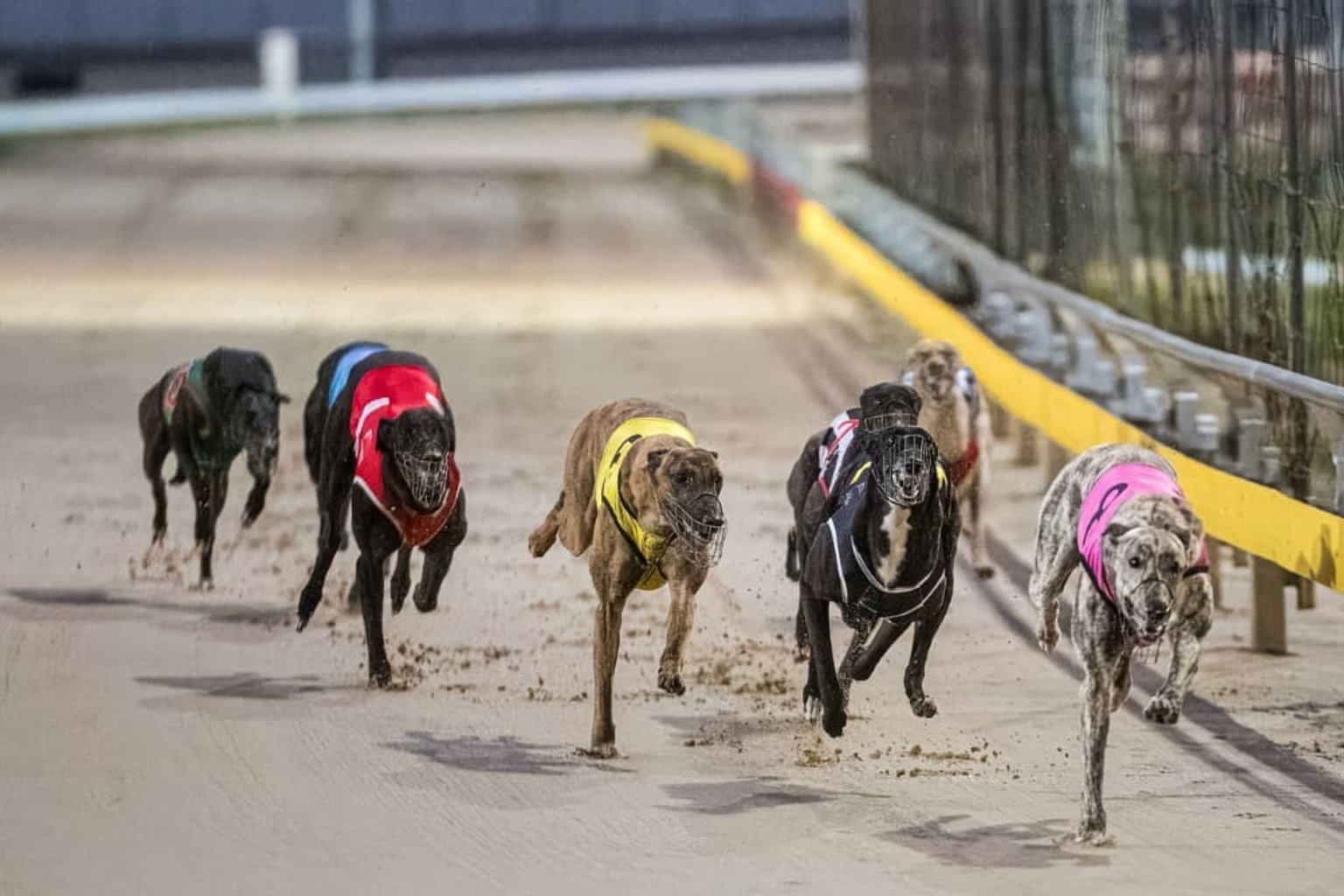
On greyhound racing, Gibson said he hasn’t found a single supporter of the industry while doorknocking.
“When there’s only four countries in the world still doing greyhounds, and when you’ve got the statistics of the number of injuries and deaths, which are just totally unacceptable, you know, it’s just so clear that when you mix gambling money with animals, it’s the animals that lose out,” he said.
Closer to home, Gibson said housing affordability in the Huon is desperate.
He described standing next to a young man at choir who can’t afford to stay in the area because there’s nothing to rent or buy within his reach.
Gibson said he’d also push for more investment in strategic planning so communities can shape how their towns grow, rather than reacting to whatever developers propose.