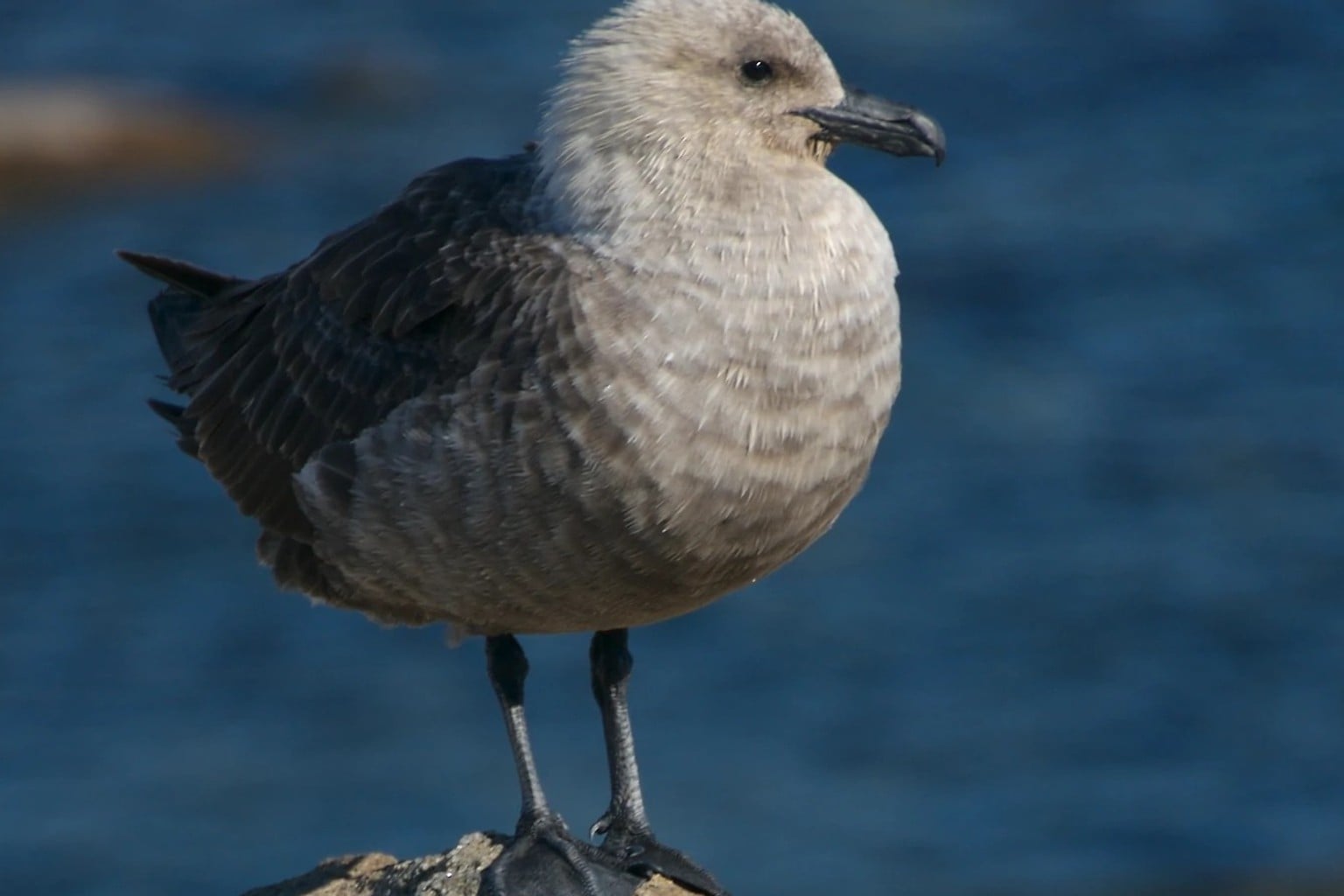
H5 bird flu has been detected in Tasmania for the first time after a dead brown skua tested positive at Burgess Cove, at Rocky Cape in the state’s north-west.
Staff from the Parks and Wildlife Service found the bird’s carcass during routine coastal surveillance.
Testing completed overnight confirmed the H5 result.
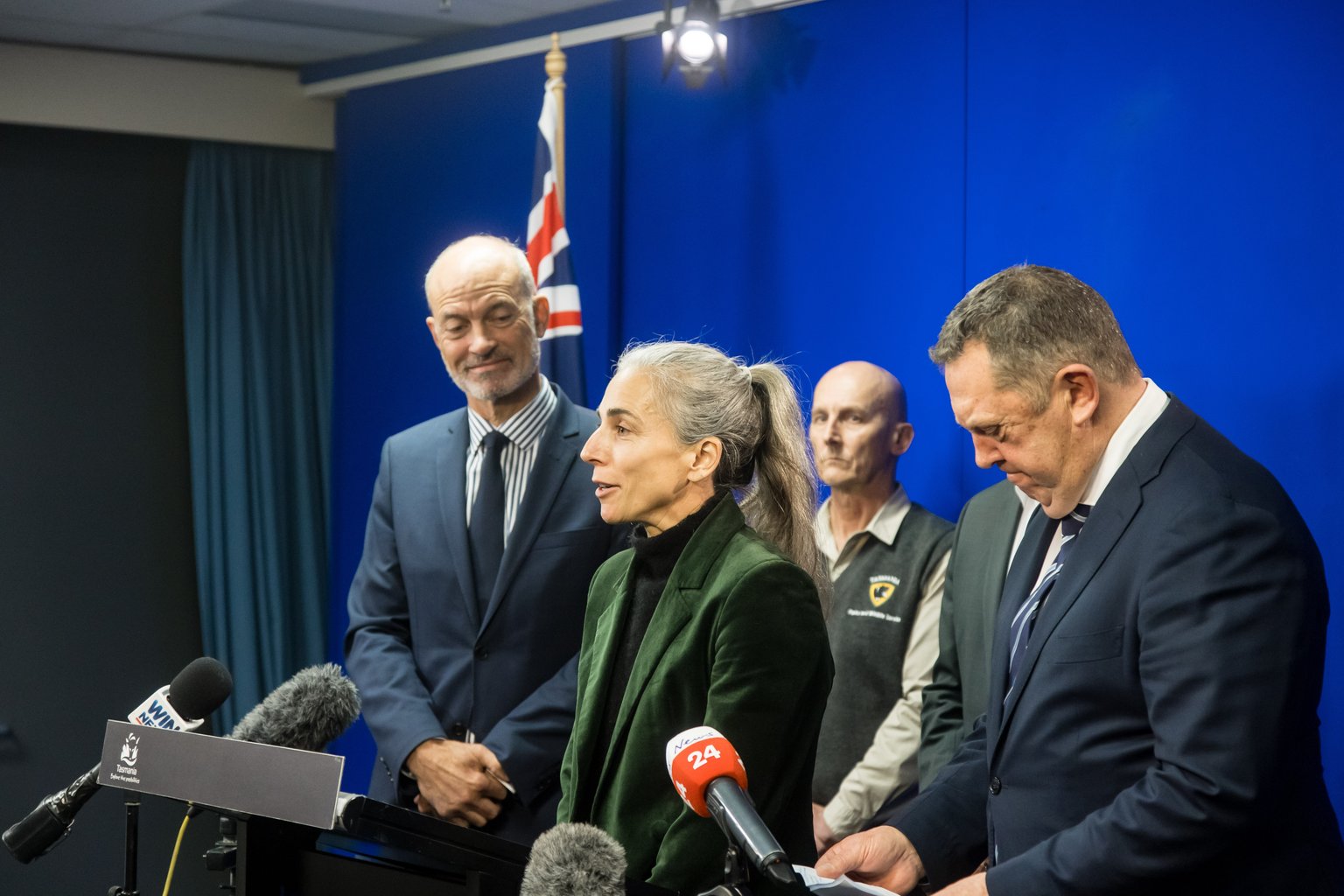
Primary Industries Minister Gavin Pearce said Tasmania had been preparing for the virus’s arrival and was ready to respond.
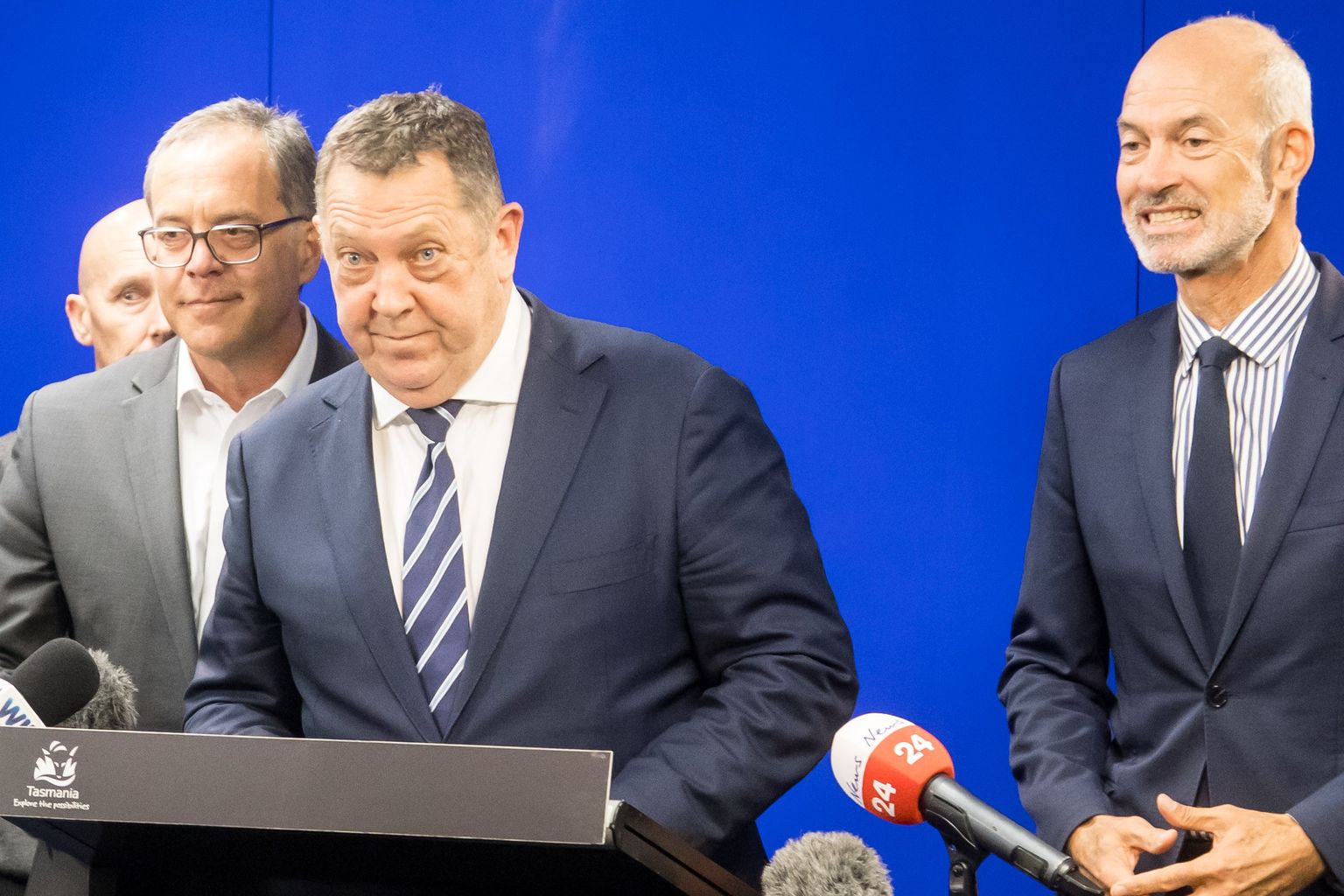
“Although we’ve had a positive detection, I want to be clear that there is no evidence of an outbreak and there is no detection in commercial poultry at this time,” Pearce said.
“I want to reassure Tasmanians that we are prepared to respond to H5 Bird Flu and we will continue to provide updates as more information becomes available.”
The state government said it had completed aerial surveys of more than 980 kilometres of coastline, invested in decontamination units and mobile truck wash facilities and worked with the commercial poultry sector on biosecurity plans.
Protection plans have also been developed for at-risk species including the Orange-bellied parrot, Tasmanian devil, Shy albatross and Short-tailed shearwater.
Environment Minister Guy Barnett said an outbreak would be distressing for the community.
“There is no way to prevent new strains of bird flu entering or spreading through Tasmania with wild and migratory birds,” Barnett said.
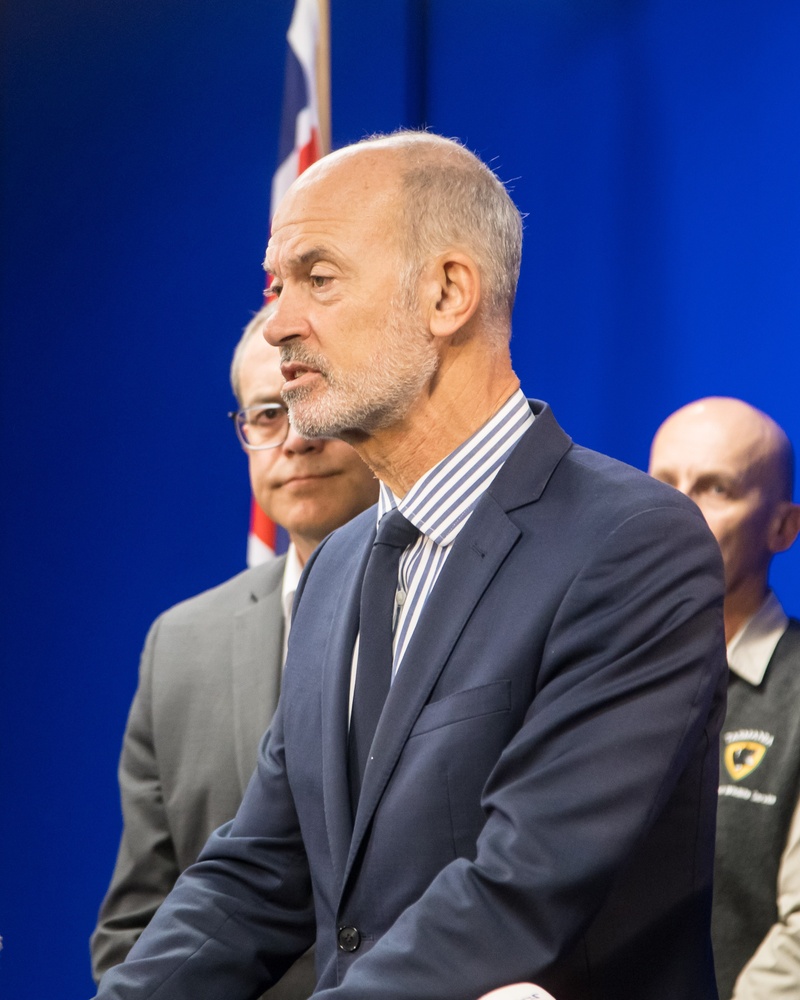
“The most important thing people can do is remain vigilant and report sick or dead birds and wildlife immediately.”
Invasive Species Council CEO Jack Gough said the detection was deeply concerning given the vulnerability of the state’s unique wildlife.
“The Australian Government’s own bird flu risk assessment is a list of doom for our wildlife,” Gough said.
“It identifies the Tasmanian devil and eastern quoll as the land mammals at the highest risk from bird flu, while bird species such as the orange-bellied and swift parrots are also rated at very high risk.”
Gough called for urgent investment in eradicating feral cats, pigs and deer from priority offshore islands to give vulnerable species safer places to breed and recover after outbreaks.
Poultry owners are urged to keep their birds separated from wild birds, protect feed and water sources from contamination and watch for signs of illness.
Anyone who sees sick or dead birds or wildlife should avoid contact, record what they see and call the Emergency Animal Disease hotline on 1800 675 888.