The Hobart City Council has signed off on a report highlighting its achievements over the past four years, despite some elected members voting against it for failing to acknowledge the council’s shortcomings.
The 38-page report was received by a vote of 8-4 at Monday’s council meeting, the last before the local government elections.
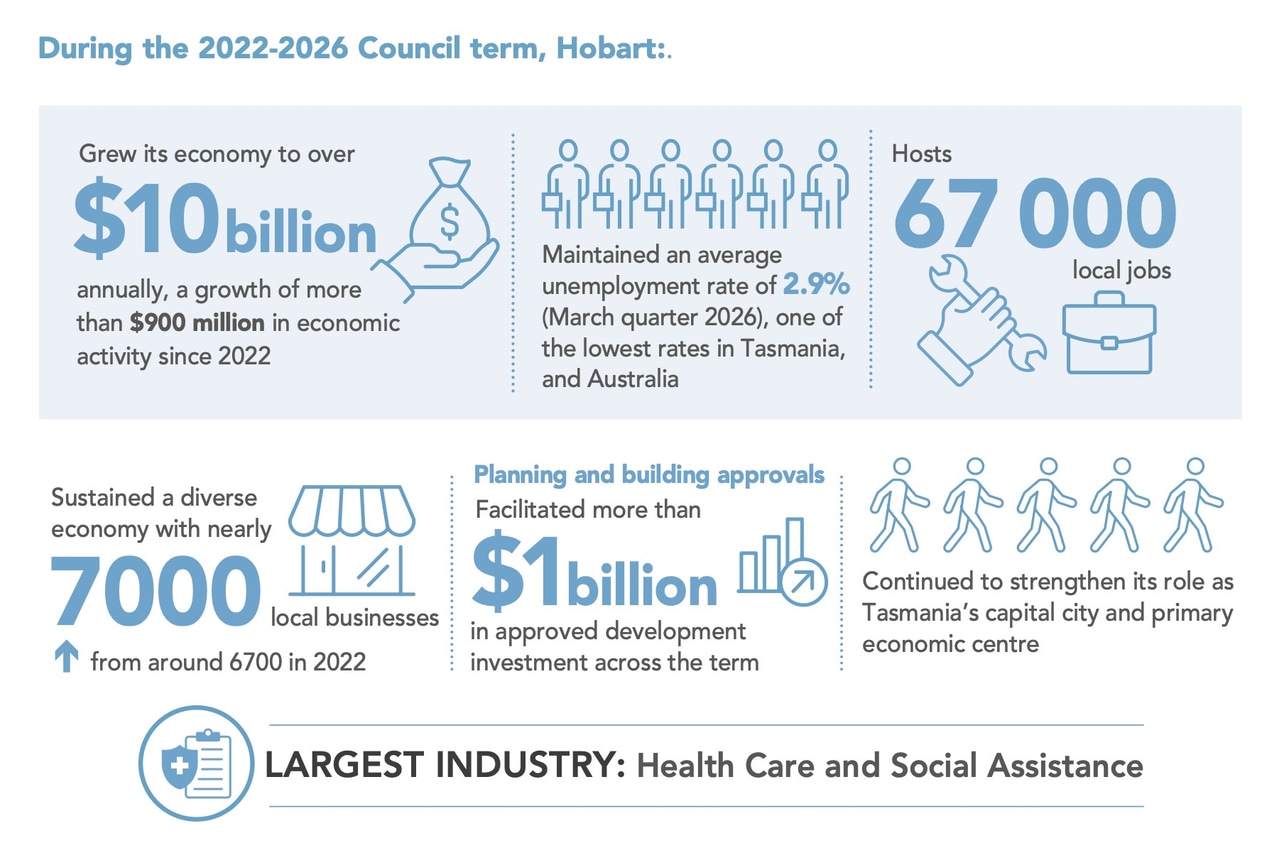
It lists projects and decisions under each of the eight pillars of the council’s strategic plan.
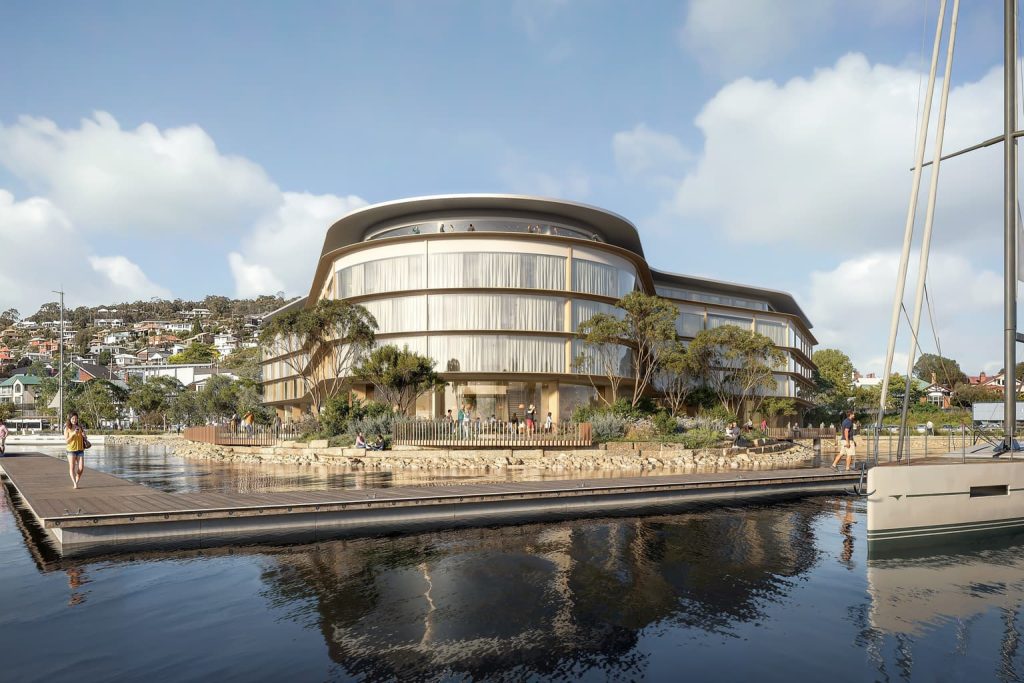
Highlights include securing $20 million in federal funding for Derwent ferry terminals, Hobart’s designation as a UNESCO City of Literature and the Climate Ready Hobart 2040 strategy.
The report shows council income rose from $167.6 million in 2022-23 to $194.9 million in 2025-26, while operating spending increased from $160.1 million to $180.7 million.
A $2.7 million underlying deficit in the first year was followed by three years of surpluses.
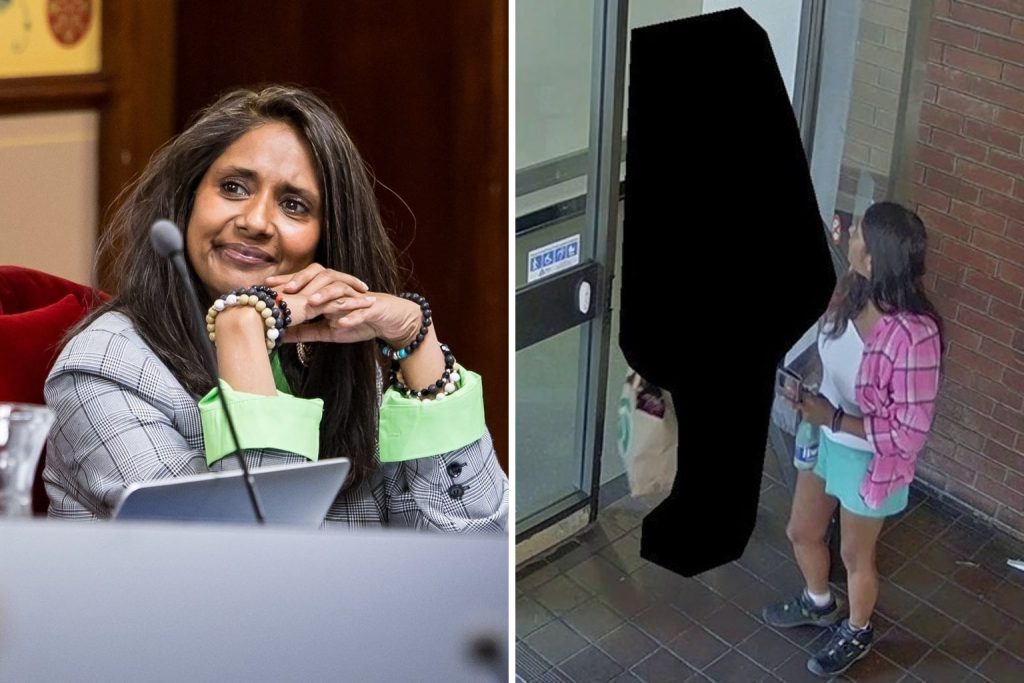
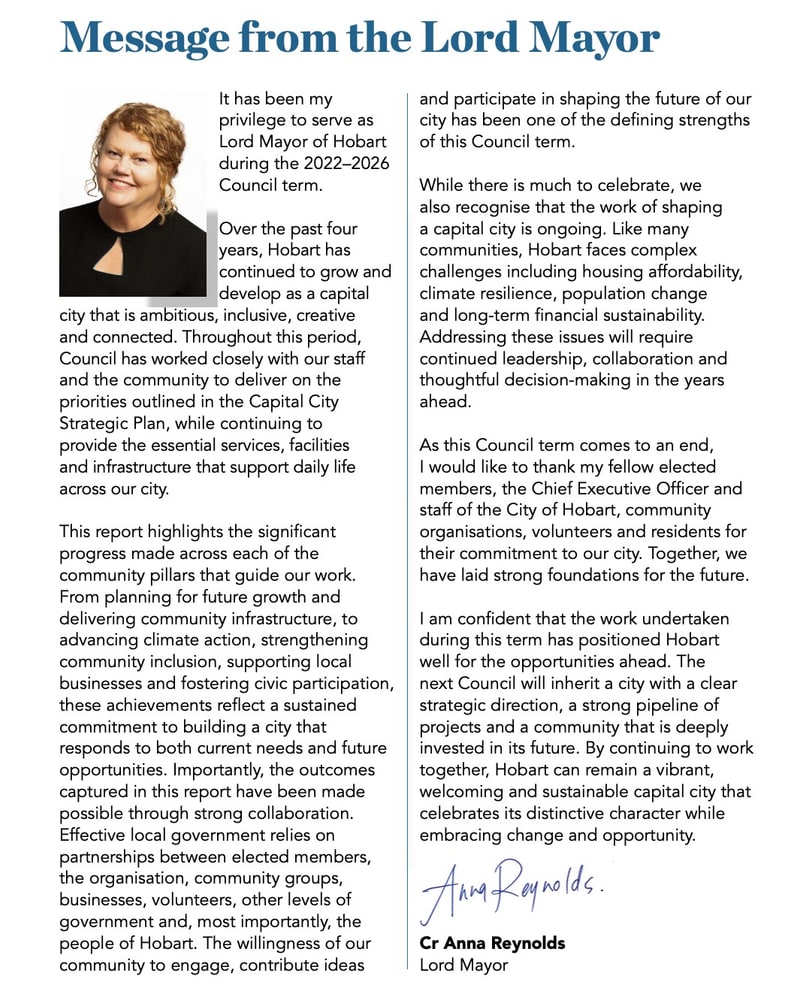
Lord Mayor Anna Reynolds, who chaired her final meeting after eight years in the role, said the report was largely a list of what the council had delivered.
“This isn’t spin or PR,” Reynolds said. “This is just the facts of what this institution has achieved, despite a lot of disruption and complaint and negative anger-mongering about the council.”
“The council has got on with the job to deliver services and projects to the community and that’s all this report sets out.”
She said the council’s surpluses followed advice from its audit panel and that no new loans had been taken out during the term.
Councillor Mike Dutta said Hobart’s average annual rate rise since 2018-19 was lower than those of Glenorchy, Kingborough, Clarence and Launceston councils.
Councillor Ryan Posselt highlighted external awards won during the term, including national recognition for the council’s climate assembly.
Councillor Louise Elliot described the report as “propaganda”.
She said it omitted the council’s discrimination cases, code of conduct complaints and the condition of some council facilities.
Alderman Marti Zucco said the report had “fundamental flaws”.
“It’s great that we want to pat each other on the back, but there are some things that we fail at and I’ve been very consistent with the failures of some of the things that we do,” he said.
“If I become the lord mayor of this city I’ll be dumping something like this.”
Councillor Will Coats, who is not recontesting the election, said a report for incoming councillors should cover “the good, the bad and the ugly”.
Councillor John Kelly said the report failed to acknowledge “one single thing” the council could have done better.
“I’m totally lost on this self-back-slapping grandiose report that we haven’t got the guts to at least acknowledge, ‘yes we could have improved on certain areas and done all that’, but not a single mention of doing better,” he said.
Reynolds’ message at the front of the report acknowledges the city faces “complex challenges”, including housing affordability and long-term financial sustainability.
The report does not identify any council projects that fell short.
Most of the document was prepared by council staff, with councillors told an external designer was paid about $1,800 to complete it.
Reynolds and councillors Dutta, Posselt, Zelinda Sherlock, Gemma Kitsos, Ben Lohberger, Bill Harvey and Louise Bloomfield voted to receive the report.
Elliot, Zucco, Coats and Kelly voted against it.
A council officers’ report says mid-term and end-of-term reports are expected to become standard practice.