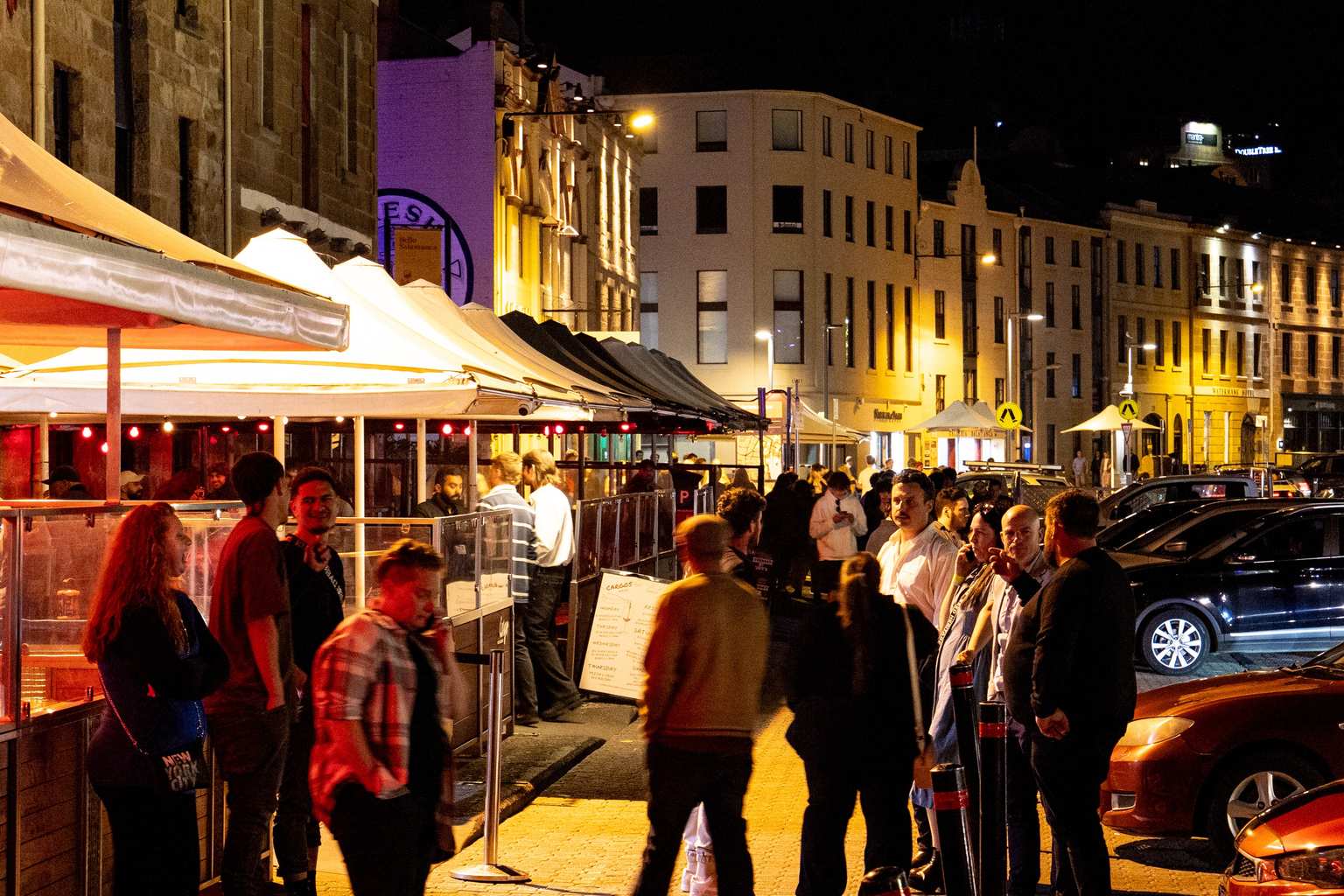
Hobart is looking to boost its after-dark economy, bringing in nighttime economy commissioners from New South Wales and Queensland to share what’s working on the mainland.
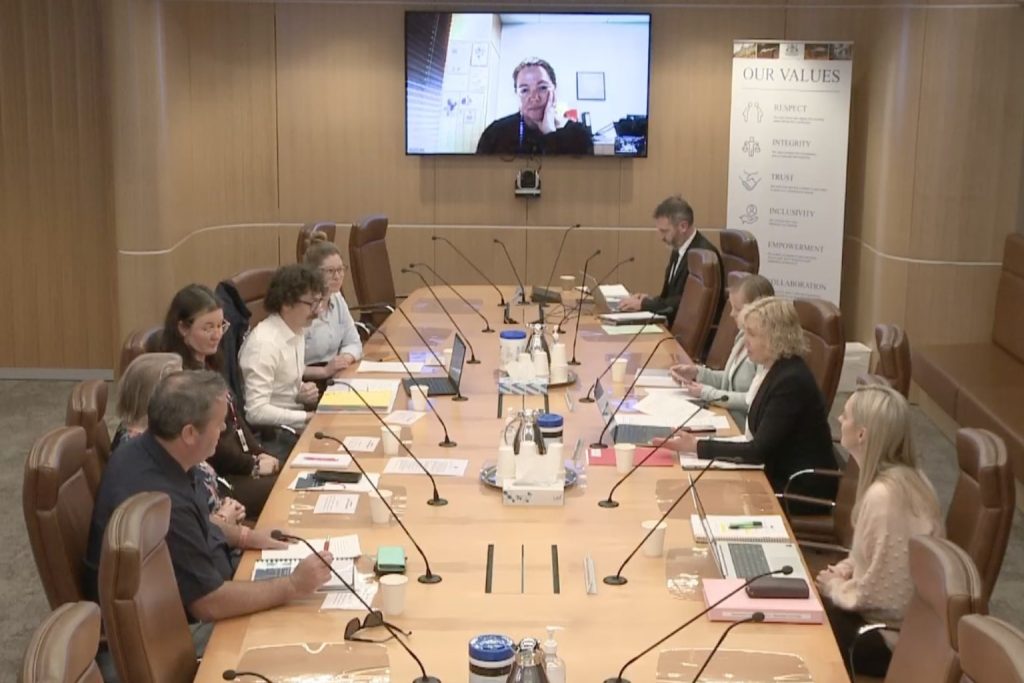
The city hosted a major industry forum on Wednesday, bringing together local businesses, state government representatives and the two commissioners to talk through the challenges and opportunities facing Hobart’s nightlife.
NSW 24-Hour Economy Commissioner Michael Rodrigues and Queensland Night-Time Economy Commissioner John Collins were the headline guests at the event, which builds on a roundtable the City of Hobart held last year.
Hobart Lord Mayor Anna Reynolds said the city’s nighttime economy already supports more than 7,000 jobs and 650 local businesses.
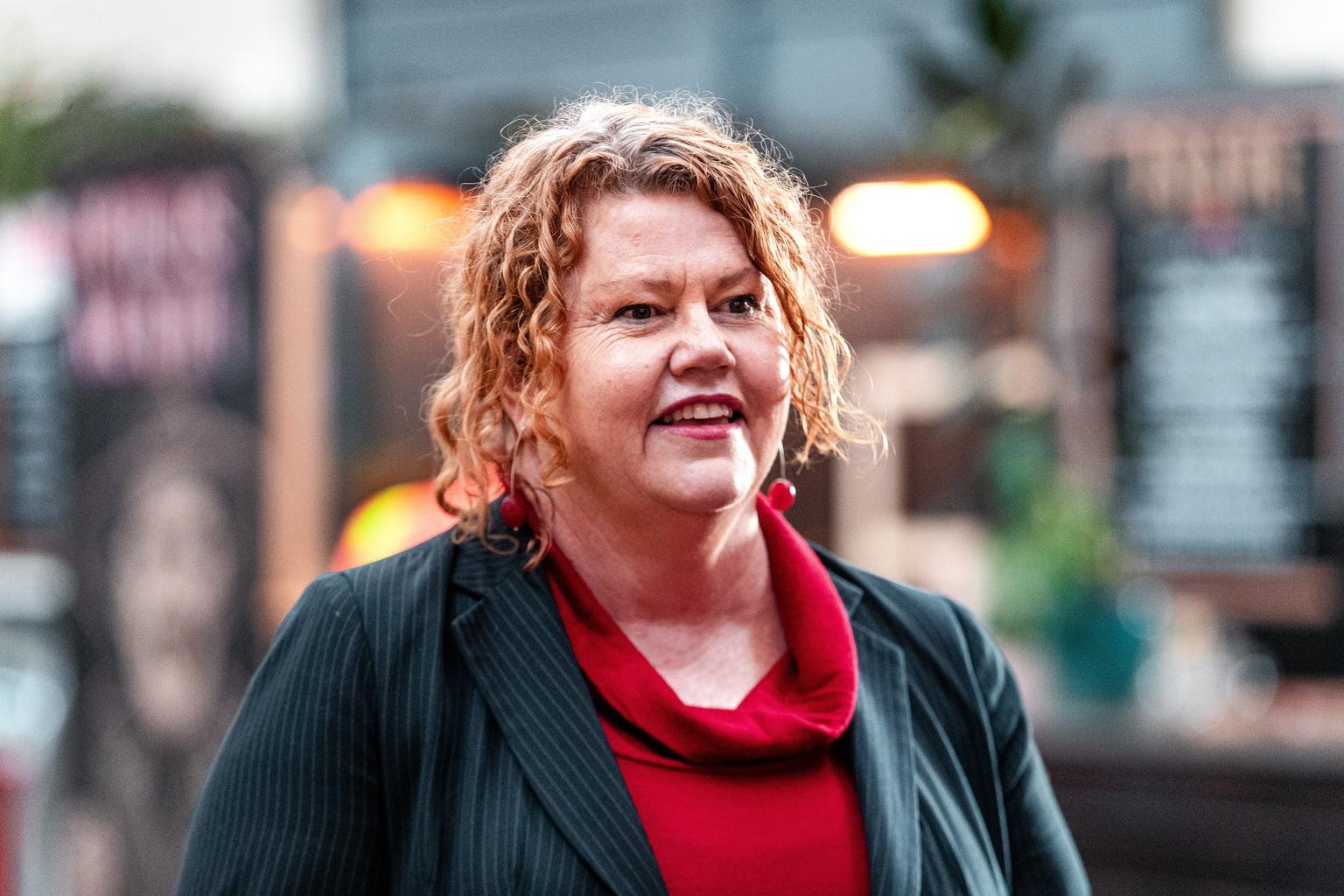
“This is a fantastic opportunity for Hobart’s industry to hear directly from leaders who are shaping the future of nightlife in Australia,” she said.
“Our night-time economy is a major driver of jobs, investment and city vibrancy, and learning from the experience of NSW and Queensland will help us grow sustainably and safely.”
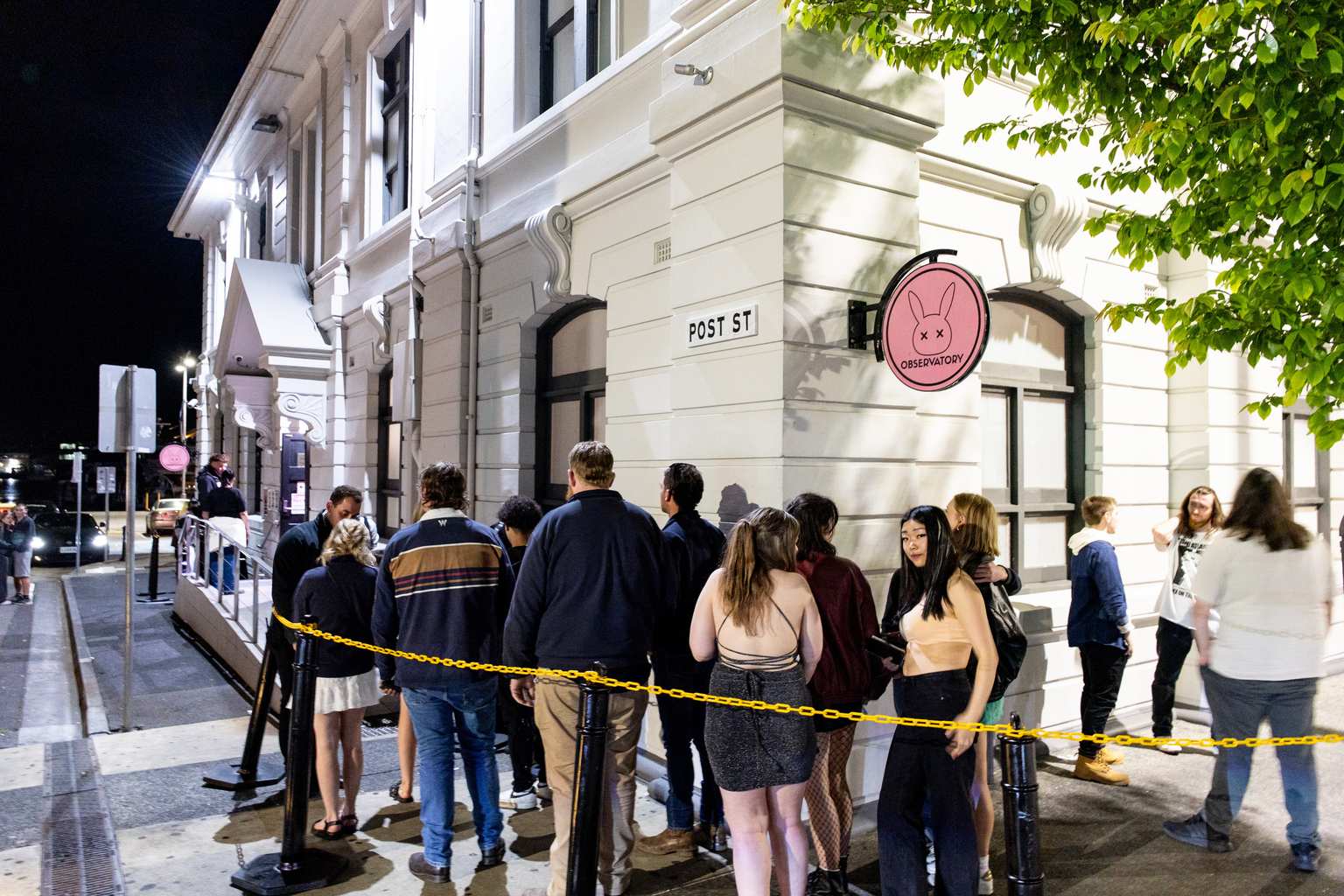
Reynolds said businesses had raised a range of concerns at last year’s forum, including regulation, insurance costs, labour shortages and a lack of late-night public transport.
She said nighttime public transport would be a strong first step, particularly for young people trying to keep the cost of a night out down.
“People have got limited resources, and they’re making a decision about how they want to spend their time off work,” she said.
“So we need to make sure that enjoying the nighttime economy is accessible and is affordable.”
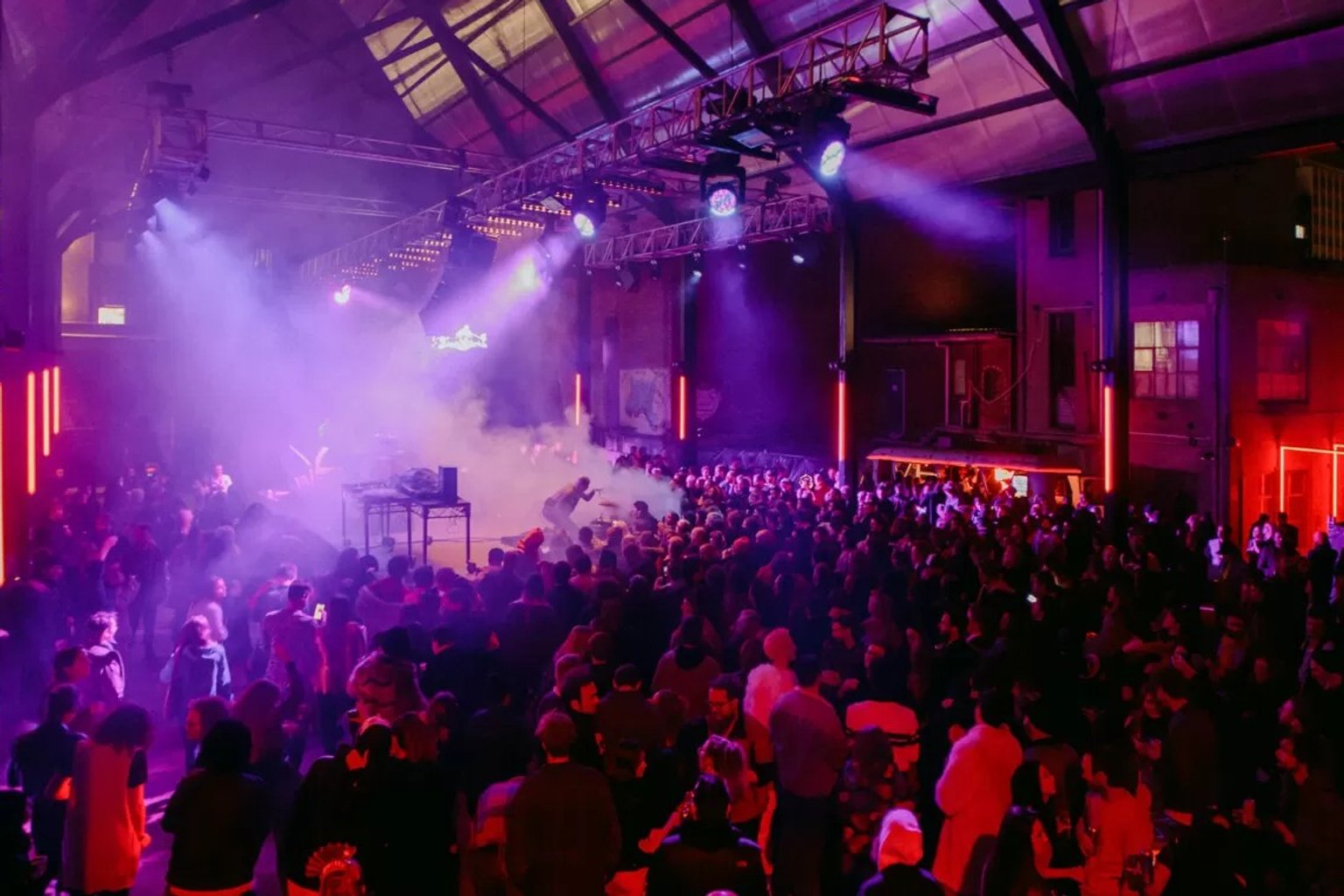
Reynolds also pointed to the need for a more diverse nighttime offering beyond nightclubs and drinking, saying there were family groups, older people and arts lovers who all wanted things to do after dark.
Rodrigues, who has led NSW’s 24-hour economy strategy since 2021, said the rise of at-home entertainment was the single biggest threat to the going-out economy.
“People can stream what they want, where they want, from wherever they want,” he said.
He said solving that challenge meant making the going-out experience better rather than simply cheaper.
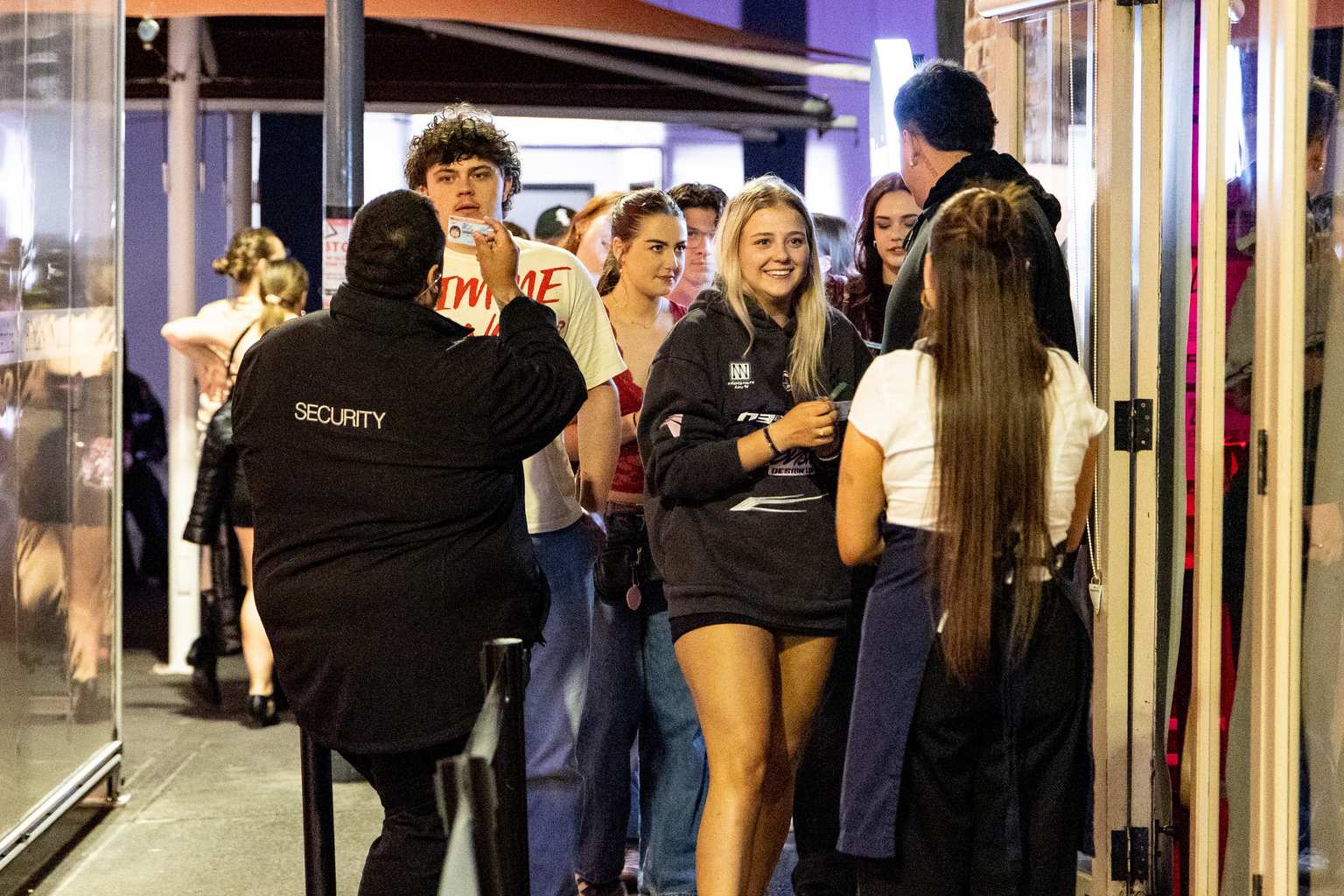
Collins, the former Powderfinger bass guitarist who was appointed Queensland’s commissioner in 2024, said he felt for grassroots music venues in particular.
He said the average stadium concert ticket had jumped from $100 to around $250 in a decade, while grassroots gig tickets had stayed at around $20.
“The gap has widened and it’s really putting huge pressure on grassroots music venues,” he said.
Collins said younger audiences were also spending far less at the bar, with changing drinking habits squeezing venues that rely on drink sales to stay open.
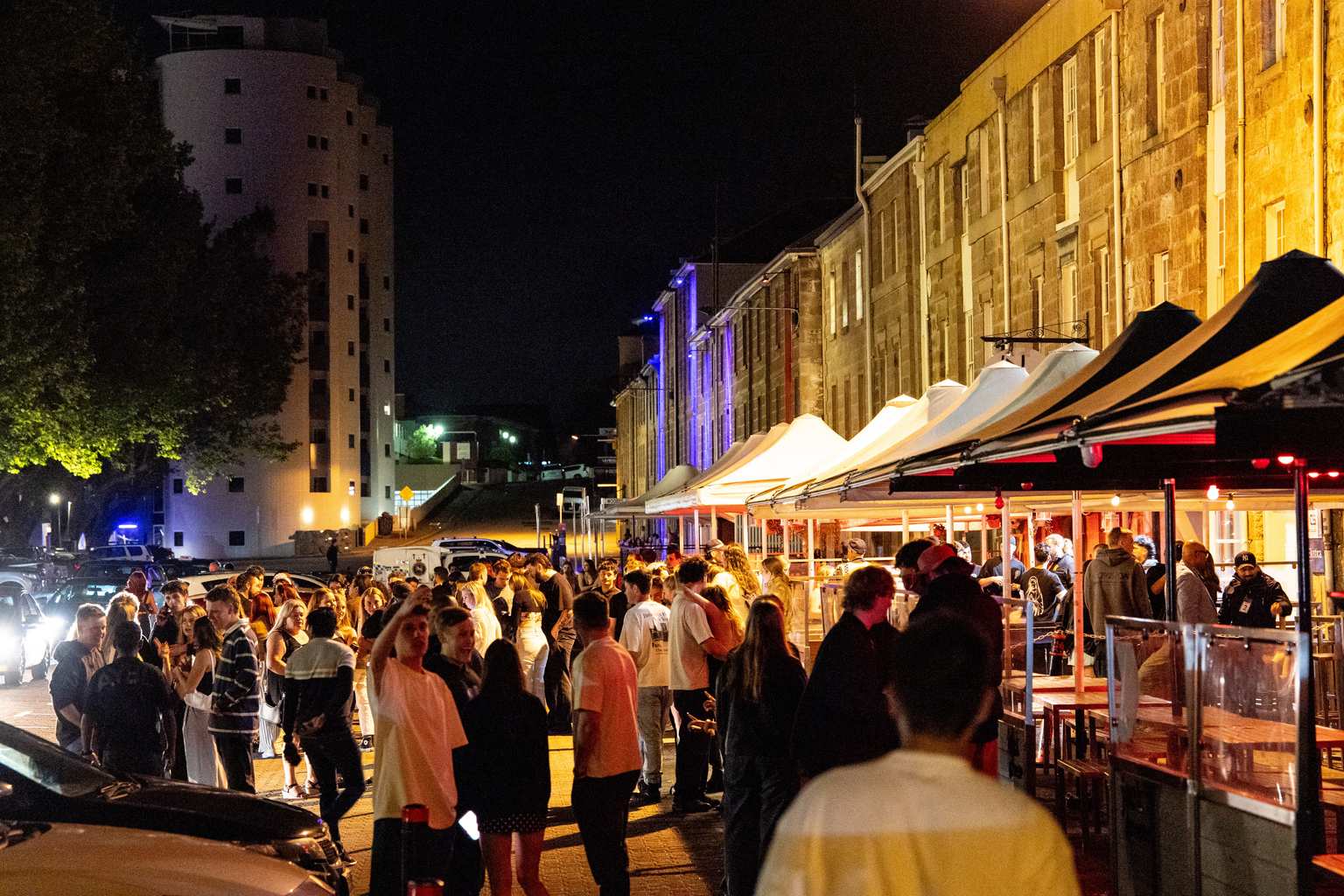
Reynolds said the forum was part of an ongoing commitment to keep the conversation going between industry and government.