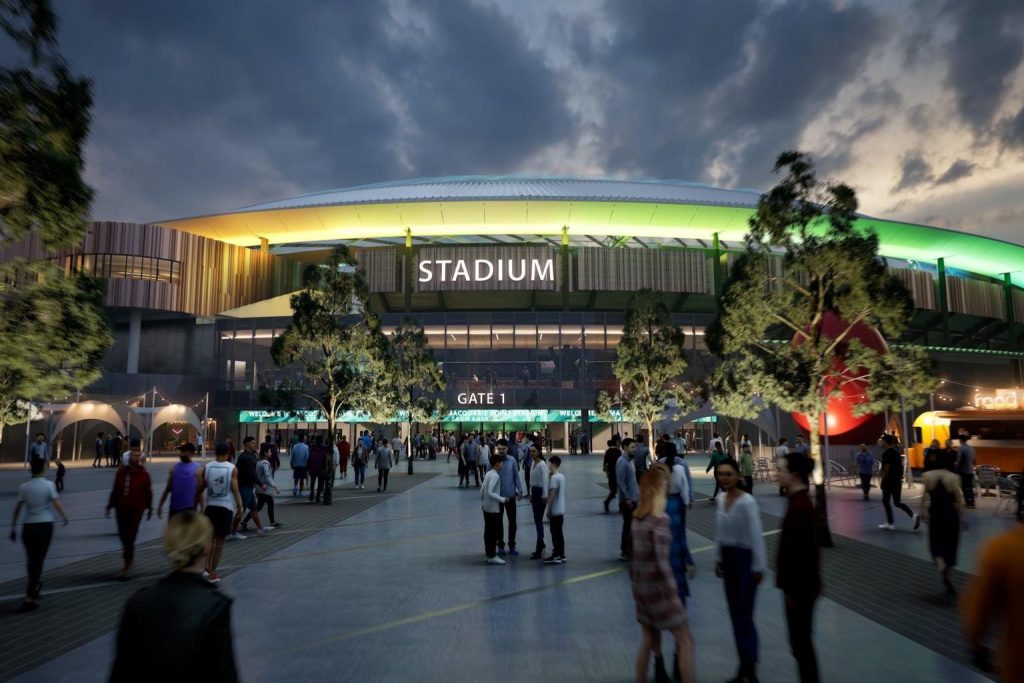
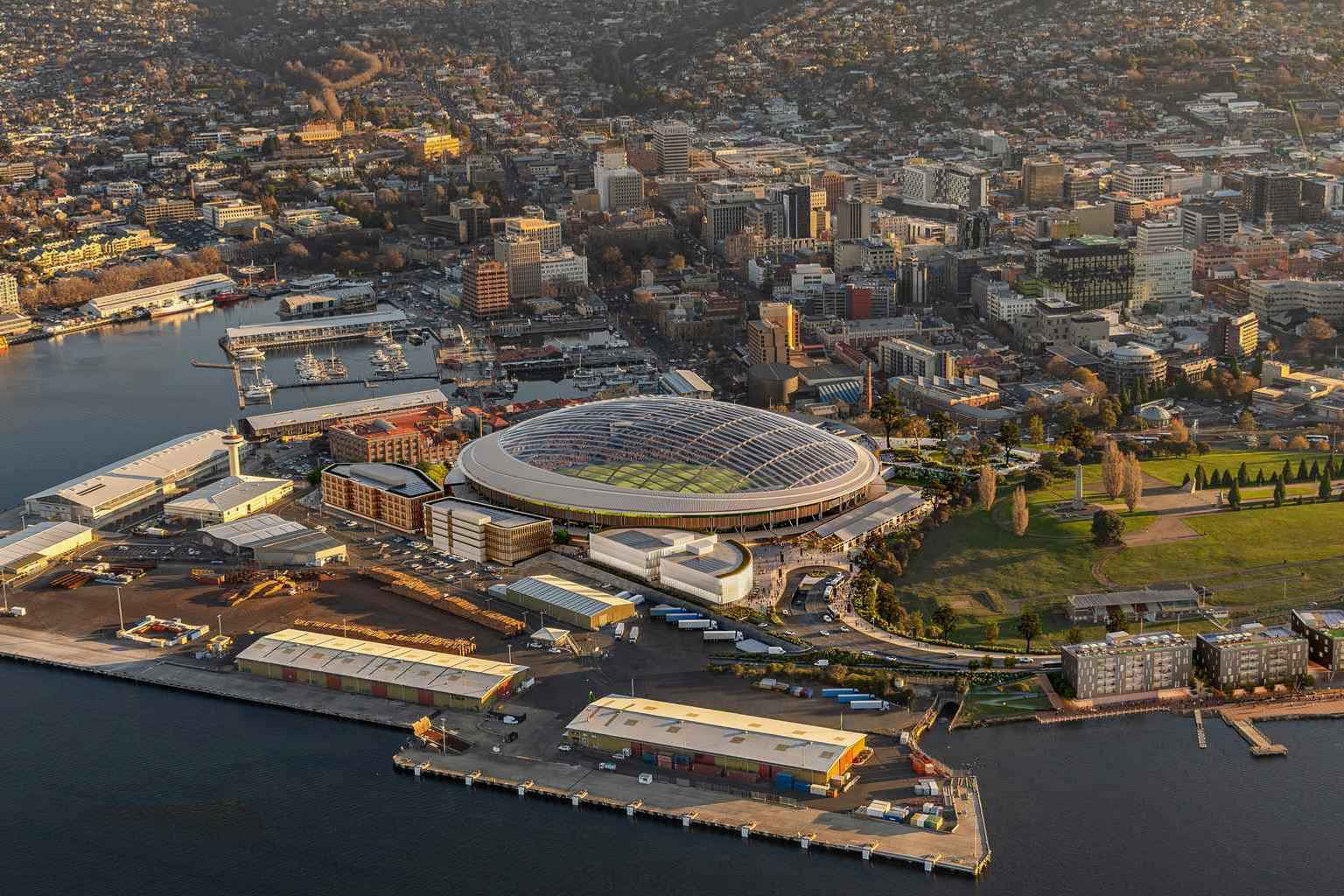
Hobart’s new stadium risks sitting half-empty because the Tasmanian government is backing a busway over light rail without properly testing the option, a new report warns.
The report was prepared by the McKell Institute with support from the Rail Tram and Bus Union (RTBU).
It argues the $1.13 billion Macquarie Point stadium cannot reach its full potential without a high-capacity rail link to move big crowds in and out.
McKell Institute Victoria and Tasmania executive director Rebecca Thistleton said the government’s plan fell short.
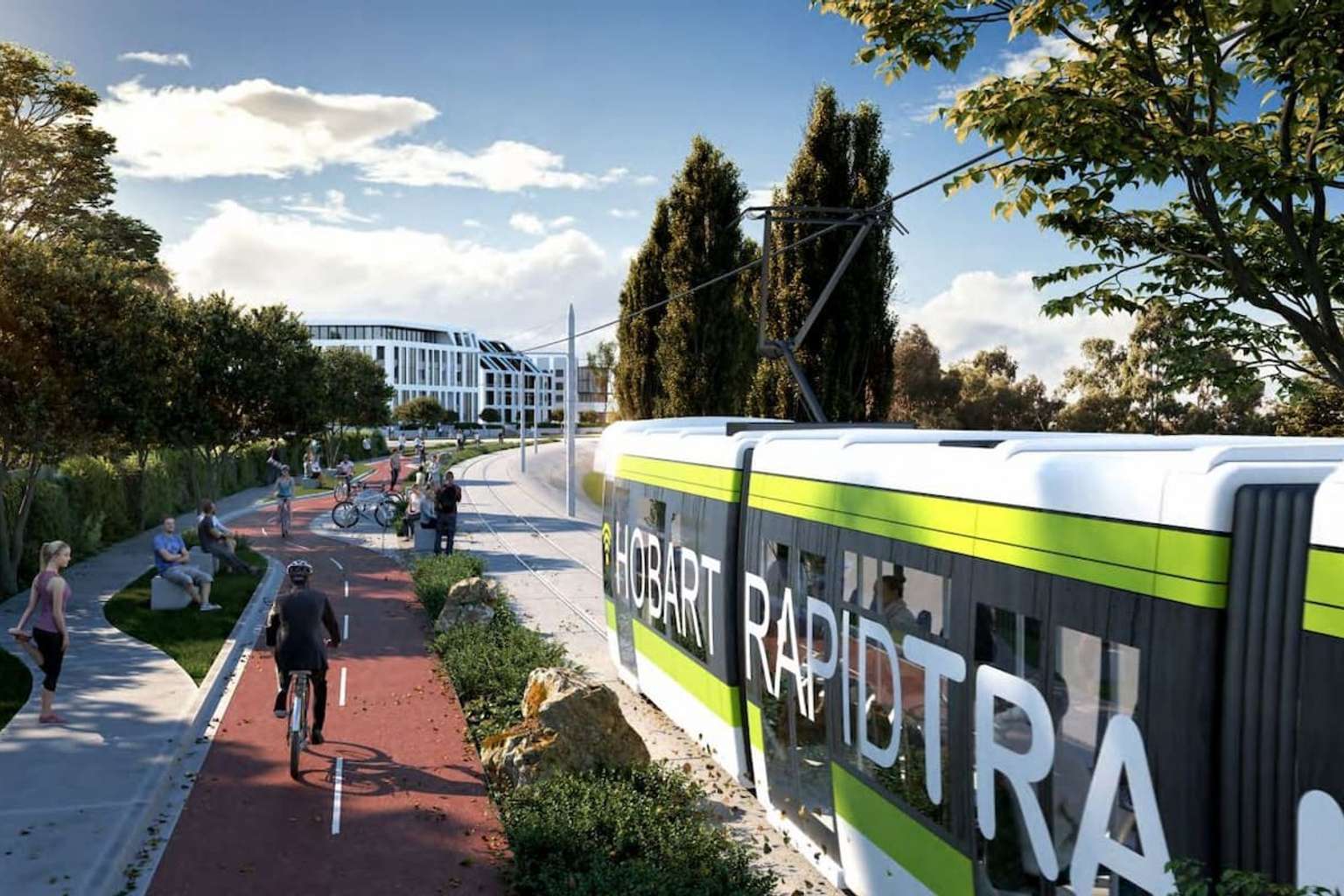
“Light rail would fill the new stadium and unlock the housing Hobart desperately needs,” she said.
“The Tasmanian government’s busway plan does neither, it leaves taxpayers with a massive bill and a stadium that risks sitting half-empty.”
RTBU national secretary Alex Claassens said the stakes were high.
“A billion-dollar stadium without a high-capacity, direct transport link is a recipe for disaster,” he said.
The report points to other Australian stadiums built without mass public transport that struggled to draw crowds.
It cites Melbourne’s Waverley Park, which was hard to reach by public transport and was eventually sold off and Adelaide’s Football Park, which was overshadowed by the rail-connected Adelaide Oval.
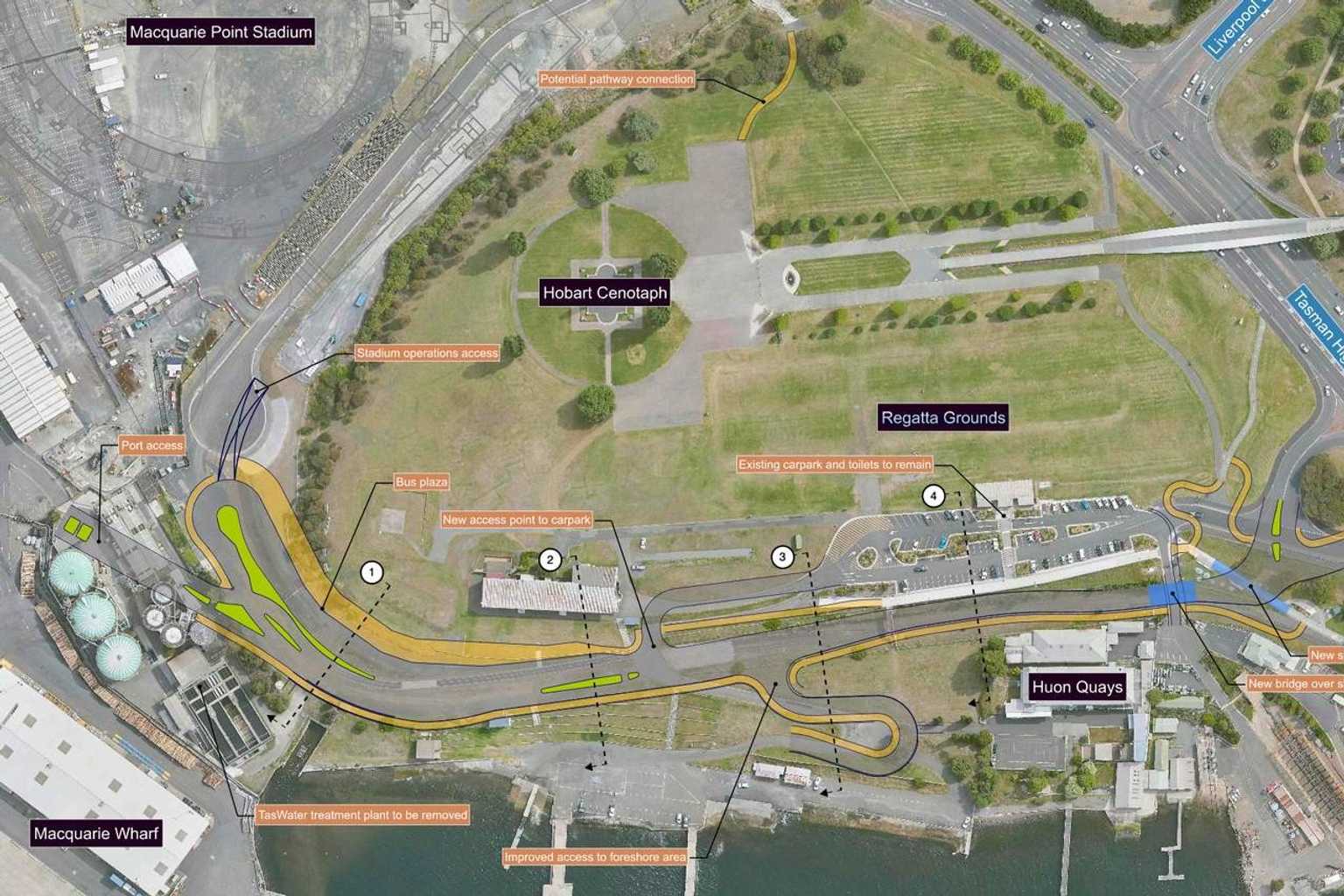
Hobart already has a rail corridor running from Macquarie Point through Moonah and Glenorchy to Granton.
The report says building on it would avoid the costly land purchases that slow rail projects elsewhere.
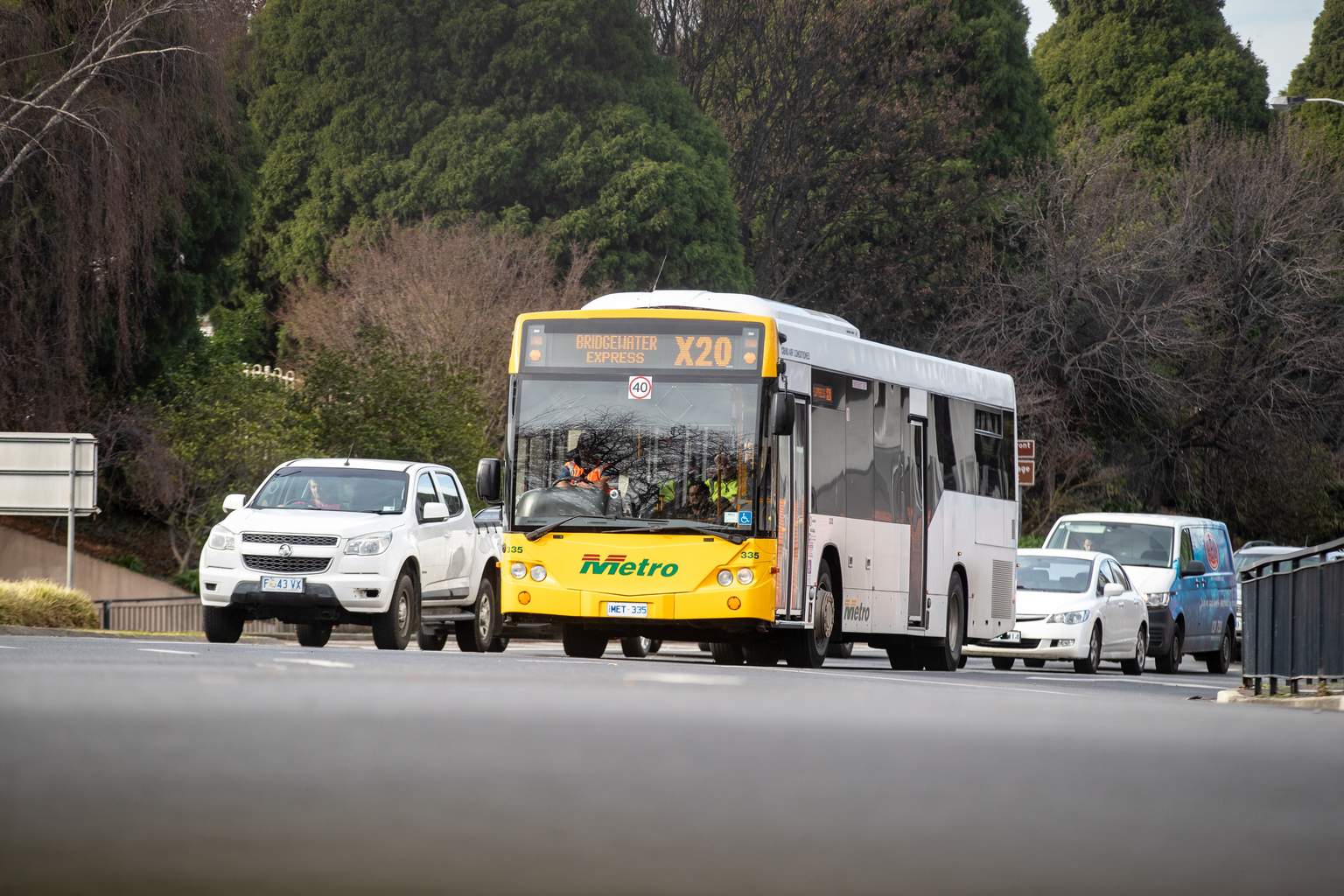
But it found the government’s business case fully modelled four options, all buses and none returned a benefit-cost ratio above 1.0.
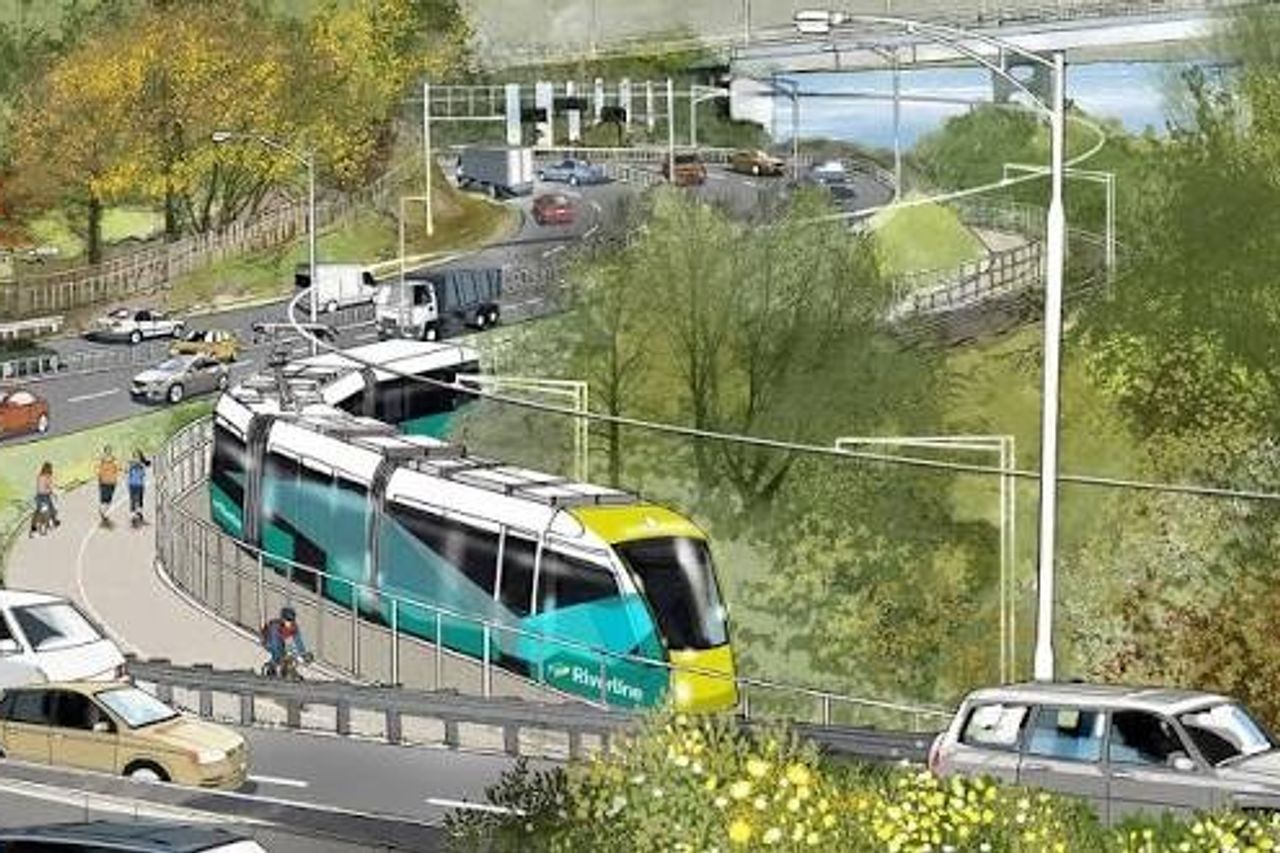
Light rail was dropped before any cost-benefit analysis was done.
“You cannot say light rail does not stack up when you never did the sums,” Thistleton said.
The report calls on the state and federal governments to protect the corridor and commission a full light rail business case.
State government minister Bridget Archer defended its decision to pursue rapid buses, saying the strategic business case released earlier this year took a whole-of-system and whole-of-region approach to transport in Tasmania.
“The rapid bus network is part of that,” Archer said.
She said light rail was considered but was not determined to be the right approach.