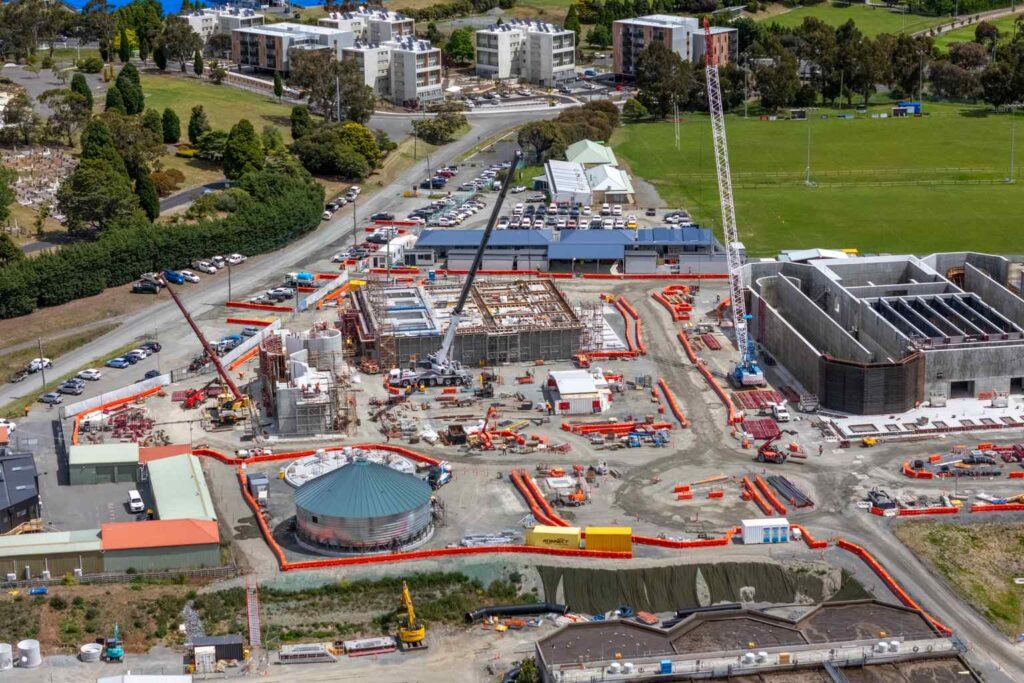
Hobart’s largest sewage treatment upgrade has reached the halfway mark, with the new Selfs Point facility on track to unlock capacity for up to 20,000 new homes across much of greater Hobart.
Treasurer Eric Abetz toured the site on Tuesday, describing the project as “a huge economic enabler” for Hobart.
The facility will replace four existing sewage sites, including plants at Selfs Point and Macquarie Point.
“This will be … ensuring that Hobart now has the capacity to grow its housing estate by at least another 8,000 now and future potential development of up to 20,000,” Abetz said.
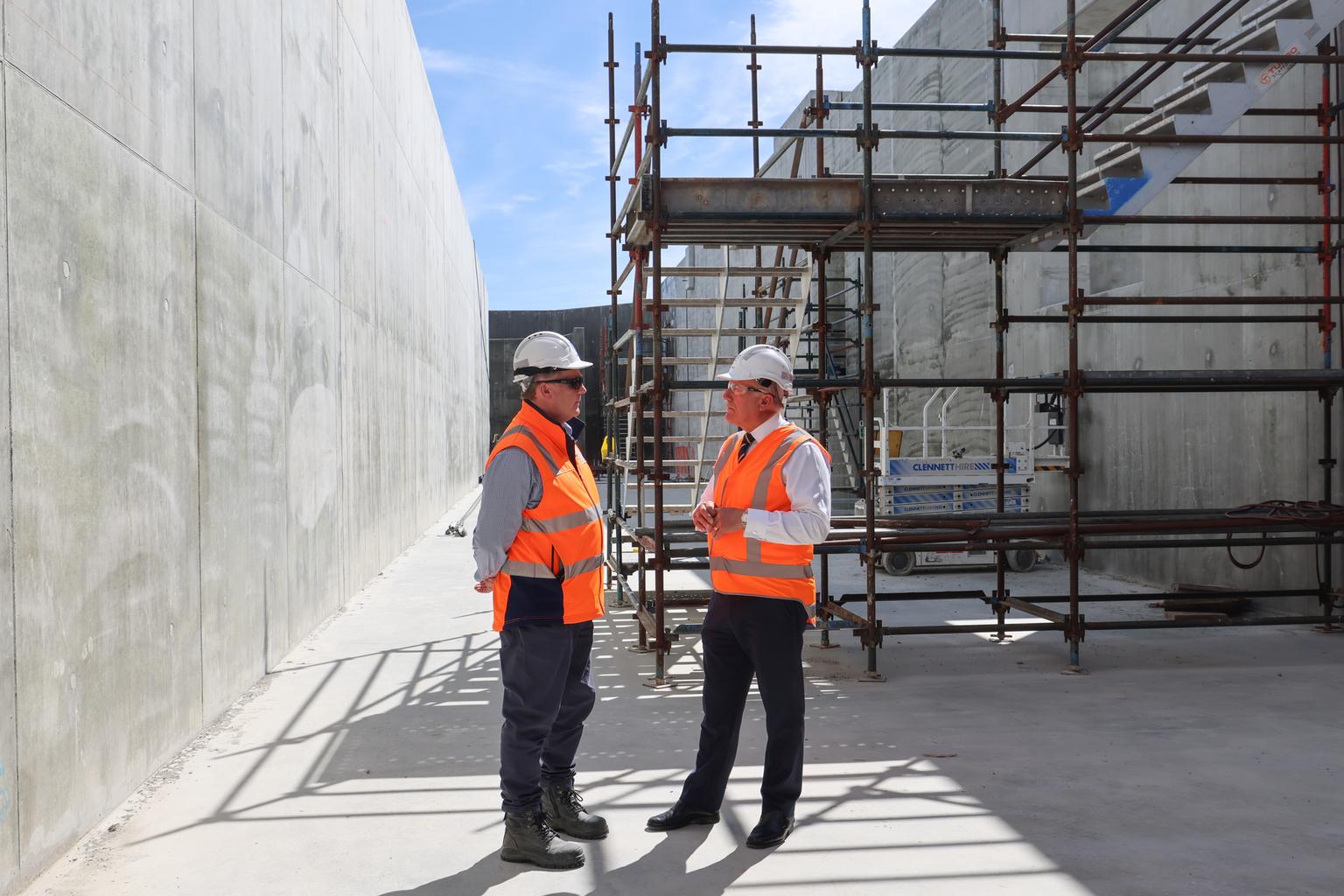
TasWater’s GM of Project Delivery Tony Willmott said construction crews have already poured 6,500 tonnes of concrete and installed 2,700 tonnes of steel.
Workers have completed 2.8 kilometres of a 4.3-kilometre pipeline and removed 10,000 cubic metres of soil at Macquarie Point.

“The main structures here on the site are now very, very close to completion,” Willmott said.
“The mechanical and electrical installation has now been started.”
He said the riskiest phase of construction is behind them.
“Around 5,000 piles have been installed under the structures,” he said.
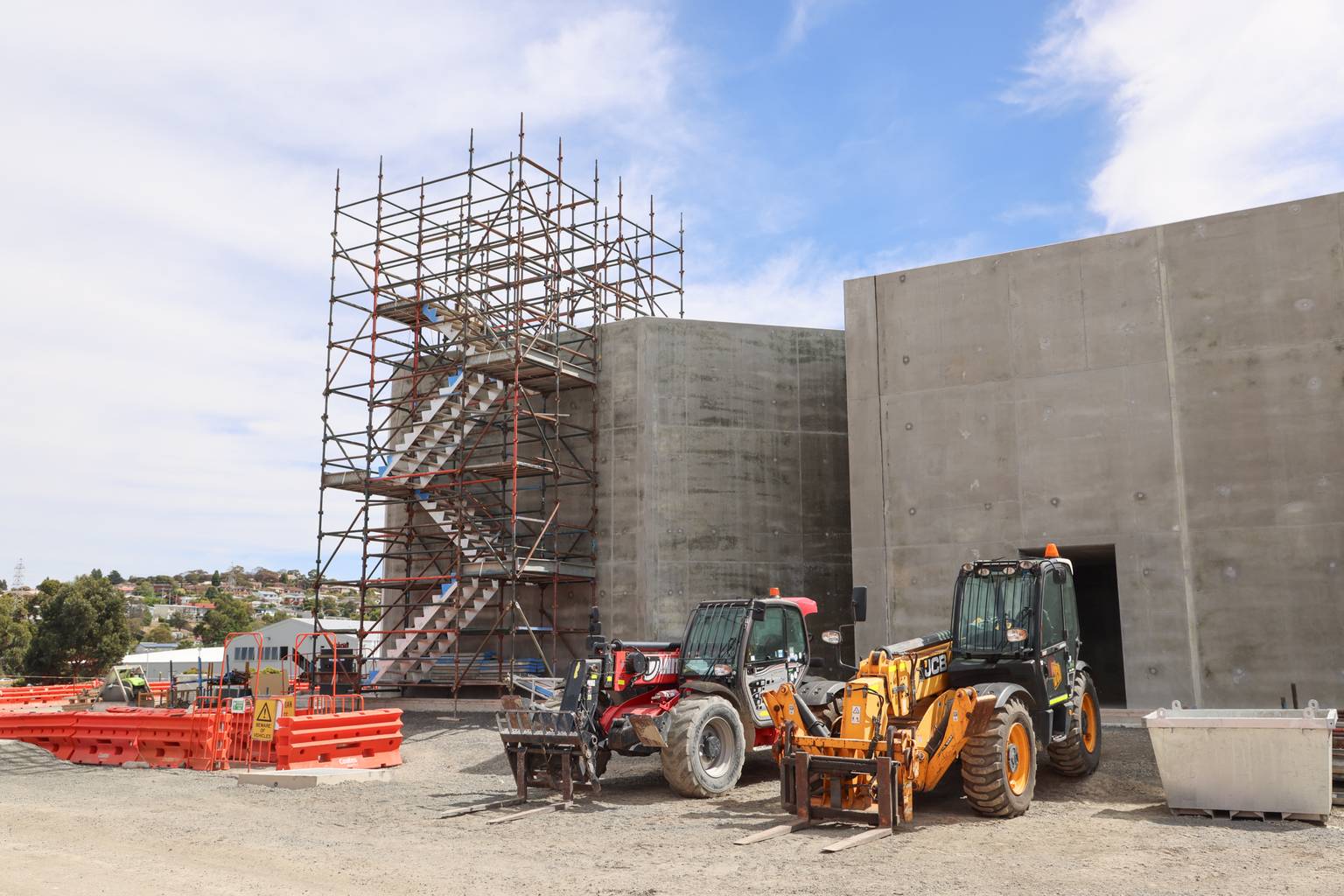
“Once we’re out of the ground and these structures are now complete, a large amount of the risk that was involved with the project has started to ease.”
The upgraded plant will service homes from Lenah Valley to Taroona, including the CBD.
132 tonnes of nitrogen and phosphorus currently discharged daily are set to be removed through improved treatment processes.
“That will see the Derwent River improve considerably,” Willmott said.
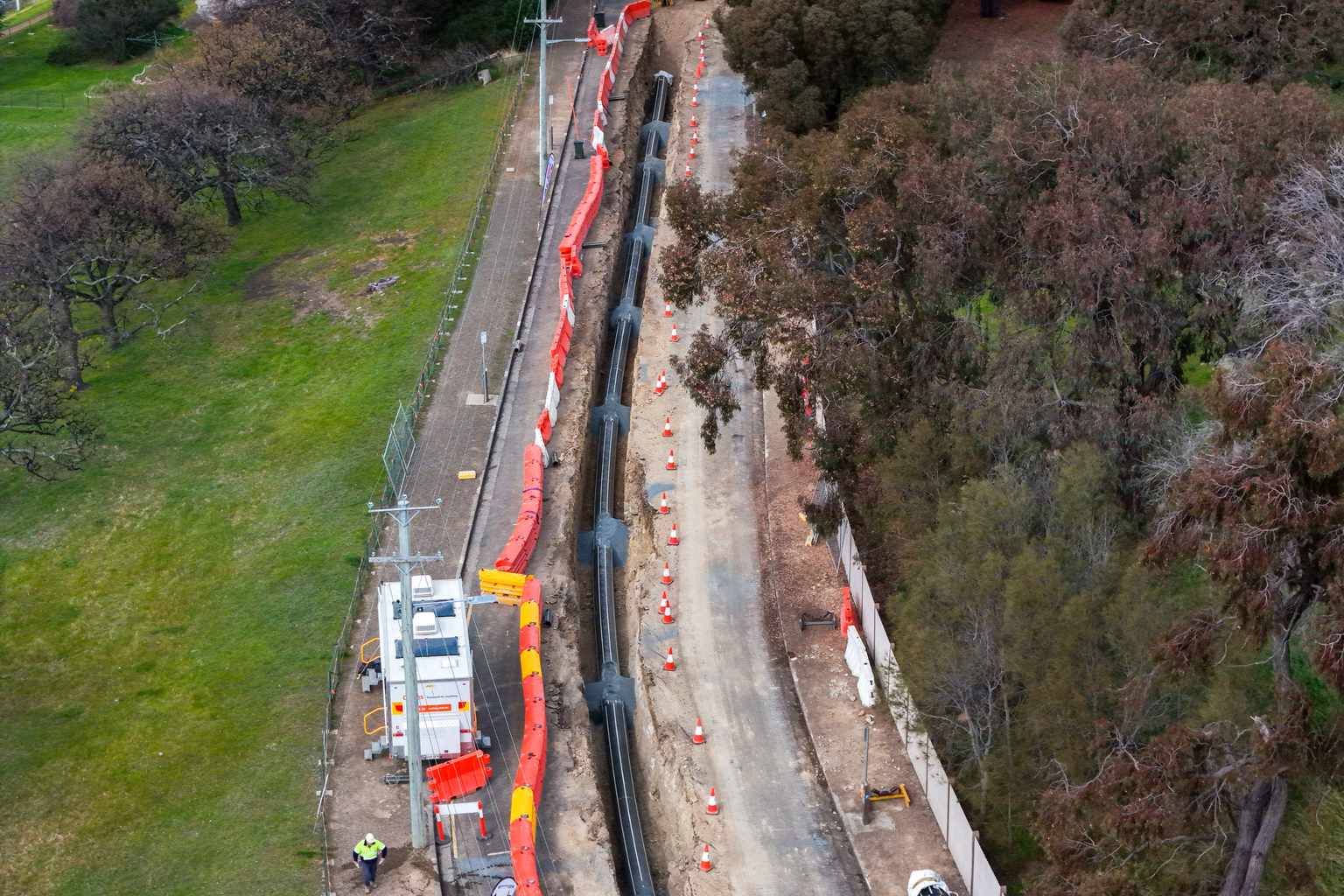
Advanced membrane technology and odour control measures will also improve conditions for nearby residents, he said.
The facility will produce around 9 billion litres of treated effluent annually, which TasWater is exploring for potential reuse in irrigation schemes such as the Coal River Valley.
Willmott ruled out any immediate plans to treat sewage for drinking water, saying trials may occur “down the track”.
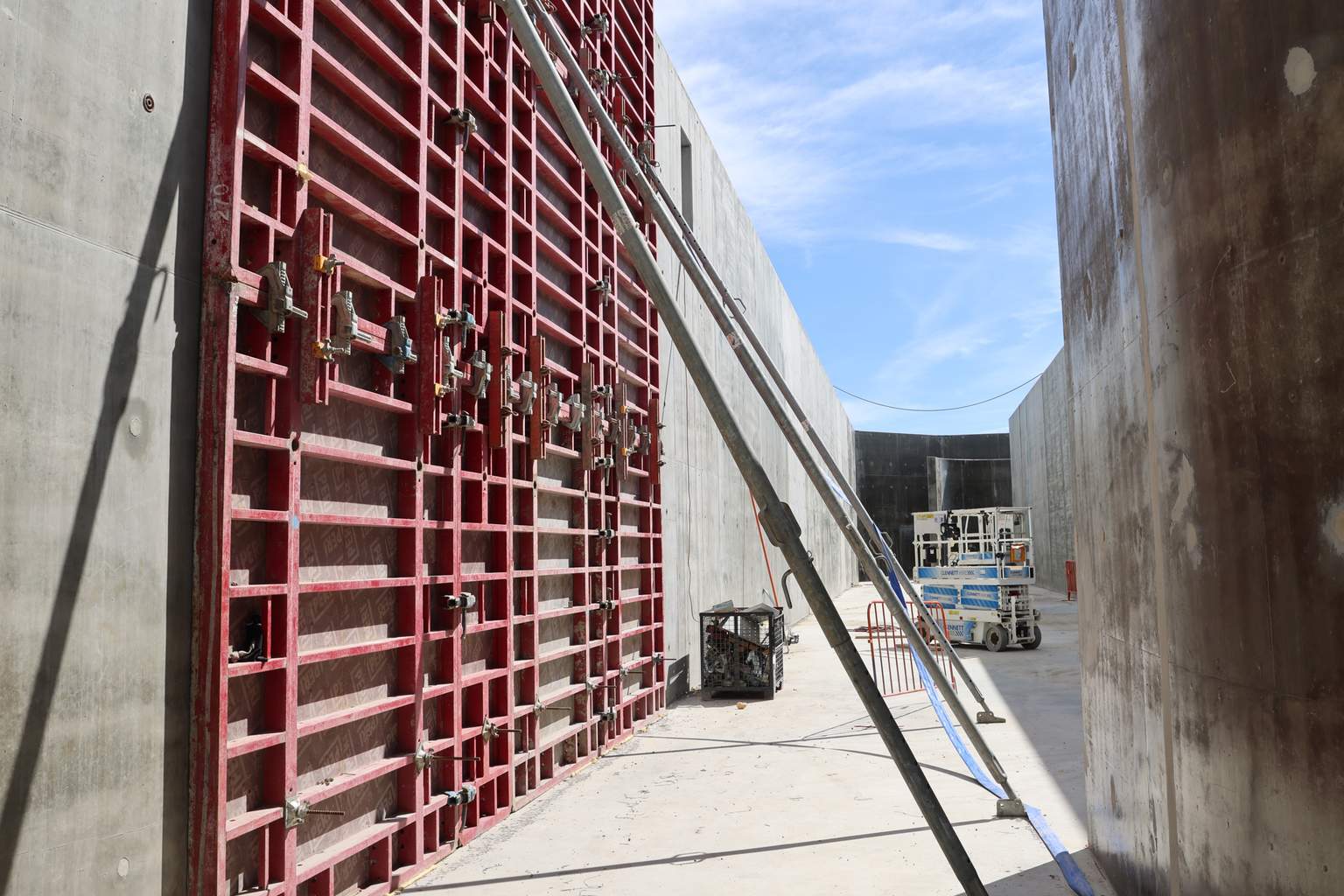
The project has around 150 workers on site daily, with 3,250 people expected to be involved overall.
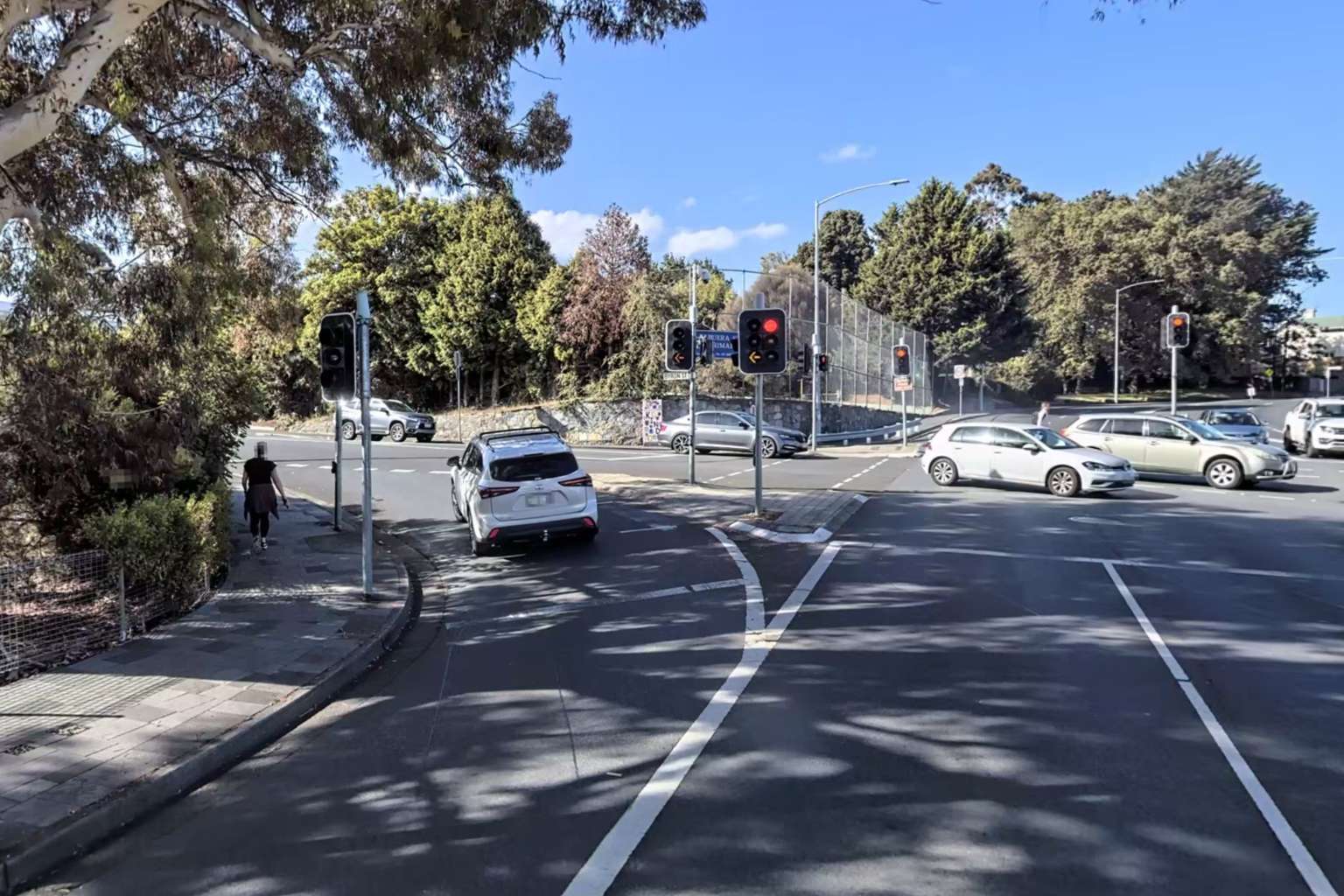
Minor road closures remain around Queen’s Walk and crews are preparing to tunnel under the Tasman Highway after summer.