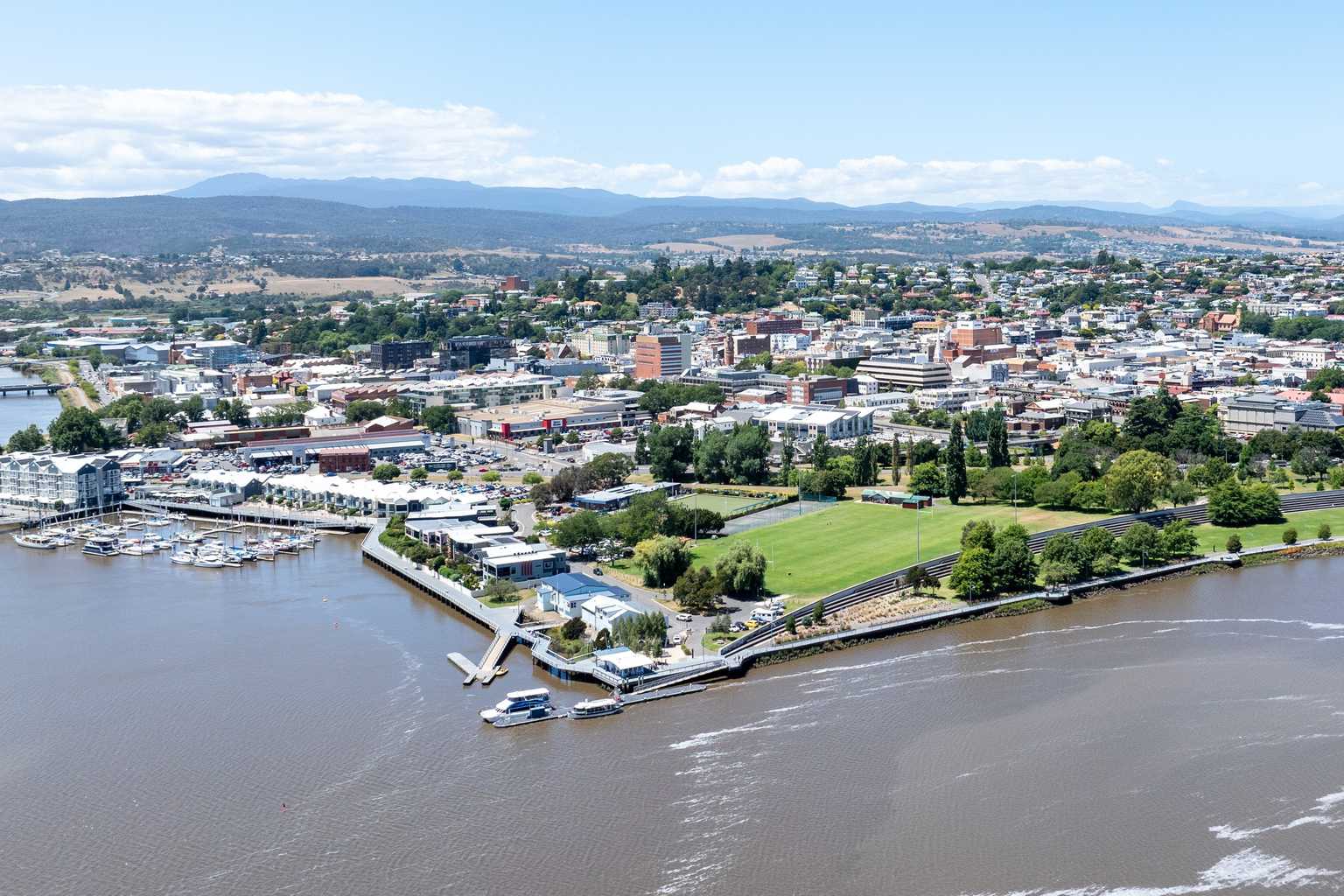
The Tasmanian government has released a 10-year economic plan for the state’s north, promising to attract investment, create jobs and keep more people living in the region.
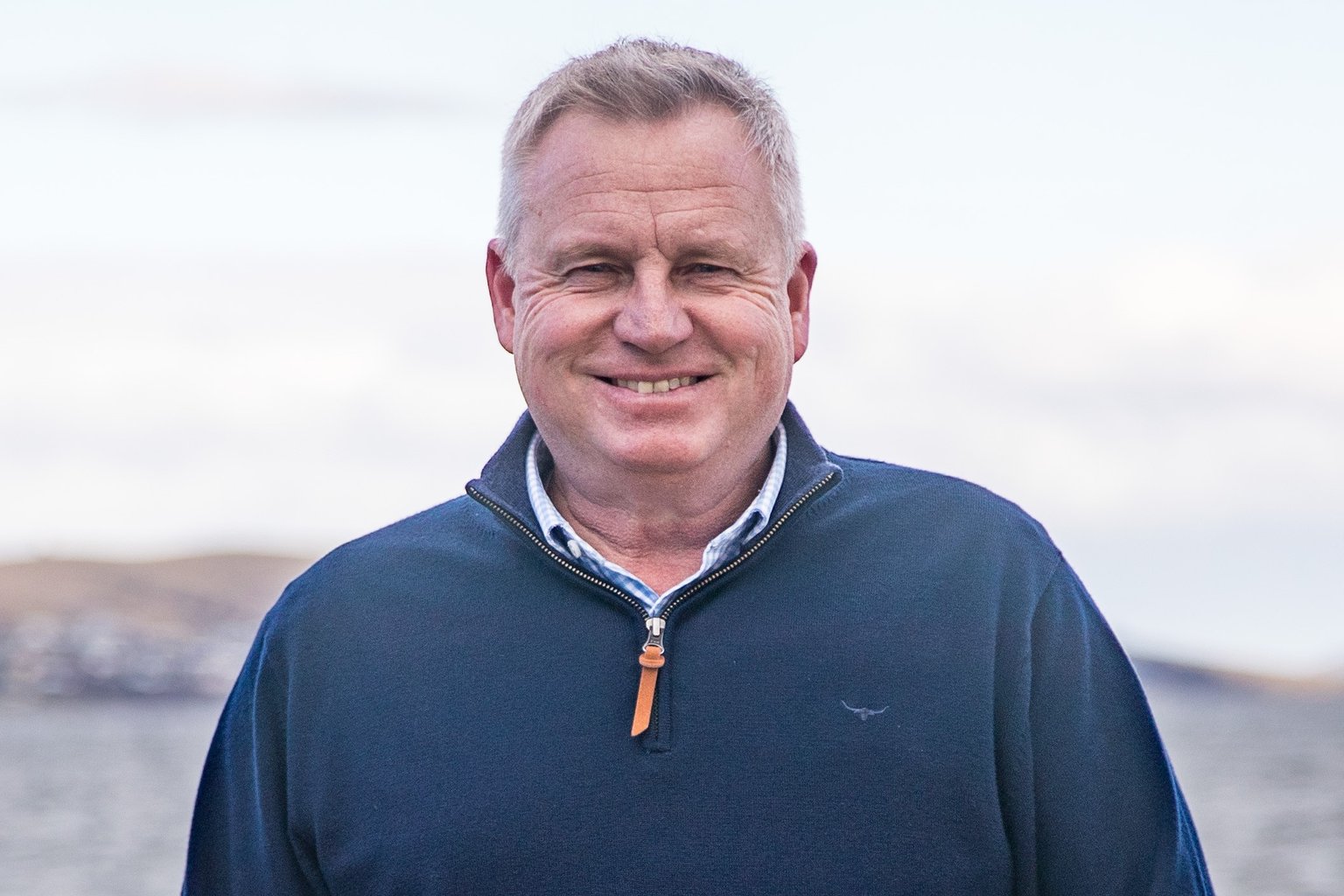
Premier Jeremy Rockliff will launch the Northern Economic Plan today, with special legislation to progress development at the outgoing Boag’s Brewery site one of the key features.
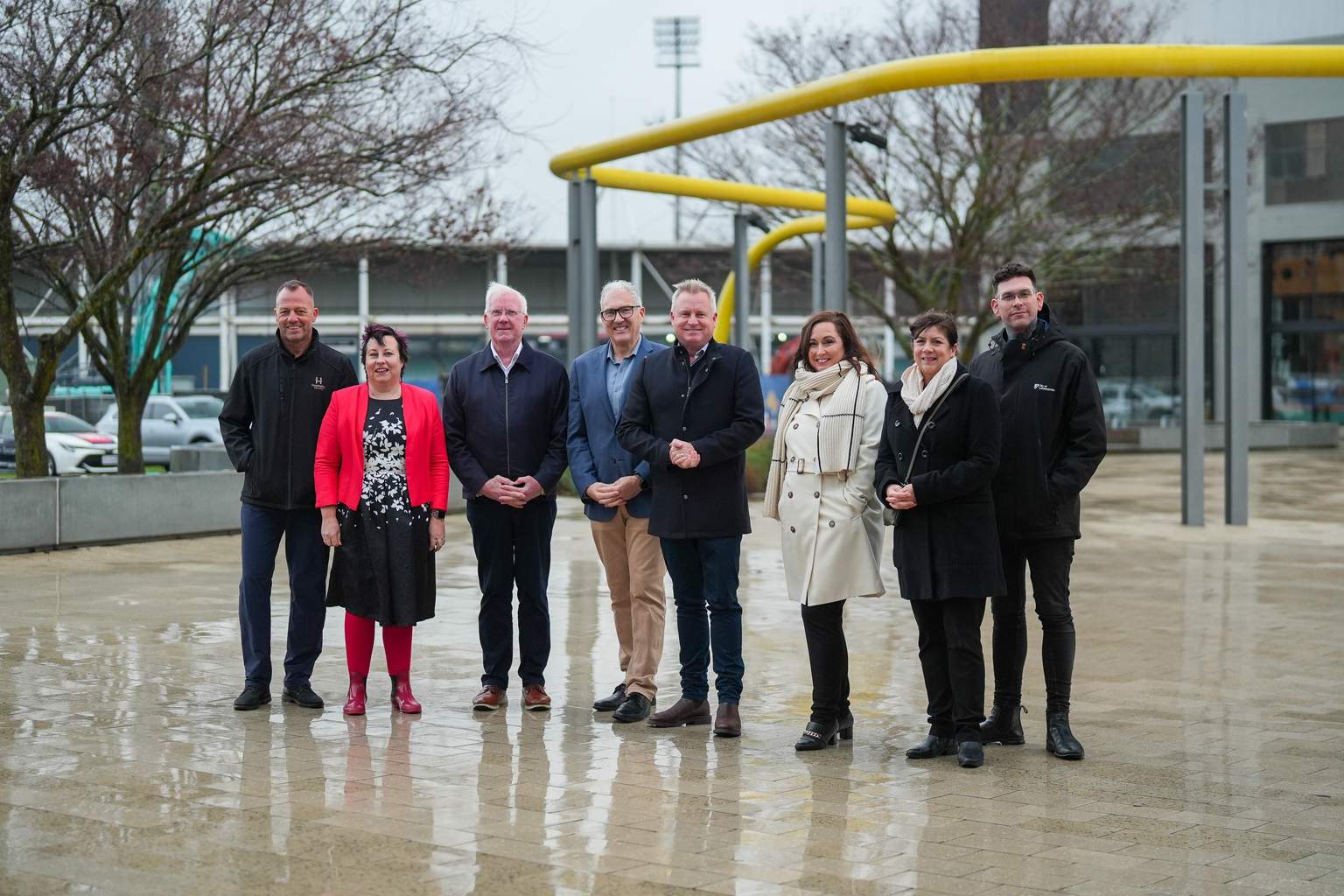
The plan was shaped by the Northern Tasmania Economic Summit, which brought more than 100 business, council, education and community leaders to Launceston in July.
“The release of the plan marks the next era of opportunity in the north,” Rockliff said.
“It provides a pathway for northern Tasmania to become Australia’s leading regional destination.”
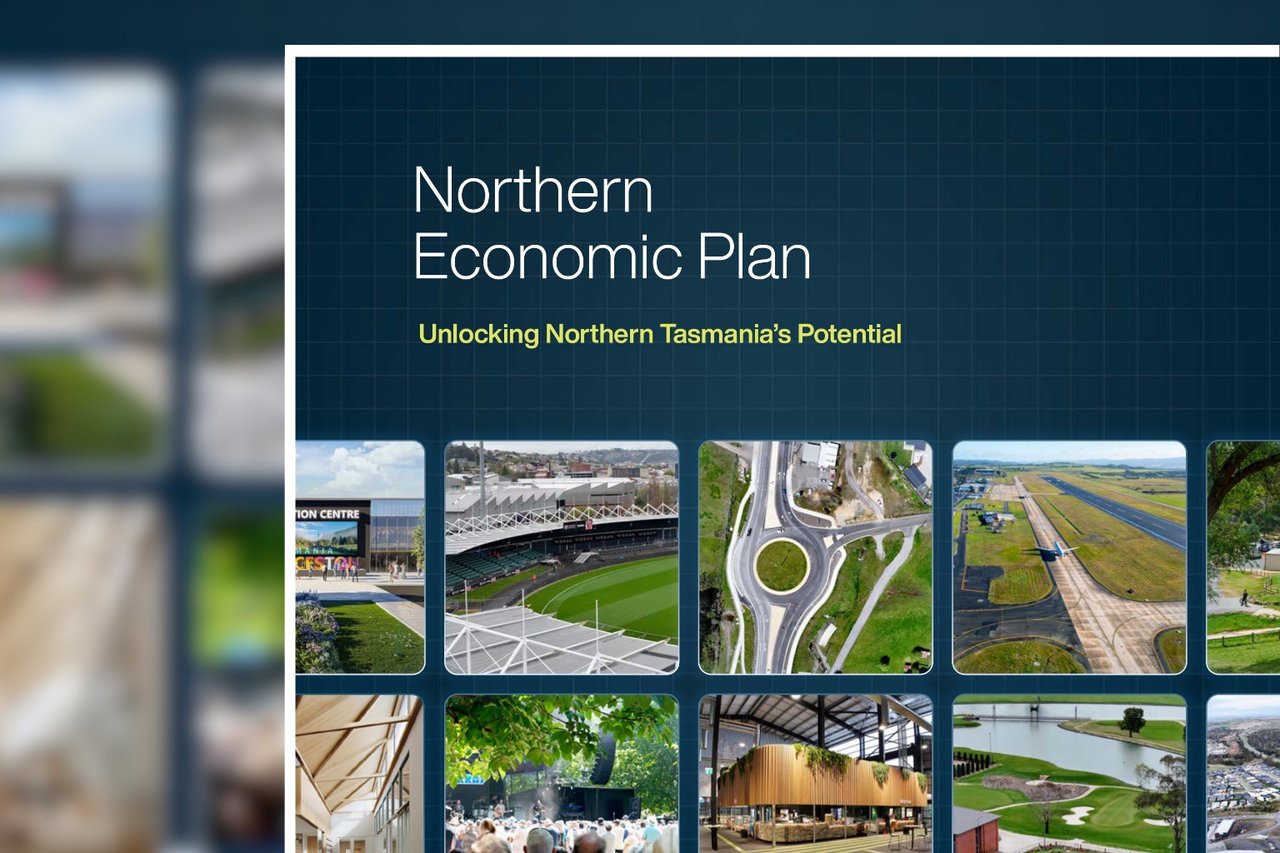
The 24-page plan is built around three priorities, described as unlocking opportunity, an island of innovation and a destination of choice.
Among the measures is a new power to declare “Special Development Precincts”, which the government says would streamline planning and infrastructure coordination in nominated areas.
On housing, the government plans to finalise an “Apartment Code” in the Tasmanian Planning Scheme and change residential standards to allow greater density.
Surplus state and council-owned land would also be audited for potential development sites.
A separate trial with the Launceston City Council would look at converting empty upper floors in the CBD into housing.
Smaller investors would get a single point of contact in government through a new facilitation service, alongside a loan program aimed at helping businesses adopt new technology.
The plan says more than 8,000 new workers will be needed in the north by 2028.
It also outlines a regional workforce plan and an agricultural learning centre at Scottsdale.
Artificial intelligence and data centres are flagged as a growth area, with the plan pointing to recent investment in AI infrastructure by Firmus Technologies.
Bell Bay would be developed as a maritime manufacturing and sustainment hub linked to the Australian Maritime College and defence work.
Rockliff said the government would continue pushing the federal government to support the Tamar Water Scheme and the proposed North East Rail Trail between Launceston and Scottsdale.
Cataract Gorge also features in the plan, with the government to work with the Launceston City Council on accessibility, visitor information, environmental management and maintenance.
The plan also flags new nature-based tourism, wellness and premium visitor experiences.
Tourism Tasmania research cited in the document ranks Tasmania first in Australia for its association with wellness and says nine in 10 potential visitors see the state as an appealing wellness destination.
A new body called Beer Tasmania would run a ‘Northern Beer Trail’ and ‘Beer Weekend’ event.
The plan says initial research indicates the initiatives could support up to 150 jobs and generate up to $10 million in economic activity.
Other measures include a northern events and festival infrastructure strategy, a north-east investment prospectus and the ‘Destination Derby’ masterplan.
The plan also points to work already under way across the region.
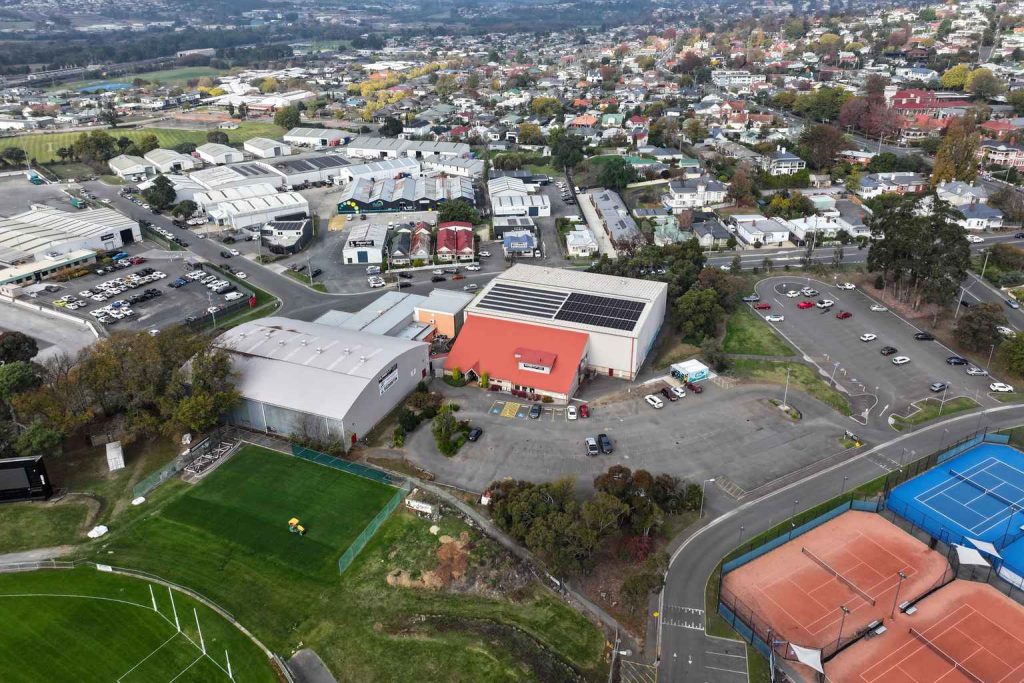
That includes the $120 million Launceston Heart Centre, the $130 million UTAS Stadium redevelopment, the $12 million Silverdome upgrade, $240 million in Bass Highway works and $10 million towards a Launceston convention centre.
The government describes the plan as a “living framework” that can respond to changing economic conditions.
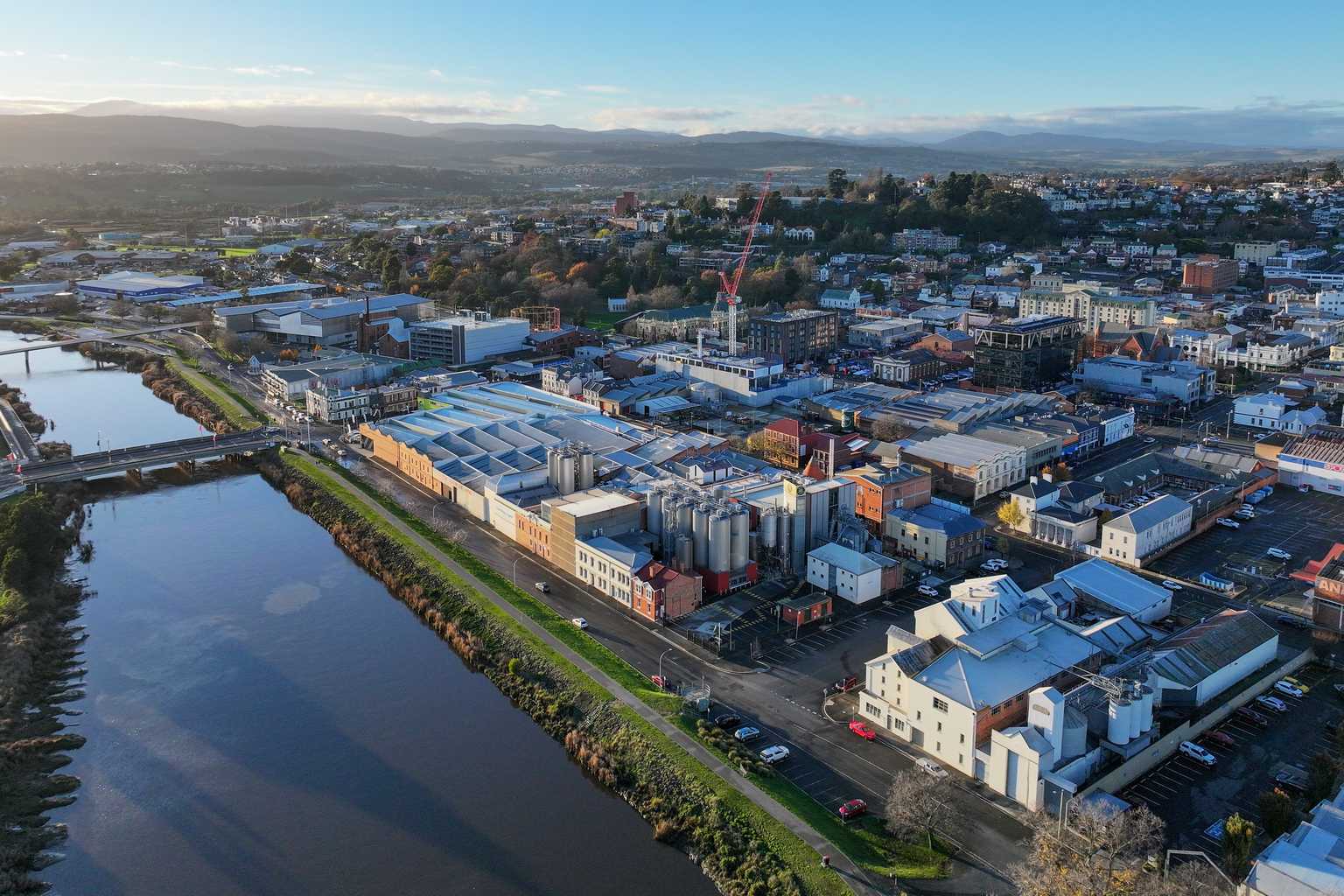
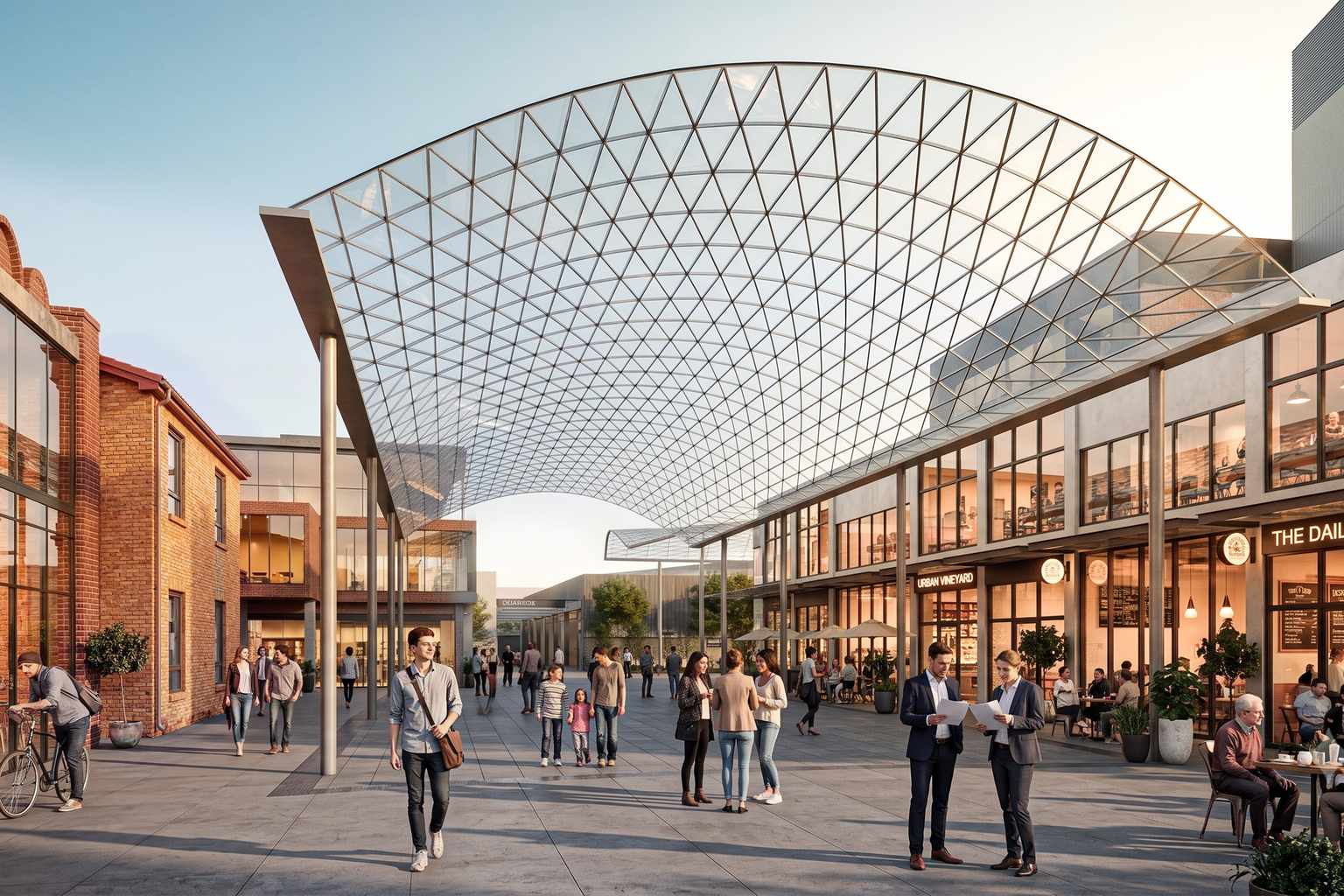
A full page is devoted to the former Boag’s Brewery site, with the government saying it is “currently pursuing special legislation that will enable the necessary approvals” to progress development.
Rockliff first flagged those laws in July after meeting parent company Kirin in Japan.
He said at the time the aim was to have a “flexible clean slate when it comes to commercialising that area”.
Kirin had given in-principle support for the state to explore buying the roughly three-hectare site, Rockliff said at the time.
Brewing ends at the site on November 6 after 145 years, with 42 jobs going.
The plan does not mention the proposed purchase, but lists possible future uses including a hotel, apartments, a public market and innovation hubs.
Delivery will involve councils, industry, the University of Tasmania and TasTAFE.
Progress will be measured against jobs, private investment, population growth, housing supply and visitor spending.