The Tasmanian government will use part of the return on its stake in a King Island tungsten mine to create a $20 million fund for regional communities hit by economic shocks.
The Recovery Fund for Regional Resilience will support regions facing major industry change, employer closures and job losses.
Premier Jeremy Rockliff said the aim was to have support in place before a crisis, not after it.
“Too often governments are forced to react after a major employer closes or an industry undergoes significant change,” Rockliff said.
“Instead, we are getting ahead of those challenges by establishing a fund that will help communities navigate economic disruption, attract new investment and create new opportunities for the future.”
The fund will pay for economic diversification, workforce transition, investment attraction and community-led recovery projects.
Its capital will be preserved so the fund can grow over time.
“This fund is about transforming a one-off financial return into an enduring asset for regional Tasmania,” Rockliff said.
Other proceeds from the investment will go towards paying down state debt.
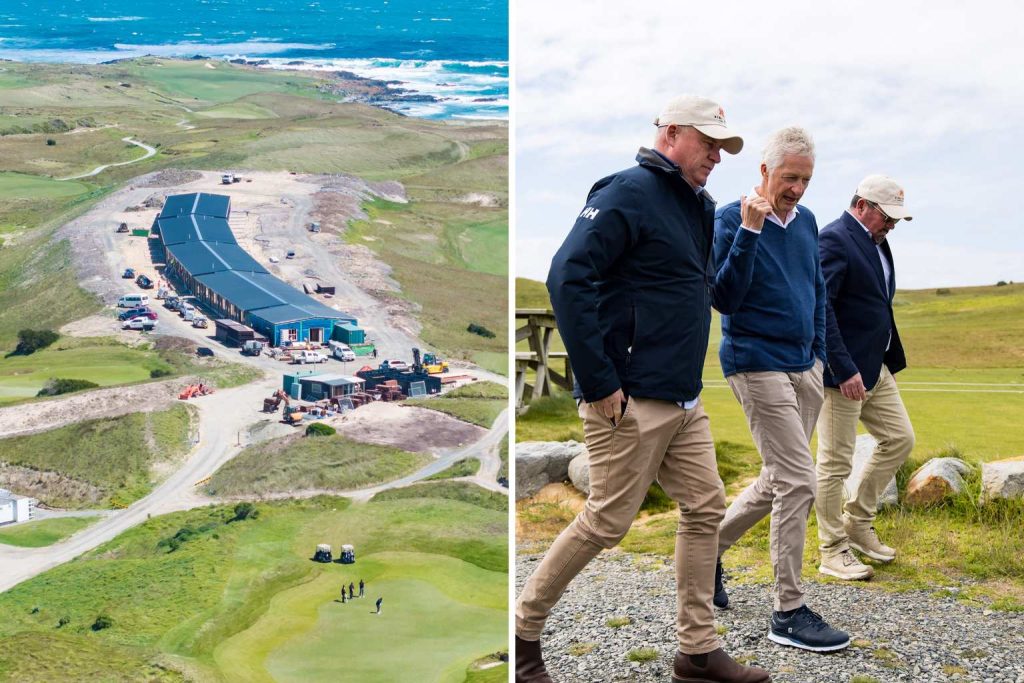
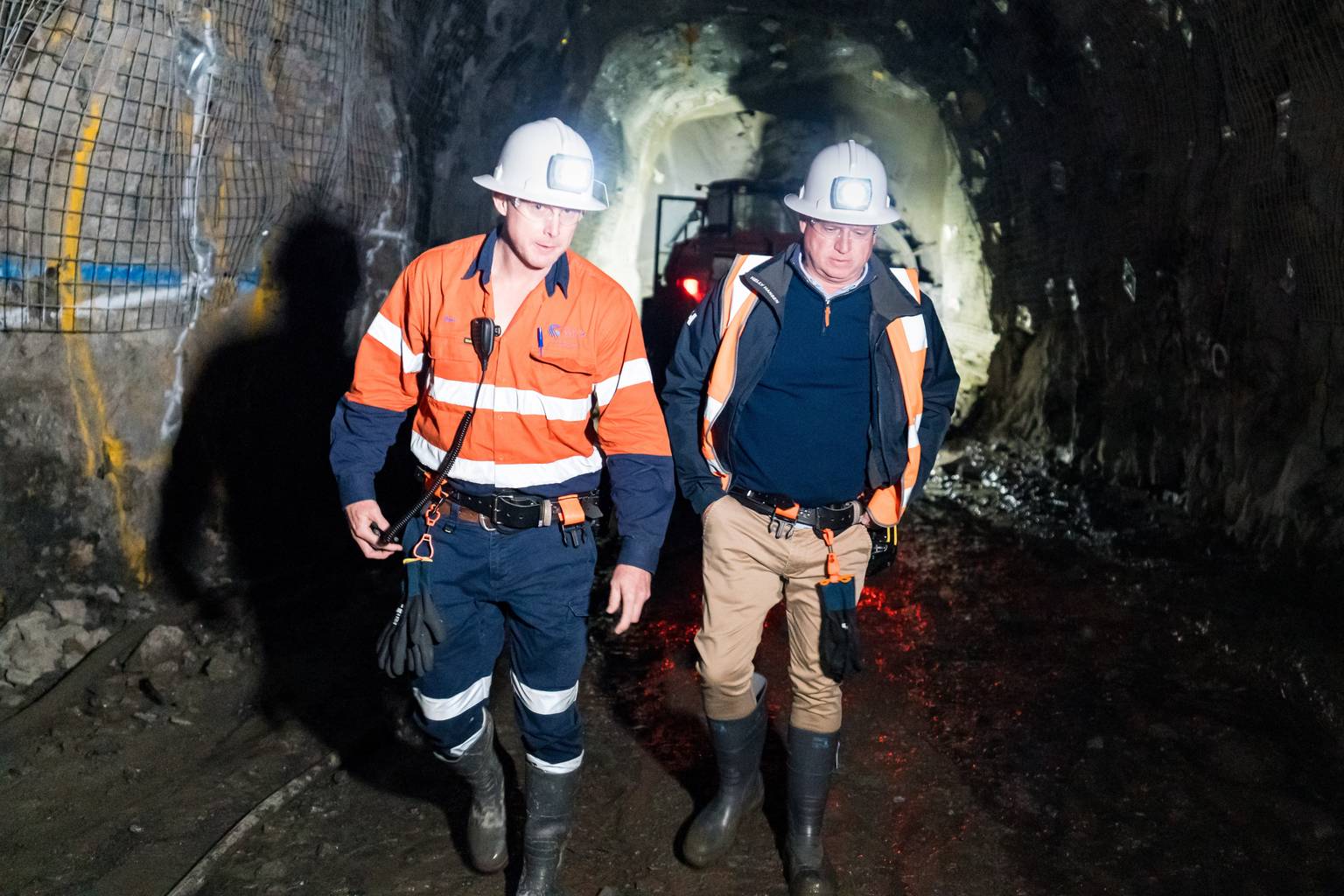
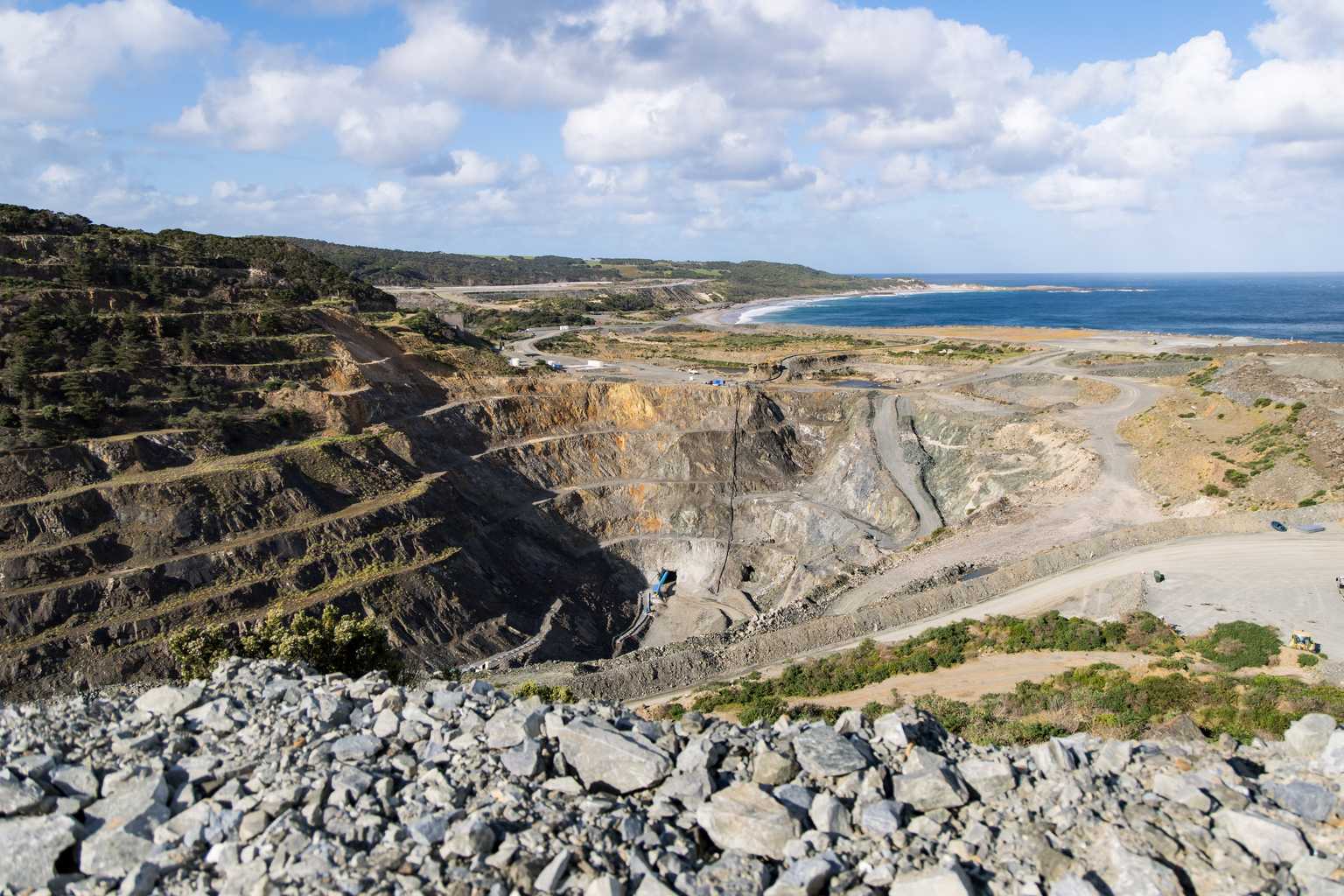
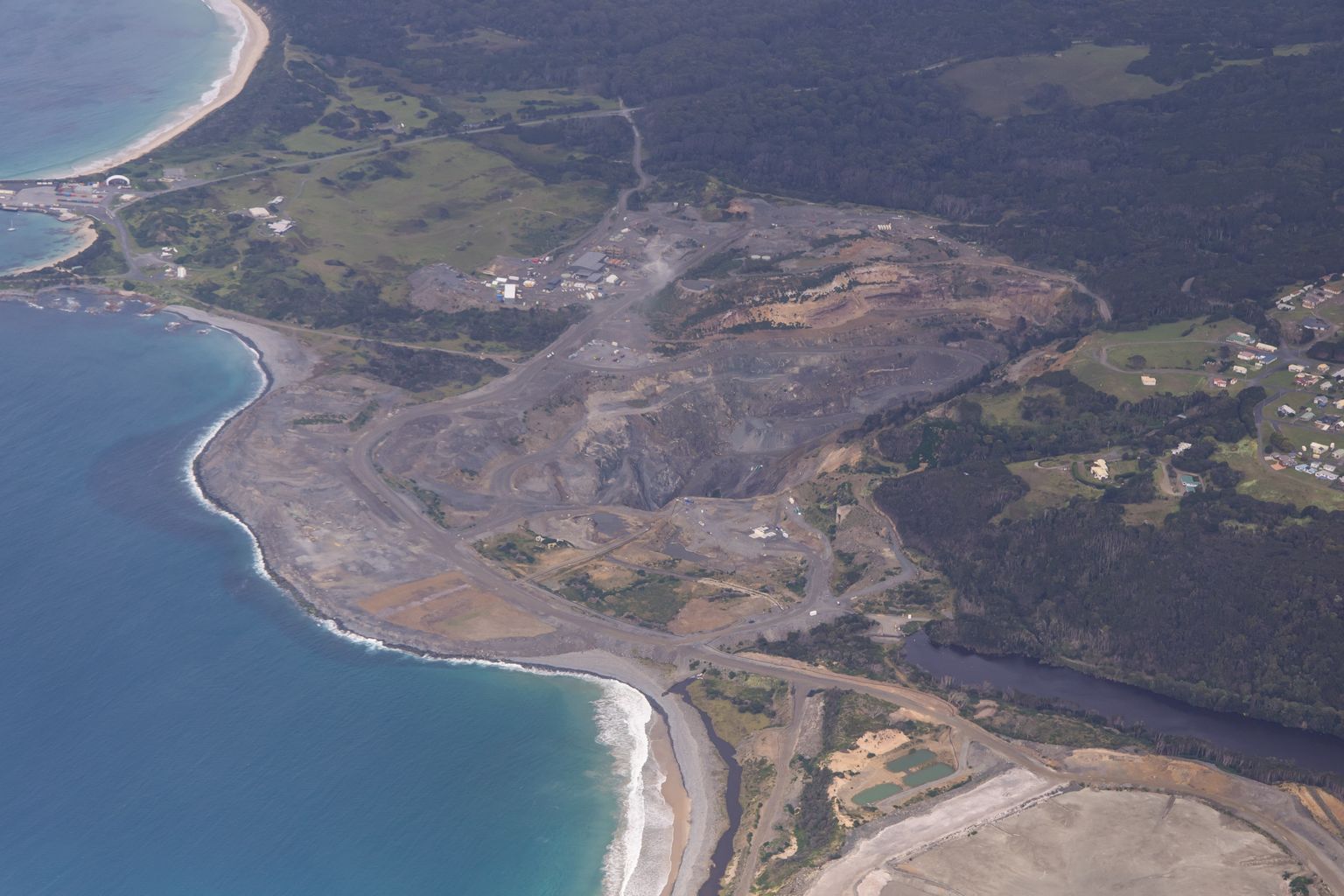
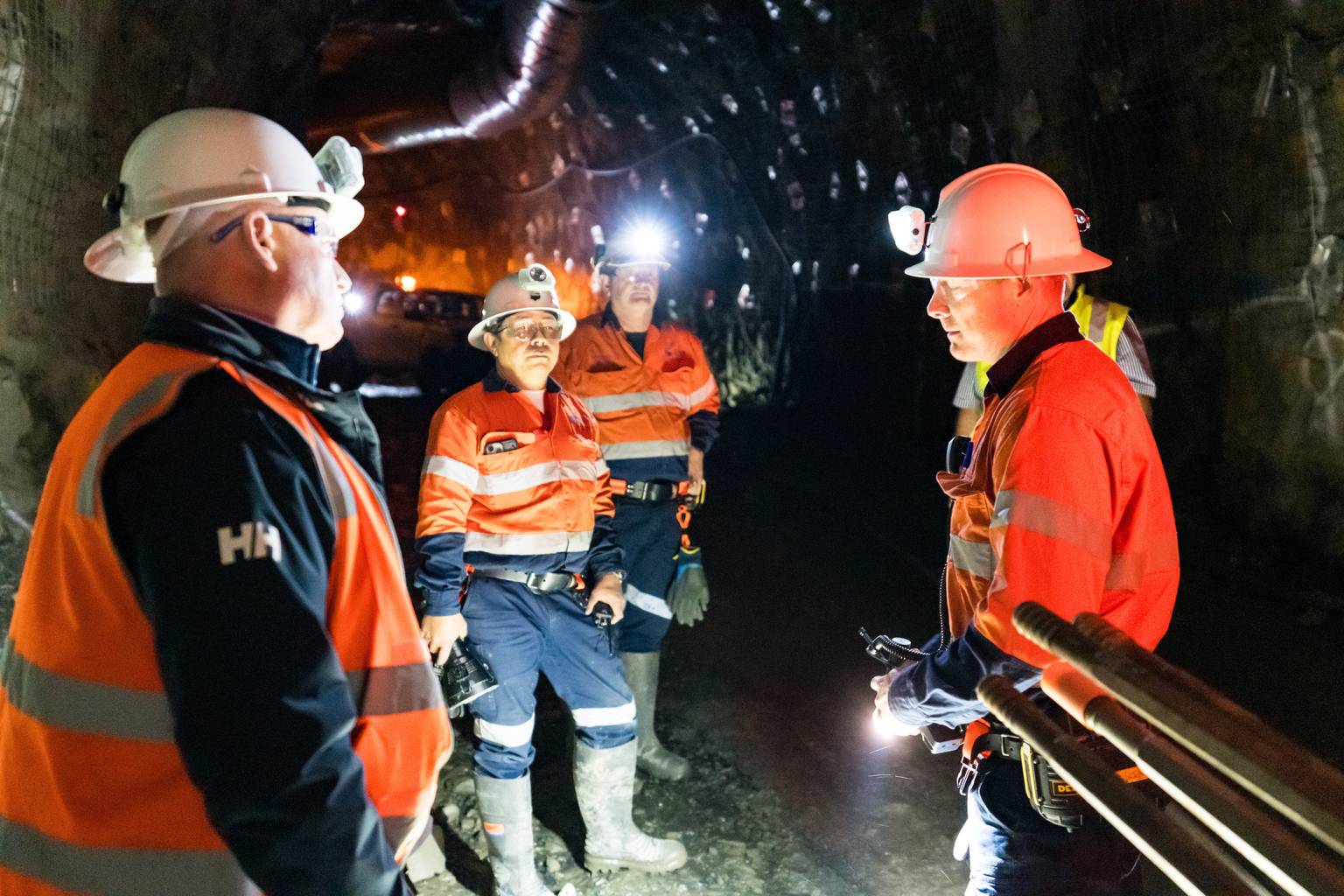
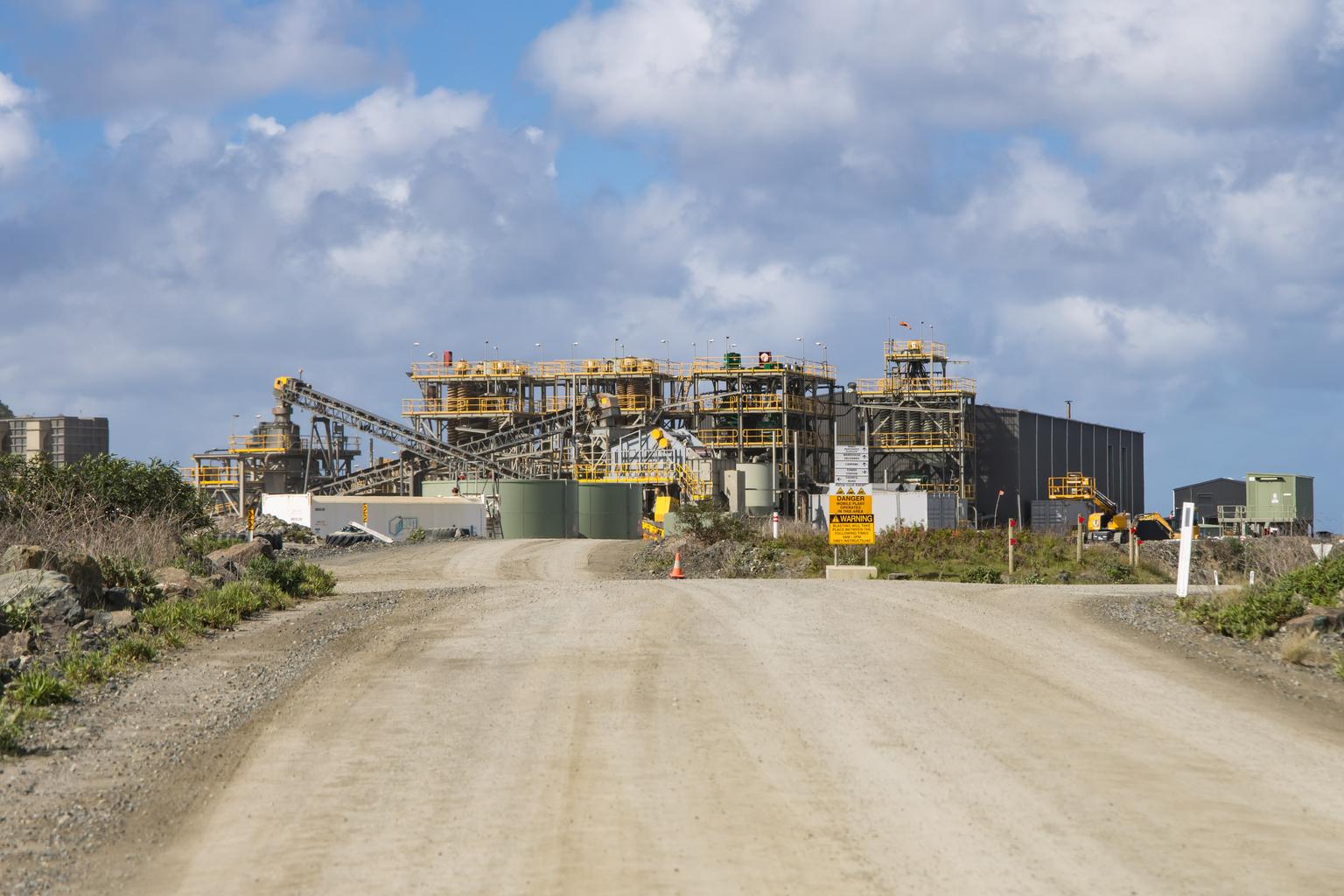
The money comes from the government’s shareholding in Group 6 Metals, which operates the Dolphin Tungsten Mine at Grassy.
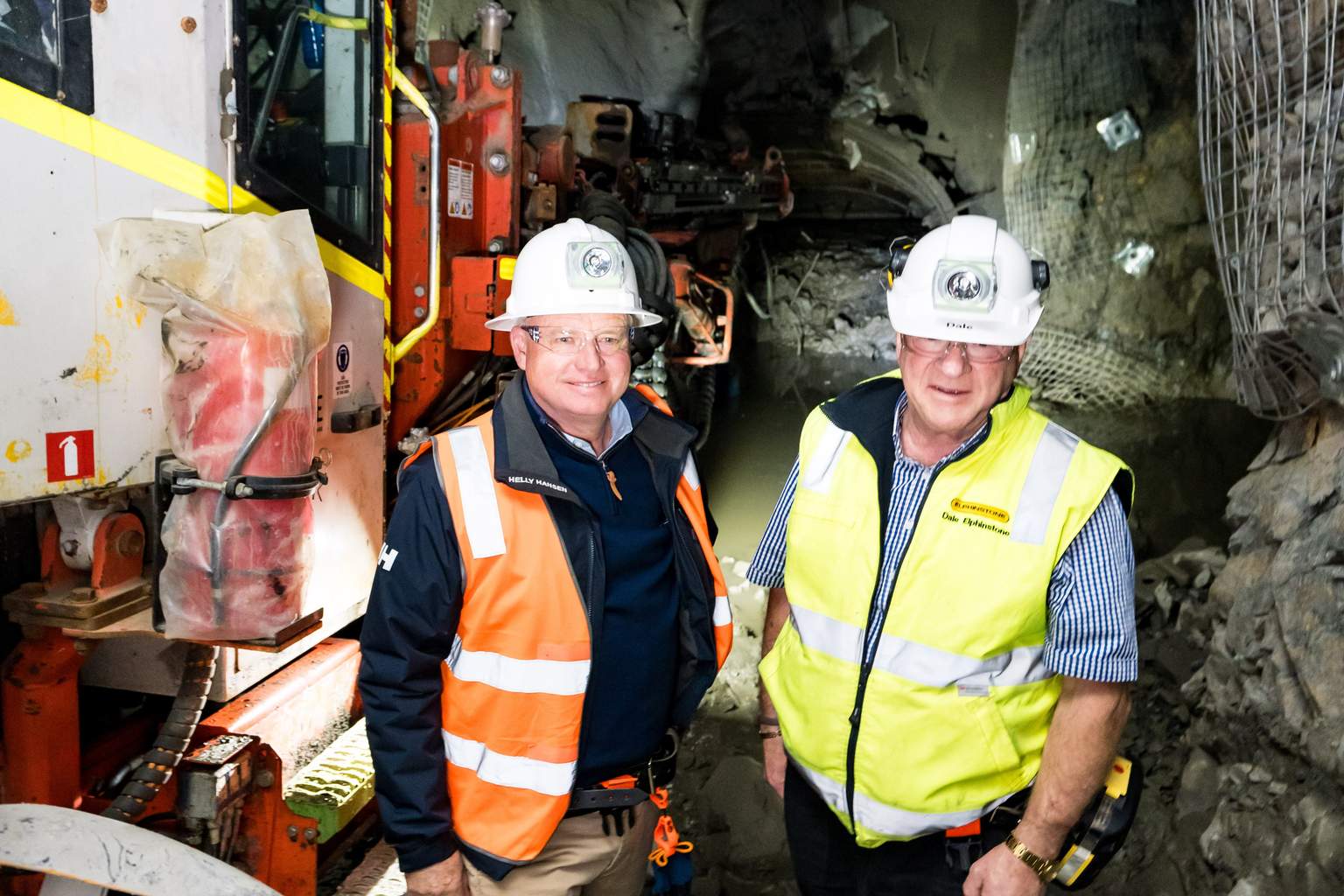
In 2021, the government lent the company $10 million to reopen the mine, which had been closed since the early 1990s.
Construction delays and cost overruns later left the company with more than $81 million in debt. Its shares were suspended from the ASX in September 2024.
In 2025, the government converted its loan into shares as part of a rescue deal with the company’s major lenders.
The government said at the time that the mine supported about 95 direct jobs on King Island.
It also lent the company a further $7.5 million and has provided millions of dollars in grants for the mine’s power supply and exploration.
The company has since returned to profit amid strong demand for tungsten.
It reported $69.1 million in sales for the June quarter and its shares returned to trading on the ASX in July.
Based on the company’s market value in early September, the government’s stake of about 10.6% was worth around $88 million.
Rockliff said the result had allowed the government to reinvest “a significant portion of the windfall back into the very regions that helped generate that success”.
He said the King Island investment and the new fund together represented about $25 million in support for regional Tasmania.