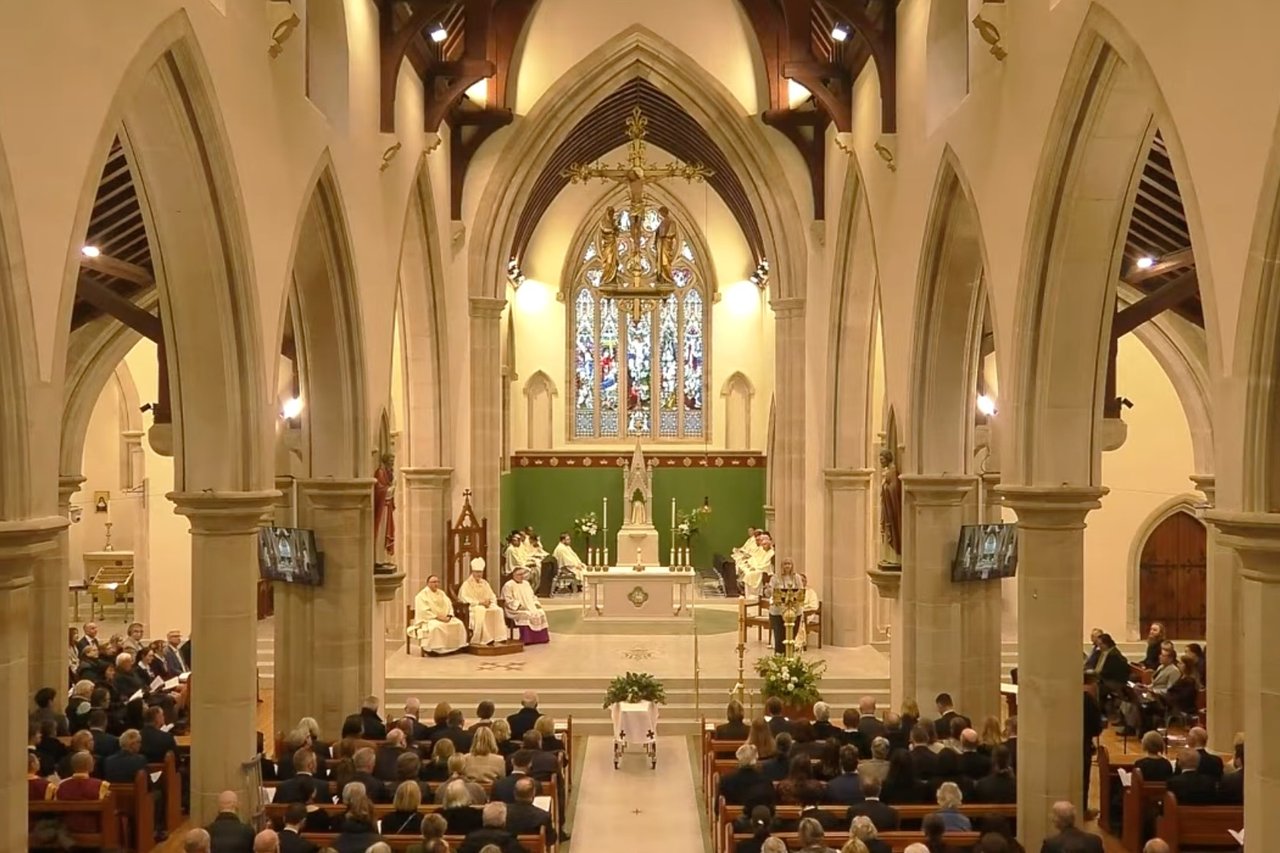
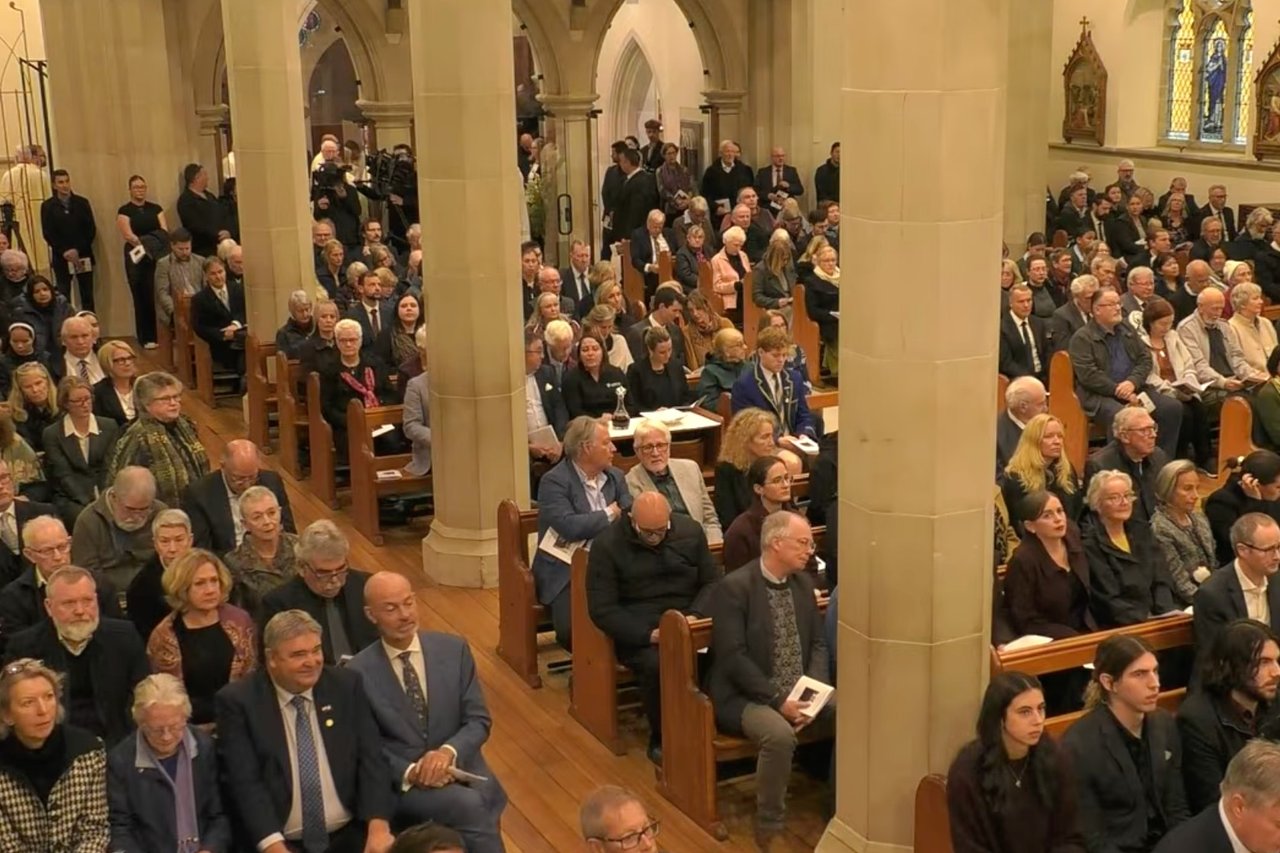
Hundreds of mourners packed St Mary’s Cathedral in Hobart today to farewell Michael Tate, the former federal justice minister who swapped politics for the priesthood.
Tate died on June 5, aged 80, after heart surgery the night before. He was ordained at the same cathedral in 2000.
The gathering drew politicians, former premiers, legal figures and parishioners. Outgoing governor Barbara Baker and Premier Jeremy Rockliff were among them.
Friend and eulogist Jeffrey McGee told mourners Tate’s career read like four separate lives, but was held together by one constant – a life of warmth and service to others.
“He held some of the highest offices in our country and received some of its highest honours,” McGee said.
McGee said that in his final years, Tate prized his South Hobart parish above the Senate or his postings abroad.
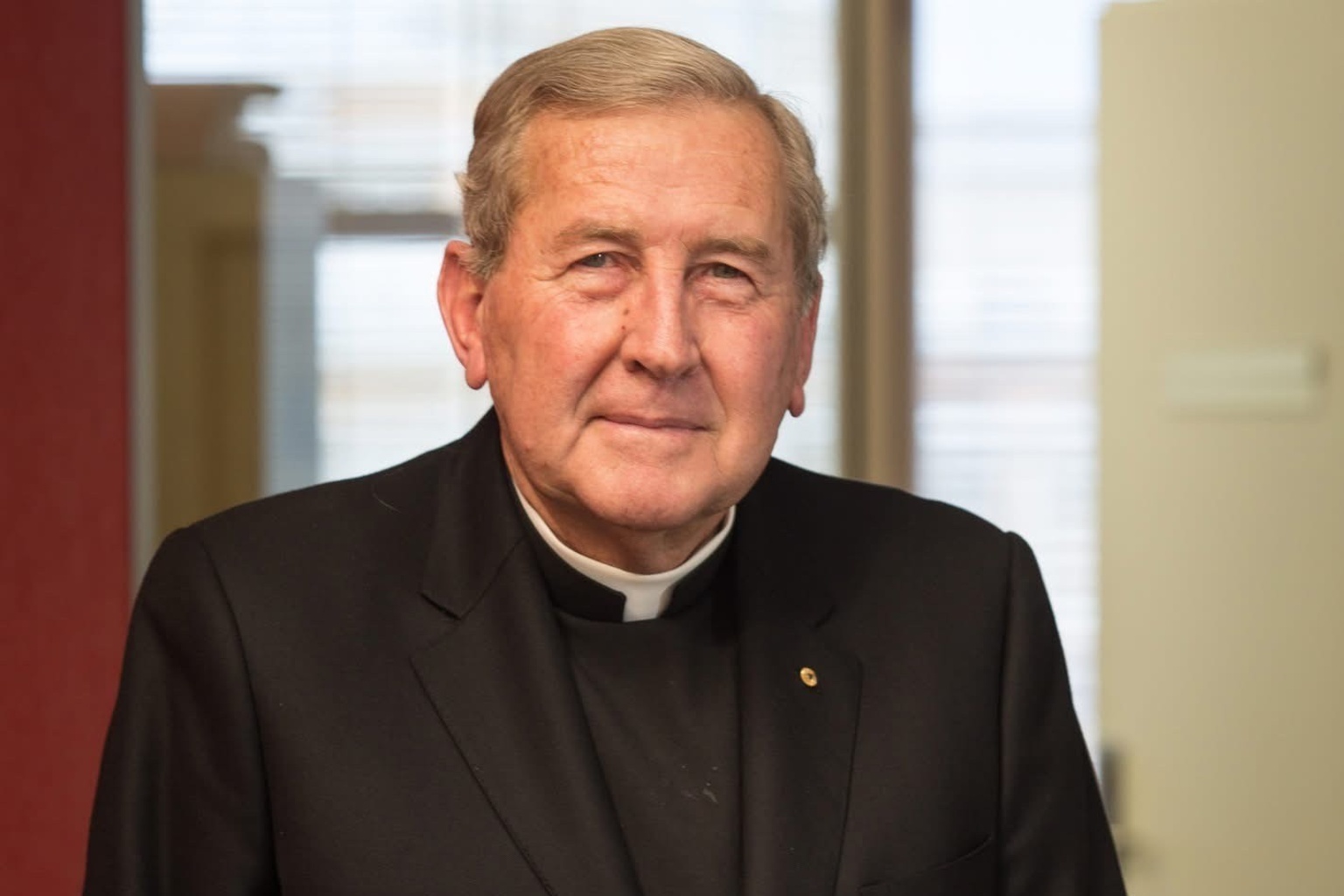
Born in Sydney on July 6, 1945, Tate grew up in Hobart and studied law at the University of Tasmania, where he topped the course with first-class honours in 1968. He later took a theology degree at Oxford.
He became dean of the UTAS law faculty before entering the Senate in 1977, then served as justice minister under Bob Hawke and Paul Keating from 1987 to 1993.
In that role he helped set up the Royal Commission into Aboriginal Deaths in Custody and authored a new citizenship pledge that dropped any mention of the monarch.
After leaving politics, Tate served as ambassador to the Holy See and The Hague. He was made an Officer of the Order of Australia in 1996.
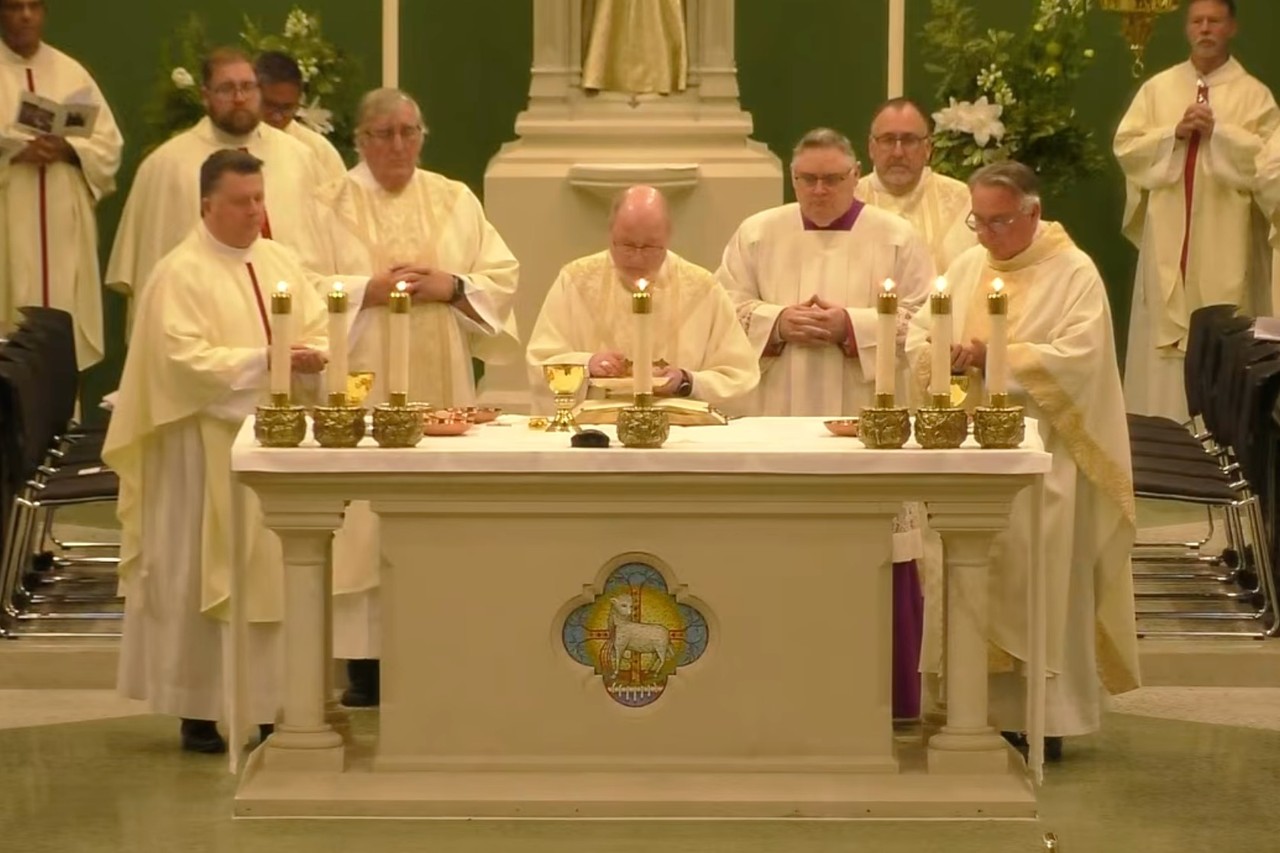
He was ordained at 54, describing the calling as “an early vocation, long deferred”.
Archbishop Tony Ireland praised Tate’s generosity and curiosity.
“He loved ideas because he believed ideas mattered,” Ireland said.
He leaves behind his brother Richard and sister-in-law Helen, along with nieces Monica and Adele and the youngest generation – great-nephew James and great-niece Leila.