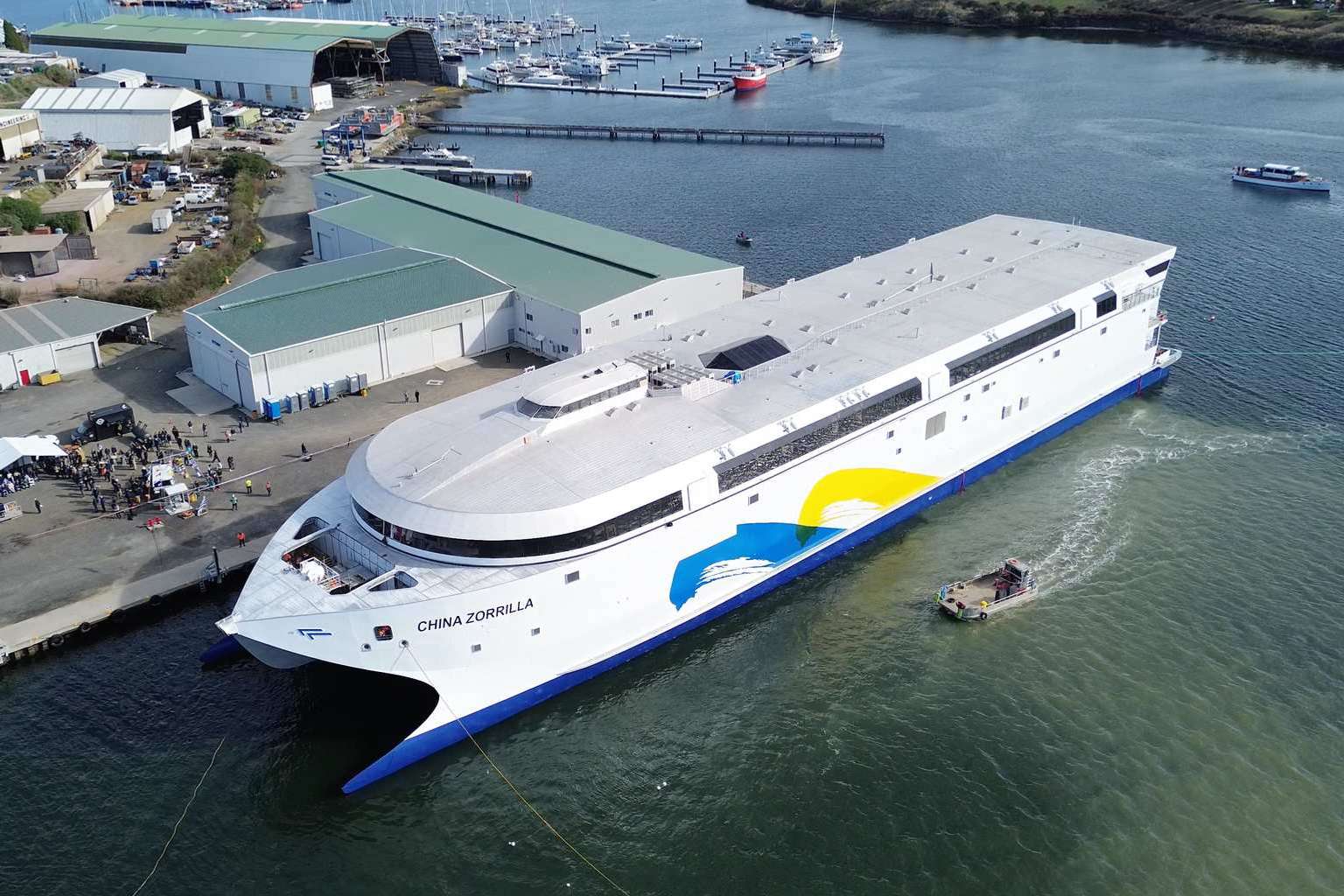
Incat has powered up the world’s largest battery-electric vessel in Hobart, marking what has been described as a global achievement built on home soil.
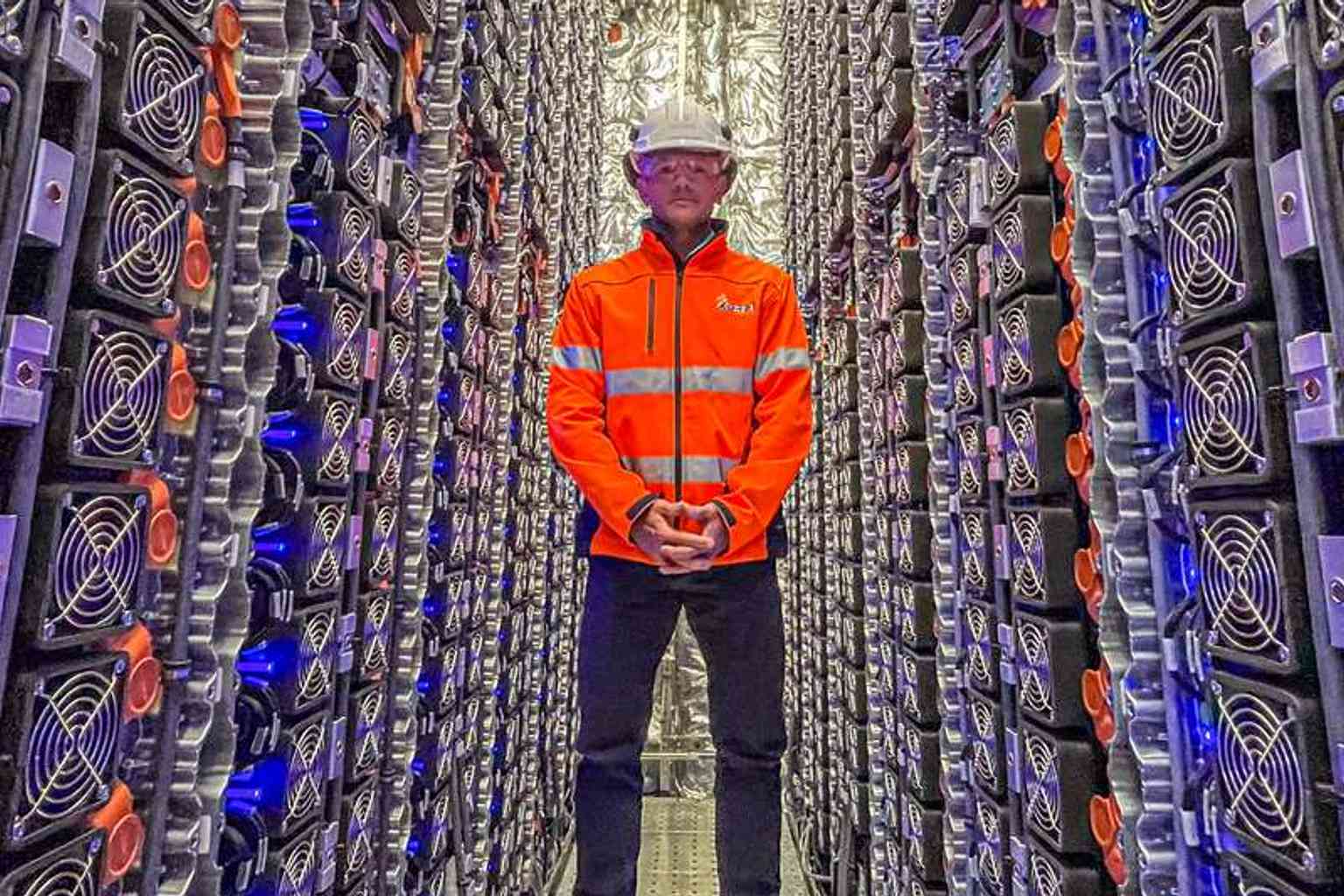
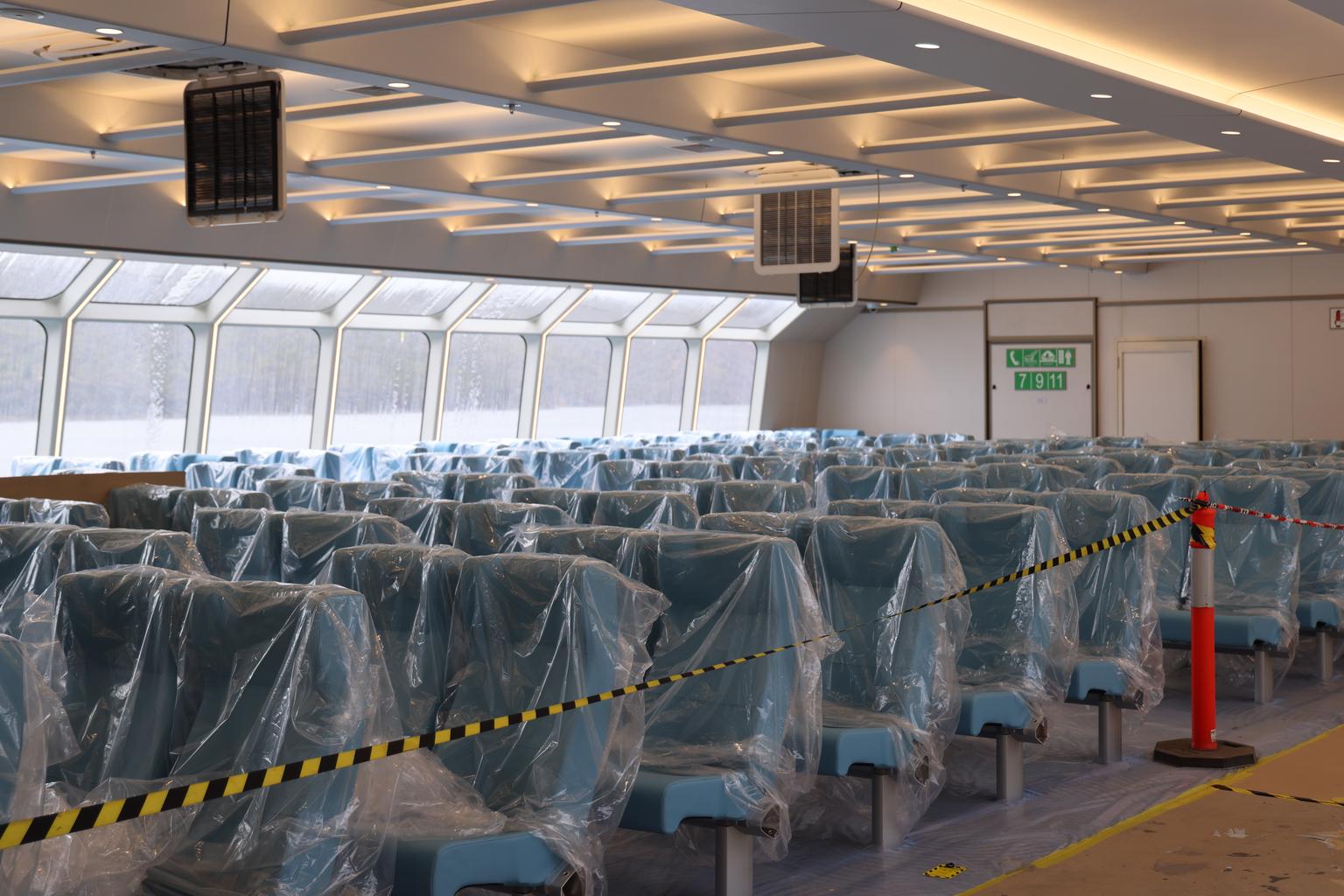
The 130-metre ship called Hull 096, powered by 250 tonnes of batteries delivering more than 40 megawatts of electricity, will carry 2,100 passengers and 225 vehicles in near-silent operation.
“Today isn’t just significant in Tasmania, it has global implications, and the eyes of the world are on Incat,” Premier Jeremy Rockliff said.
The vessel is four times more powerful than any marine electrical system previously constructed worldwide.
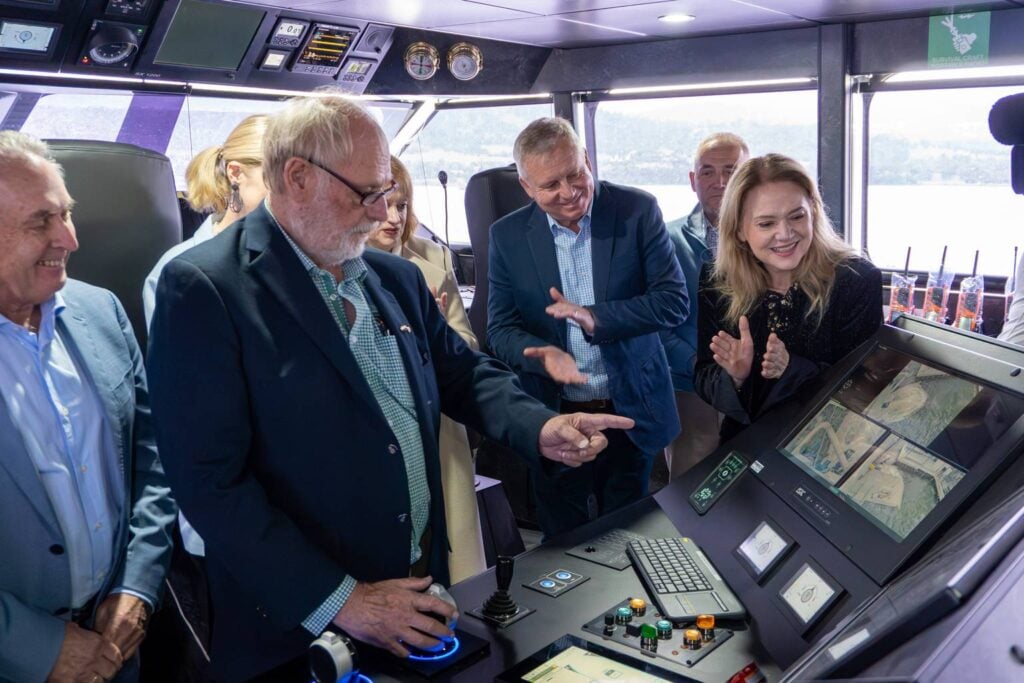
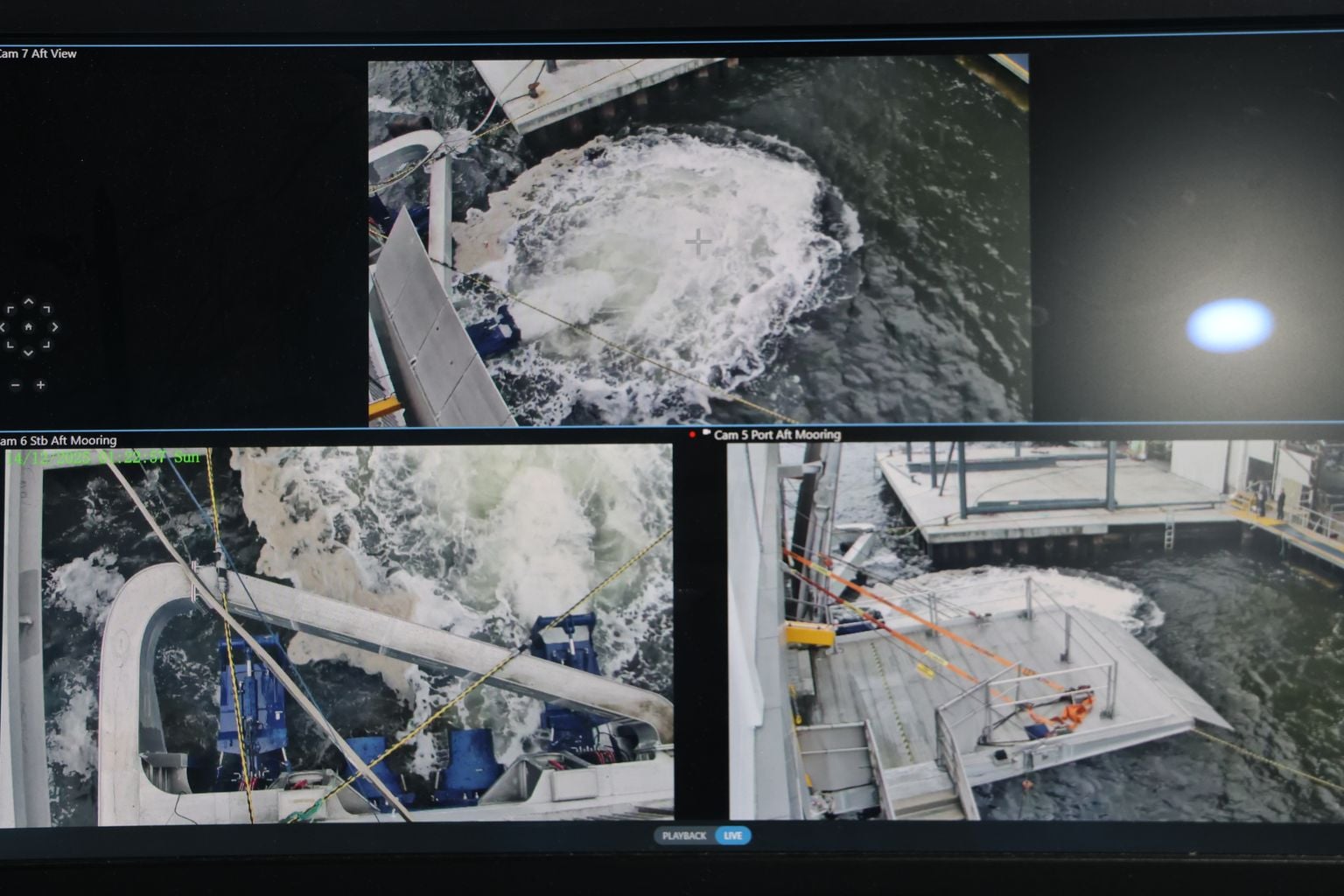
The ship successfully completed its first e-motor propulsion trial today, the first in a series of trials for the ferry before it departs for South America in the coming months.
Former premier turned Incat Strategic Adviser Peter Gutwein said the ship represents a world first in battery-electric short sea shipping.
“Never before in the history of the planet has this occurred,” he said.
“For context, a 40 megawatt power plant would easily power all of the lights in all of the houses across the city of Launceston.”
The ship’s electric motors are completely silent, with future passengers likely to hear only air conditioning, fridges and cash registers during operation.
Incat founder Bob Clifford said six more vessels are already under construction for the European market before this first ship has even entered service.
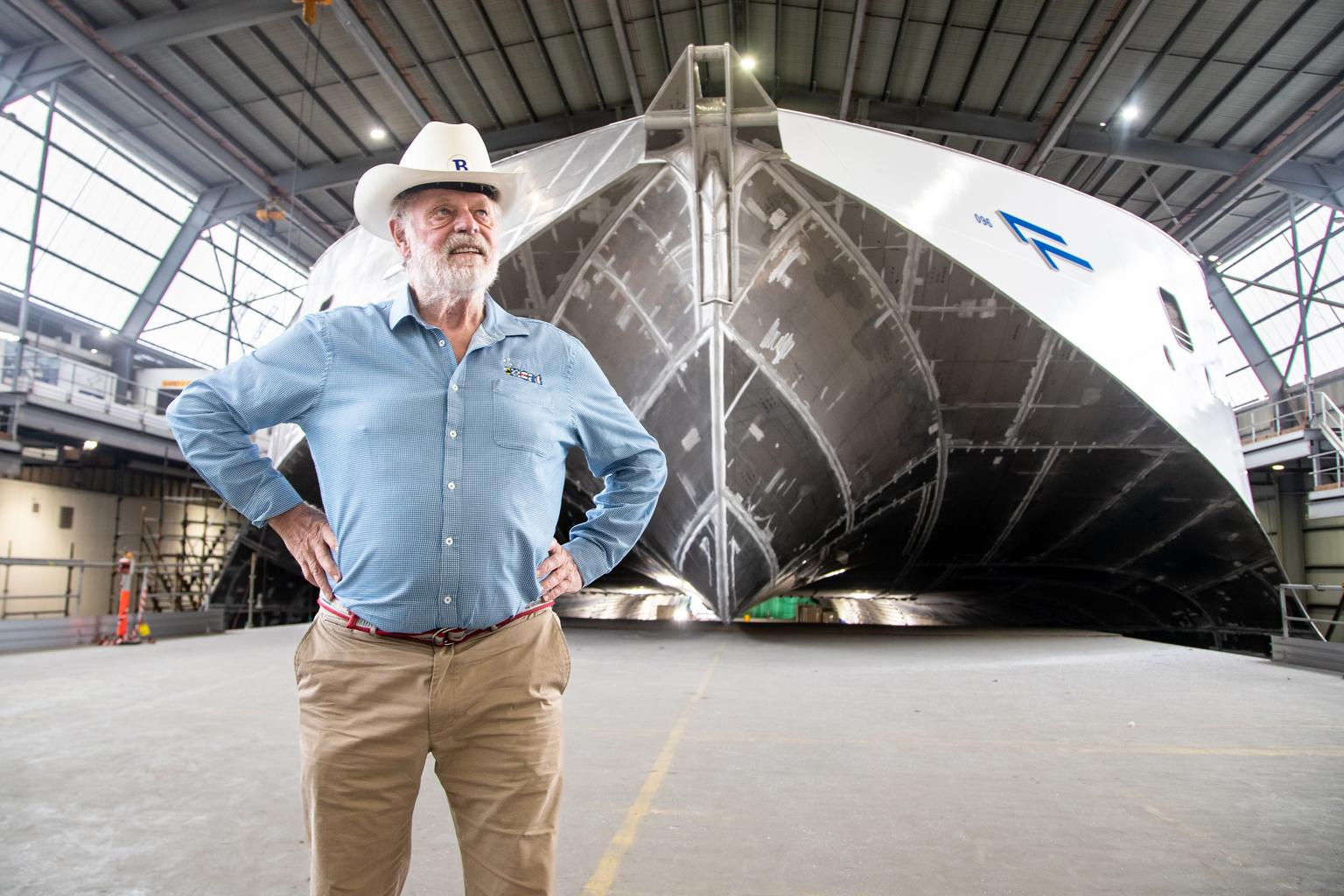
“When this one does go into service and is seen by the rest of the world shipping, I think we’ll have another six on top of that and more and more,” Clifford said.
The company has announced an expansion plan potentially producing four ships of this size annually within five years, requiring around 4,000 workers.
A longer-term 10-year plan includes a facility at Sorell Creek east of New Norfolk, which combined with the current site could employ 10,000 workers building one ship a month.
That plan would inject an estimated $4 billion annually into Tasmania’s economy.
Clifford said regulatory frameworks for electric ships need updating, with Marine & Safety Tasmania and the Australian Maritime Safety Authority working to adapt safety rules for the new technology.
“Their rules at the moment do not totally suit electric ships, so we have to work with them to make that happen and that’s a challenge,” he said.
“If we don’t get that right, we won’t get the people, we won’t build the ships, we won’t be able to sell the ships.”
Manufacturing currently contributes nearly $2 billion yearly to Tasmania’s economy and supports more than 20,000 direct jobs.