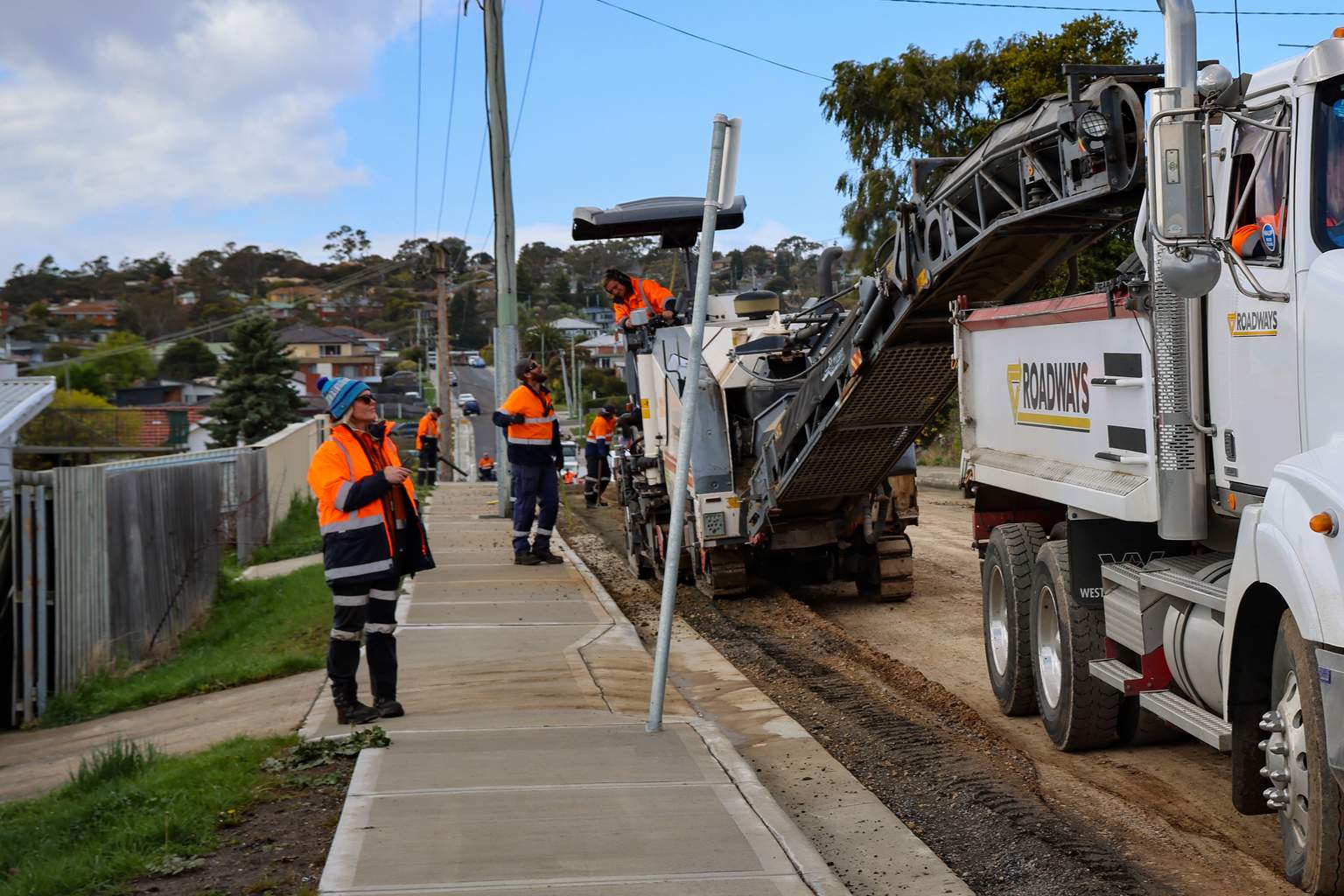
Three of Tasmania’s peak industry bodies want the state government to pause proposed changes to workplace exposure limits until a full cost-benefit analysis is done.
The Civil Contractors Federation Tasmania, the Tasmanian Automotive Chamber of Commerce and the Housing Industry Association say worker safety is their top priority, but the changes need more scrutiny first.
Safe Work Australia has recommended all states adopt the new limits by 1 December 2026. The changes would sharply reduce the level of some chemicals allowed in workplaces.
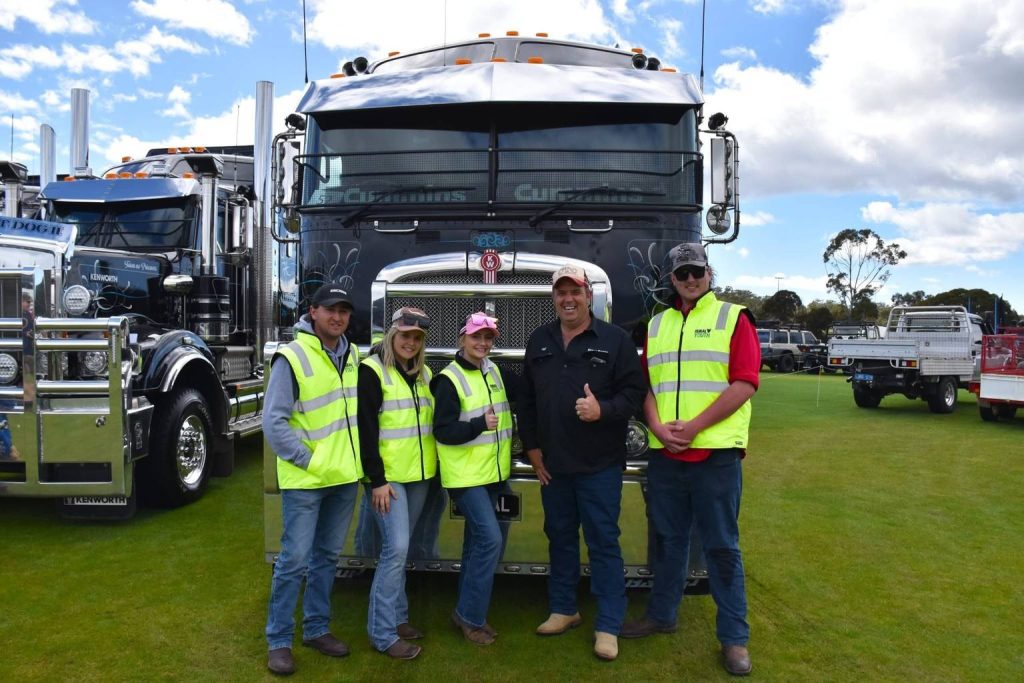
CCF Tas chief executive Andrew Winch said the limits would hit civil construction on multiple fronts.
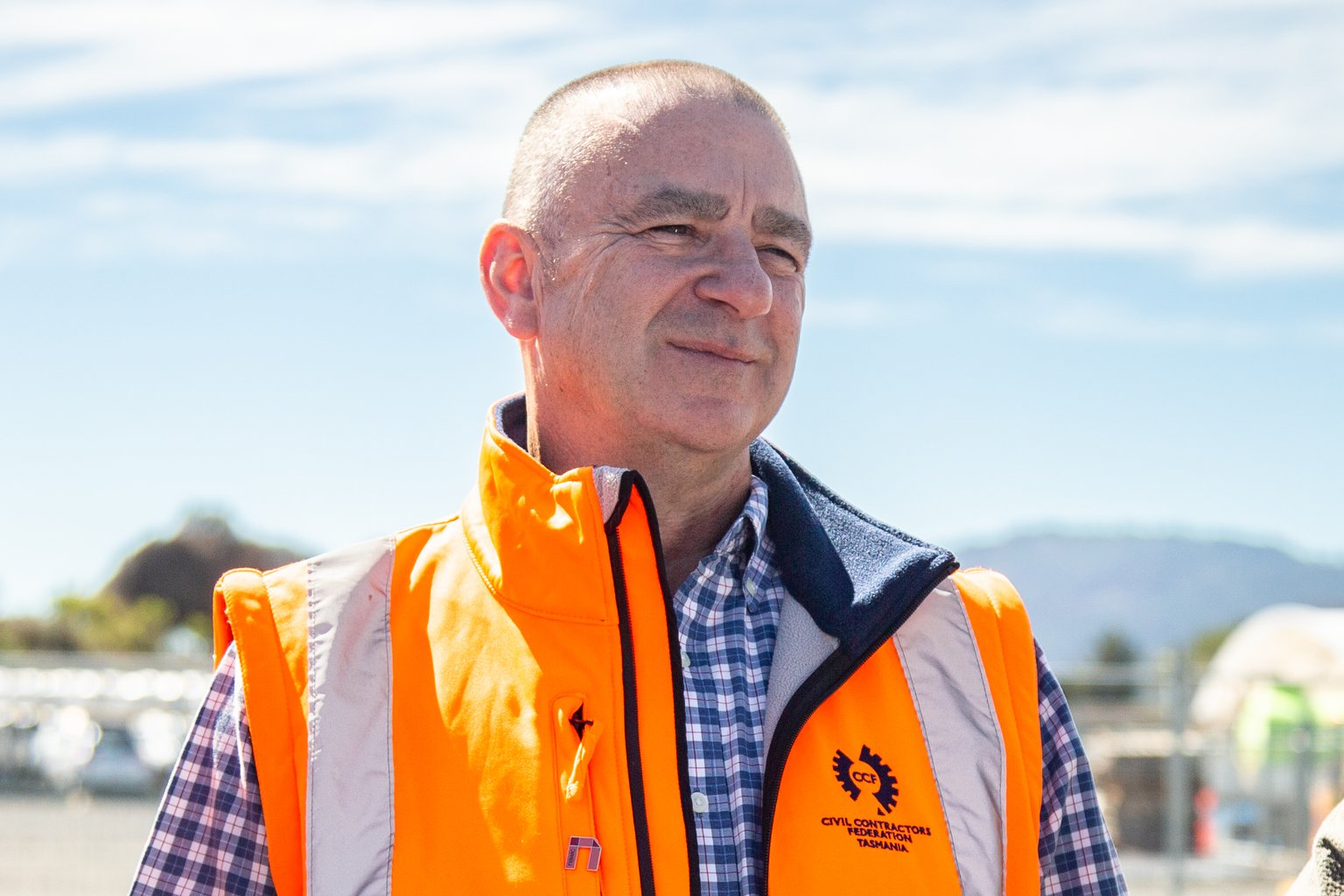
“Our members operate depots, workshops and plant yards where vehicles and heavy machinery run continuously,” Mr Winch said.
“We are concerned that the proposed limits are not technically or financially achievable for many civil construction worksites within the proposed timeframe.”
Winch said the group had written to Minister Barnett and WorkSafe Tasmania asking for a Tasmania-specific regulatory impact assessment.
“We support protecting workers, but these changes would cost millions without actually improving worker safety,” he said.
Safe Work Australia’s own analysis found the proposed nitrogen dioxide limit would cost employers $2.7 billion over 10 years nationally, with no quantifiable health benefit.
For benzene, compliance costs of $840 million outweighed benefits of $439 million.
Victoria’s independent analysis put total employer costs at $6.3 billion against benefits of $2.9 billion.
TACC’s Bruce McIntosh said the real cost to small automotive businesses would be far higher than national modelling suggested.
“The national cost-benefit analysis estimates compliance at roughly $2,200 per affected business. Our analysis of what the required upgrades would actually cost in a typical Tasmanian workshop puts it closer to $10,000,” Mr McIntosh said.
He said there was also a practical problem, with the proposed limits not currently measurable to the required standard in a typical workshop.

“You cannot regulate what you cannot measure,” he said.
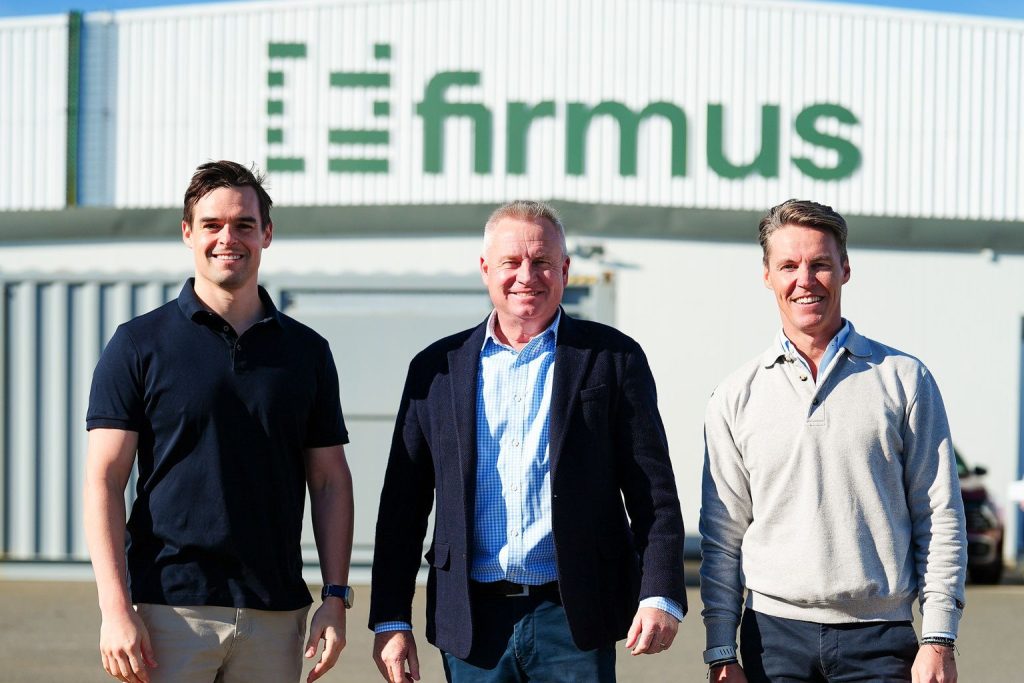
HIA’s Benjamin Price said the proposed silica limits put builders and tradies in an impossible position.
“Safe Work Australia’s proposed silica limits can’t be measured onsite with current technology. No country in the world has legislated at this level,” Mr Price said.
“These costs will land directly on housing construction at a time when Tasmania can least afford it.”
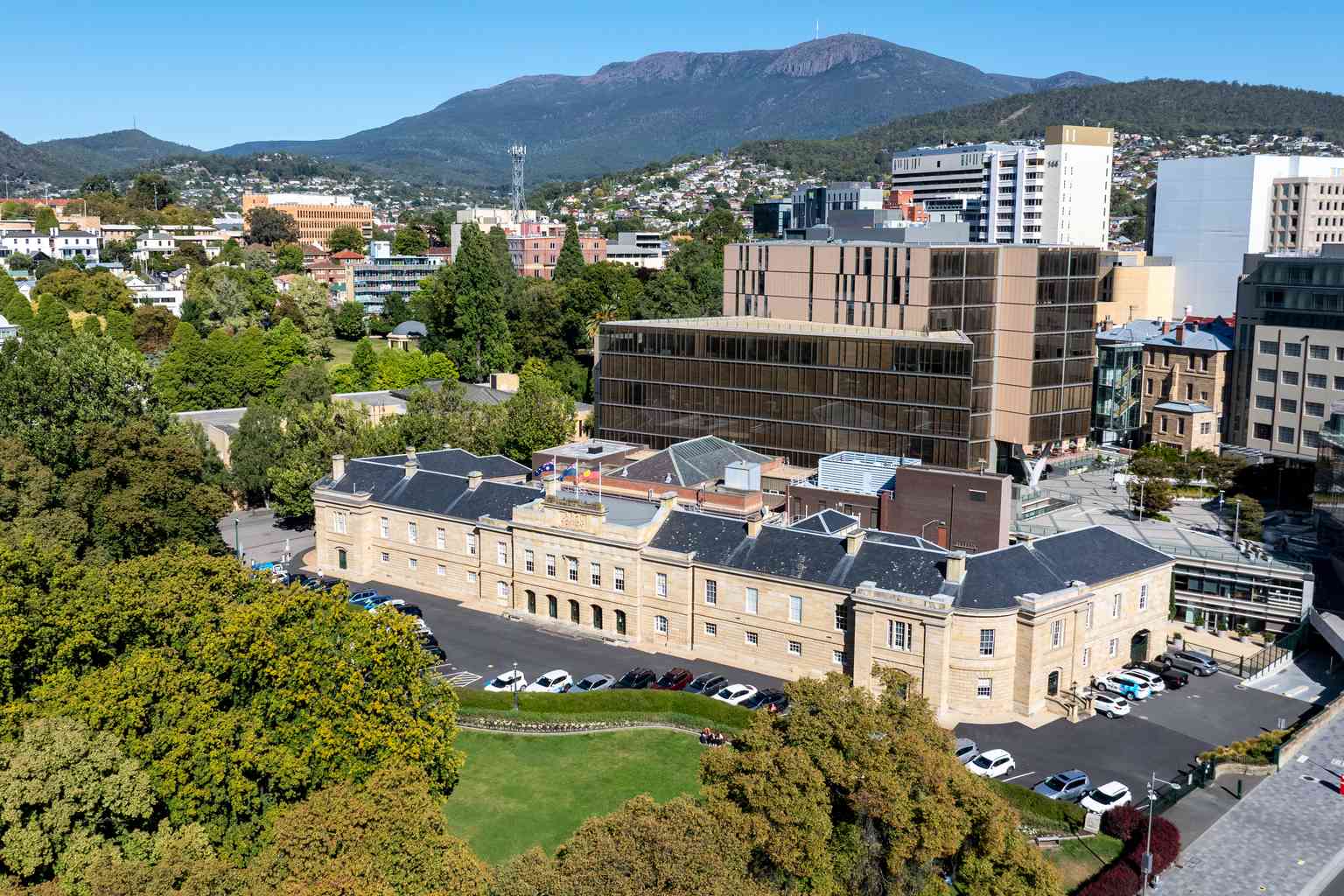
Tasmania is not legally obligated to adopt the limits.
State parliament would need to amend the Work Health and Safety Regulations 2022 to bring them into effect.
Winch said the three bodies were united in calling on the government to work with industry before committing to the national deadline.