Closer oversight of police misconduct cases could start straight away if the state government paid for it, Tasmania’s Integrity Commission says.
The commission told a parliamentary inquiry on Monday it would need a “substantial injection of additional resources” to take on the oversight role recommended by the Weiss Review.
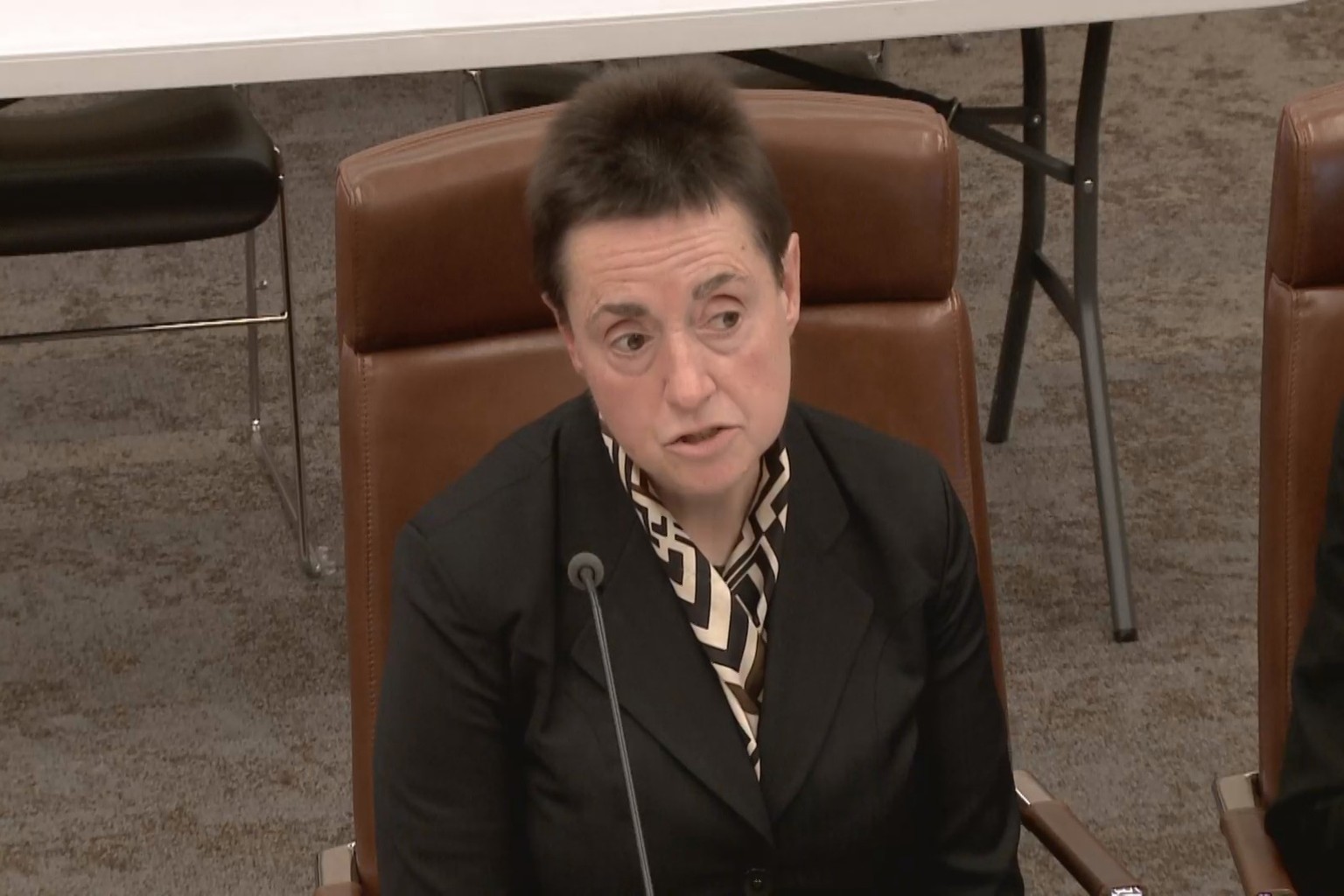
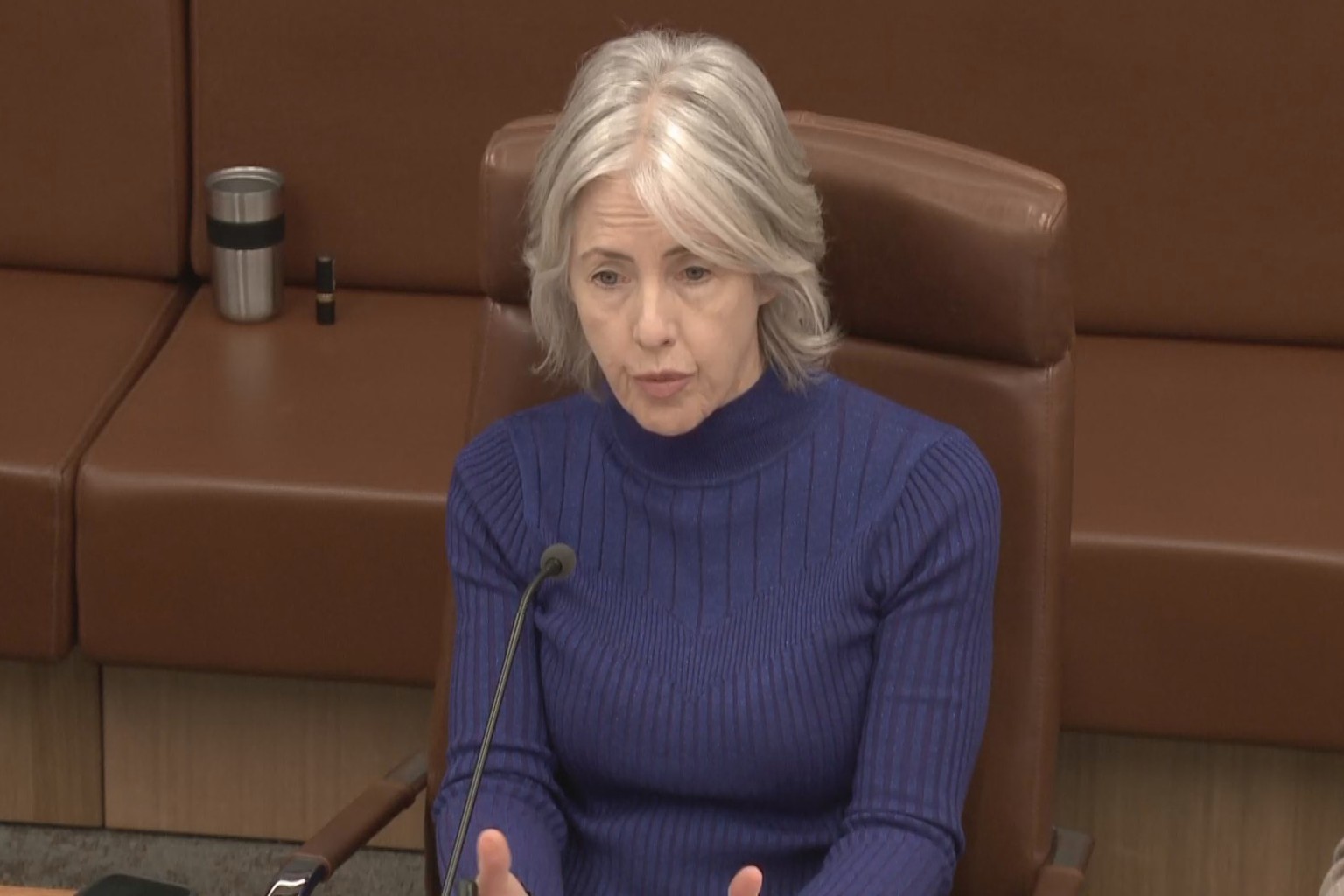
“We’d be very happy to start doing that work tomorrow. We’re just not resourced to do it,” chief executive Ellen McKenzie said.
The inquiry is examining how Tasmania Police handles misconduct allegations against its own officers, following the case of former senior sergeant Paul Reynolds.
McKenzie said about $350,000 would pay for a senior investigator and an investigator. About $500,000 would cover a senior investigator and two investigators.
With that money, she said, the commission could set up a “dedicated police oversight team”.
The team would oversee how police handle misconduct investigations. It would also deal with complaints made directly to the commission.
The commission asked for $1.3 million in this year’s state budget to hire seven extra staff. It got about $500,000.
McKenzie said the commission could not investigate officers accused of sexual or family violence, because those are criminal matters.
“We are not a criminal investigatory body,” she said.
Complaints like that are referred to Tasmania Police and the commission then monitors how police handle them.
Greens leader Rosalie Woodruff asked how the commission would protect people reporting more senior officers.
McKenzie said if a complaint involved someone in professional standards, it could not go to that team or the officers who supervise it.
“It would have to go to, say, the commissioner, as an example, if any of those people were affected,” she said.
She said the right pathway would depend on the matter.
McKenzie said the commission was not consulted during the Weiss Review and already holds a number of the powers it recommended.
The main gap is access to intercepted communications. She said the commission wants to receive that material but not do the intercepting itself.
McKenzie said the commission had a good working relationship with the police professional standards team and police made changes when it raised problems.
Franklin MP Peter George challenged that, pointing out the Weiss Review found the current system was not working.
The commission does not have direct access to IAPro, the police complaints database. McKenzie said some people within Tasmania Police were open to giving it access.

The commission has one own-motion investigation into police under way. McKenzie said it was the only one she knew of in the past one to two years.
It took on notice whether police told it about evidence found on Reynolds in 2018.
The commission has also discussed taking an advisory role on the family and sexual violence involving police review committee.
McKenzie said police raised the idea and the commission has yet to respond to a letter from them.
The inquiry, chaired by Labor MP Ella Haddad, will hold more hearings.
Anyone who needs support can call Lifeline on 13 11 14.