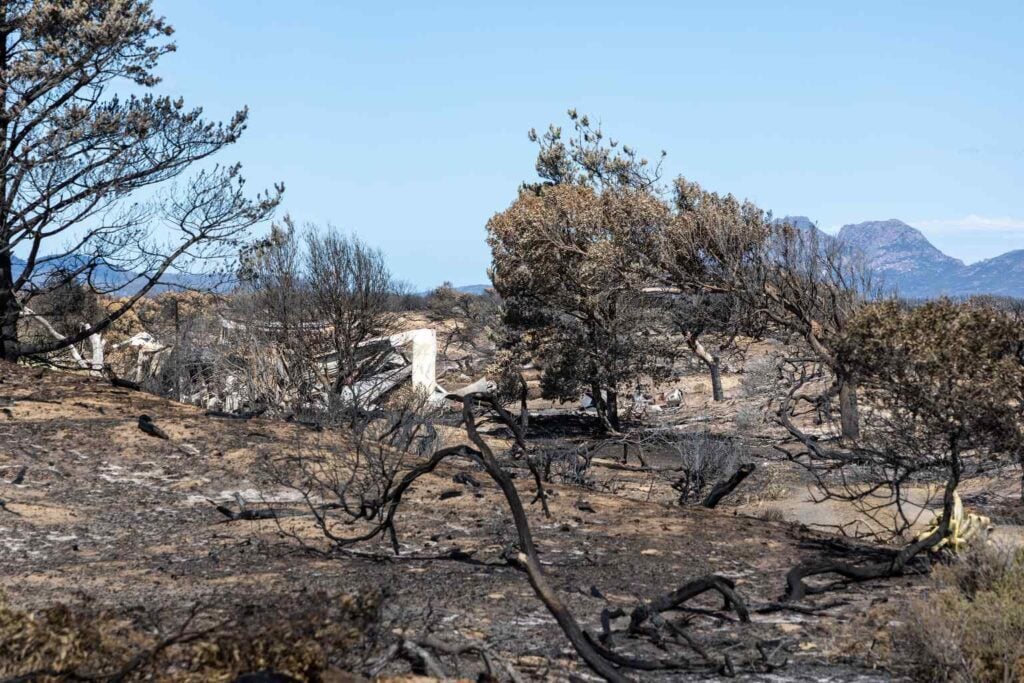
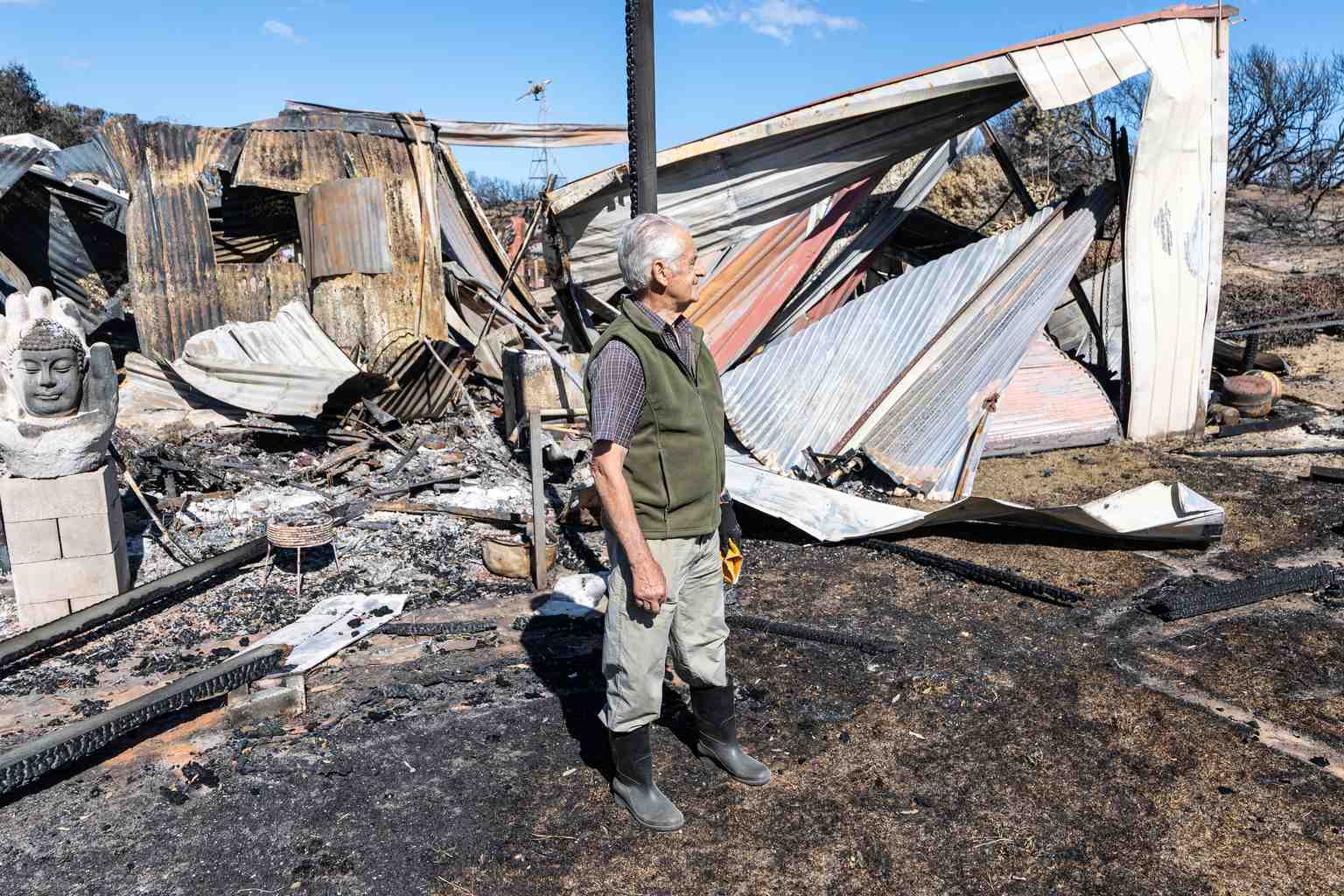
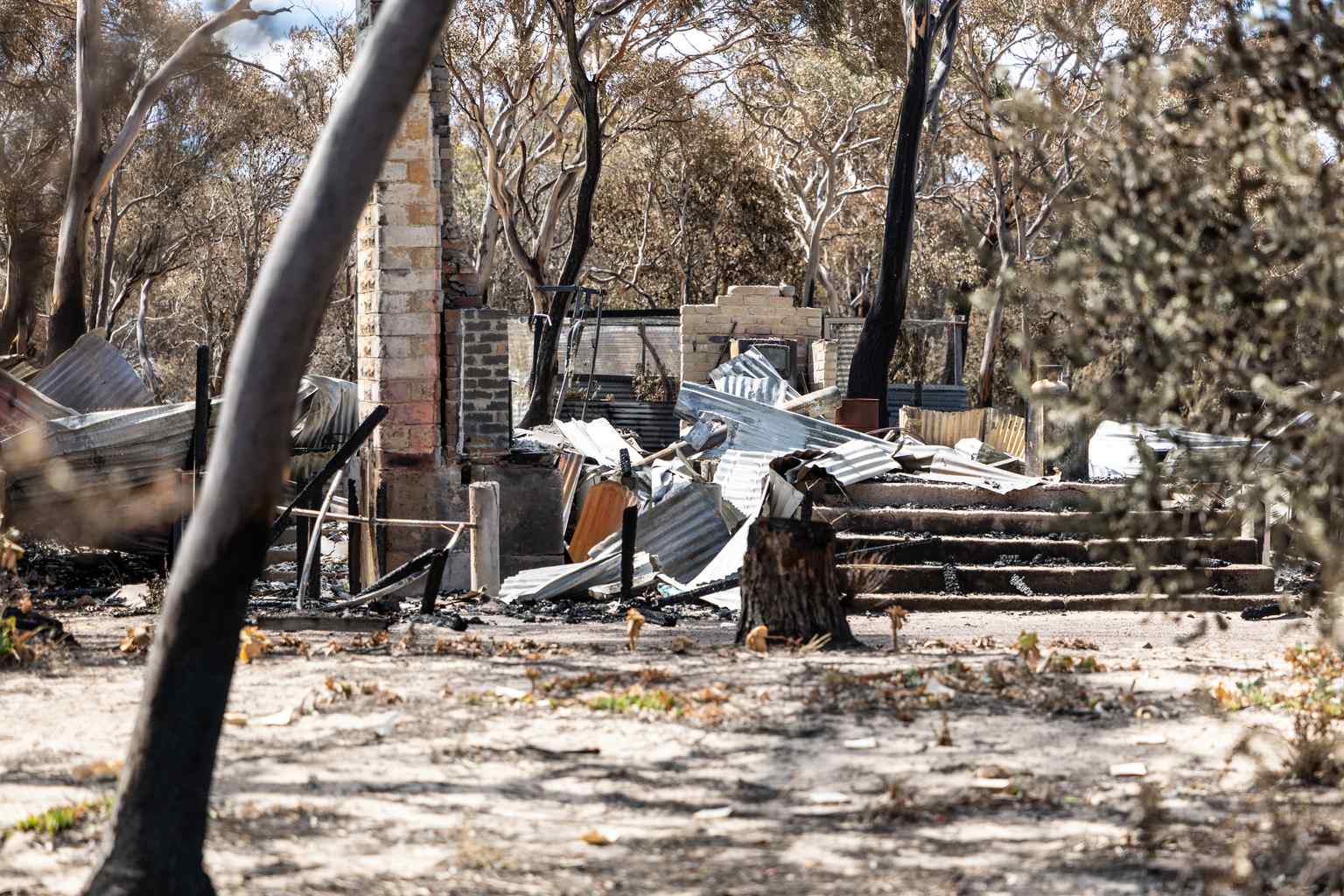
The Tasmania Fire Service have revealed a devastating bushfire that destroyed 19 homes and damaged many others at Dolphin Sands on Tasmania’s East Coast was caused by a landowner who failed to properly extinguish their registered burn.
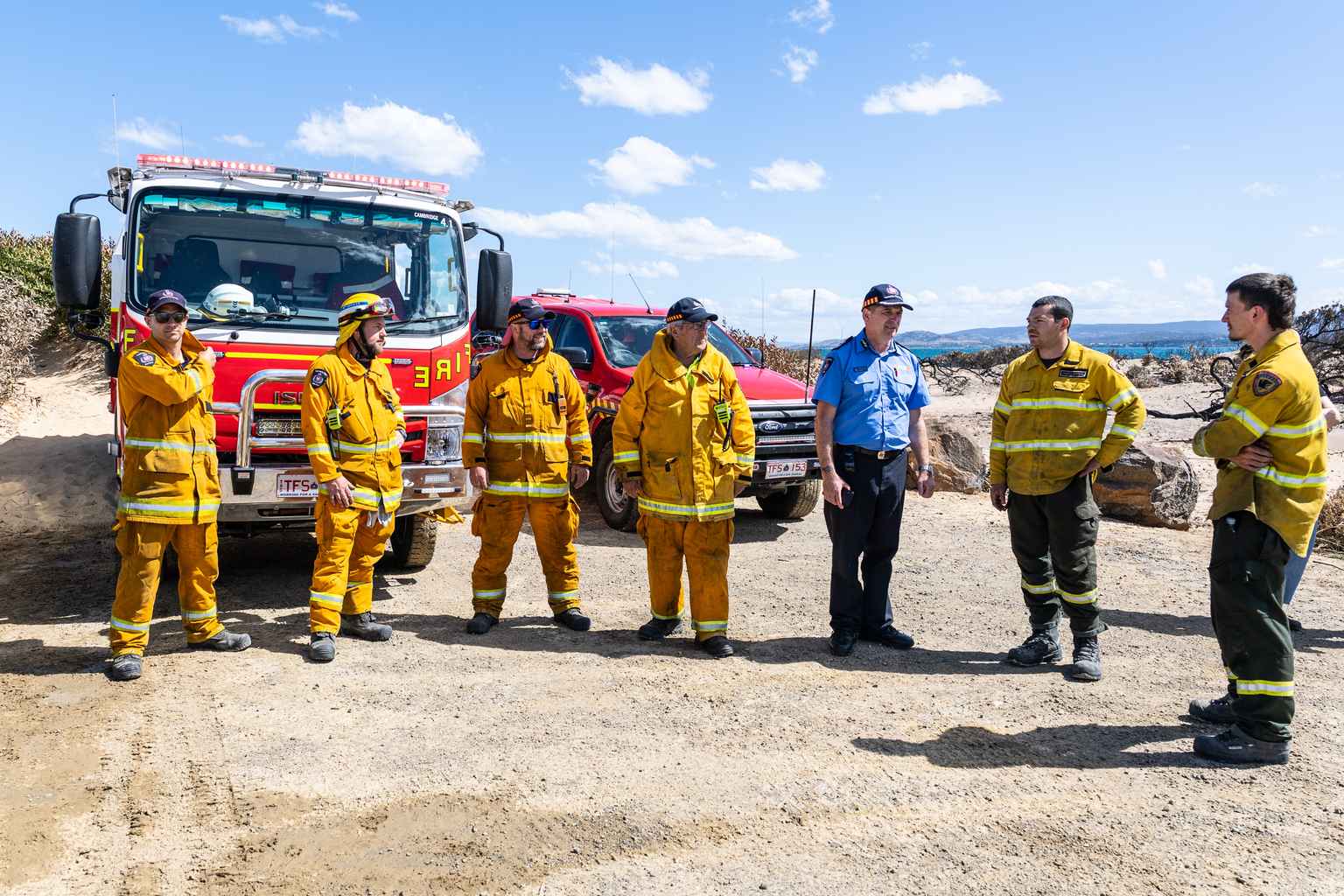
TFS Deputy Chief Officer Matt Lowe said the landowner covered the burn with sand about seven days before the blaze erupted.
“You never cover it with sand,” Lowe warned.
“You need to cool it with water, rake the coals out and monitor until it’s fully extinguished.”

He said wind can cause embers to jump from fire pits where heat remains contained beneath sand.
It comes as the TFS confirm Tasmania will enter a statewide fire permit period from 2am tomorrow, as authorities prepare for what is expected to be a challenging bushfire season ahead.
Bureau of Meteorology forecasts indicate increased fire weather conditions over the coming week.
Lowe said the permits would help control fires in the landscape during expected spikes in fire danger.
“This declaration of a Fire Permit Period does not stop landowners burning on their properties,” he said.
“A fire permit reduces the risk of escaped fires by promoting responsible use of fire.”
Anyone wanting to burn more than a cubic metre of material on their property will need to obtain a free permit online or by calling 1800 000 699.
Permit officers will provide advice on safe burning practices, including water supply requirements and weather monitoring.
Tasmania’s fleet of 15 contracted firefighting aircraft will begin arriving tomorrow, including eight helicopters and seven fixed-wing planes.
Some aircraft are equipped with amphibious floats allowing them to land on water.
However, Lowe said aircraft aren’t always available.
“With the recent wind conditions, those aircraft may not be able to get off the ground,” he said.
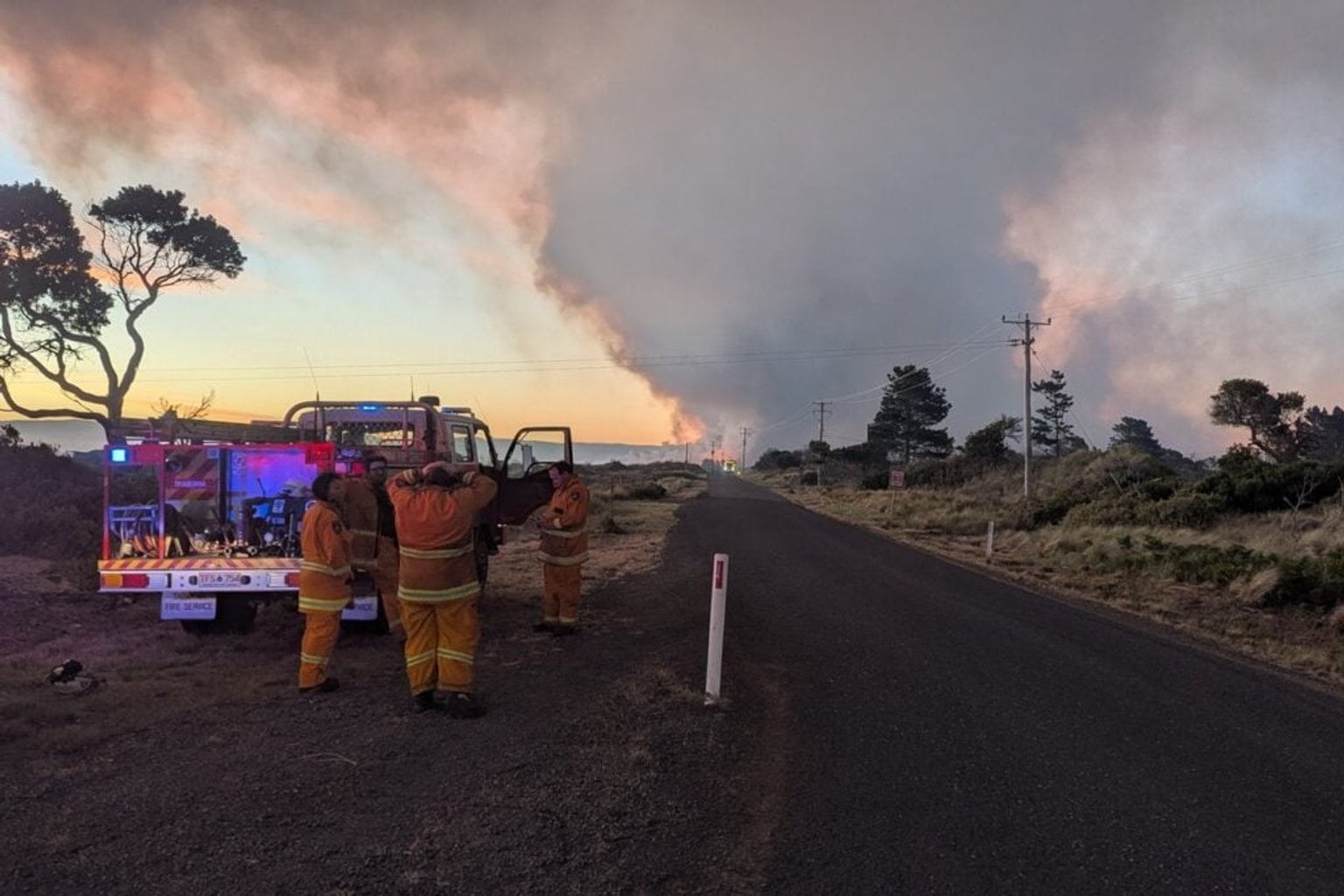
The permits bring Tasmania in line with a normal fire season start date, later than last November’s commencement due to a wet spring delaying vegetation curing.
Parks and Wildlife Service will introduce campfire bans from 2am Saturday across national parks in Dorset, Break O’Day and Glamorgan-Spring Bay municipalities, plus Flinders Island, Maria Island and Narawntapu National Park.
State Fire Manager Katy Edwards said the bans target mainly north-east and east coast campgrounds.
Last year, Parks staff found 300 campfires during restriction periods, with 60 still burning and unattended when discovered.
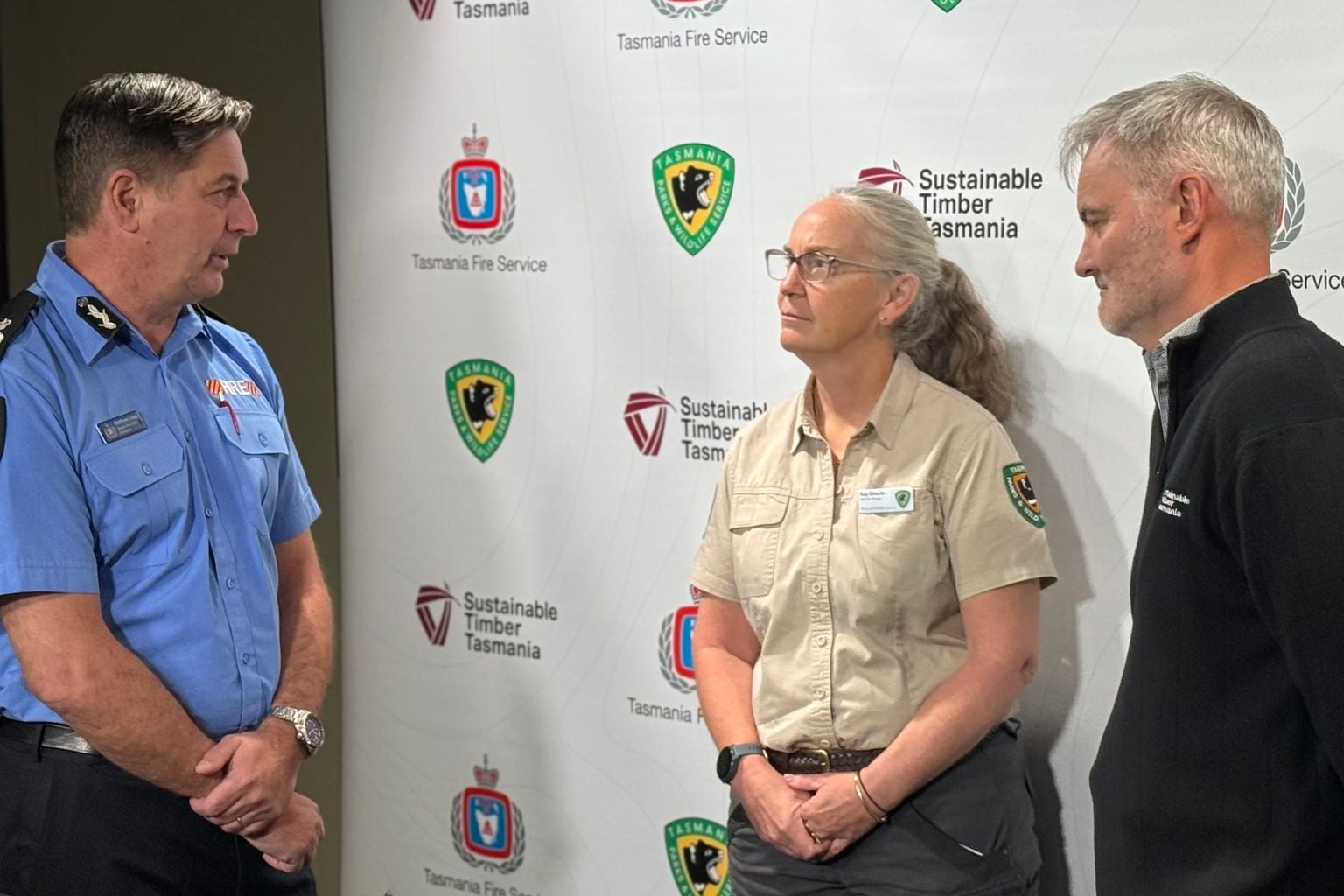
“That’s a really big risk for campfire escapes, especially when we have these windy conditions,” she said.
Information about affected campgrounds is available on the Parks website, with signage also displayed at relevant sites.