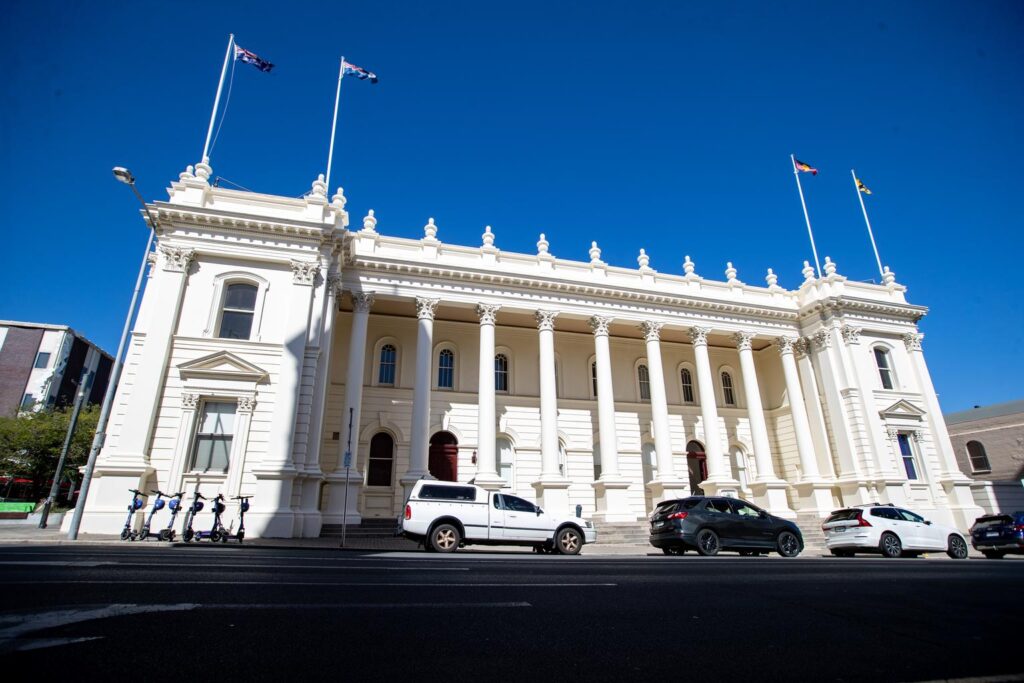
The City of Launceston could become the first local government in Australia to offer staff a four-day work week with no reduction in pay.
The Tasmanian council and the Australian Services Union have reached an in-principle agreement on a new Enterprise Agreement that would see full-time employees work 30.4 hours over four days while retaining their current salaries.
The proposal, the council says, is not a compressed work week but a reduction in hours from the standard 38-hour week.
Council CEO Sam Johnson said the agreement was a significant step in workplace reform.
“This is a bold and progressive proposal that recognises the changing nature of work and the importance of wellbeing, productivity and sustainability in the public sector,” he said.
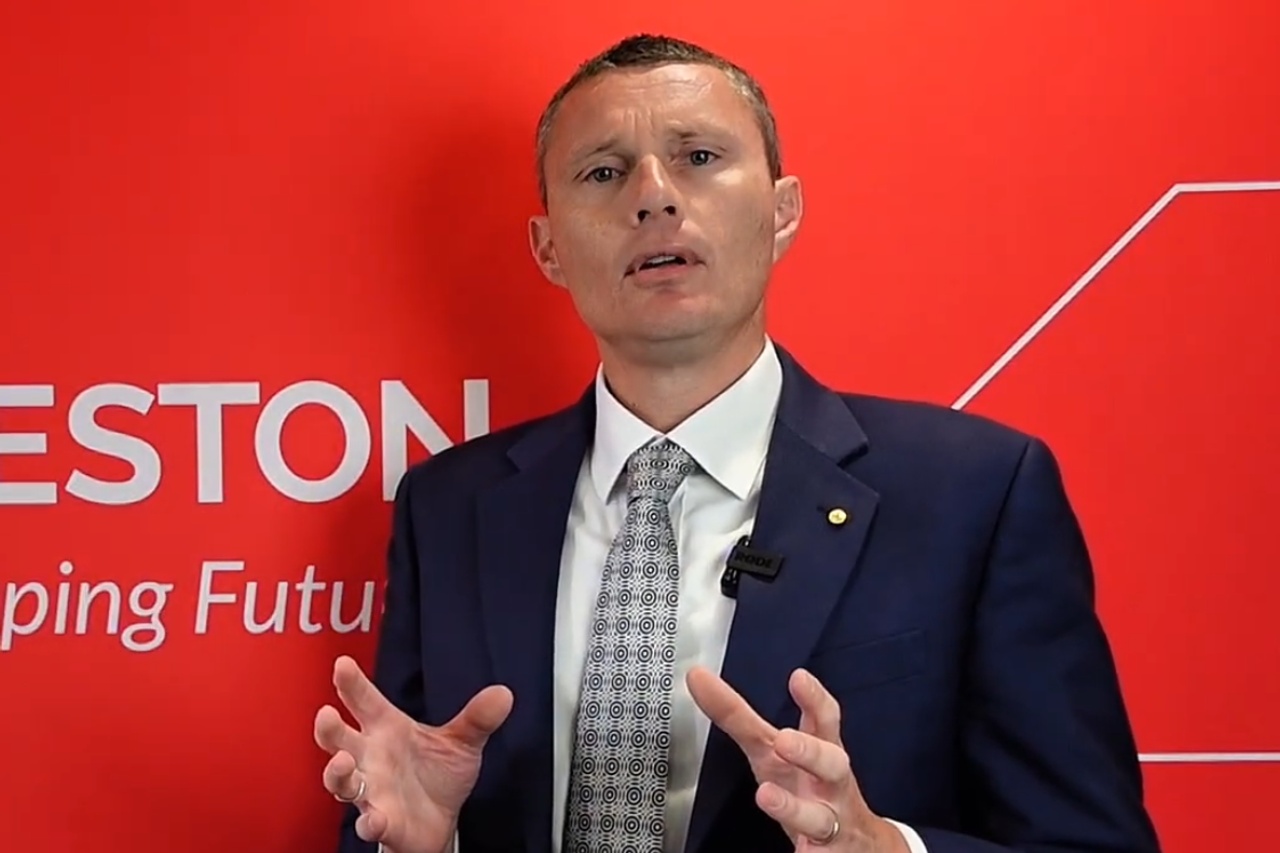
Johnson pointed to Australia’s history of industrial relations reform, including the introduction of annual leave in 1906 and the minimum wage in 1907.
“We have the history to show that in Australia, we can be global leaders in industrial relations revolution,” he said.
“So why should 2026 be any different?”
The agreement also includes improved allowances and leave entitlements.
ASU Tasmania and Victoria branch secretary Tash Wark said the proposal reflected strong collaboration between the union, employees and council management.

“This is a collaborative effort to address attraction and retention challenges and the union is pleased this is a solid commitment from council,” she said.
The council’s 600 eligible employees will vote on the proposal next month.
If approved, the agreement will be lodged with the Fair Work Commission. It could take effect from July 2026.
Johnson acknowledged there would be challenges.
“Yes, there will be teething problems,” he said.
“But other countries have already proven that what we’re putting on the table can work and does work.”
He said international studies showed four-day weeks led to higher workforce engagement, improved efficiency and better staff retention.

Meanwhile the Tasmanian Chamber of Commerce and Industry has expressed “serious concern” at the proposal.
TCCI Chief Executive Officer Michael Bailey said the proposal amounts to a 20% cut in hours worked “with no guarantee of improved productivity or service”.
“At a time when rates are already rising above CPI, most ratepayers and small businesses will see this as a 20 per cent pay rise for council staff with no clear return for the community.”
“Council is a monopoly provider of essential regulatory services – businesses can’t ‘shop around’ for a faster planning department,” Bailey said.
“If service slows down, projects are delayed, costs blow out and investment is put at risk. That is the opposite of what Launceston needs right now.”
If the vote fails, the council will return to negotiations with the union.